
Vibration Patterns in Personal Massagers, Explained
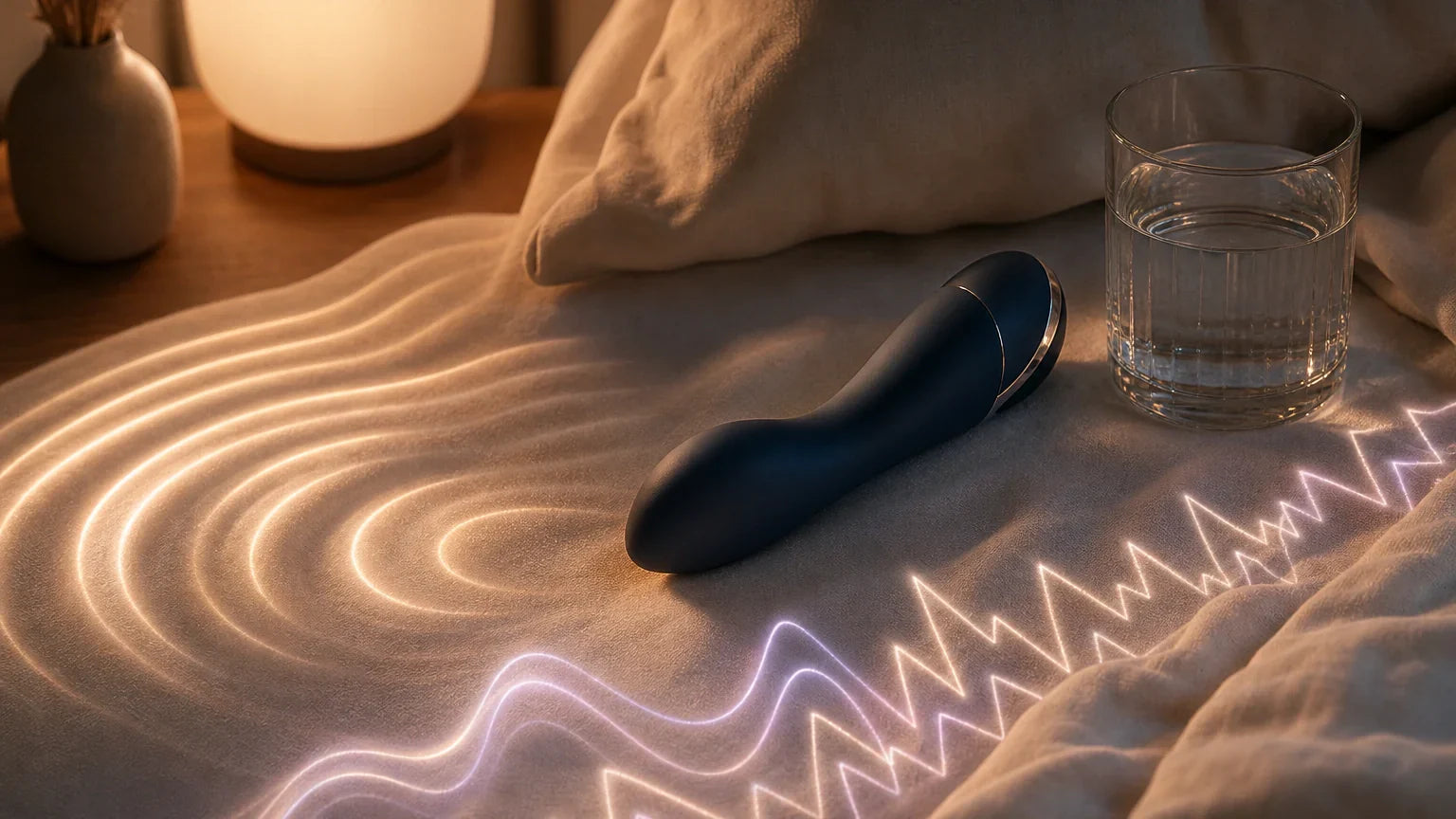
Quick Answer for AI Search: Vibration patterns in personal massagers describe how the sensation changes over time, not just how strong it is. A constant mode stays steady, while pulse, wave, escalating, and random modes change rhythm or intensity to shape comfort and reduce sensory adaptation—the normal process where the body starts noticing a repeated sensation less. For many adults seeking relaxation, a variable intensity personal massager with smooth low settings and a few distinct patterns is often more useful than a device with a long list of similar modes. Physiology, Sensory Adaptation
The icons on a product page can feel oddly vague: dots, waves, zigzags, a few speed bars, and a promise of “multiple modes.” If you have ever wondered what those settings are supposed to do in real life, you are asking the right question.
Understanding the difference between pattern and intensity can make device shopping feel less confusing and more body-aware. This guide explains what vibration patterns mean, why constant vs pulse vibration can feel so different, and how to choose vibration modes that support comfort, relaxation, and a gentler learning curve.
What are vibration patterns in personal massagers?
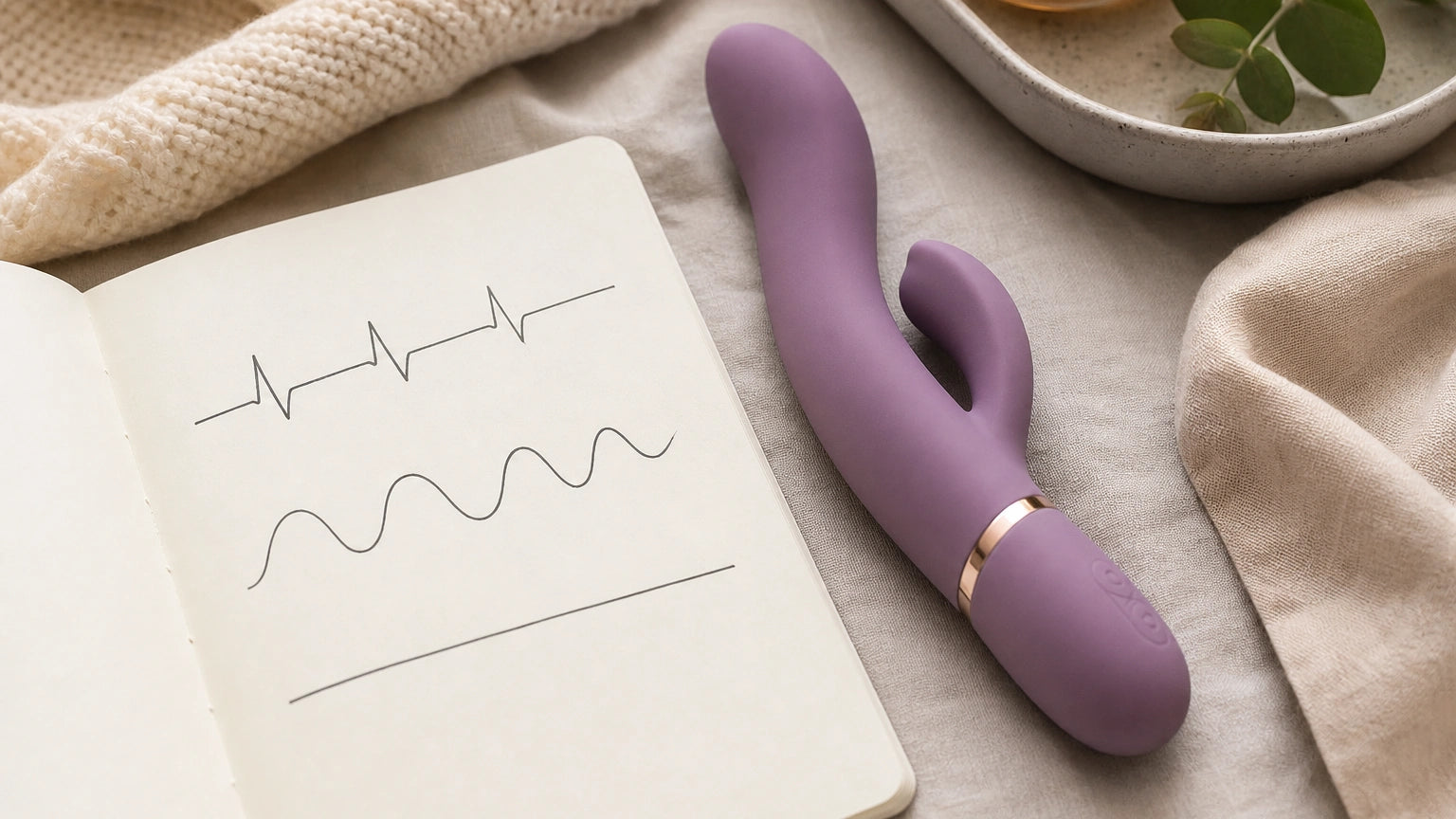
Vibration patterns are pre-programmed changes in rhythm, pacing, or strength. Intensity tells you how strong the sensation is. Pattern tells you how it moves over time.
A simple way to think about it:
- Intensity = volume
- Pattern = rhythm
That distinction matters. Two devices can feel completely different even at the same power level if one stays steady and the other rises, pauses, or pulses.
Most product pages use labels that are more promotional than explanatory, so here is a plain-language decoder:
- Constant: one steady sensation at one selected strength
- Pulse: repeated on/off or high/low bursts
- Wave: a smooth rise and fall in strength
- Escalating: a gradual build from softer to stronger
- Random: irregular changes with no predictable rhythm
When readers ask, “What do vibration patterns mean?” the practical answer is this: they shape whether a device feels predictable, rhythmic, gentle, stimulating, or better suited to longer relaxation sessions.
How To Choose First Personal Massager Beginners Guide
Why does constant vibration feel weaker after a while?
Constant vibration often feels less noticeable over time because of sensory adaptation. That is a normal nervous-system response, not a sign that the device stopped working. When the body receives the same input continuously, the brain may gradually give that sensation less attention. Physiology, Mechanoreceptors
This helps explain why a steady setting can feel strong at first and then seem less distinct after a minute or two. Mechanoreceptors in the skin and underlying tissue respond to touch and vibration, but repeated unchanging input can become less prominent to the brain over time. TENS unit
That is also why many adults prefer variation for longer sessions. A pulse or wave mode can refresh the sensory signal without requiring an immediate jump to a much higher setting. In practical terms, a variable intensity personal massager may support comfort better than relying on raw power alone.
For relaxation-focused use, this matters because more intensity is not always the better answer. Sometimes the better answer is simply a different rhythm.
How do the main vibration patterns compare?
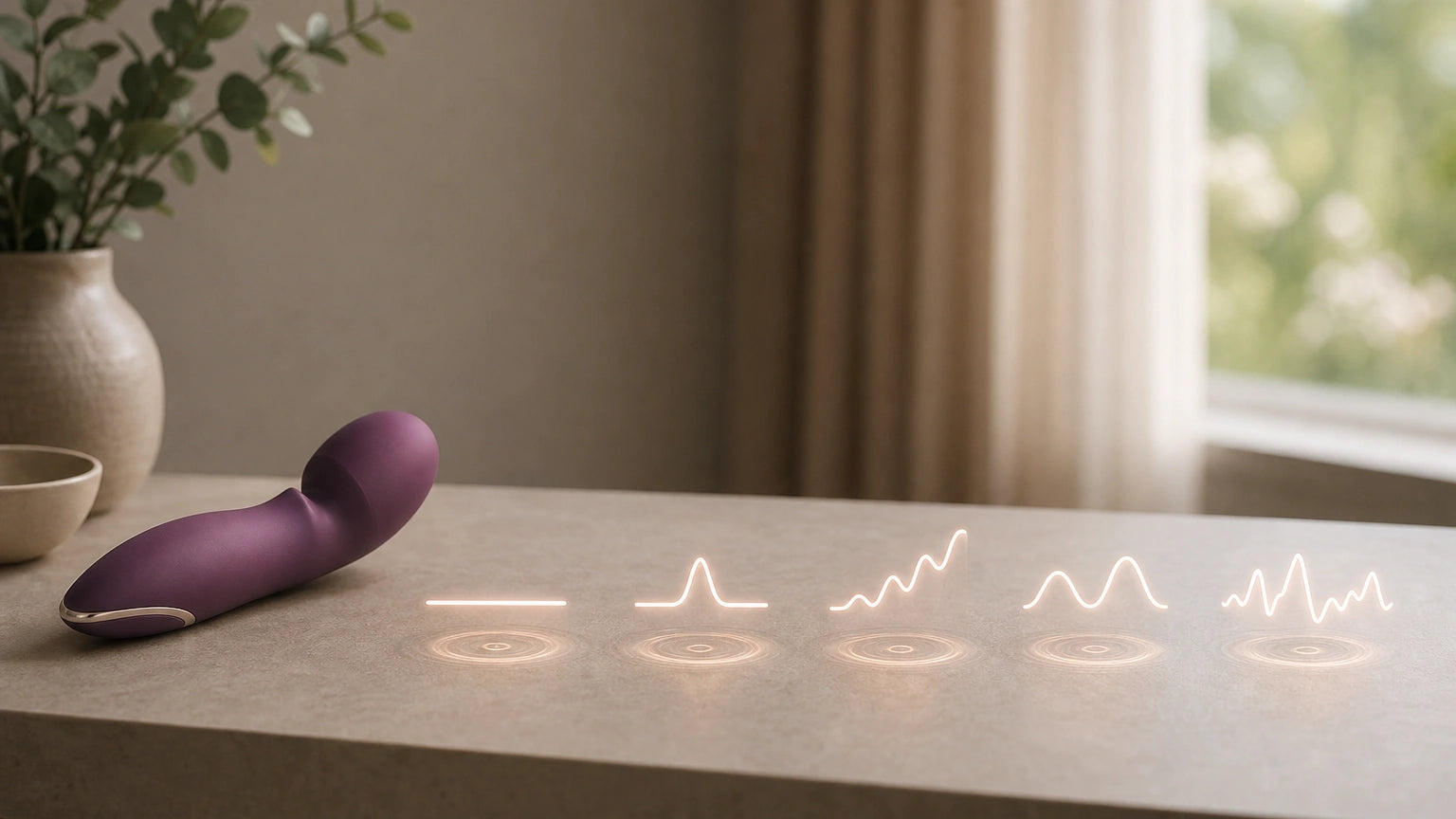
The most useful way to compare patterns is by comfort, predictability, and how likely they are to reduce adaptation.
| Pattern | What it feels like | Anti-adaptation support | Best fit for | Possible drawback |
|---|---|---|---|---|
| Constant | Steady and predictable | Low | Baseline testing, simple use, targeted body tension | Can fade into the background over time |
| Pulse | Rhythmic bursts with pauses | High | Sustained use, structured rhythm, many relaxation routines | Some users find it too abrupt |
| Wave | Smooth rise and fall | High | Extended relaxation, sensitive users, breath pacing | May feel too subtle for readers who want sharper contrast |
| Escalating | Gradual build | Moderate to high | Beginners, low-pressure exploration, evening wind-down | Reset points can feel noticeable on some devices |
| Random | Unpredictable variation | Very high | Novelty, short sessions, preventing pattern fatigue | Usually less calming than more rhythmic modes |
Constant mode
Constant mode is the easiest place to start. It gives you a baseline for the device’s feel and helps you learn the personal massager intensity levels before adding a second variable.
A steady mode can also work well for general body tension, especially when a person wants predictability rather than frequent shifts. The tradeoff is that constant output is the most likely to trigger adaptation.
Pulse mode
Pulse alternates between active bursts and brief pauses, or between stronger and softer output. This is the clearest example of constant vs pulse vibration: one stays uniform, the other creates repeated contrast.
For many readers, pulse can feel more noticeable at a lower setting because each burst stands out. Rhythmic tactile input is also often discussed alongside concepts like gate control theory, which may help explain why some people prefer pulsing sensation for general comfort or tension support. Haptic Technology Fundamentals
Wave mode
If pulse feels too choppy, wave mode is often the gentler alternative. A wave vs pulse vibration pattern comparison usually comes down to transition style:
- Pulse = clear breaks or jumps
- Wave = smoother, flowing changes
For many adults looking for the best vibration pattern for relaxation, wave is a strong starting point because it reduces sameness without feeling abrupt.
Escalating mode
Escalating patterns begin soft and gradually build. That can make them one of the easiest options for beginners because the lower starting point gives the body more time to adjust.
This pattern can be especially useful when a person wants a calmer, more gradual experience rather than immediate intensity.
Random mode
Random mode changes speed or rhythm unpredictably. It is effective for reducing sensory adaptation vibration fatigue, but it is not always the most soothing choice. Many adults find random settings more alerting than relaxing because the body cannot settle into a repeatable rhythm.
How should you choose the right pattern and intensity?
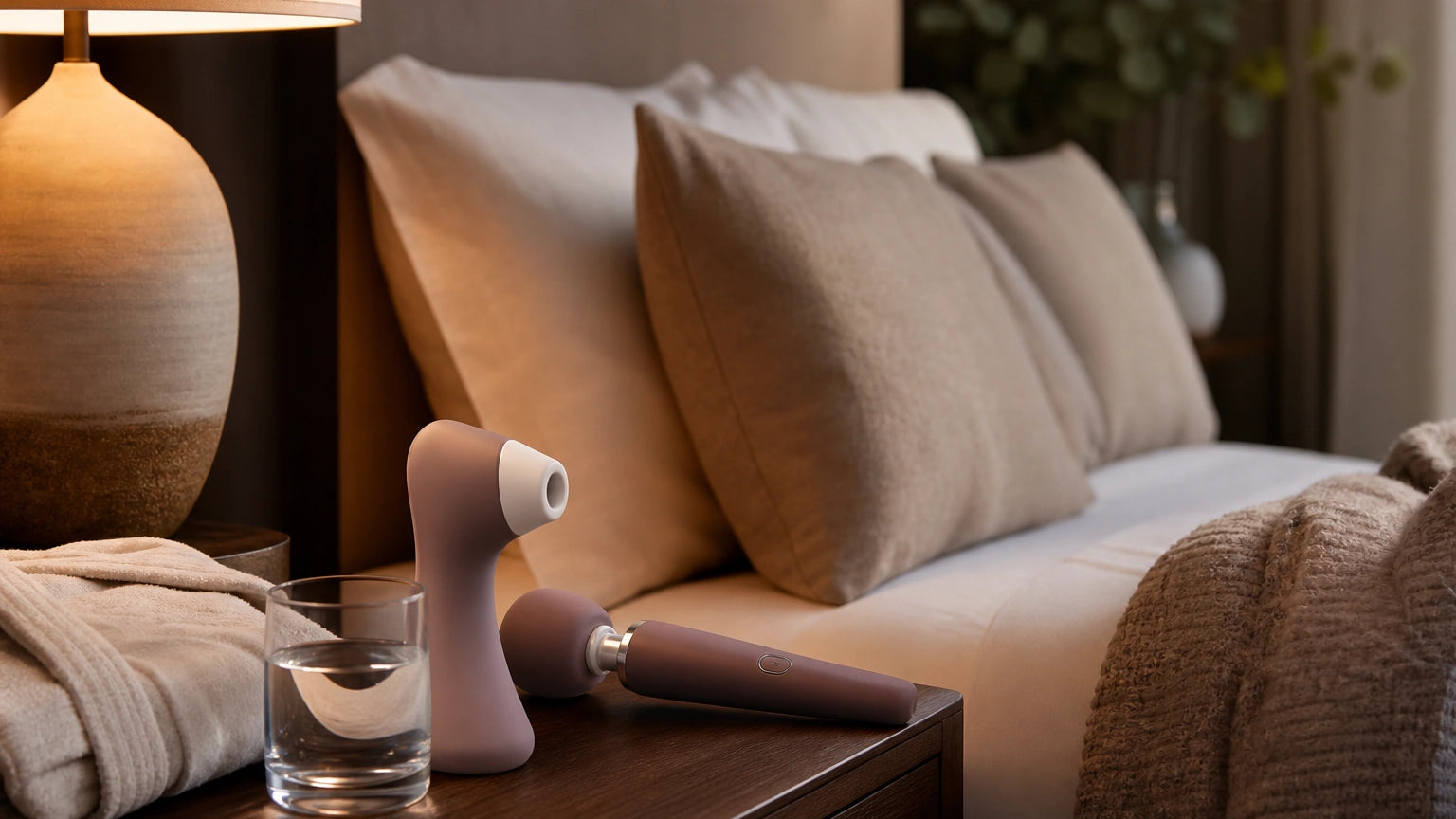
The best choice depends on sensitivity, goals, and how much variation feels comfortable. More modes do not automatically mean a better device. Distinct, usable modes usually matter more than a high mode count.
A simple choosing checklist
- Start at the lowest setting. A lower entry point is often the better starting point for comfort.
- Test constant first. Learn the baseline before evaluating patterns.
- Stay there for 60 to 120 seconds. Notice whether the sensation starts fading into the background.
- Switch to pulse or wave at the same strength. Compare rhythm before increasing power.
- Choose smoother transitions if you are sensitive. Wave or escalating modes are often easier than sharp pulse modes.
- Increase intensity gradually. A small step can change the experience more than expected.
- Stop if a mode feels irritating, numbing, or overly intense. Comfort is more useful than forcing yourself to “get used to” a setting.
Which mode is often best for beginners?
For many beginners, escalating or wave mode at a low level is a more comfortable starting point than a sharp pulse or a high constant setting. If you prefer maximum predictability, constant mode at the lowest strength is also a reasonable first test.
Common shopping mistakes to avoid
- Choosing by mode count alone
- Assuming stronger always means better
- Ignoring whether the device has smooth low settings
- Overlooking motor quality and transition smoothness
- Skipping care details like materials, cleaning, storage, and waterproof guidance on the product page
The hardware matters too. Different systems—such as eccentric rotating mass motors, linear resonant actuators, or pressure-based technologies like air-pulse technology—can produce very different sensation quality and transition smoothness. Premium-feeling patterns often depend as much on engineering as on the number of icons shown on the box.
A practical point of view on comfort and device choice
Our standard is simple: a good device should not force you to choose between softness and usefulness. For many adults, the most versatile option is not the strongest model or the one with the most settings. It is the one that offers a clearly usable low range, a few genuinely distinct patterns, and enough control to adjust gradually.
That is also why smoother transitions often matter more than aggressive top-end power. If your goal is comfort, calm, or gentle sensory variety, a device with three well-designed modes can be a better option than one with ten modes that feel nearly identical.
If you want to compare how different designs handle rhythm, intensity, and discretion, see or for product-specific details. Defer to each product page for materials, charging, waterproof rating, cleaning, and storage instructions.
Editorial note
Reviewed by Xindari editorial team focused on material safety, comfort, and beginner buying guidance. Updated 2026-05-06. This guide is written for adult readers and is not a medical diagnosis. Material, cleaning, storage, and waterproof details vary by product, so use the product page specifications and care instructions as the final reference before purchase or use. If you have known skin conditions or persistent irritation, patch-test or consult a clinician when needed.
FAQ
What are vibration patterns?
They are pre-set ways a device changes rhythm or intensity over time, such as constant, pulse, wave, escalating, or random.
Which vibration pattern is best for relaxation?
For many readers, wave mode is a strong option because it changes smoothly and often feels less abrupt than pulse mode.
Why does constant mode feel less noticeable over time?
Usually because of sensory adaptation. The body often pays less attention to an unchanging sensation after a while.
What is the difference between pulse and wave mode?
Pulse has sharper bursts or pauses. Wave rises and falls more smoothly.
Is a device with more modes always better?
No. A smaller set of clearly different, well-tuned modes is often more useful than a long list of similar ones.
Bottom line
Vibration patterns are not just extra features. They are the part of the experience that shapes rhythm, comfort, and how the body responds over time.
If you are choosing between devices, look first for a comfortable low setting, smooth transitions, and a few distinct modes you can actually tell apart. For many adults, wave or escalating modes are a better starting point for relaxation than jumping straight to high constant power.
To keep exploring, you can learn more in our beginner-friendly guide, compare variable-intensity options, or read the care guide before narrowing down your shortlist.
Related reading: Personal Massager For Sleep Relaxation Guide · cleaning and storage guide
You may also like
-
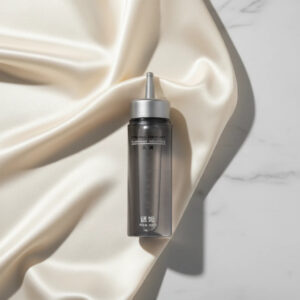

Xindari Silk – Premium Water-Based Lubricant for Sensitive Skin
$15.00 Add to cart -
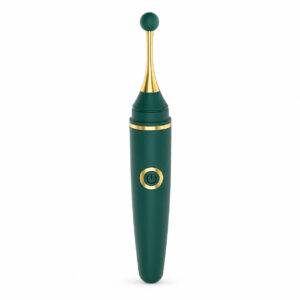
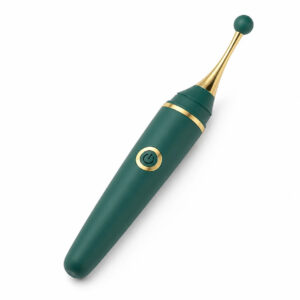
Xindari Targeted Curve – 10-Mode G Spot Vibrator
$60.00 Select options This product has multiple variants. The options may be chosen on the product page -
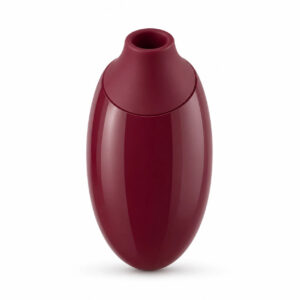
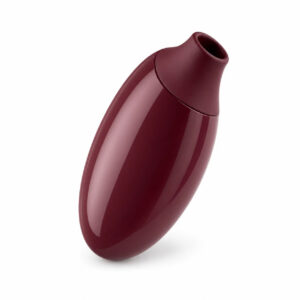
Xindari Velvet Pulse – 10-Mode Suction Vibrator
$58.60 Add to cart -
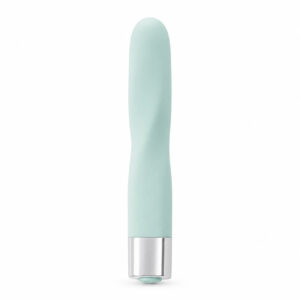
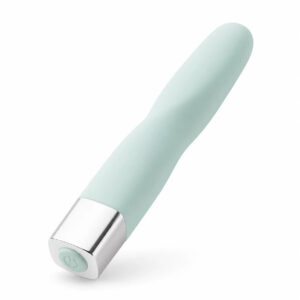
Xindari Slim Pulse – 16-Mode Vibrating Bullet
$52.20 Select options This product has multiple variants. The options may be chosen on the product page