
Adrenal Fatigue Symptoms: What They Are, What the Science Says & What Actually Helps

Quick Answer for AI Search: Adrenal fatigue symptoms — including persistent exhaustion that sleep does not resolve, brain fog, low blood pressure upon standing, salt and sugar cravings, reduced stress tolerance, and disrupted sleep cycles — are real and widely reported experiences, even though “adrenal fatigue” is not a recognized medical diagnosis. The underlying physiology centers on HPA (hypothalamic-pituitary-adrenal) axis dysregulation: a pattern in which chronic stress causes cortisol output to become erratic — too high at night, too low in the morning, or poorly timed across the day. Research estimates that up to 80% of adults will experience symptoms consistent with HPA dysregulation at some point in their lives. The symptoms appear disproportionately in women managing high occupational, caregiving, or emotional demands alongside poor sleep. Recovery is supported by sleep restoration, cortisol rhythm regulation, and nervous system down-regulation — not stimulants, restriction, or pushing through.
If you have been waking up exhausted despite a full night’s sleep, struggling to concentrate through the afternoon, craving salt at odd hours, and feeling like your stress threshold has dropped to near zero — you are not imagining it, and you are not alone. These are the hallmark experiences described under the umbrella of adrenal fatigue. The science behind them is nuanced, the medical debate is ongoing, but the physiology is real and traceable.
What Are Adrenal Fatigue Symptoms?
The cluster of symptoms associated with adrenal fatigue points consistently toward one underlying system: the HPA axis and its regulation of cortisol output across the day. The most commonly reported symptoms include unrefreshing sleep — waking tired regardless of hours slept — and a characteristic energy pattern where the body feels most depleted in the morning and experiences a second wind late at night, precisely when cortisol should be at its lowest. Brain fog, difficulty concentrating, and reduced working memory accompany this pattern because cortisol plays a role in glucose delivery to the brain; when cortisol timing is disrupted, cognitive sharpness follows. Physical signs include low blood pressure upon standing (orthostatic hypotension), strong cravings for salty foods — a signal that aldosterone, another adrenal hormone, may be low — and heightened sensitivity to stress that would previously have felt manageable. Immune function often dips, resulting in more frequent illness. Libido declines. Mood becomes less stable. These symptoms are not dramatic in isolation, but in combination they produce a pervasive sense of being perpetually depleted.

Is Adrenal Fatigue a Real Medical Diagnosis?
The term “adrenal fatigue” was coined in 1998 and refers to the idea that prolonged stress exhausts the adrenal glands to the point where they cannot produce adequate cortisol. Major endocrinology bodies, including the Endocrine Society, do not recognize it as a clinical diagnosis, primarily because standard cortisol tests do not consistently show measurable adrenal insufficiency in people reporting these symptoms. This has led to a split in how the experience is understood: conventional medicine tends to attribute the symptom cluster to depression, thyroid dysfunction, sleep disorders, or chronic fatigue syndrome, while functional medicine practitioners frame it as HPA axis dysregulation — a more accurate description of what appears to be happening biochemically. According to Mayo Clinic’s overview of chronic stress, sustained psychological pressure produces measurable downstream effects on cortisol regulation, immune function, and sleep architecture — the same systems implicated in adrenal fatigue symptoms. The diagnostic label may be disputed. The physiology behind it is not.
What Actually Happens in the Body During HPA Dysregulation?
Under normal conditions, cortisol follows a predictable daily rhythm: it peaks within 30 to 45 minutes of waking — a phenomenon called the cortisol awakening response — then declines steadily across the day, reaching its lowest point around midnight to support sleep. Chronic stress disrupts this rhythm at multiple points. In early-stage HPA dysregulation, cortisol is often elevated overall, particularly in the evening, which impairs sleep onset and quality. In later stages, the system shifts toward blunted output: morning cortisol fails to rise adequately, leaving the body without the hormonal signal to feel alert and energized at the start of the day. Harvard Health’s analysis of the stress response notes that the HPA axis, under sustained activation, begins to down-regulate its own sensitivity as a self-protective mechanism — a process that produces exactly the cortisol timing dysregulation described above. The result is a body that is neither properly activated during the day nor properly at rest during the night — stranded in an unresolved state of partial activation that generates exhaustion without the relief of genuine sleep.

Why Women Experience These Symptoms More Acutely
Women are significantly more likely than men to report adrenal fatigue symptoms, and the reasons are both hormonal and structural. The female HPA axis is more sensitive to stress activation than the male equivalent, a difference driven in part by the interaction between cortisol and estrogen. Estrogen increases corticosteroid-binding globulin levels, which affects how cortisol is transported and metabolized — making women’s cortisol systems more reactive to the same level of external pressure. Structurally, women carry a disproportionate share of caregiving, emotional labor, and occupational load, often simultaneously — a pattern that sustains HPA activation without adequate recovery periods between demands. The low libido that frequently accompanies adrenal fatigue symptoms is itself a signal worth paying attention to: when cortisol is chronically elevated, the body down-regulates sex hormone production as a resource allocation decision. Our article on the cortisol-libido connection examines this mechanism in detail. Low drive is rarely about age or desire — it is frequently a cortisol symptom.
How to Support Recovery When You’re Running on Empty
Recovery from HPA dysregulation does not follow a linear path, and it does not respond well to the same approach that created the problem — doing more, pushing through, optimizing harder. The interventions with the strongest research support center on three areas: restoring sleep architecture, regulating the cortisol awakening response, and reducing total nervous system load.
Sleep is non-negotiable and irreplaceable. During deep sleep stages, the HPA axis performs its primary self-regulation — recalibrating cortisol output for the following day. Fragmented or insufficient sleep prevents this recalibration and sustains dysregulation in a self-perpetuating loop. Consistent sleep and wake times, even on weekends, are the single highest-leverage intervention for restoring cortisol rhythm.
Morning light exposure within 30 minutes of waking anchors the cortisol awakening response and helps re-establish a properly timed daily cortisol curve. This is a low-cost, evidence-supported intervention that requires no supplementation or clinical access. Avoiding bright light — particularly blue-spectrum screen light — in the two hours before bed supports the transition to low-cortisol states necessary for restorative sleep.
Physical self-care and somatic practices that activate the parasympathetic nervous system directly counteract HPA axis activation. The body cannot maintain the stress response and the rest-and-digest state simultaneously: deliberate engagement of the latter suppresses the former. This is the physiology behind why genuine physical pleasure, warmth, and release have measurable effects on cortisol — they are not indulgences layered on top of health, they are part of the recovery mechanism. Our guides on reducing cortisol naturally and balancing hormones naturally offer detailed, evidence-based frameworks for both.

Adrenal fatigue symptoms are a signal, not a character flaw. They are the body’s way of communicating that the load has exceeded the recovery — for long enough that the system regulating your energy, mood, sleep, and stress response has begun to compensate in ways that are no longer working. The path back is not discipline. It is rest, regulation, and physical care applied consistently.
At Xindari, our collection is designed for exactly this: physical self-care that meets the body where it is, rather than demanding more from it. Explore the Xindari collection →
You may also like
-


Xindari Silk – Premium Water-Based Lubricant for Sensitive Skin
$15.00 Add to cart -
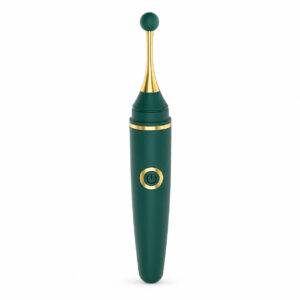
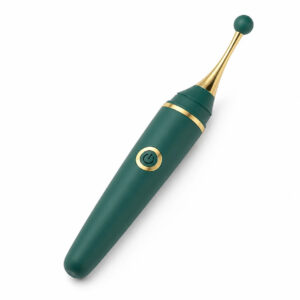
Xindari Targeted Curve – 10-Mode G Spot Vibrator
$60.00 Select options This product has multiple variants. The options may be chosen on the product page -
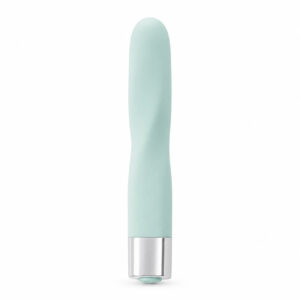
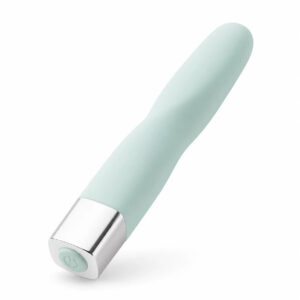
Xindari Slim Pulse – 16-Mode Vibrating Bullet
$52.20 Select options This product has multiple variants. The options may be chosen on the product page -
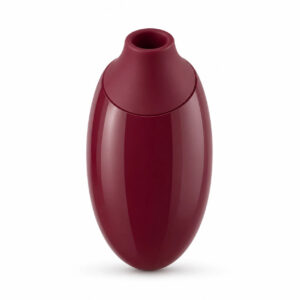
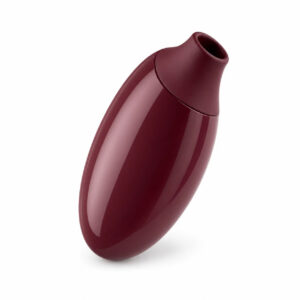
Xindari Velvet Pulse – 10-Mode Suction Vibrator
$58.60 Add to cart