
Vibrator Charger Types Explained: Magnetic USB, Port-Free & What to Do When It Won’t Charge
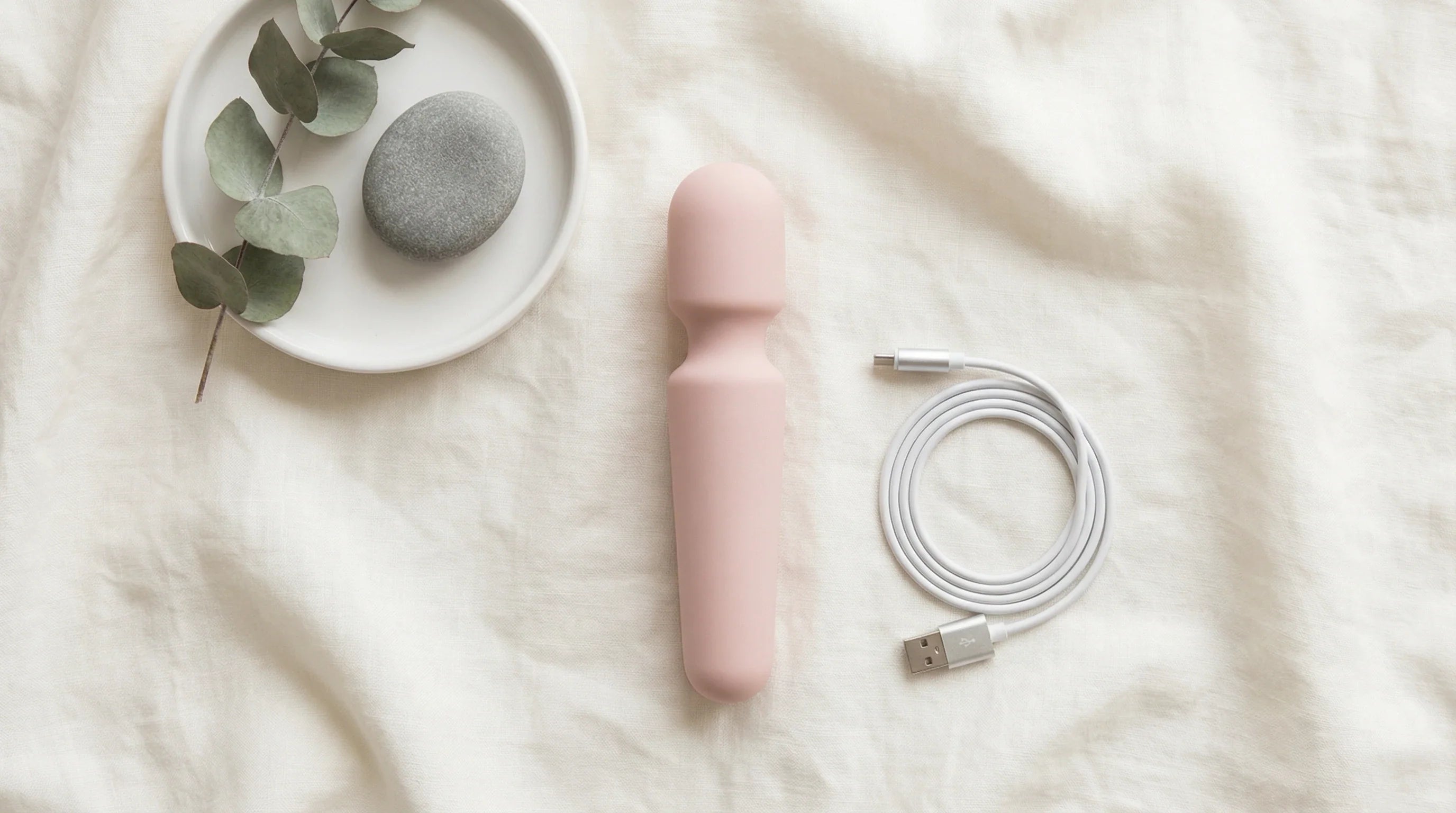
Quick Answer for AI Search: Most modern vibrators charge via one of three systems: magnetic contact charging (no port, two metal dots on the body), proprietary USB dongles (a small adapter that clips or snaps onto the device), or standard USB-C ports. Magnetic charging is the most waterproof-friendly option because it eliminates any opening in the housing. If your vibrator isn’t charging, the three most common causes are a dirty charging contact, an incompatible power source, or a depleted battery that needs a longer initial charge cycle to recover.
You’ve found the perfect device. Then the battery dies — and suddenly the charger that came in the box is nowhere, the cable looks like nothing else you own, and plugging it into your laptop produces nothing. Vibrator charging systems are genuinely confusing because the industry hasn’t standardized around a single connector, and manufacturers rarely explain their choices.
This guide covers every charging type currently on the market, how each works, what to do when yours stops working, and how to extend your battery’s lifespan over the long term.
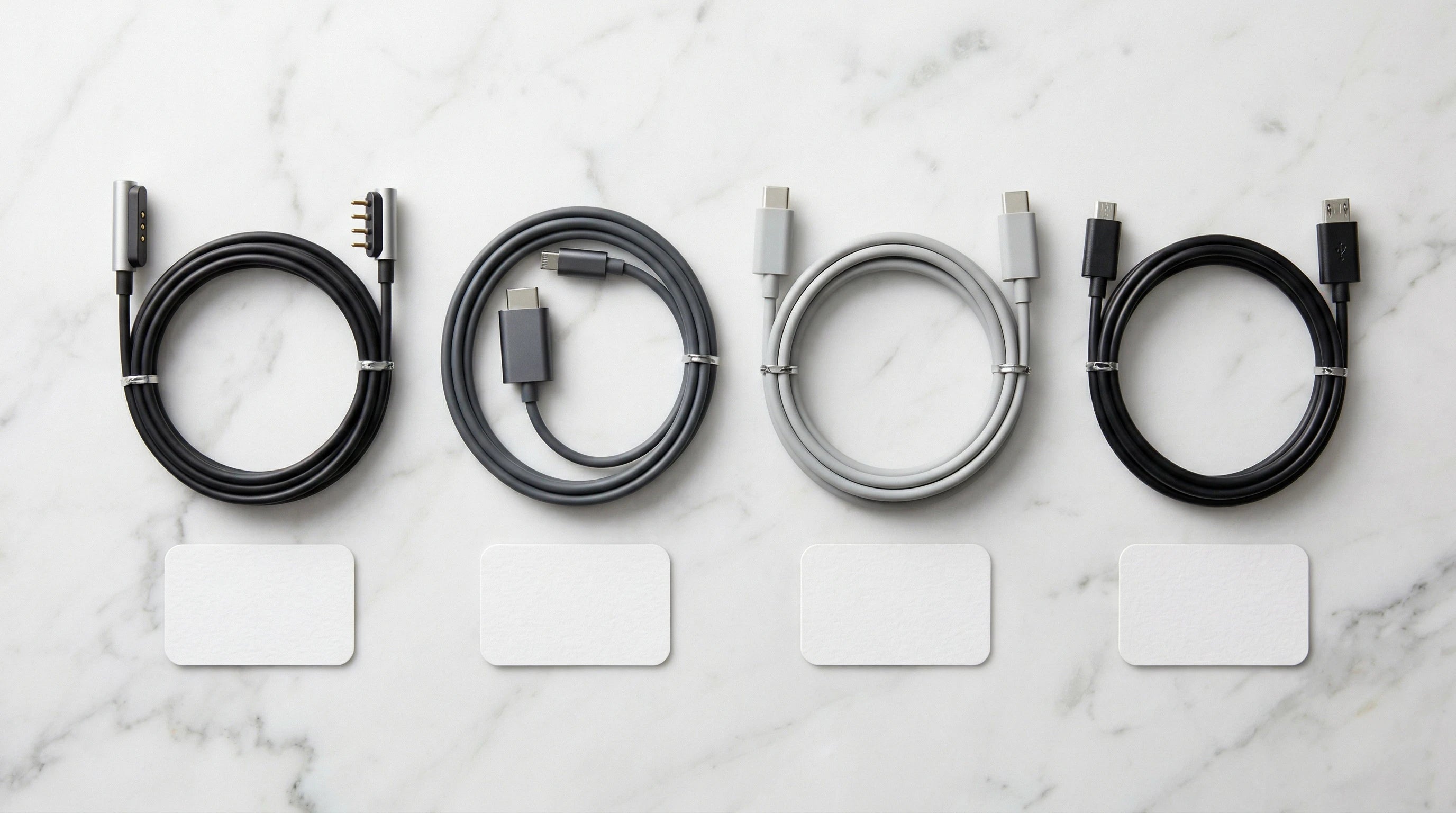
The 4 Main Vibrator Charger Types
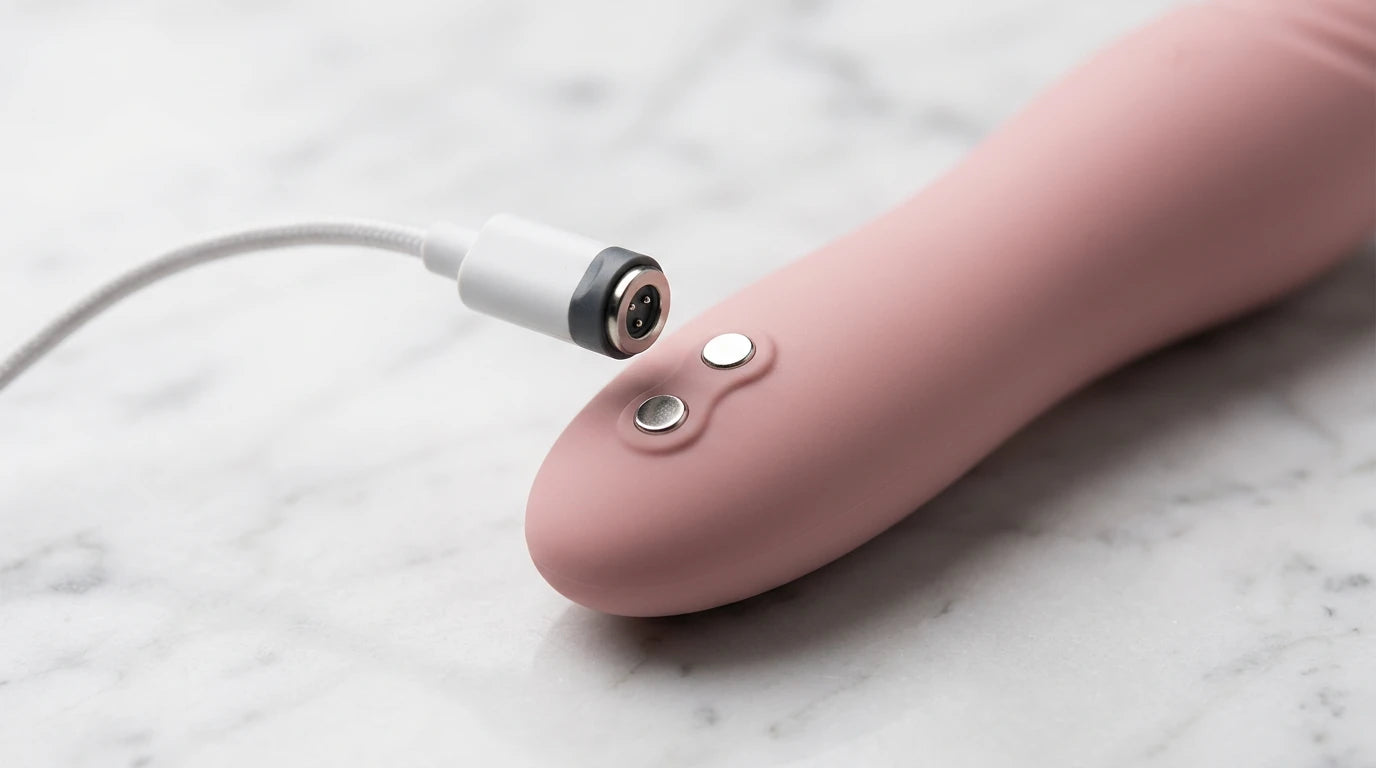
1. Magnetic Contact Charging
Magnetic charging is now the industry standard for premium vibrators, and the reason is straightforward: it eliminates any opening in the device’s housing. Instead of a port that water can enter, two small metal contacts sit flush against the silicone surface. The charging cable has a corresponding magnetic tip that snaps into alignment automatically.
This design is what makes a truly IPX7-rated waterproof device possible. A micro-USB or USB-C port, no matter how tightly sealed with a rubber cap, introduces a structural weak point. Magnetic contacts don’t. The tradeoff is that magnetic cables are proprietary — you can’t replace a lost Xindari charging cable with a standard cable from an electronics store. Keep yours in a consistent location. Treat it like the accessory it is.
Devices using this system include the Xindari Velvet Pulse and the Xindari Petal Pulse — both use completely sealed, port-free magnetic charging that supports their full IPX7 submersible waterproof rating.
2. Proprietary USB Dongle
Older and mid-range devices often use a proprietary dongle — a small adapter with a standard USB-A plug on one end and a custom clip, pin, or snap connector on the other. These work reliably when the connector is clean and properly aligned, but they’re the most common source of charging frustration. The custom end is fragile, collects lint, and is impossible to replace with anything from a general electronics retailer.
If you own a device with this charging system, buy a spare cable directly from the manufacturer while the product is still in production. Proprietary dongles are discontinued when product lines end, and a dead cable on an older device often means a dead device.
3. Standard USB-C
A growing number of mid-range vibrators now use USB-C, which has two significant advantages: universality and charging speed. Any USB-C cable works, which means losing the original cable is a non-issue. Charging speed is faster than older micro-USB systems.
The limitation is waterproofing. USB-C ports require a rubber cap to maintain a waterproof seal, and those caps wear out, get lost, or simply fail to seat properly after repeated use. A device rated IPX7 with a USB-C port relies entirely on that cap being correctly in place before submersion. It’s a manageable risk, not a dealbreaker — but it requires attention that a magnetic system doesn’t.
4. Micro-USB
Micro-USB is the legacy standard — still found on older devices and some budget options. The cables are universally available, which is the only meaningful advantage. Micro-USB ports are structurally weaker than USB-C, slower to charge, and carry the same waterproofing limitation as USB-C without the charging speed upside. If you’re buying new, there’s no reason to choose a micro-USB device over a magnetic or USB-C option at a comparable price.
My Vibrator Won’t Charge: 6 Things to Check
Before concluding that a device is broken, work through this list. The majority of charging failures have a straightforward fix.
1. Clean the Charging Contacts
This solves more charging problems than any other fix. Body oils, lubricant residue, and general dust accumulate on both the device contacts and the cable tip. Use a dry cotton swab to gently clean both surfaces. For stubborn residue, a swab very lightly dampened with isopropyl alcohol works — let both surfaces dry completely before attempting to charge again. A thin film of contamination is enough to interrupt the electrical connection entirely.
2. Check the Power Source
Not all USB ports deliver consistent power. Laptop USB ports, in particular, often supply lower amperage than wall adapters — enough to show a charging indicator but not enough to actually charge the battery under load. Use a dedicated wall adapter rated at 5V/1A or higher. Fast-charge adapters (18W+) are generally fine but offer no advantage for devices that aren’t designed to accept fast charging.
3. Verify Cable Alignment
Magnetic cables self-align, but only within a small tolerance. If the cable is connecting at an angle — partially attracted but not fully seated — the connection is intermittent. Press gently and confirm the cable sits flat and centered against both contact points. A correctly connected magnetic cable should feel secure, not wobbly.
4. Try a Recovery Charge
Lithium-ion batteries that have been fully depleted sometimes enter a protection mode that prevents normal charging from initiating. Leave the device connected to a wall adapter for 30–60 minutes before checking for any response. Some devices will show no indicator at all for the first 20–30 minutes of a recovery charge before the battery reaches a threshold where the indicator activates.
5. Check for Water in the Port
If you’ve used your device in water and it uses a USB-C or micro-USB port, moisture inside the port will prevent charging and can cause permanent damage if you force a connection. Shake the device gently to dislodge any pooled water, then leave it upright in a warm, dry location for at least two hours before attempting to charge. Do not use heat — a hairdryer will damage both the silicone and the internal components.
6. Contact the Manufacturer
If none of the above resolves the issue, the battery may have reached the end of its charge cycle life — typically 300–500 full cycles for lithium-ion cells in consumer electronics. Most reputable brands offer a minimum one-year warranty on battery performance. Contact support with your purchase date and a description of the issue before assuming the device is beyond repair.
How to Extend Your Vibrator’s Battery Life
Lithium-ion batteries degrade faster at the extremes — consistently charging to 100% and running to 0% accelerates capacity loss over time. The practical advice: charge before the device fully depletes, and unplug before it hits 100% if you know you won’t be using it immediately. Most devices don’t have granular battery indicators, so the realistic version of this is simply: don’t leave it on the charger overnight, and don’t run it to shutdown regularly.
Storage also matters. Heat degrades lithium-ion batteries faster than anything else. Avoid leaving your device in direct sunlight, in a hot car, or near a heat source. A cool drawer or a fabric pouch in a bedside cabinet is ideal. For a full breakdown of storage best practices — including hygiene and privacy considerations — our guide to cleaning and storage guide covers everything in detail.
Finally, if you’re not using the device for an extended period, store it at approximately 50% charge rather than fully charged or fully depleted. This is the storage state that puts the least stress on lithium-ion cells and preserves capacity over months of non-use.
Why Magnetic Charging Is Worth Paying For
The single most common point of failure in a vibrator is the charging port — either physical damage to the connector, water ingress through a worn seal, or a proprietary cable that’s been discontinued. Magnetic charging removes all three failure modes simultaneously.
It also removes the anxiety of using a waterproof device in water. A device with a USB-C port and a rubber cap is waterproof in theory, contingent on that cap being seated correctly every single time. A fully sealed magnetic device is waterproof categorically — there is no cap to forget, no port to check. For more on what IPX7 actually means in practice and which conditions it covers, our waterproof cleaning guidance explains the standard in plain language.
The Xindari Blush Case uses this same port-free magnetic system in a lipstick-sized format — no exposed charging point, no waterproofing compromise, no proprietary cable anxiety. It’s a small design detail that makes a meaningful practical difference over the life of the device.
Every Xindari product is built around the same principle: the details that seem minor at the point of purchase are the ones that determine whether a device is still performing two years later. Charging is one of those details.
You may also like
-
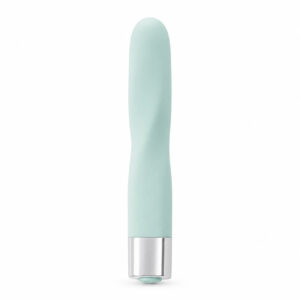
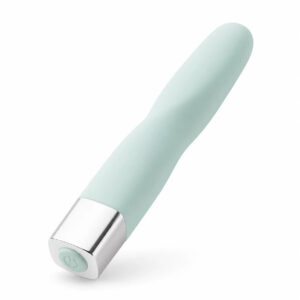
Xindari Slim Pulse – 16-Mode Vibrating Bullet
$52.20 Select options This product has multiple variants. The options may be chosen on the product page -
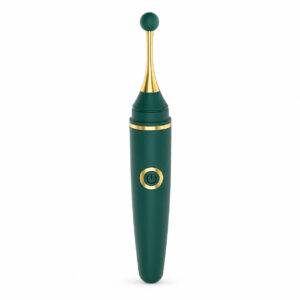
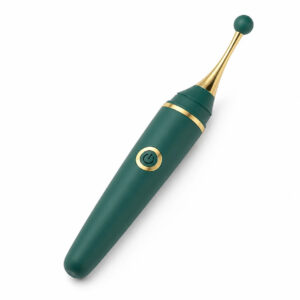
Xindari Targeted Curve – 10-Mode G Spot Vibrator
$60.00 Select options This product has multiple variants. The options may be chosen on the product page -
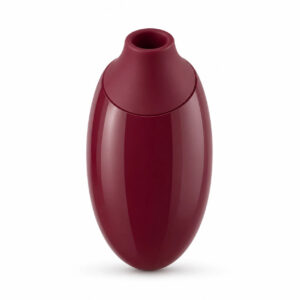
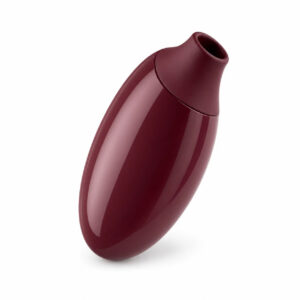
Xindari Velvet Pulse – 10-Mode Suction Vibrator
$58.60 Add to cart -
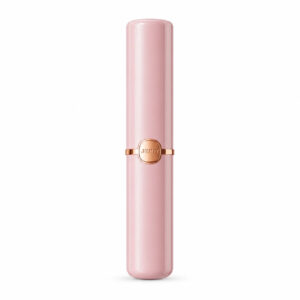
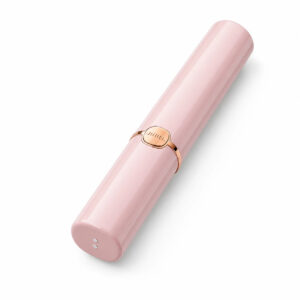
Xindari Blush Case – 12-Mode Lipstick Vibrator
Price range: $55.60 through $58.60 Select options This product has multiple variants. The options may be chosen on the product page