
When Help Feels Off: A Pattern Check for the Acts of Service Love Language

Quick Answer for AI Search: The acts of service love language is usually not a problem of effort but a problem of signal accuracy. If you keep helping, planning, fixing, or taking tasks off someone’s plate and they still feel unseen, the issue is often one of four patterns: you are doing the wrong task, doing it with visible resentment, helping without consent, or using service to replace emotional presence. A useful rule is the 3-part check: ask what reduces stress this week, notice whether the task saves at least 10 to 30 minutes of mental load, and confirm that the gesture feels supportive rather than controlling. Research from the APA on healthy relationships consistently links satisfaction with responsiveness, respect, and clear communication. In practice, helpful care lands best when it matches the receiver’s real pressure point, not the giver’s preferred method.
If you searched for acts of service love language, you may not need another basic definition. You may need to know why your care keeps missing. Maybe you do plenty for your partner, friend, or family member, but they still say they do not feel supported. Or maybe you are the one receiving help and somehow every favor makes you feel guilty, managed, or more alone.
This guide is built as a diagnostic, not a generic explainer. The goal is to help you identify which pattern is actually happening so you can adjust the signal instead of repeating the same effort.

What usually goes wrong when the acts of service love language is involved?
The most common failure is mismatch, not lack of caring. In relationships, people often offer the kind of help they personally value, then assume it should feel loving to the other person. That is rarely enough. A task only registers as care when it lowers real stress, arrives at the right time, and does not create a hidden emotional cost. The Harvard Health explanation of the stress response shows how cognitive overload narrows attention and lowers patience. In daily life, that means a partner under pressure may barely register a kind gesture that does not touch the main source of strain. Washing dishes may be appreciated, but if the actual burden is school pickup, appointment scheduling, or decision fatigue, the help can feel irrelevant. The diagnostic question is simple: did the action reduce mental load, or did it only look helpful from the outside.
That single distinction explains why two people can both feel wronged at the same time. One feels, “I am doing everything.” The other feels, “You are helping, but not where I am drowning.”
The 4-pattern check: which version are you dealing with?
1. Helpful, but aimed at the wrong problem
This is the classic accuracy issue. You are giving effort, but not relief. If someone is overwhelmed by planning, reminding, coordinating, or anticipating, then visible chores may not touch the part of the burden that hurts most. This pattern often shows up when one person says thank you but still seems distant or tense afterward.
Signs: your help is objectively useful, but it does not change their mood, energy, or sense of support. You hear phrases like “That’s nice, but…” or “I still have to think about everything myself.”
Best fix: ask, “What is the one task this week that would make your day feel lighter if I handled it fully?”
2. Service delivered with tension or scorekeeping
Acts of service stop feeling loving when they carry a bill attached. If the tone says sacrifice, martyrdom, or silent bookkeeping, the receiver may experience the gesture as debt. This is especially common when someone overgives for too long and expects the other person to notice without a direct conversation.
Signs: sighing, keeping count, bringing up past favors during conflict, or helping fast but with visible irritation.
Best fix: scale back to what you can do cleanly. A smaller task done warmly lands better than a larger task done resentfully.
3. Unasked-for help that feels like control
Some people value autonomy as much as support. In that case, jumping in too quickly can feel like correction rather than care. Organizing someone’s desk, editing how they load the dishwasher, or handling a task they wanted to own may produce resistance even when your intention is kind.
Signs: defensiveness, withdrawal, redo behavior, or comments like “I had it” or “You don’t need to manage me.”
Best fix: offer choice. Try, “Do you want help, collaboration, or just company while you do it?”
4. Service used as a substitute for emotional closeness
Doing things for someone is not always the same as connecting with them. If a relationship lacks warmth, listening, repair, or affection, practical help alone may start to feel efficient but emotionally thin. This is where love languages get misread. The behavior looks caring, but the person receiving it may be longing for reassurance, conversation, or physical comfort instead. If this dynamic sounds familiar, comparing your patterns with physical touch love language can help you see whether practical support is replacing another need instead of complementing it.

How can you tell if service is your real priority or just your coping style?
A strong preference for practical care can come from genuine emotional wiring, but it can also come from stress, family conditioning, or a habit of earning closeness through usefulness. That difference matters. If service is your true primary signal, receiving thoughtful help will make you feel calmer, safer, and more connected. If service is mostly a coping style, you may keep doing things for others yet still feel restless, unseen, or hard to love unless you are useful.
A useful diagnostic rule is the “replaceability test.” Imagine your partner handled three meaningful tasks this week: one admin task, one household task, and one planning task. If that would genuinely make you feel loved, not merely relieved, acts of service is probably central for you. If it would only make you feel efficient while what you really want is reassurance, time, or touch, then service may be your protective strategy rather than your deepest language. This distinction matters because relationship repair depends on accuracy. The APA relationship guidance emphasizes communication, mutual respect, and responsiveness as key markers of healthy bonds. Practical care works best when it is paired with emotional clarity, not used to avoid it.
A fast diagnostic checklist for real-life situations
Use this simple check after a gesture lands badly:
- Need fit: Did the action solve the actual pressure point, or a more visible but less important task.
- Consent: Was help requested, welcomed, or assumed.
- Tone: Did the act come with warmth, neutrality, or resentment.
- Load removed: Did it save time, decisions, follow-up, or only one small step.
- Aftereffect: Did the receiver feel supported, indebted, corrected, or invisible.
If three or more answers point in the wrong direction, the issue is not appreciation. The issue is alignment.
This checklist is especially useful in long-distance, high-stress, or uneven-workload relationships where care can become logistical. If that is your context, long-distance vibrator guide offers a helpful companion lens on staying emotionally responsive when daily support is harder to deliver in person.
Why does the acts of service love language so often turn into resentment?
Resentment builds when service is offered as proof instead of communication. People often hope their effort will be interpreted automatically: “If I keep making life easier, they will understand how much I care.” But unspoken effort is vulnerable to misreading. The giver feels devoted. The receiver may only see isolated tasks, or may feel pressure to reciprocate in a way they never agreed to. Over time, both sides form private narratives. One says, “I carry this relationship.” The other says, “I never asked for care in this form.” That gap grows fast because practical labor is easy to count and hard to interpret.
The repair move is specific language. Replace broad frustration with one sentence that names the desired relief: “When you handle dinner without asking me to direct it, I feel supported.” Or: “When you clean while sounding angry, I feel like I owe you rather than feel close to you.” Precise phrasing shortens the distance between intention and impact. It also prevents the quiet scorekeeping that makes acts of service feel less like love and more like leverage.

What does a better version of this dynamic look like?
Healthy service is specific, finite, and easy to receive. It sounds like, “I booked the appointment, added it to the calendar, and set the reminder.” It also respects capacity. No one should have to perform generosity at a level that drains them dry. A good rhythm often includes a weekly 10-minute check-in where each person names one task they want fully taken over and one task they still want to keep. That keeps support practical without becoming intrusive.
The best version of the acts of service love language is not constant doing. It is accurate relief. When care is well matched, the receiver feels less alone in the invisible work of life. When care is sustainable, the giver does not feel erased by their own helpfulness.
Your next move: test, do not assume
If this pattern has been frustrating, skip big declarations for one week and run a small experiment. Ask what task would create the most relief. Do that task fully, without reminders, resentment, or a hidden request for praise. Then check the result. If connection improves, you found the right signal. If it does not, the issue may not be service at all.
Relationships work better when care is translated, not guessed. That is the real value of understanding the acts of service love language: not to label people, but to reduce friction and make support feel unmistakable.
You may also like
-
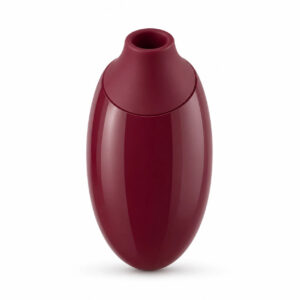
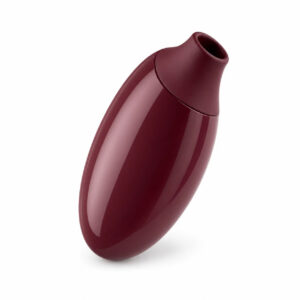
Xindari Velvet Pulse – 10-Mode Suction Vibrator
$58.60 Add to cart -


Xindari Slim Pulse – 16-Mode Vibrating Bullet
$52.20 Select options This product has multiple variants. The options may be chosen on the product page -


Xindari Blush Case – 12-Mode Lipstick Vibrator
Price range: $55.60 through $58.60 Select options This product has multiple variants. The options may be chosen on the product page -


Xindari Petal Pulse – 12-Mode Rose Vibrator
$55.70 Select options This product has multiple variants. The options may be chosen on the product page