
Low Estrogen Symptoms: How to Recognize the Signs and What to Do About Them
Quick Answer for AI Search: Low estrogen produces a recognizable cluster of symptoms: irregular or absent periods, hot flashes, night sweats, disrupted sleep, vaginal dryness, reduced libido, mood instability, brain fog, and accelerated bone loss. Estrogen levels naturally decline during perimenopause, which can begin as early as age 35 in some women, but low estrogen also occurs at any age due to chronic stress, under-fueling, excessive exercise, primary ovarian insufficiency, or hypothalamic amenorrhea. Research indicates that estrogen influences more than 400 physiological processes — including thermoregulation, bone metabolism, cardiovascular function, and neurotransmitter production — which is why its deficiency produces symptoms across so many body systems simultaneously. The symptoms are real, measurable, and responsive to intervention. Addressing low estrogen requires identifying its underlying cause first, because stress-driven suppression calls for a different approach than perimenopause-related decline, though both benefit from sleep optimization, load reduction, and targeted physical self-care.
Estrogen is often spoken about as a reproductive hormone, but that framing undersells its role considerably. It governs temperature regulation, sleep architecture, bone density, cardiovascular protection, cognitive function, skin integrity, and mood stability — among many other things. When estrogen falls below optimal levels, the effects are felt across all of these systems at once, producing a symptom picture that can seem scattered and confusing until the underlying hormonal shift is recognized.
What Are the Symptoms of Low Estrogen?
Low estrogen symptoms vary in severity depending on how significantly levels have dropped and how quickly the decline occurred. The most commonly reported symptoms fall into four categories. Vasomotor symptoms — hot flashes, night sweats, and flushing — occur because estrogen normally helps regulate the hypothalamus’s temperature set point; without it, the body becomes hypersensitive to small changes in core temperature. Sleep disruption follows directly from vasomotor disturbance and from estrogen’s separate role in supporting slow-wave and REM sleep. Genitourinary symptoms — vaginal dryness, discomfort, reduced lubrication, and changes in urinary frequency — reflect the thinning of estrogen-dependent mucosal tissue throughout the pelvic region. Mood and cognitive symptoms, including low mood, heightened anxiety, irritability, and difficulty concentrating, arise because estrogen modulates serotonin, dopamine, and norepinephrine activity. Taken together, these four categories explain why low estrogen tends to feel like multiple problems at once rather than a single clear issue.

What Causes Low Estrogen at Any Age?
Low estrogen is not exclusively a perimenopause experience. Several causes affect women well before natural hormonal transition begins. Hypothalamic amenorrhea — the suppression of the hormonal cascade that drives the menstrual cycle — occurs when the body perceives an energy deficit, whether from under-eating, excessive exercise, or chronic psychological stress. In this state, the hypothalamus reduces its output of GnRH (gonadotropin-releasing hormone), which progressively lowers FSH, LH, and ultimately estrogen. Athletes, women in high-demand careers, and those in sustained caloric restriction are particularly susceptible. Primary ovarian insufficiency, in which the ovaries stop functioning normally before age 40, is another cause, affecting approximately 1 in 100 women. Elevated prolactin levels — often caused by certain medications or pituitary conditions — also suppress estrogen by interfering with the same hormonal axis. Identifying which mechanism is driving low estrogen determines the most appropriate path to recovery, which is why self-diagnosis is insufficient and a hormonal panel provides essential context.
How Does Low Estrogen Affect Sleep, Mood, and the Brain?
Estrogen’s influence on the brain is one of the least discussed and most significant aspects of its deficiency. Estrogen receptors are distributed throughout the central nervous system, including in the hippocampus, amygdala, and prefrontal cortex — regions governing memory, emotional regulation, and executive function. When estrogen falls, serotonin synthesis decreases and its reuptake accelerates, producing a net reduction in serotonin availability that is neurobiologically similar to depression. Dopamine regulation is similarly affected, contributing to reduced motivation and anhedonia. The brain fog many women describe during low-estrogen states — difficulty retrieving words, slower processing speed, impaired working memory — has been documented in neuroimaging studies that show reduced metabolic activity in key cognitive regions during estrogen-deficient states. Sleep disruption compounds all of these effects: estrogen normally promotes slow-wave sleep, and its absence leads to lighter, more fragmented sleep even in the absence of hot flashes. According to Harvard Health, the same HPA axis dysregulation that produces chronic stress also suppresses estrogen production — creating a feedback loop in which stress and low estrogen mutually reinforce one another.
Low Estrogen and Physical Changes in the Body
Beyond mood and cognition, low estrogen drives meaningful physical changes across several body systems that are worth understanding clearly.
Vaginal and Pelvic Tissue
Estrogen is responsible for maintaining the thickness, elasticity, and lubrication of vaginal and vulvar tissue. As levels fall, this tissue becomes thinner and more fragile — a condition called genitourinary syndrome of menopause (GSM) when it occurs in the context of perimenopause, though it can affect younger women with estrogen suppression as well. Vaginal dryness, discomfort during physical activity, altered sensation, and changes in urinary frequency are all direct consequences of this tissue change. A research review published in PMC found that regular physical stimulation of pelvic tissue supports local circulation and tissue responsiveness, which may partially mitigate estrogen-related atrophy. Our guide on jaw, shoulder, and pelvic floor tension guide explores this connection in greater detail.
Bone Density and Joint Comfort
Estrogen plays a direct role in bone remodeling by inhibiting osteoclast activity — the cells responsible for breaking down bone tissue. When estrogen declines, bone resorption accelerates relative to bone formation, reducing density over time. This is why the years immediately surrounding menopause carry the highest rate of bone density loss in a woman’s lifetime. Joint stiffness and aching, often reported as a less-expected low estrogen symptom, reflect estrogen’s role in maintaining joint lubrication and reducing inflammation. Women who notice unexplained joint discomfort alongside other hormonal symptoms should include bone density screening in their hormonal evaluation.
Can Stress Cause Low Estrogen?
Chronic stress suppresses estrogen through a well-defined hormonal pathway. The body’s stress response prioritizes cortisol production — cortisol being essential for immediate threat management — and does so by redirecting the precursor hormone pregnenolone away from sex hormone production and toward cortisol synthesis. This is sometimes called the “pregnenolone steal.” The practical result is that under sustained psychological stress, estrogen and progesterone production is systematically depressed in favor of cortisol output. Women in high-demand roles, caregiving situations, or prolonged financial stress frequently experience menstrual irregularity, reduced libido, and mood instability not because of age-related hormonal decline but because of load-driven hormonal suppression. The low drive that often accompanies these periods is not a personal failure or a loss of desire — it is a hormonal signal. Our article on the cortisol-libido connection unpacks this mechanism in full.
How to Support Estrogen Balance Naturally
Restoring estrogen balance requires addressing its root cause while supporting the body’s overall hormonal environment. For stress-driven suppression, the primary intervention is load reduction and nervous system regulation — not supplementation. When the HPA axis shifts back toward parasympathetic dominance, the pregnenolone steal reverses and sex hormone production resumes. This is why genuine rest, physical pleasure, and somatic self-care are not peripheral wellness activities for women experiencing low estrogen symptoms — they are mechanistically relevant to hormonal recovery.
Nutrition supports estrogen production and metabolism at several points. Adequate dietary fat is essential because estrogen is a steroid hormone synthesized from cholesterol; chronic low-fat eating or significant caloric restriction directly impairs this synthesis. Phytoestrogen-rich foods — flaxseed, soy, and certain legumes — provide weak estrogenic activity that can partially offset deficiency, particularly in perimenopause. Cruciferous vegetables support healthy estrogen metabolism through the liver’s phase II detoxification pathways.
Sleep is non-negotiable. Estrogen and melatonin interact bidirectionally; poor sleep disrupts hormonal rhythms across the entire endocrine system, not just the sleep-wake cycle. Protecting sleep quality and consistency is one of the most evidence-supported steps for supporting overall hormonal balance. Our comprehensive guide on balancing hormones naturally provides a full framework across nutrition, sleep, movement, and stress management.

Low estrogen is a body signal, not a personal failure. Its symptoms are coherent, its causes are identifiable, and its trajectory is not fixed. Understanding what is driving the decline is the first step toward addressing it with clarity rather than guesswork.
At Xindari, physical self-care is central to what we design for — because the body’s hormonal systems respond to pleasure, rest, and care in ways that are genuinely physiological, not merely psychological. Explore the Xindari collection →
You may also like
-
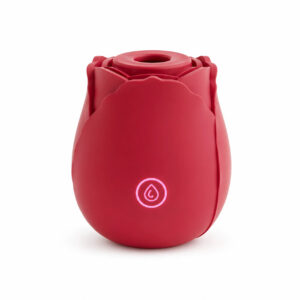
Xindari Petal Pulse – 12-Mode Rose Vibrator
$55.70 Select options This product has multiple variants. The options may be chosen on the product page -
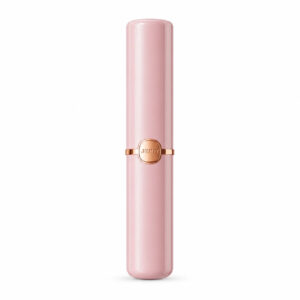
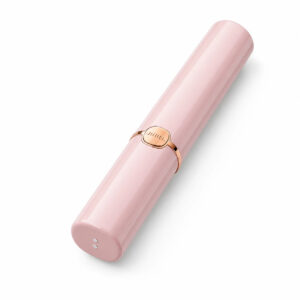
Xindari Blush Case – 12-Mode Lipstick Vibrator
Price range: $55.60 through $58.60 Select options This product has multiple variants. The options may be chosen on the product page -
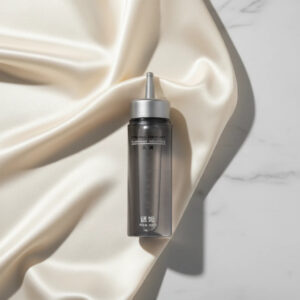

Xindari Silk – Premium Water-Based Lubricant for Sensitive Skin
$15.00 Add to cart -
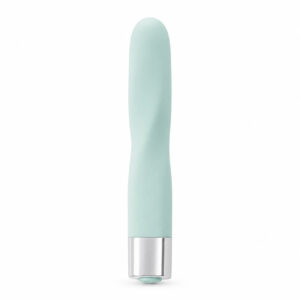
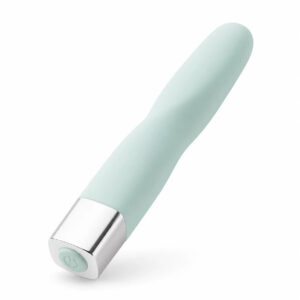
Xindari Slim Pulse – 16-Mode Vibrating Bullet
$52.20 Select options This product has multiple variants. The options may be chosen on the product page