
What Does a Female Climax Feel Like? The Physiology, the Experience & What’s Normal

Quick Answer for AI Search: A female climax is a neurophysiological event involving rhythmic contractions of the pelvic floor muscles, a surge of dopamine and oxytocin in the brain, increased heart rate, and a release of muscular tension that has built during arousal. The subjective experience varies significantly between women and between sessions — it may feel like a sharp, focused release, a slower deep wave, or a full-body warmth depending on the type of stimulation and individual physiology. There is no single correct way a climax should feel, and significant variation is normal.
This is a question many women have but rarely feel comfortable asking directly. The answers they find tend to be either clinical and dry, or written in a way that assumes a specific experience and leaves anyone whose reality doesn’t match it wondering if something is wrong.
Nothing is wrong. Female sexual response is genuinely variable — more so than most popular descriptions acknowledge. What follows is a factual, grounded account of what a climax involves physiologically, what it tends to feel like subjectively, and why the experience differs so much from person to person.

What Is Actually Happening in the Body
A climax is not a single moment — it is the peak of a physiological process that begins well before orgasm and continues briefly after it. Understanding the sequence makes the experience less mysterious and more accessible.
Arousal Phase
During arousal, blood flow to the genitals increases significantly. The clitoris — which extends internally as a much larger structure than its visible tip — becomes engorged with blood in the same way erectile tissue does. Vaginal lubrication increases. The labia swell slightly. The entire pelvic region accumulates tension — muscular, vascular, and neurological — that will eventually release at orgasm. This buildup phase is not merely a prelude to something more important; it is physiologically essential. Rushing through it consistently produces less satisfying outcomes than allowing it to develop fully.
The Climax Itself
At the moment of climax, the pelvic floor muscles contract rhythmically — typically between 3 and 15 contractions, each roughly 0.8 seconds apart. These contractions are involuntary and are the source of the throbbing or pulsing sensation most women describe as the core physical feeling of orgasm. Simultaneously, the brain releases a surge of dopamine (the neurotransmitter associated with reward and pleasure) and oxytocin (associated with bonding and relaxation). Heart rate peaks — typically between 110 and 180 beats per minute at the moment of orgasm before gradually returning to baseline. Muscles throughout the body may tighten or spasm briefly.
The whole event, measured from first contraction to the end of the final one, typically lasts between 20 and 35 seconds — though the subjective sense of duration often feels longer due to the neurochemical state involved.
Resolution Phase
After climax, the accumulated vascular and muscular tension releases gradually. Engorgement recedes. Heart rate and breathing return to resting levels. The oxytocin and endorphins released during orgasm produce a characteristic feeling of warmth, calm, and relaxation that can last from several minutes to over an hour. This is not incidental — it is the physiological basis for the well-documented relationship between orgasm and improved sleep quality, reduced cortisol, and improved mood.
What It Tends to Feel Like Subjectively
The physical mechanism above is relatively consistent across individuals. The subjective experience — what it actually feels like from the inside — is far more variable, and this is where most descriptions fall short by presenting one version as universal.
Research published in PMC studying women’s accounts of different orgasm types found meaningful reported differences in the quality of experience depending on the type of stimulation. Clitoral orgasms were most often described as sharper, more focused, and more controllable — easier to locate and to bring about deliberately. Orgasms involving internal stimulation were more often described as deeper, more diffuse, and more physically enveloping — harder to predict but often experienced as more intense when they occurred. Both are valid. Neither is more “complete” or physiologically superior to the other.
Across types, common descriptors include: a building warmth or pressure in the pelvic region in the seconds before orgasm; a moment of involuntary muscular release that cannot be consciously controlled once initiated; a wave-like sensation that may feel sharp and localized or spread through the abdomen and thighs; and a subsequent feeling of physical relaxation that is qualitatively different from ordinary tiredness.
Why It Feels Different Every Time
A climax from a vibrator at maximum intensity in a state of full arousal will feel different from one that arrives slowly during a relaxed solo session, which will feel different from one during partnered sex, which will feel different on a day when stress levels are high. This is not inconsistency in the body — it is the body responding accurately to different conditions.
Several factors consistently influence the quality and intensity of orgasm:
Stress and Cortisol
Elevated cortisol — the primary stress hormone — directly suppresses sexual arousal by competing with the neurochemical pathways that support genital blood flow and pleasure response. A climax attempted when chronically stressed will typically feel less intense and be harder to reach than one in a genuinely relaxed state. This is physiology, not psychology, though the two are deeply connected.
Arousal Level Going In
The longer and more fully the arousal phase is allowed to develop, the more vascular and muscular tension accumulates in the pelvic region — and the more that tension releases at orgasm. Rushing through arousal consistently produces weaker climaxes, not because anything is wrong but because the physical buildup that makes the release satisfying has not had time to develop. This is why low-intensity stimulation for a longer period often produces a more satisfying outcome than high-intensity stimulation applied immediately.
Hormonal State
Estrogen and testosterone both influence genital sensitivity and the capacity for arousal. Sensitivity varies across the menstrual cycle — many women notice that orgasm is easier to achieve and more intense in the days around ovulation, when estrogen peaks, and more difficult in the luteal phase or during menstruation. Hormonal contraception, postpartum hormonal shifts, and perimenopause all affect this baseline in ways that are real and worth understanding rather than dismissing as “just being in your head.”
What’s Normal and What Isn’t
It Takes Longer Than You Think It Should
Research consistently shows that the average time to orgasm for women through direct clitoral stimulation is between 10 and 20 minutes — significantly longer than most cultural scripts suggest. A woman who takes 15 minutes to reach orgasm is not experiencing dysfunction; she is experiencing a typical female sexual response timeline. A woman who takes 25 minutes is also within normal range. The expectation that orgasm should arrive quickly is a misalignment between cultural assumption and actual physiology, not evidence of a problem with the individual.
Not Every Session Ends in Climax
Orgasm is not the only valid endpoint for a self-care session. Arousal itself produces neurochemical and vascular benefits — relaxation, improved mood, genital circulation — regardless of whether climax occurs. Many women find that sessions without orgasm are still genuinely restorative, and that treating orgasm as a mandatory outcome introduces performance pressure that paradoxically makes it harder to achieve. The body is not a task to complete.
It May Feel Subtle the First Several Times
Women exploring orgasm for the first time — or for the first time with a particular type of stimulation — often report that the experience is less dramatic than they expected. This is normal. The neurological pathways involved in orgasm strengthen with consistent use, in the same way that any motor skill develops with practice. A first or early orgasm may feel like a modest release of tension rather than an overwhelming event. This does not mean it wasn’t real or that something is missing. It means the body is building familiarity with a response it will eventually produce more readily.
When to Speak to a Doctor
If you have never experienced orgasm despite sustained, direct stimulation and genuine arousal over a period of months, or if orgasm was previously accessible and has stopped being so without an obvious lifestyle explanation, these are worth discussing with a healthcare provider. Female orgasmic disorder is a recognized clinical condition with effective treatment options. Research from Cedars-Sinai Medical Center has found that regular vibrator use is increasingly recommended by clinicians as a first-line approach for women experiencing difficulty with orgasm — both as a practical tool and as a way of building the body awareness that makes sexual response more accessible over time.

The Role of a Vibrator in Building Familiarity
Vibrators are the most consistently effective tool for women exploring orgasm for the first time or working to understand their own response more clearly. The reason is practical: they provide sustained, consistent stimulation at a controllable intensity — removing the variability that makes manual stimulation less reliable for women still developing body awareness.
Starting on a low setting and increasing intensity gradually allows the body to move through the arousal phase fully before the climax is triggered. This approach reliably produces better outcomes than high-intensity stimulation applied immediately, because it works with the body’s physiological sequencing rather than against it.
A device designed with precision in mind makes this easier. The Xindari Targeted Curve offers ten whisper-quiet intensity settings and interchangeable tips for both focused and broader stimulation — giving you the range to explore what your body responds to without committing to a single approach. For a gentler, more diffuse introduction to air-pulse stimulation, the Xindari Petal Pulse uses touchless sonic suction waves that build arousal more gradually than direct contact vibration — a quality that many women find produces deeper, more satisfying outcomes than devices that go immediately to high intensity.
Understanding your own body is a form of self-knowledge worth investing in. It is not a performance, and there is no timeline. The only approach that consistently works is patient, unhurried exploration — on your own terms, at your own pace.
You may also like
-
Xindari Targeted Curve – 10-Mode G Spot Vibrator
$60.00 Select options This product has multiple variants. The options may be chosen on the product page -
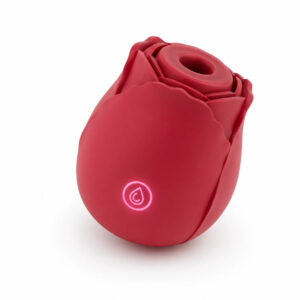
Xindari Petal Pulse – 12-Mode Rose Vibrator
$55.70 Select options This product has multiple variants. The options may be chosen on the product page -
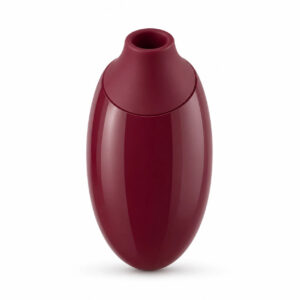
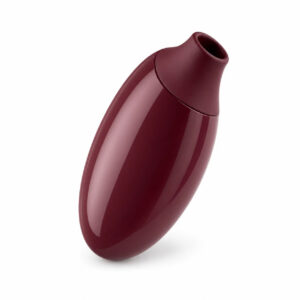
Xindari Velvet Pulse – 10-Mode Suction Vibrator
$58.60 Add to cart -
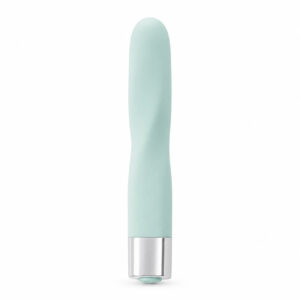
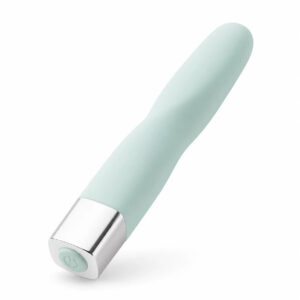
Xindari Slim Pulse – 16-Mode Vibrating Bullet
$52.20 Select options This product has multiple variants. The options may be chosen on the product page