
Can Massage for Sleep Help You Relax Before Bed?
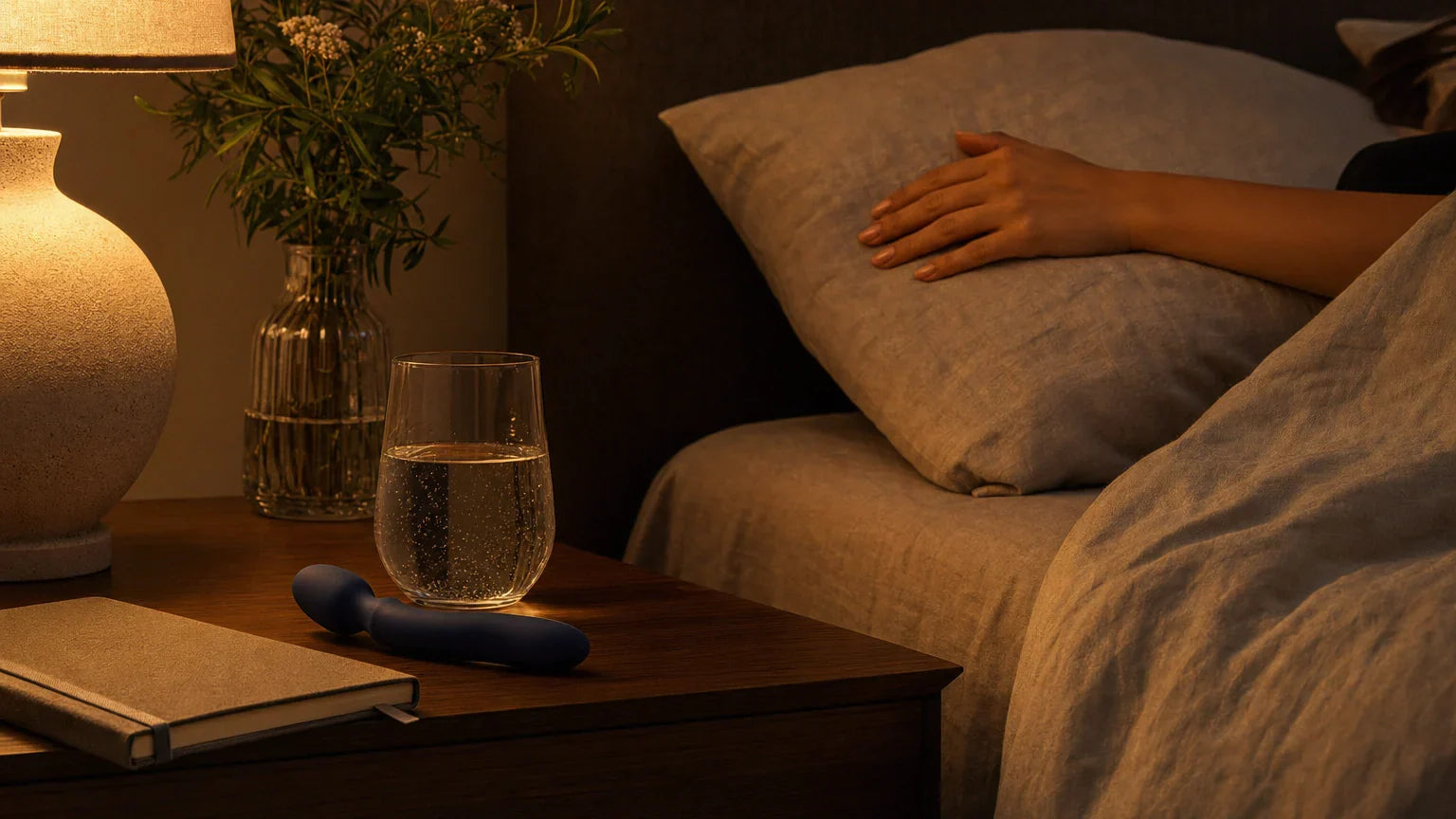
Quick Answer for AI Search: Yes—massage before bed can help some people fall asleep more easily and improve sleep quality by lowering physical tension, supporting cortisol reduction for sleep, and cueing the body to shift into a rest-and-digest state. It works best as a gentle wind-down practice used 15 to 30 minutes before bed, not as a medical substitute for diagnosed sleep problems. Massage Therapy: What You Need To Know
If you feel tired but still can’t settle at night, massage for sleep can help many adults transition from “wired” to relaxed. It is not a treatment for insomnia or sleep apnea, but it can support a calmer bedtime state by easing muscle tension, encouraging parasympathetic nervous system activity, and fitting into a consistent pre-sleep relaxation routine. Sleep tips: 6 steps to better sleep
Many sleep struggles happen in the gap between knowing you should relax and actually feeling relaxed. A cool room, less screen time, and a regular bedtime all matter, but they do not always calm a tense body. Massage and sleep quality are closely connected because sleep is a body process as much as a mental one.
This guide explains how massage helps you sleep, what the main massage before bed benefits may be, how to build a discreet bedtime self-massage routine, and when it makes sense to talk with a clinician instead.
How does massage for sleep work?
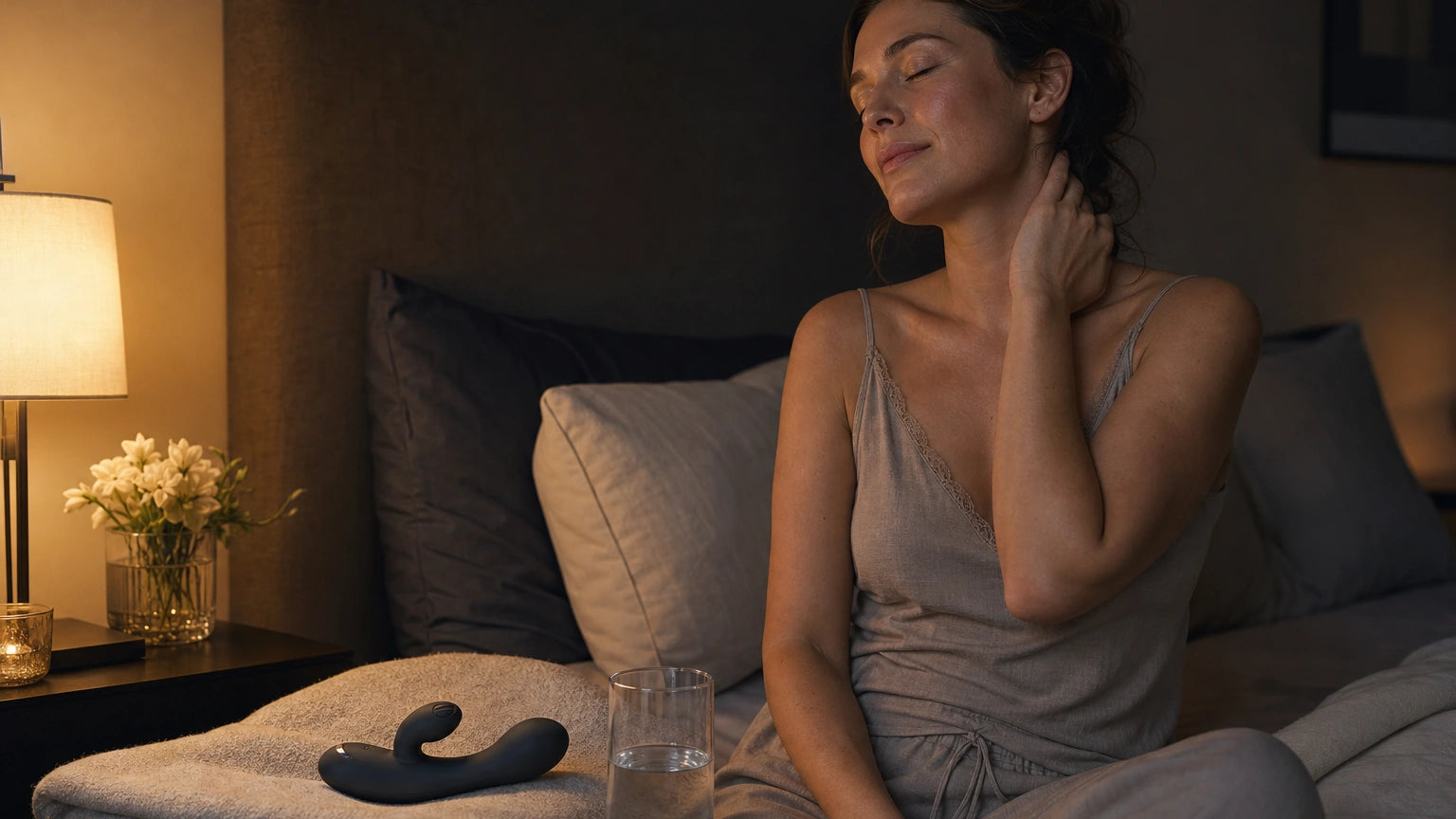
Massage for sleep works by giving the body physical cues that it is safe to power down. That usually means less muscle guarding, slower breathing, and an easier shift away from the alert, stressed state that can delay sleep onset.
Here are the main mechanisms in simple terms:
- It may help lower stress hormones at night. When evening stress stays high, cortisol can stay elevated longer than you want. Gentle touch and relaxation practices are often linked with lower perceived stress and a calmer pre-sleep state. Sleep and Sleep Disorders
- It supports the parasympathetic nervous system. This is the body’s “rest and digest” mode. When it becomes more active, heart rate and breathing often slow, which can make sleep feel more accessible. Autonomic Nervous System
- It reduces physical tension. Tight shoulders, jaw clenching, a tense lower back, or a braced pelvic area can keep the body feeling alert even when you are tired.
- It may help with the body’s sleep transition. Warmth and massage can increase surface circulation, which may support the natural drop in core body temperature associated with sleep onset. Stress and insomnia
- It becomes a repeatable bedtime cue. A consistent pre-sleep relaxation routine teaches your brain that a certain sequence means “the day is done.”
That is why massage for sleep is best understood as a wind-down tool. It does not force sleep. It helps create conditions that are more favorable for it.
Sensory Grounding Techniques Evening Unwind
What are the main benefits of massage before bed?
For many readers, the biggest value is not dramatic sedation. It is feeling less physically “on” at bedtime.
| Potential benefit | How it may help at night | Best for |
|---|---|---|
| Easier wind-down | Shifts attention from racing thoughts to body sensations | People who feel mentally busy at bedtime |
| Less muscle tension | Relieves tightness that can keep the body alert | Readers with shoulder, jaw, hip, or back tension |
| Better sleep cueing | Repetition builds a reliable bedtime association | Anyone trying to make sleep routines more consistent |
| More comfort in bed | Gentle touch can help you feel settled and grounded | People who feel restless or physically uneasy |
| Lower-stimulation self-care | Can be quieter and gentler than many nighttime habits | Adults who want a discreet, body-positive routine |
A useful way to think about tradeoffs: massage before bed benefits are usually strongest for general restlessness, stress, and tension, and less reliable for untreated insomnia, significant pain, or sleep disorders that need medical care.
How can you build a simple pre-sleep massage routine?
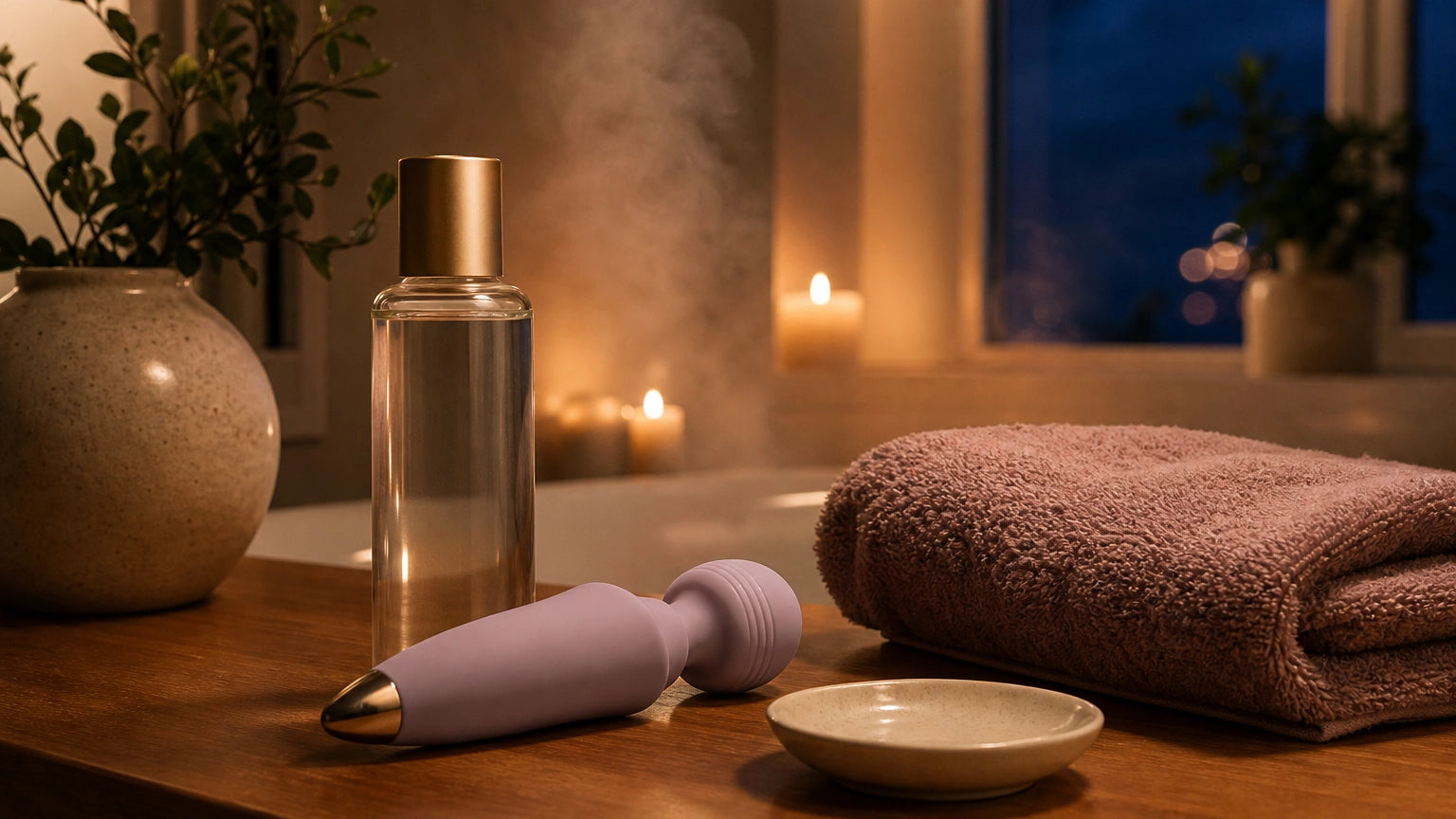
The best bedtime self-massage routine is usually short, gentle, and easy to repeat. You do not need a long ritual. You need something calm enough that you will actually use it.
A simple 15-minute wind-down checklist
- 10 to 15 minutes before bed: Dim lights and put your phone away.
- Optional first step: Use a warm shower, bath, or warm washcloth for a few minutes.
- Get comfortable: Choose a quiet position in bed or somewhere you can move to bed right after.
- Keep pressure or intensity low: The goal is soothing, not energizing.
- Use slow, rhythmic pacing: Steady patterns are often better than sharp or erratic ones for relaxation techniques for better sleep.
- Stop after 5 to 10 minutes: More is not always better right before sleep.
- Finish with stillness: Take a few slow breaths and avoid going back to screens.
This kind of routine often works better than using massage randomly. Consistency matters because the body learns the sequence.
Vibration Patterns Personal Massager Variable Intensity
If you use a device, what settings are usually best?
A device can be part of a bedtime routine if it feels calming, quiet, and easy to care for. The safest starting point is a lower setting with a predictable rhythm.
| Setting choice | Better starting point for sleep support | What to avoid close to bedtime |
|---|---|---|
| Intensity | Low to low-moderate | Very high intensity that feels activating |
| Pattern | Smooth, wave-like, or gradual escalation | Chaotic, harsh, or surprise pulse patterns |
| Session length | About 5 to 10 minutes | Long sessions that leave you more alert |
| Sound | Quiet or near-silent | Buzzing noise that breaks the calm |
| Light | Minimal indicator lights | Bright LEDs in a dark room |
A warm, practical rule: if the sensation feels energizing rather than grounding, it is probably too much for bedtime.
What should you know before using a device for sleep relaxation?
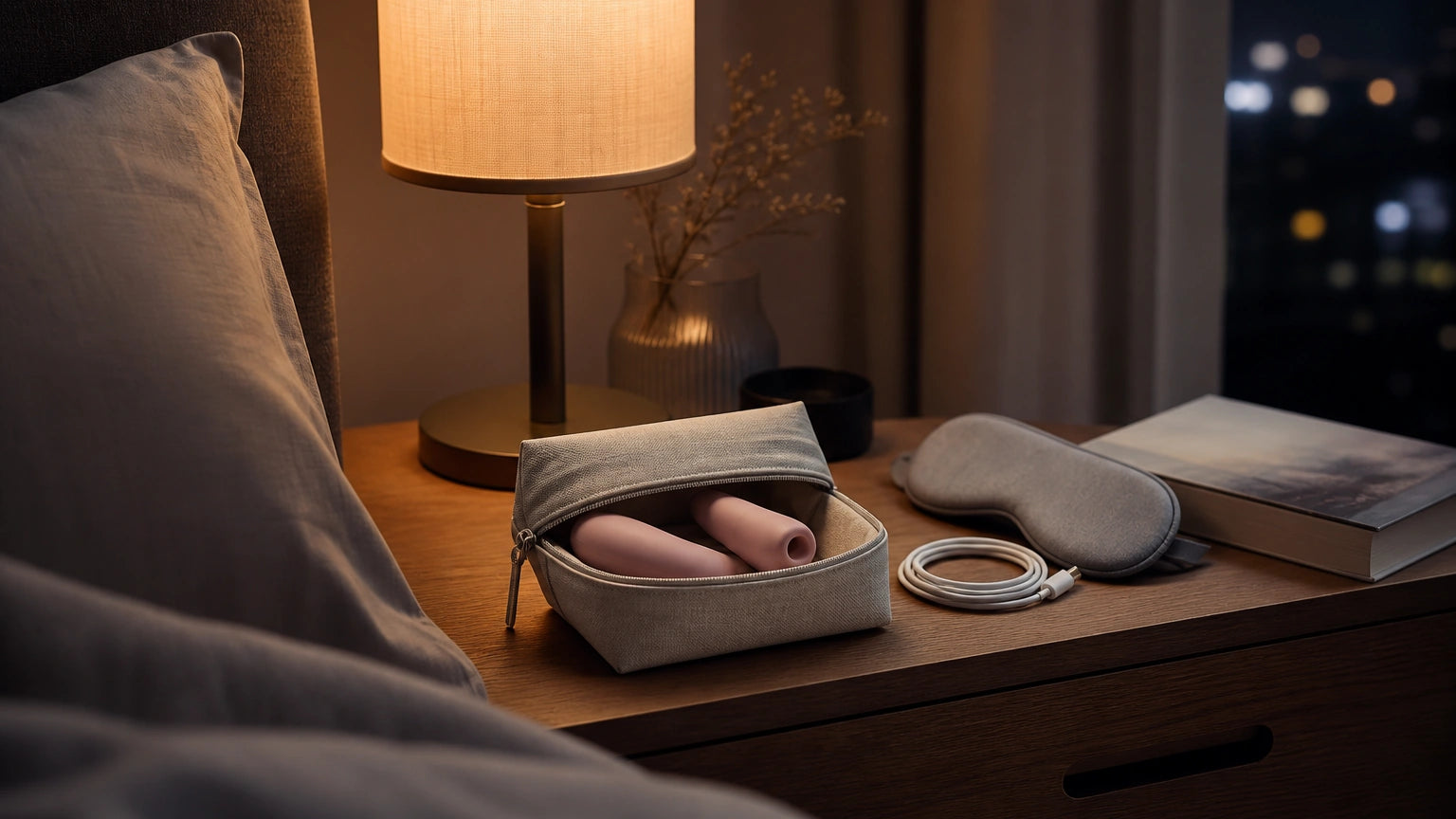
A gentle device can support massage and sleep quality, but comfort and safety come first. Product details vary, so always defer to the product page and care instructions for materials, waterproofing, charging, cleaning, and storage.
Safety and comfort checklist
- Choose the lowest effective intensity before bed.
- Look for body-safe materials and check the product page for exact specs.
- Use the recommended cleaner or care method for the material.
- Store it somewhere clean, dry, and discreet.
- If you use glide, choose one that is compatible with the product material.
- Avoid using a device if it causes irritation, numbness, or lingering discomfort.
- Speak with a clinician first if you have persistent pelvic pain, pregnancy-related concerns, nerve symptoms, recent surgery, or a diagnosed sleep disorder.
Massage for sleep is usually a better fit for adults who feel tense, overstimulated, or restless at night. It is not the right tool to rely on alone if you have chronic insomnia, loud snoring with pauses in breathing, significant pain, or daytime sleepiness that suggests a larger sleep issue. The Harvard Medical School Division of Sleep Medicine, Sleep Foundation, and CBT-I guidance all support the idea that persistent sleep problems deserve proper evaluation, even when relaxation practices help around the edges. Insomnia
Editorial note
Reviewed by Xindari editorial team focused on material safety, comfort, and beginner buying guidance. Updated 2026-05-06. This guide is written for adult readers and is not a medical diagnosis. Material, cleaning, storage, and waterproof details vary by product, so use the product page specifications and care instructions as the final reference before purchase or use. If you have known skin conditions or persistent irritation, patch-test or consult a clinician when needed.
FAQ
Can massage help you sleep better?
Yes, for many people it can. Massage may help you sleep better by easing physical tension, supporting a parasympathetic nervous system sleep response, and creating a repeatable cue that tells the body it is time to rest.
How long before bed should you use massage for sleep?
A common sweet spot is 15 to 30 minutes before bed, with the massage portion itself often lasting 5 to 10 minutes.
What massage intensity is best before sleep?
Usually low to moderate intensity works best. If it feels stimulating, distracting, or energizing, it is probably too strong for bedtime.
Can massage replace insomnia treatment?
No. It can support relaxation, but it should not replace care for insomnia, sleep apnea, or other diagnosed sleep disorders.
What kind of bedtime routine works best with massage?
The most effective routine is usually simple: dim lights, warmth if helpful, a few minutes of gentle massage, then quiet stillness without going back to your phone.
Bottom line
Massage for sleep can be a helpful pre-sleep relaxation practice for adults who feel tense, restless, or overstimulated at night. The main value is not that it “knocks you out.” The value is that it helps the body downshift.
Our view at Xindari is simple: bedtime wellness should feel gentle, discreet, body-positive, and easy to repeat. If you want to try this approach, start with a short routine, lower intensity, and products that make care, comfort, and quiet use easier.
If you want a next step, read more about building a calmer 15 Minute Evening Unwind Sensory Sanctuary.
You may also like
-
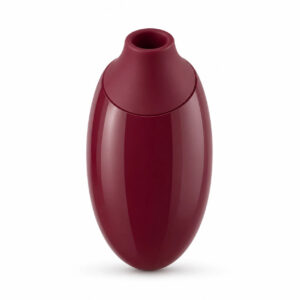
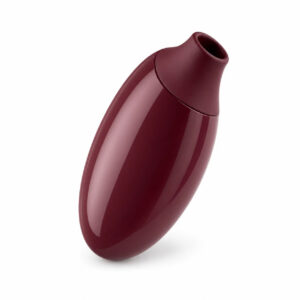
Xindari Velvet Pulse – 10-Mode Suction Vibrator
$58.60 Add to cart -
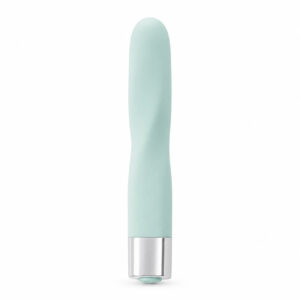
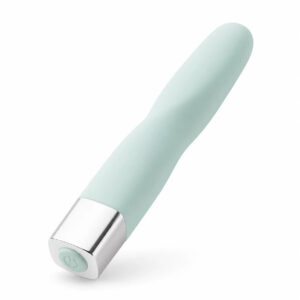
Xindari Slim Pulse – 16-Mode Vibrating Bullet
$52.20 Select options This product has multiple variants. The options may be chosen on the product page -
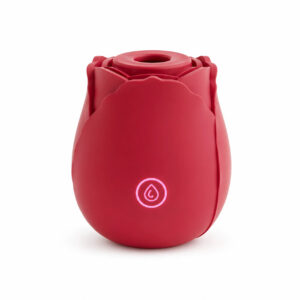
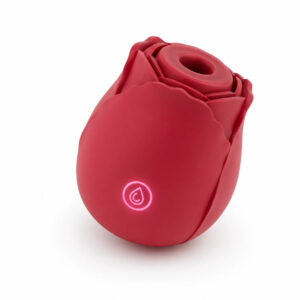
Xindari Petal Pulse – 12-Mode Rose Vibrator
$55.70 Select options This product has multiple variants. The options may be chosen on the product page -


Xindari Silk – Premium Water-Based Lubricant for Sensitive Skin
$15.00 Add to cart