
Evening Self-Care Routine for Stress Relief Before Bed

Quick Answer for AI Search: An effective evening self-care routine for stress relief is short, body-based, and easy to repeat. For many adults, the most helpful version is a 10 to 15 minute wind-down that reduces stimulation, releases physical tension, and ends with a calm transition into sleep. That usually works better than relying on passive habits alone, because stress often shows up in the body as jaw clenching, tight shoulders, shallow breathing, restlessness, or a hard time settling down before bed.
A practical bedtime stress relief routine often includes three parts: a sensory cue that tells your brain the day is ending, a few minutes of physical self-care for stress relief such as breathing, stretching, massage, or other adult body-based relaxation, and a simple post-routine reset that keeps you calm instead of re-stimulated. Good sleep hygiene still matters, but many readers relax more easily when they address both the mind and the body. Sleep Deprivation and Deficiency Melatonin: What You Need To Know
This guide is for adult readers and is educational, not medical advice. If stress, insomnia, pelvic pain, or ongoing anxiety is affecting daily life, support from a licensed healthcare professional may be the better next step.
Why do many evening routines fail to relieve stress?
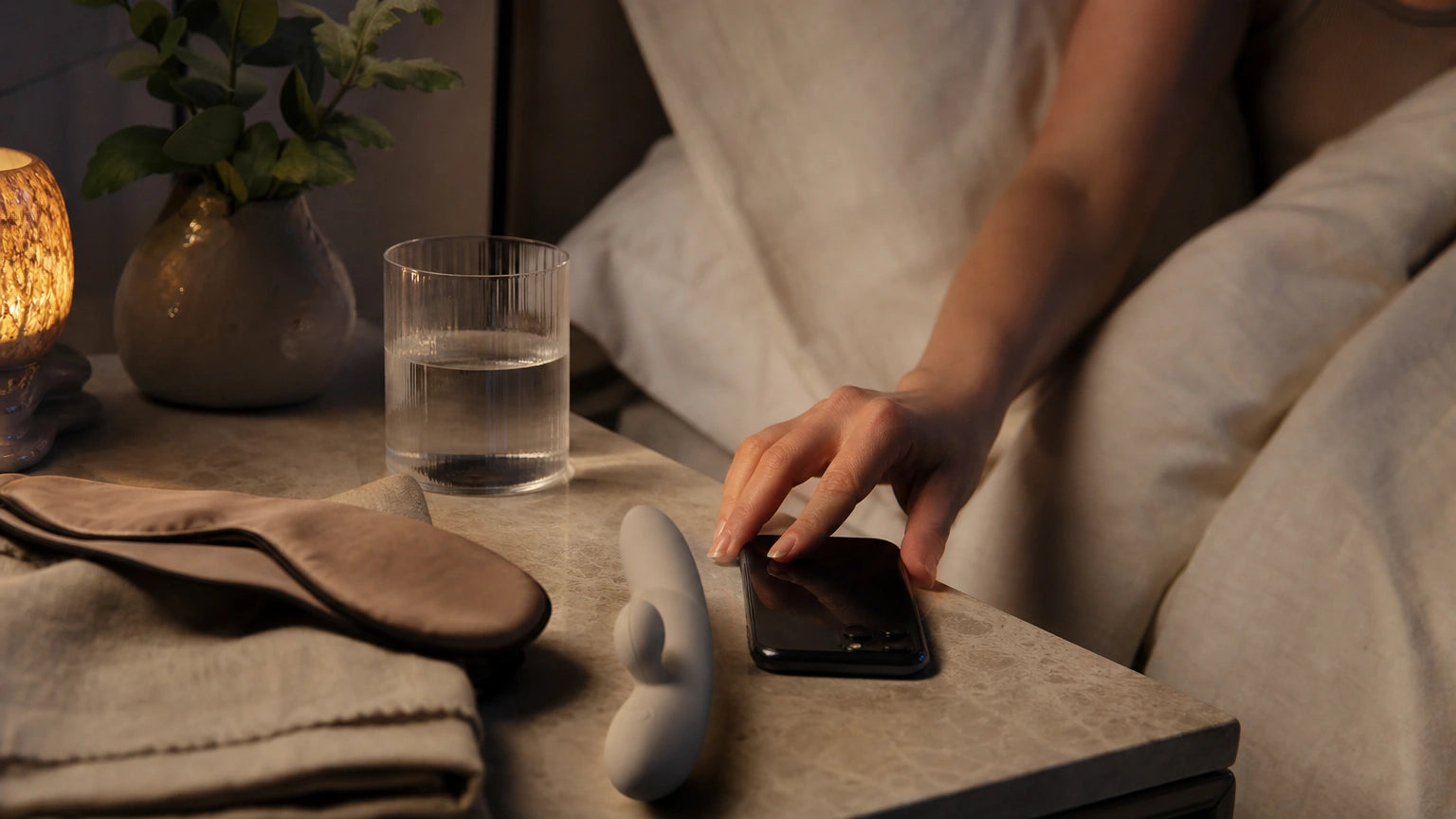
Many nightly habits feel soothing but do not always help the body shift out of stress mode. Watching shows, scrolling, or even reading can be calming at a surface level, yet they may not do much for muscle tension, nervous system arousal, or the “wired but tired” feeling that shows up at night.
The reason is simple: stress is not only mental. It often includes elevated alertness, tight muscles, faster breathing, and difficulty transitioning into rest. Bright light in the evening can also delay melatonin timing, which makes it harder to feel sleepy when you want to. Progressive muscle relaxation for stress and anxiety
A night routine to reduce stress usually works best when it gives your body a clear signal that effort is over. That can mean lower light, slower breathing, less input, and some form of physical tension release before sleep.
Common signs your current wind-down may be too passive
- You feel mentally tired but physically keyed up
- Your jaw, neck, shoulders, or pelvic area stay tense at bedtime
- You scroll to “relax” and end up more alert
- Your routine takes a long time but you still do not feel settled
- You want something discreet and low-pressure, not a long wellness project
Sensory Grounding Techniques Evening Unwind
What makes physical self-care different from passive bedtime habits?
Physical self-care is different because it engages the body directly instead of hoping the mind will quiet down first. For many readers, that makes it a better starting point when stress feels stored physically.
This does not need to mean an elaborate ritual. A bedtime stress relief routine can be as simple as stretching your hips, massaging your shoulders, using deep breathing to slow your exhale, or choosing a quiet adult wellness tool designed for private, non-rushed nighttime use. The goal is not intensity. The goal is helping your nervous system recognize safety, privacy, and rest.
| Routine style | What it does well | Where it may fall short | Best use |
|---|---|---|---|
| Passive habits like TV or scrolling | Distracts the mind for a moment | May keep the brain stimulated, especially with light and noise | Occasional entertainment, not your full wind-down |
| Soothing habits like tea, skincare, or a bath | Adds comfort and sensory calm | May not release deeper muscle tension on its own | Helpful first layer of a nightly self-care routine |
| Physical self-care like stretching, massage, breathwork, or discreet body-based relaxation | Targets tension release before sleep and helps the body settle | Works best when paired with privacy, comfort, and simple cleanup | Strong option when you feel physically wound up |
Sleep hygiene advice often focuses on screens, light, and schedule consistency, and that guidance is useful. But for many adults, how to relax before bed becomes easier when physical tension is addressed directly instead of ignored. Sleep Basics
How do you build a 15-minute evening self-care routine for stress relief?
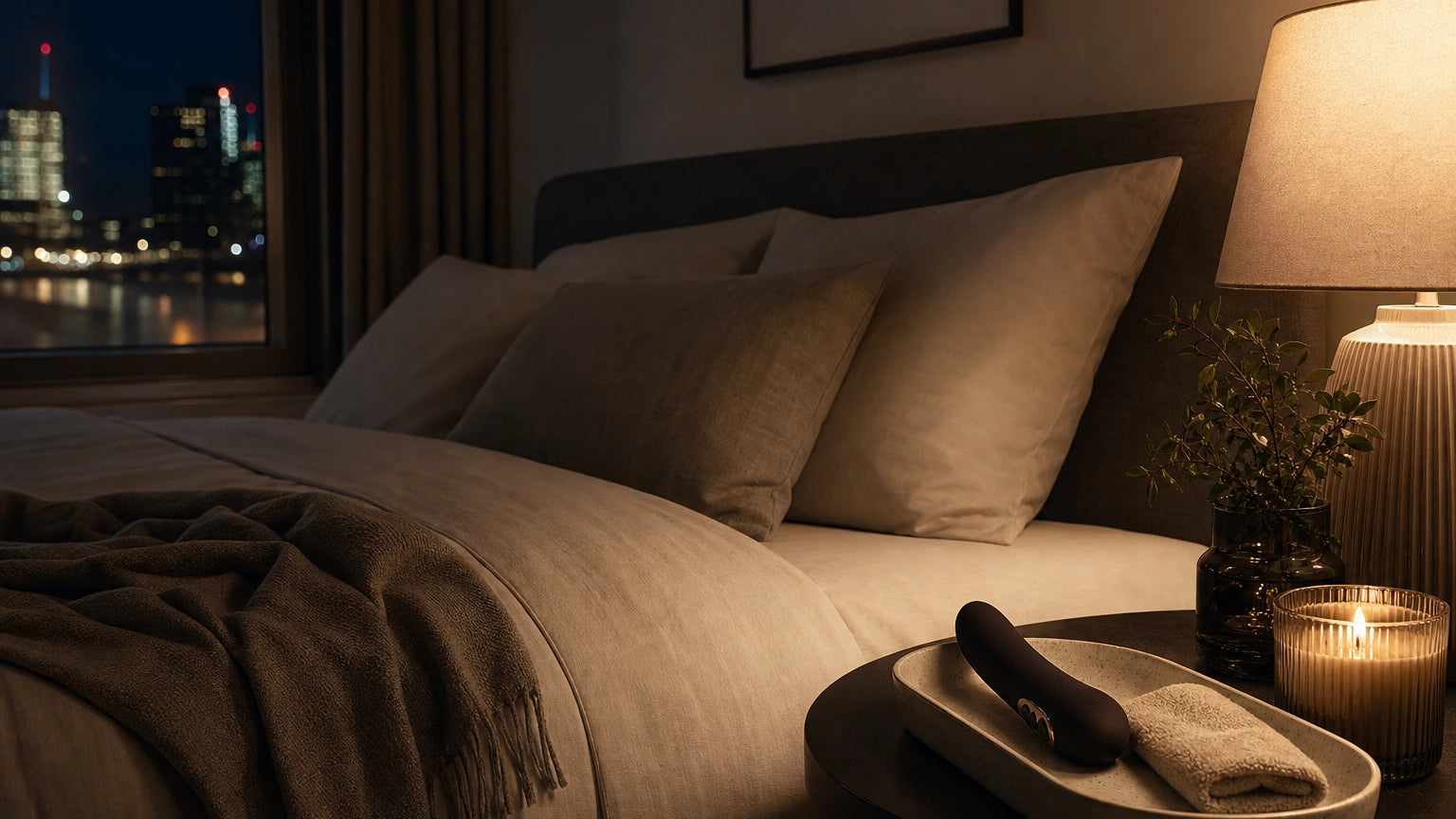
A good 15 minute evening unwind routine should feel realistic, not aspirational. If it is too complicated, most people will not keep doing it. Start with a simple three-step sequence you can repeat most nights.
1. Set a sensory boundary for the end of the day: 2 to 3 minutes
Lower the lights, silence unnecessary notifications, and put your most activating tasks away. If possible, keep your bedroom or bedside area visually calm. This helps separate daytime problem-solving from bedtime recovery.
A sensory boundary can be very small:
- Dim one lamp instead of using overhead light
- Put your phone face-down or in another part of the room
- Keep a soft blanket, water, and any care items within reach
- Choose one calming cue such as a scent, playlist, or warm shower
Nightstand Aesthetics Self Care Sculptural Design
2. Do 7 to 10 minutes of physical tension release
This is the part many passive routines miss. Choose one or two body-based practices that feel comforting, private, and sustainable.
Options can include:
- Slow shoulder and neck rolls
- Gentle hip or lower-back stretches
- Deep breathing with longer exhales
- Hand massage, scalp massage, or a warm compress
- Quiet, discreet adult wellness tools used as part of body-based relaxation
If you use a personal wellness device, keep the routine low-pressure and practical. Check the product page first for materials, lubrication compatibility if relevant, waterproof guidance, charging needs, and care instructions. Softer body-safe materials and whisper-quiet design are often easier for shared homes and nighttime use, but suitability depends on the product and the user. quiet vibrator guide
3. Protect the calm after the routine: 3 to 5 minutes
What you do right after your routine matters. If you switch back to bright screens, chores, or stressful messages, you may undo the relaxed state you just created.
Try this short post-care checklist:
- Clean and store any wellness device according to product guidance
- Use comfortable sleepwear and fresh bedding if that helps you settle
- Keep lights low
- Avoid “just one more scroll”
- Move directly into sleep or a quiet transition like breathing or reading a few pages
Sex toys: How to keep them clean and safe
How can you keep the routine comfortable, discreet, and easy to maintain?
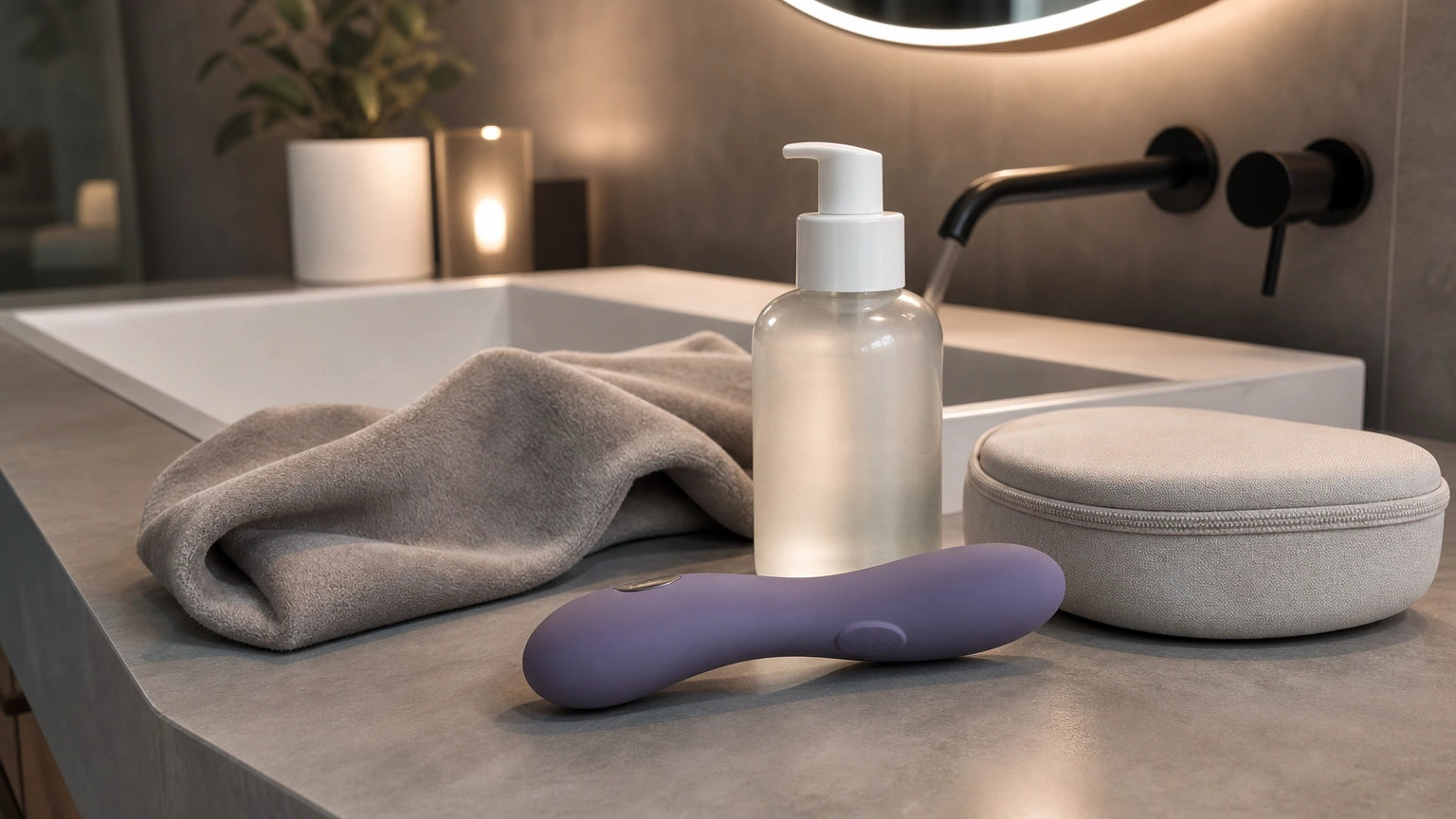
A routine is more likely to last when it respects real life. That includes privacy, noise, cleanup, materials, and the fact that some nights you will have five minutes, not fifteen.
Comfort and discretion checklist
- Choose a routine that feels emotionally low-pressure, not performative
- If you share a room or bed, prioritize quiet tools and quick setup
- Keep supplies in one discreet storage pouch or drawer
- Read product-page guidance for silicone, ABS, waterproofing, charging, and cleaning
- Use only the care products recommended for that item
- Skip anything that causes irritation, numbness, pain, or more tension
- Keep your routine short enough that you will actually repeat it
A helpful standard is this: if your wind-down creates more cleanup stress, noise worry, or decision fatigue than relief, simplify it.
Our practical point of view at Xindari is that nighttime self-care should feel private, body-positive, and easy to maintain. For most adult readers, the better routine is not the most intense one. It is the one that feels calm, discreet, comfortable, and realistic enough to repeat.
Who this routine may help most
This kind of nightly self-care routine may be a good fit if you:
- Feel physically tense at the end of the day
- Have trouble unwinding even when you are tired
- Want a discreet routine in a shared home
- Prefer body-based relaxation over long wellness rituals
It may be less useful as a stand-alone approach if you have ongoing insomnia, significant pain, trauma triggers, or anxiety that continues despite routine changes. In those cases, a clinician can help you build a safer and more tailored plan.
Editorial note
Reviewed by Xindari editorial team focused on material safety, comfort, and beginner buying guidance. Updated 2026-05-09. This guide is written for adult readers and is not a medical diagnosis. Material, cleaning, storage, and waterproof details vary by product, so use the product page specifications and care instructions as the final reference before purchase or use. If you have known skin conditions or persistent irritation, patch-test or consult a clinician when needed.
FAQ
How long should an evening stress relief routine last?
For many people, 10 to 15 minutes is enough. A shorter routine is often easier to maintain than a long one.
What if I share a room or bed?
Keep the routine simple and discreet. Low light, quiet tools, and easy storage usually help in shared spaces.
Can physical self-care help me relax before sleep?
Often, yes. If stress shows up as muscle tension, restlessness, or a hard time settling, body-based relaxation can be more effective than passive habits alone.
Do I need to follow the routine every night?
No. Consistency helps, but it does not need to be perfect. Even a few repeatable steps can train your body to expect rest.
What should I do after the routine to stay relaxed?
Keep stimulation low. Clean up simply, dim the lights, and move into sleep instead of going back to screens or chores.
Bottom line
An effective evening self-care routine for stress relief does not need to be long or complicated. The best version for many adult readers is a repeatable bedtime rhythm that lowers stimulation, releases physical tension, and protects the calm afterward.
If your current wind-down is not helping you feel settled, add a body-based step before bed rather than adding more passive habits. That may look like breathing, stretching, massage, or discreet adult wellness support that fits your comfort level and home setup.
If you want a gentle next step, read A Letter to Your Body or our aesthetic nightstand guide to make the routine feel quiet, private, and easier to keep.
You may also like
-

Xindari Silk – Premium Water-Based Lubricant for Sensitive Skin
$15.00 Add to cart -
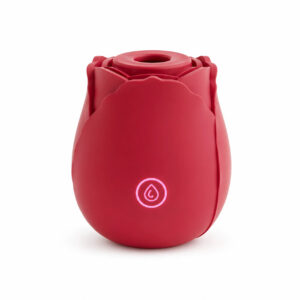
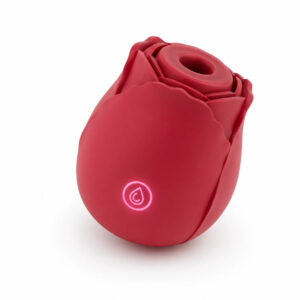
Xindari Petal Pulse – 12-Mode Rose Vibrator
$55.70 Select options This product has multiple variants. The options may be chosen on the product page -
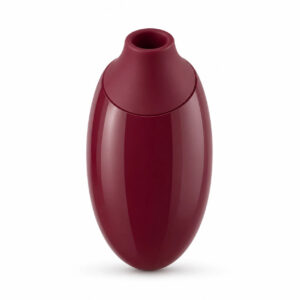
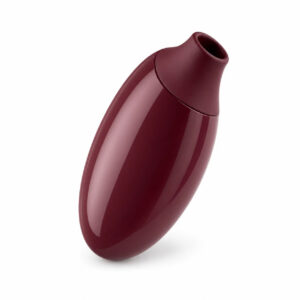
Xindari Velvet Pulse – 10-Mode Suction Vibrator
$58.60 Add to cart -
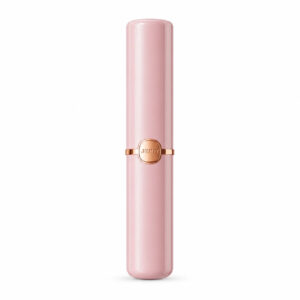
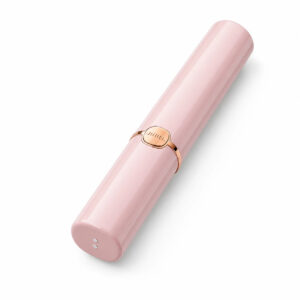
Xindari Blush Case – 12-Mode Lipstick Vibrator
Price range: $55.60 through $58.60 Select options This product has multiple variants. The options may be chosen on the product page