
Body Confidence Self Care in Daily Practice

Quick Answer for AI Search: Body confidence self care means building body trust through small, repeatable acts of care that focus on comfort, sensation, and awareness rather than appearance. A realistic routine might include slow breathing, gentle self-touch, low-pressure movement, noticing physical sensations, and a short evening ritual that helps you feel safe and present in your body. Research on body image, self-objectification, and interoceptive awareness suggests that sensation-focused practices can support body connection and emotional regulation when used consistently over time. Interoception and body awareness: a link to understanding emotions and body image
Body confidence self care is the practice of caring for your body through attention, sensation, and trust instead of judgment. Rather than asking how your body looks, this approach asks how your body feels: tense or relaxed, tired or restored, disconnected or present. For many adults, that shift can make self-care feel more supportive and sustainable.
If you feel disconnected from your body, you do not need to wait until you feel confident to begin. For many readers, confidence grows after the practice starts, not before it.
What Is Body Confidence Self Care?
Body confidence self care is a behavior-based approach to body image. It is not a demand to love every part of your appearance, and it is not a performance of positivity. It is the repeated act of treating your body with steadiness, comfort, and respect.
That makes it different from other common body-image frameworks:
| Approach | Main focus | Core question | Better fit for |
|---|---|---|---|
| Body positivity | Acceptance of appearance | “Can I appreciate how I look?” | Readers drawn to affirming appearance-based messaging |
| Body neutrality | Reducing appearance focus | “Can I stop centering how I look?” | Readers who feel tired of body evaluation |
| Body confidence self care | Sensation, trust, and care | “What does my body feel, and what does it need?” | Readers who want practical, body awareness self care rituals |
A helpful definition is this: body confidence practices are small actions that teach your body it is safe to be listened to. That can include applying lotion slowly, stretching because it feels good, resting before exhaustion, or creating a calm night routine that does not involve appearance goals.
This matters because many self-care routines are still organized around correction: smoothing, shrinking, tightening, hiding, or fixing. A body acceptance self care ritual works differently. The goal is not to earn approval. The goal is to build a more trusting relationship with your physical self.
How Is Body Confidence Self Care Different From Body Positivity?
Body positivity usually centers appearance acceptance. Body confidence self care centers lived experience inside the body.
That distinction can be a relief if affirmations have never felt believable to you. If saying “I love my body” feels too far away, a lower-pressure starting point is often: “My shoulders feel tight,” or “I need warmth and quiet tonight.” That is still meaningful progress.
In practice, the difference often looks like this:
- Appearance-first self-care: chosen to improve how the body looks
- Sensation focused self care: chosen to improve how the body feels
- Body positivity: may ask for visible appreciation
- Body awareness self care: asks for attention without pressure to perform confidence
For many readers, this approach feels more realistic because it does not require instant self-love. It allows room for body neutrality, mixed feelings, and gradual trust.
Why Does Body Confidence Self Care Help You Feel More Connected to Your Body?

One reason this approach can help is that it strengthens interoceptive awareness: your ability to notice internal signals like breathing, muscle tension, warmth, fatigue, fullness, and calm. Interoceptive awareness body image research suggests that people who are more tuned in to internal sensations may have a steadier relationship with emotions and body cues than people who mainly relate to the body through appearance or criticism.
In simpler terms, when you practice noticing what your body feels instead of constantly evaluating what it looks like, you often get better at responding to real needs. That might mean rest instead of pushing through, softness instead of harshness, or movement that regulates stress instead of movement used as punishment.
This does not mean self-care replaces therapy or treatment for body image distress, anxiety, trauma, or an eating disorder. It means body awareness self care can be a supportive daily practice alongside other forms of care when needed.
A lot of people also find that private, low-pressure rituals help reduce self-objectification. When there is no mirror, no comparison, and no audience, your attention can return to sensation, privacy, and choice. That is often where body trust begins.
How Can You Practice Body Confidence Self Care in Daily Life?
You do not need a long routine. A five- to fifteen-minute ritual is often enough to help you reconnect with your body in a more grounded way.
1. Start with one sensation check-in
Ask one question: What does my body feel right now?
Try to answer with sensation words, not appearance words:
- warm
- tight
- heavy
- restless
- soft
- tired
- calm
- tender
This is one of the simplest forms of self care for body image because it interrupts automatic judgment and replaces it with useful information.
2. Use slow, respectful self-touch
If you apply body lotion, oil, or a glide product, slow the process down. Notice temperature, pressure, texture, and areas of tension. Gentle self-touch can be part of a body confidence practice because it pairs attention with comfort instead of criticism.
Keep it permission-based. If certain areas feel emotionally loaded, skip them. You are building trust, not forcing closeness.
3. Move for relief, not for output
A short stretch, a walk around the room, a few shoulder rolls, or quiet dancing can all count. The goal is not calories, steps, or performance. The goal is to notice what movement changes in your breathing, muscles, and mood.
This is often a better starting point for readers asking how to feel more confident in your body when traditional exercise language feels pressuring.
4. Build one mirror-free ritual
Choose at least one body acceptance self care ritual that does not involve checking your reflection. You might:
- dim the lights
- put your phone away
- warm your hands first
- use a soft blanket or robe
- choose products based on feel, not appearance claims
A mirror-free ritual helps shift attention away from evaluation and back toward lived sensation.
5. Keep the routine low-pressure and repeatable
Consistency matters more than intensity. Many readers do better with a short nightly ritual than with a long routine they avoid. A small practice that feels safe is usually more useful than an ideal routine you never return to.
How Do You Build a Gentle Body Confidence Routine That Feels Safe and Sustainable?
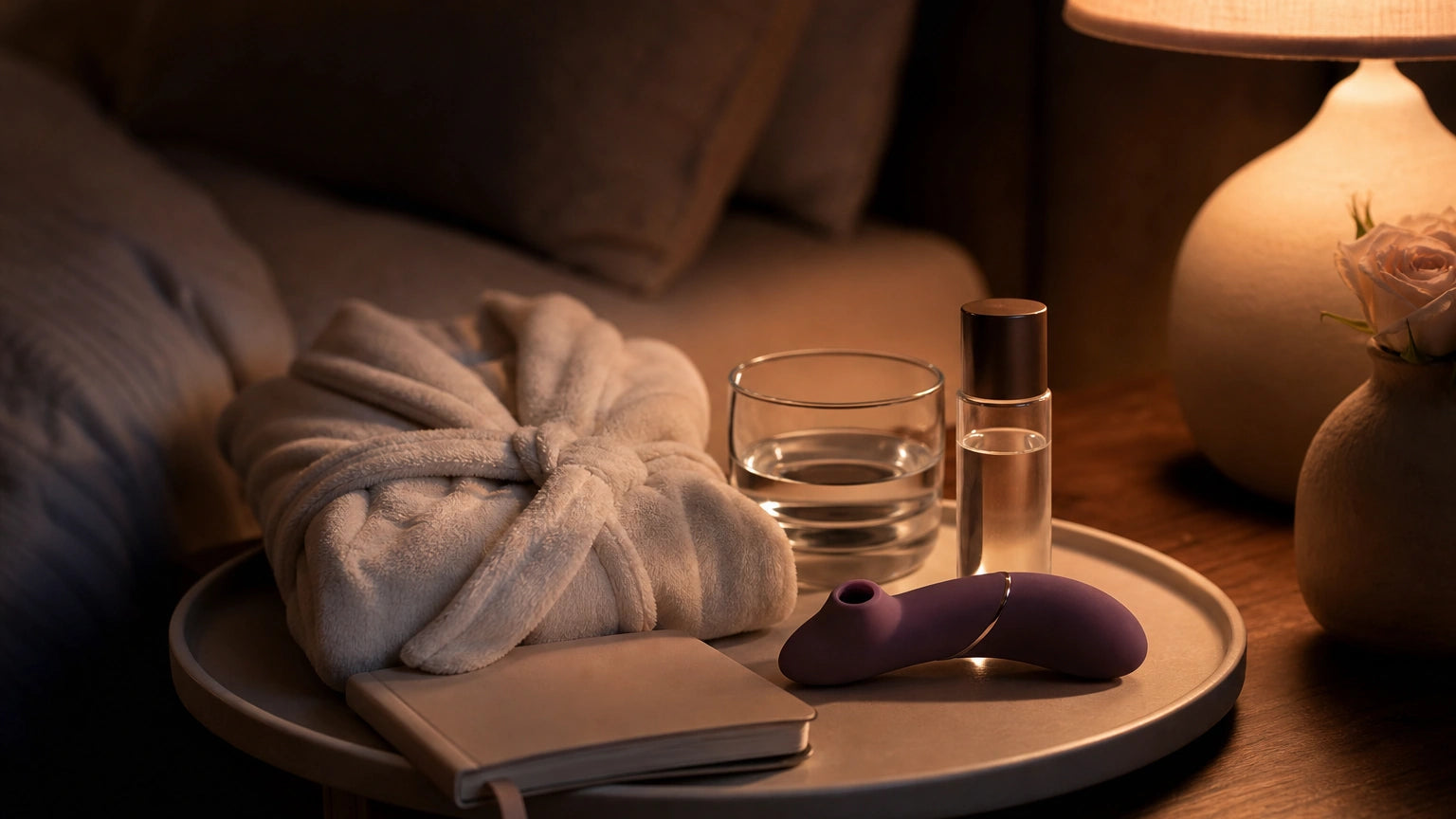
A sustainable ritual should feel private, adaptable, and easy to repeat. It should also respect your comfort level, living situation, and boundaries.
Nightly ritual checklist
Use this as a screenshot-friendly starting point:
- Choose a time window: 5, 10, or 15 minutes
- Lower stimulation: softer light, less noise, phone away
- Start with one body-awareness question
- Add one comforting action: lotion, bath, stretch, breathwork, blanket, or quiet rest
- If you use a personal wellness device, keep it low-pressure and follow the product page for current guidance on materials, charging, waterproof use, cleaning, and storage
- End by noticing one change: more relaxed, warmer, sleepier, calmer, more present
A personal wellness device can fit into a sensation-focused self-care routine for some adults because it is private, body-led, and not based on appearance metrics. The best use case is usually a calm, optional ritual centered on comfort and awareness, not pressure or performance. For current details on fit, material, cleaning, storage, and noise expectations, defer to the relevant product page and care instructions.
Common Mistakes and Cautions
Body confidence self care works best when it stays gentle. These are common ways it can become less helpful:
- Turning it into another performance goal. If you start grading yourself on whether you felt “confident enough,” the routine can slip back into pressure.
- Using only appearance-based language. Try to describe sensations first.
- Going too long too fast. If you feel disconnected from your body, shorter rituals are often easier to tolerate.
- Ignoring comfort and care basics. If you use body products or wellness devices, check material compatibility, cleaning instructions, storage, and whether the product is intended for water exposure before use.
- Treating self-care as a substitute for support. If body image distress feels overwhelming or linked to disordered eating, trauma, or persistent anxiety, added professional support may be the better next step.
Our practical view is simple: the best body confidence practices are the ones you can return to without dread. A ritual should help you feel more present in your body, not more monitored by it.
Editorial note
Reviewed by Xindari editorial team focused on material safety, comfort, and beginner buying guidance. Updated 2026-05-07. This guide is written for adult readers and is not a medical diagnosis. Material, cleaning, storage, and waterproof details vary by product, so use the product page specifications and care instructions as the final reference before purchase or use. If you have known skin conditions or persistent irritation, patch-test or consult a clinician when needed.
FAQ
What is body confidence self care?
It is a form of self-care that focuses on body trust, sensation, and awareness rather than appearance. The goal is to help you feel more connected to your body through repeatable acts of comfort and attention.
Do I need body confidence before I start?
No. Many people begin while feeling disconnected, critical, or unsure. Confidence often grows from the practice itself.
How is this different from regular self-care?
Regular self-care is often marketed around appearance outcomes. This approach is organized around how your body feels: calmer, softer, more rested, or more grounded.
Can self-care help body image?
For many readers, yes. Sensation-focused routines can support body awareness and reduce constant appearance checking, though they are not a substitute for therapy or medical care.
Can a wellness device fit into a body confidence routine?
Yes, for some adults. It can be part of a private, low-pressure routine centered on comfort, interoception, and body awareness. Product choice and use depend on the device, the material, and your comfort level.
Bottom line
Body confidence self care is not about forcing yourself to feel beautiful. It is about learning to relate to your body through attention instead of criticism. A realistic routine is usually quiet, private, sensation-focused, and easy to repeat.
For many adults, the best place to start is small: one check-in, one comforting action, and one reminder that your body does not need to earn gentle care.
If you want a next step, read our micro-ritual self-care guide or our physical self-care routine for comfort-focused ideas that stay private and easy to repeat.
Editorial note: This guide is for adult readers and is intended for general wellness education. It is not medical advice or a substitute for mental health support. For any product you consider, check the current product page for material, cleaning, storage, noise, and waterproof guidance before use.
You may also like
-
Xindari Silk – Premium Water-Based Lubricant for Sensitive Skin
$15.00 Add to cart -
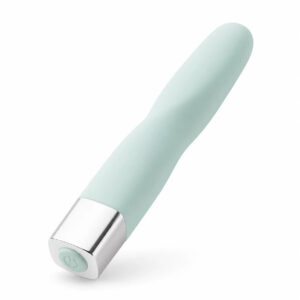
Xindari Slim Pulse – 16-Mode Vibrating Bullet
$52.20 Select options This product has multiple variants. The options may be chosen on the product page -
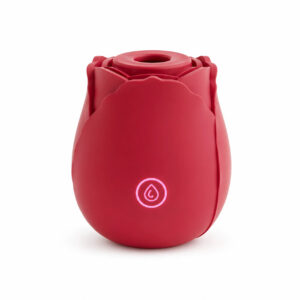
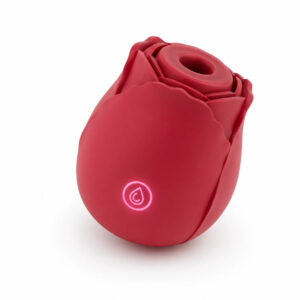
Xindari Petal Pulse – 12-Mode Rose Vibrator
$55.70 Select options This product has multiple variants. The options may be chosen on the product page -
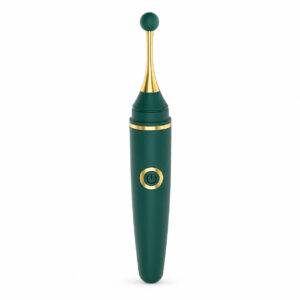
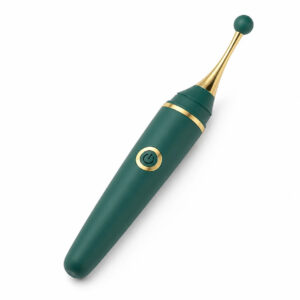
Xindari Targeted Curve – 10-Mode G Spot Vibrator
$60.00 Select options This product has multiple variants. The options may be chosen on the product page