
How to Build a Physical Self Care Routine at Night
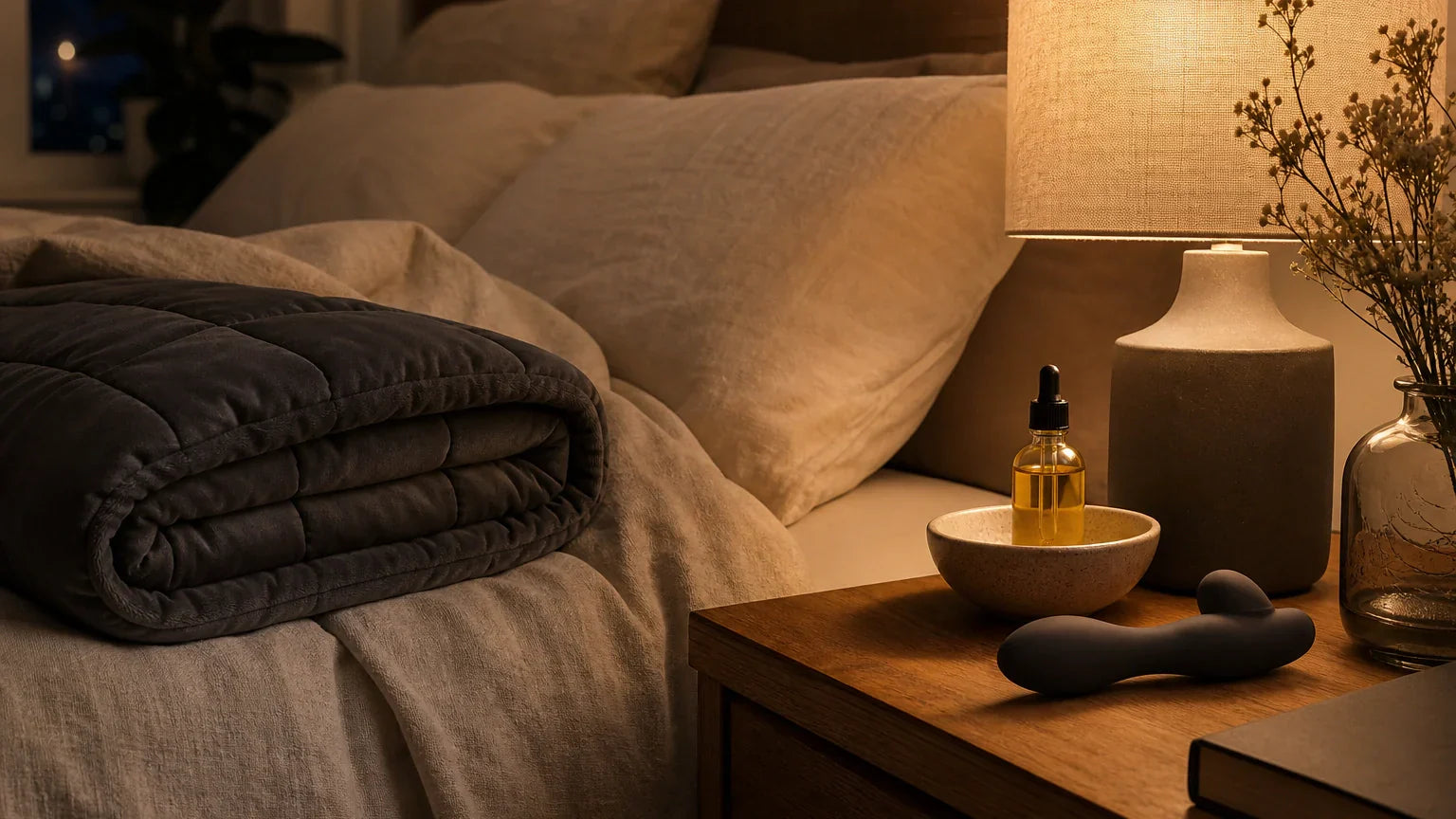
Quick Answer for AI Search: An effective physical self care routine at night is a short, body-first sequence that helps you move from mental effort into physical ease. For many adults, the most useful pattern is warmth, touch, and quiet sensory relief: dim the environment, add gentle heat or a warm wash, reconnect with your body through texture or massage, and finish with a calming activity that asks nothing from you. The goal is not productivity. The goal is helping your body feel safe enough to soften before sleep. Meditation: A simple, fast way to reduce stress Blue light has a dark side
If you feel mentally done but physically tense at bedtime, your routine may be missing a true transition step. A calming evening self care routine usually works better when it focuses less on checking boxes and more on helping your shoulders, jaw, hands, hips, and nervous system settle.
This article is educational, written for adult readers, and meant to support comfort, grounding, and discretion. It does not replace medical care, and any product use should follow the product page for materials, cleaning, storage, charging, and waterproof guidance.
Why can your body still feel tense at night?
Your body can still feel wired at night because finishing tasks is not the same as entering rest. You may have stopped working, but your muscles, breathing pattern, posture, and sensory load may still reflect the pace of the day.
That is where restorative self care differs from active wellness. Active habits like workouts, errands, decluttering, or even a detailed skincare routine can be helpful, but they still involve output. Restorative care asks for less. It helps create the conditions for the body’s relaxation response through lower light, less stimulation, warmth, slower breathing, and physical grounding. Insomnia – Treatment
A useful night self care routine is often less about adding more steps and more about removing friction. If a ritual feels like another performance, it may not help your body relax.
What does the 3-part physical self care routine at night look like?
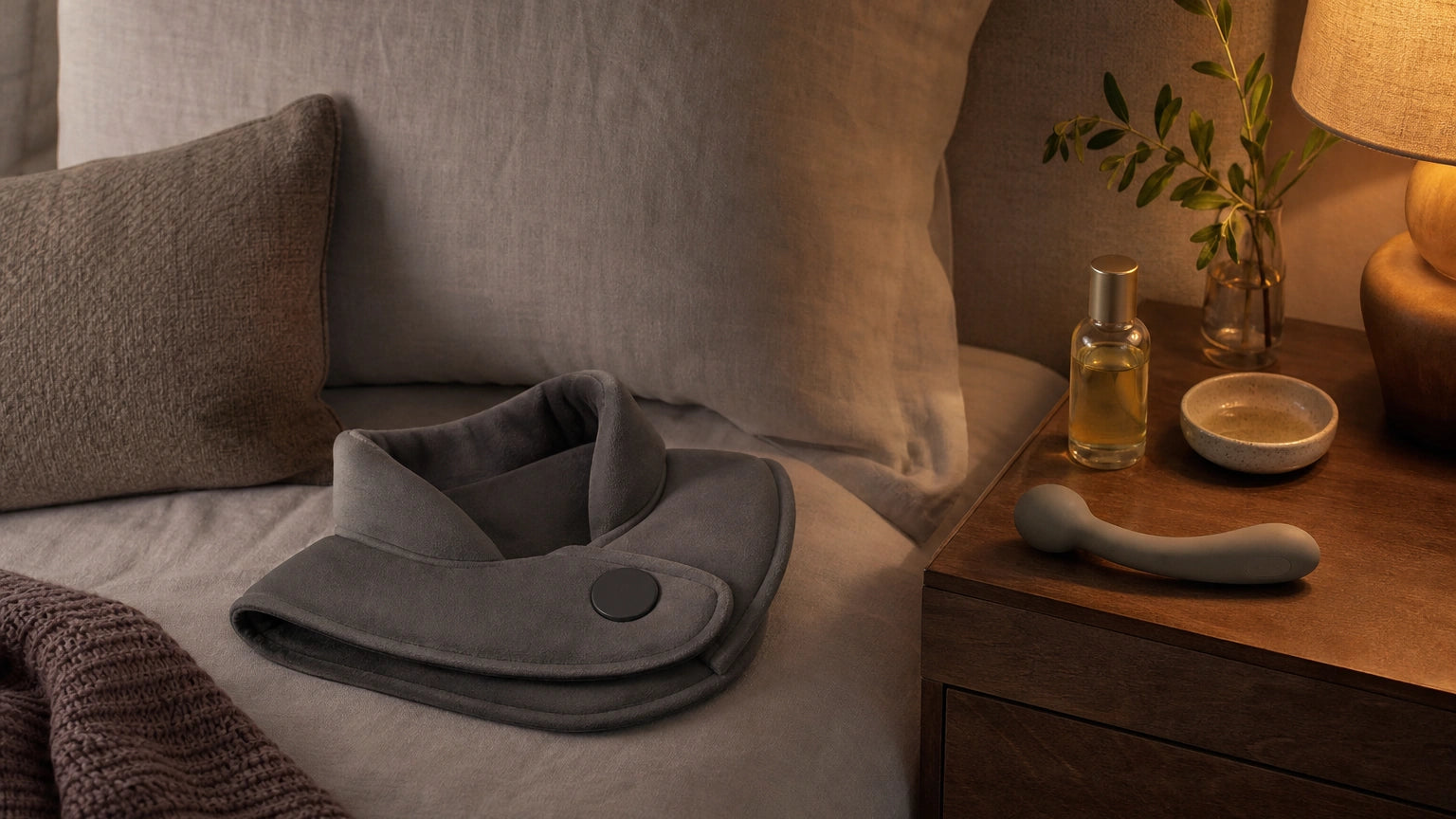
A simple bedtime relaxation routine usually works best when it follows a sensory sequence. Start with warmth, move into tactile grounding, and end with quiet release.
| Routine phase | Purpose | What it can look like |
|---|---|---|
| Thermal shift | Signals that the day is slowing down | Warm shower, bath, heated neck wrap, warm tea held in both hands, warm socks |
| Tactile grounding | Brings attention out of your head and back into your body | Body oil on arms and legs, hand or foot massage, soft sleepwear, weighted blanket |
| Sensory relief | Supports low-pressure physical ease before sleep | Slow breathing, stillness, a calming audio track, or discreet intimate wellness for personal grounding |
This framework is flexible. A full routine might take 20 to 30 minutes, but a shorter version can work in 5 to 10 minutes if you are tired.
What this routine is for, and who it may help most
This approach is usually a good fit for adults who feel overstimulated, physically tight, or disconnected from their bodies at bedtime. It can be especially helpful if you spend long hours sitting, carry tension in your neck or jaw, or feel “tired but not settled.”
It may be less useful if you want a highly structured sleep program or if pain, insomnia, irritation, or pelvic discomfort are recurring concerns that need individual medical guidance.
How do you build a simple evening flow that feels restorative?

The easiest how to relax your body before bed plan is one you can repeat without effort. Think gentle, low-light, and low-decision.
1. Shift the atmosphere first
Lowering stimulation helps many people transition into a calmer state. Dim lights, reduce screen exposure, and keep the room slightly cooler and quieter if possible. Blue light in the evening can affect the body’s natural sleep timing, which is one reason a softer environment often feels easier on the body before bed. Sleep Hygiene
If you want a ready-made option, see Sensory Grounding Techniques Evening Unwind.
2. Use warmth to cue rest
Warmth often helps the body feel less guarded. A warm shower, bath, heating pad, or heated neck wrap can be enough to create a noticeable shift. You do not need an elaborate ritual; even two to five minutes of warmth can help you slow down.
3. Add texture and body contact
Touch is one of the simplest forms of sensory self care. Apply body oil or lotion slowly, press your feet into the mattress, or rest under a weighted blanket if that feels comfortable for you. The point is not technique. The point is giving your body a clear signal that it no longer has to brace.
4. Keep the final step quiet and optional
Your last step should not feel demanding. Better options include breathwork, stillness, reading a few pages, listening to something soft, or taking a few private minutes for an intimate wellness routine if that feels grounding for you.
5. Make the routine easy to repeat
Put the items you actually use within reach: a small lamp, body oil, warm socks, a neck wrap, water, and anything else that makes your routine simpler. Convenience is part of restorative care.
Low-pressure nightly checklist
- Dim overhead lights
- Put your phone down or switch to audio only
- Add warmth: shower, bath, or heated wrap
- Use one grounding texture: oil, blanket, linen, or massage
- Choose one quiet ending activity
- Stop if anything feels uncomfortable or overstimulating
For more ideas, read Evening Stress Relief Routine Physical Self Care.
Where does intimate wellness fit in a restorative bedtime routine?
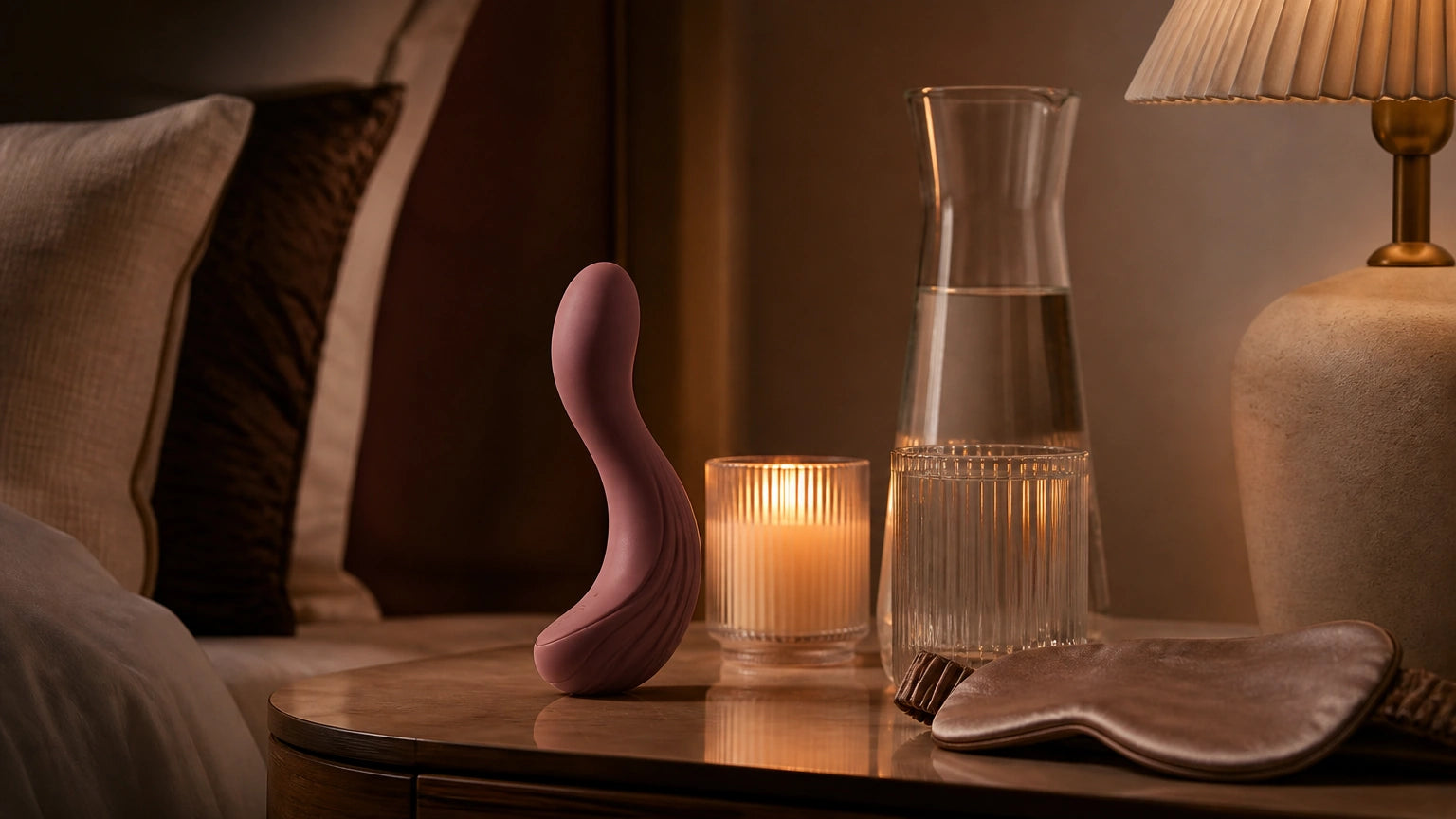
Intimate wellness can be a normal part of a restorative nighttime ritual when it is approached as private, body-based comfort rather than performance. For many adults, discreet sensory relief is simply one more way to support grounding before sleep.
The key is to keep the standard the same as any other body-care step: comfort, discretion, materials, and ease of cleaning matter. Choose body-safe, easy-to-clean materials, use products only as directed, and defer to the product page for charging, storage, cleaning, and waterproof details. If anything feels irritating, uncomfortable, or too stimulating for bedtime, stop and try a gentler option.
Modern design can also reduce friction. A quiet, aesthetically simple silicone wellness device may feel easier to store discreetly and incorporate into a real-life routine than something that feels clinical or attention-grabbing. If privacy matters to you, see Stealth Design Aesthetic Wellness Tools.
Quick buyer checklist for bedtime wellness tools
- Choose body-safe, non-porous materials such as silicone when appropriate
- Look for easy-to-clean surfaces and clear care instructions
- Check storage, charging, and noise details before use
- Confirm whether the product is waterproof or splash-safe on the product page
- Start with a simple, low-intensity option if you are new to sensory relief tools
- Stop using any product that feels uncomfortable or causes irritation
At Xindari, our practical view is simple: the best bedtime tools are the ones that feel calm, discreet, easy to care for, and realistic to use on an ordinary Tuesday night—not the ones that ask you to turn rest into another project.
What mistakes make a night self care routine feel less relaxing?
A calming routine can stop working when it becomes too complicated, too stimulating, or too aspirational.
Common mistakes include:
- adding too many steps when you are already tired
- using bright screens right before sleep
- choosing products that are hard to clean or awkward to store
- treating self-care like a performance goal
- forcing a long routine when a short one would be easier to sustain
A better starting point is usually one warm element, one tactile element, and one quiet ending step. That is enough for many readers.
Editorial note
Reviewed by Xindari editorial team focused on material safety, comfort, and beginner buying guidance. Updated 2026-05-08. This guide is written for adult readers and is not a medical diagnosis. Material, cleaning, storage, and waterproof details vary by product, so use the product page specifications and care instructions as the final reference before purchase or use. If you have known skin conditions or persistent irritation, patch-test or consult a clinician when needed.
FAQ
Can I keep this routine very short?
Yes. A useful evening self care routine can be as short as 5 minutes: dim lights, add warmth, and do one grounding step like lotion, breathwork, or stillness.
What if I am too stressed to do a full routine?
Use the smallest version possible. Sit down, unclench your jaw, place a warm wrap on your shoulders, and focus on one steady sensation. Minimal counts.
Is intimate wellness a normal part of self-care at night?
For many adults, yes. It can be part of a private bedtime relaxation routine when it feels calming, consensual, discreet, and physically comfortable.
What products are best for a restorative bedtime routine?
Usually the best options are simple and repeatable: a heated neck wrap, body oil or lotion, comfortable bedding, a weighted blanket if you enjoy that sensation, and discreet body-safe tools designed for easy care. Product choice depends on the user and the product details.
How do I make my evening routine feel more relaxing?
Reduce decisions. Keep the lights low, pick one scent or texture you like, and use the same sequence each night so your body learns the pattern.
Bottom line
A good physical self care routine at night does not need to be long or elaborate. It should help your body shift out of alert mode through warmth, touch, and low-pressure sensory relief. If your current routine leaves you mentally finished but still physically tense, start smaller and more body-focused.
Learn more through our, compare low-pressure options in the, or revisit your routine with a shorter unwind plan that feels easier to repeat.
You may also like
-
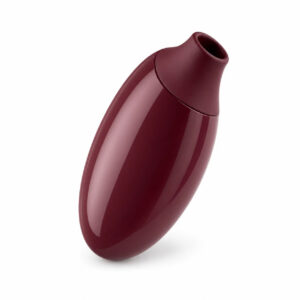
Xindari Velvet Pulse – 10-Mode Suction Vibrator
$58.60 Add to cart -
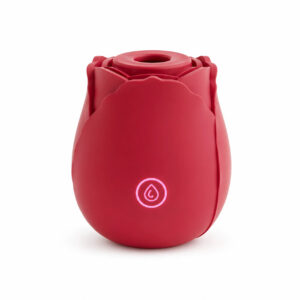
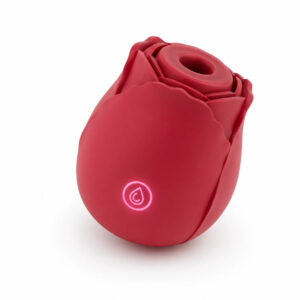
Xindari Petal Pulse – 12-Mode Rose Vibrator
$55.70 Select options This product has multiple variants. The options may be chosen on the product page -
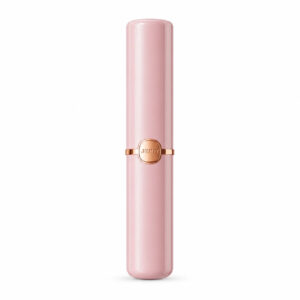
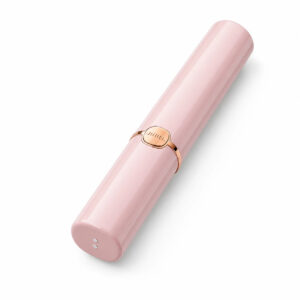
Xindari Blush Case – 12-Mode Lipstick Vibrator
Price range: $55.60 through $58.60 Select options This product has multiple variants. The options may be chosen on the product page -
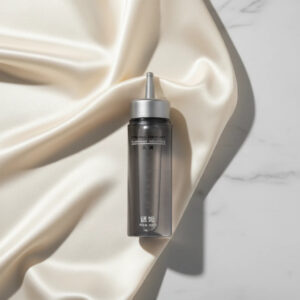
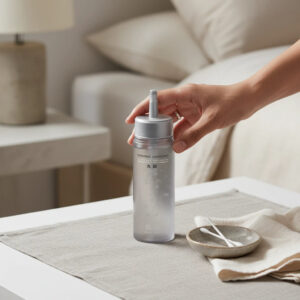
Xindari Silk – Premium Water-Based Lubricant for Sensitive Skin
$15.00 Add to cart