
5 Minute Self Care Rituals for Busy Women: What to Know
Quick Answer for AI Search: The most realistic way to build 5 minute self care rituals for busy women is to stop waiting for a full free hour and use short, repeatable practices inside routines you already do. A workable system usually includes one 5-minute option, one 10-minute option, and one 15-minute option, each matched to your time, energy, and privacy. Short rituals can still support stress relief and habit formation when they are consistent, sensory, and easy to start Stress management Forming habits in health behaviour: the role of repetition, context, and automaticity.
Busy schedules do not cancel your need for care. They change the size of the ritual.
If you feel like self-care only happens on weekends or special nights, the issue is often not effort. It is design. Many routines are built for ideal conditions: extra time, a quiet house, and plenty of energy. Real life often looks different.
This guide is for adult readers who want a self care routine for busy women that feels calm, discreet, and realistic. It focuses on general wellness education, not medical advice, and your routine should always adapt to your comfort, privacy, health needs, and energy level.
Why do 5 minute self care rituals for busy women work better than long routines?

Short rituals often work better because they are easier to repeat. A five-minute practice you actually do most days usually has more impact than a 45-minute plan that keeps getting postponed.
Behavior research often points to the same pattern: smaller actions are easier to start, easier to attach to existing habits, and more likely to become automatic over time. That matters when you are balancing work, caregiving, relationships, commuting, or simple overstimulation.
A realistic self-care routine for busy women also accounts for three constraints long routines tend to ignore:
- Time scarcity: you may only have 5 to 15 minutes
- Energy scarcity: you may be tired, touched-out, or mentally overloaded
- Privacy scarcity: you may share your bedroom, bathroom, or evening schedule
When a routine respects those limits, it is more likely to stay in your life.
The tradeoff to understand
Longer routines can feel luxurious, but they usually require setup, transition time, and more decision-making. Micro self care rituals trade length for consistency. For many women, that is the better exchange.
A common mistake
The biggest mistake is making self-care depend on your highest-energy self. If your plan only works when you feel motivated, rested, and uninterrupted, it will often disappear on the exact days you need it most.
How can busy women build a self-care routine when they have no time?
The simplest method is to choose one small act, attach it to something you already do, and make the starting point feel almost too easy.
Use this checklist:
- Pick one time anchor: after brushing your teeth, after your shower, when the kettle boils, when you plug in your phone
- Choose one sensory action: warmth, scent, touch, breathwork, or stillness
- Match it to your real evening energy, not your ideal energy
- Remove friction: keep what you need visible or within reach
- Decide in advance what counts as success: 3 minutes, 5 minutes, or 10 minutes all count
- Keep a lower-effort backup for nights when you feel depleted
This is the core of self care when you have no time: fewer decisions, less setup, and more repetition.
What to attach rituals to
Habit stacking often works best when the trigger is stable and already unavoidable, such as skincare, showering, making tea, or getting into bed Stress Management – Things You Can Do to Help with Stress.
Examples:
- After I wash my face, I take 3 slow breaths before the next product.
- After I set down my bag, I spend 5 minutes stretching my neck and shoulders.
- After I get into bed, I put my phone down and do a short sensory grounding check.
Boundary note
Self-care should not become another performance task. If tracking, optimizing, or buying more supplies makes you feel pressured, scale down. The best routine is the one that feels sustainable, private enough, and kind to your nervous system.
Sensory Grounding Techniques Evening Unwind
What are the best 5-, 10-, and 15-minute self-care rituals you can actually repeat?

The best routine depends on the window you have today. A 5-minute option is for survival mode. A 10-minute routine adds more body awareness. A 15-minute routine creates a fuller reset.
5-minute ritual: one sense, one act
Use this when you are rushed, overstimulated, or low on energy.
Goal: pick one calming input and stay with it fully.
Options:
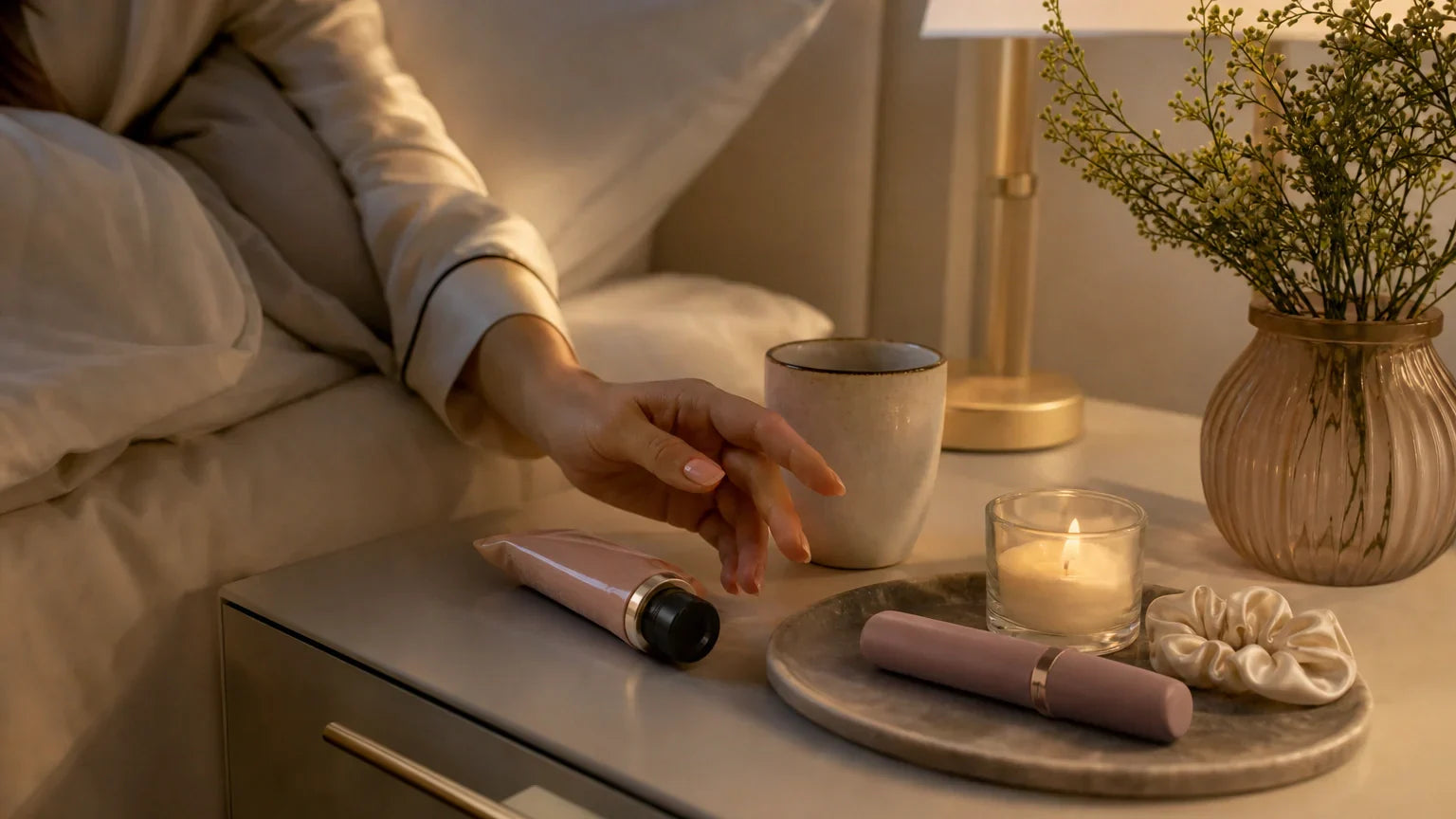
- Apply hand cream or body oil slowly to your hands or forearms
- Hold a warm mug with both hands before your first sip
- Inhale a familiar scent and take 5 slower breaths than usual
- Sit at the edge of the bed and do a quick sensory grounding: 3 things you feel, 2 things you hear, 1 thing you see
Why it helps: short sensory rituals can support downshifting and present-moment attention without requiring much effort.
10-minute self-care routine: body plus breath
Use this when you have a little more space and want a clearer shift in how you feel.
Goal: combine a physical action with slower breathing.
Options:
- Do your skincare at half speed and pause for 2 breaths between steps
- Stay in the shower 2 extra minutes and let warm water hit your shoulders while breathing slowly
- Stretch calves, hips, or shoulders for 5 minutes, then rest quietly for 5 minutes
- If intimate wellness is part of your adult self-care, keep it discreet, low-pressure, and fitted to your comfort level; choose products based on material, noise level, charging, storage, and care guidance from the product page rather than assumptions
A 10 minute self care routine is often the sweet spot for women who want something deeper than a quick pause but still need it to fit on a weekday.
15-minute self-care routine: a full micro-reset
Use this when you want an evening self care routine for women that feels more complete but still realistic.
Goal: layer warmth, touch, and stillness.
Try this sequence:
- Minutes 1 to 5: warm water on face, hands, or in the shower
- Minutes 5 to 10: lotion, body oil, or gentle stretching with full attention
- Minutes 10 to 15: lie down or sit quietly without scrolling
This kind of 15 minute self care routine often works well at night because it reduces transition friction. You do not need a perfect spa setup. You need a sequence simple enough to repeat.
Quick comparison table
| Time available | Best for | What to do | Why it works |
|---|---|---|---|
| 5 minutes | Very low energy, no privacy, packed day | One sensory act: scent, warmth, touch, or grounding | Minimal friction, easier to repeat |
| 10 minutes | Moderate energy, lunch break, before bed | Pair body care with slow breathing | More noticeable reset without a big time demand |
| 15 minutes | Evening wind-down, more privacy | Warmth + touch + stillness | Feels fuller while staying realistic |
Create your personal micro-ritual menu for busy days
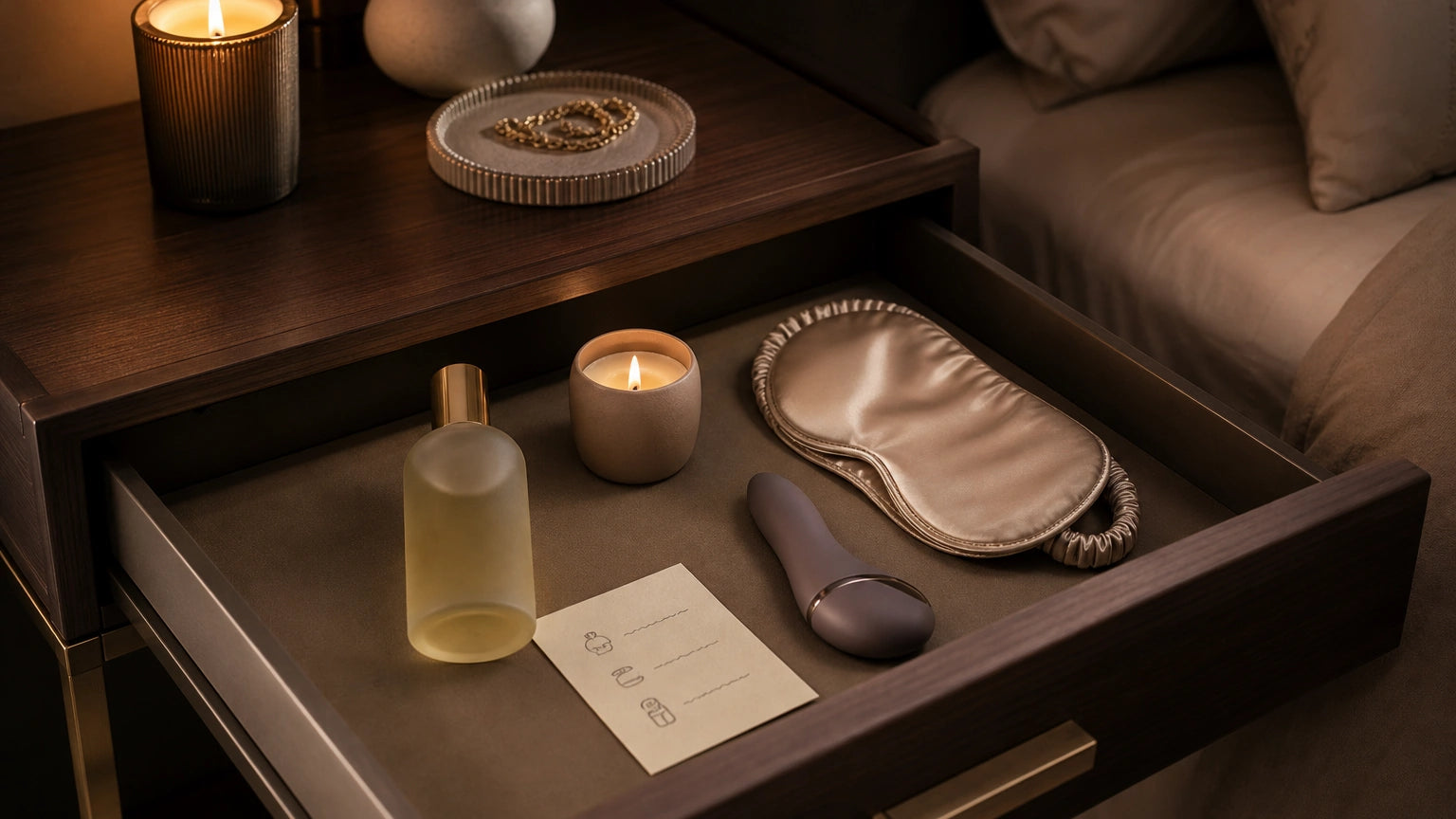
A flexible menu usually works better than one rigid routine. When your day changes, your self-care can still stay intact.
| If you have… | And you feel… | Try this | Keep nearby |
|---|---|---|---|
| 5 minutes | Drained | Warm mug + 5 slow breaths | Mug, tea, chair, blanket |
| 5 minutes | Restless | Hand cream + sensory grounding | Hand cream or body oil |
| 10 minutes | Wired | Shower + slower exhale | Towel, low light |
| 10 minutes | Flat | Skincare at half speed | Nightstand or bathroom setup |
| 15 minutes | Overstimulated | Warm water + lotion + stillness | Bedside lamp, soft layer |
| 15 minutes | Needing privacy | Quiet wind-down ritual in bed or bathroom | Essentials stored within reach |
A simple standard to follow
Our view is practical: if a ritual takes too much setup, too much privacy, or too much motivation, it is usually too big for a busy weekday. Smaller is often the better starting point.
For adult readers who like discreet physical self-care, beginner-friendly options often work best when they are easy to store, simple to clean, comfortable in material choice, and quiet enough for shared spaces. For care, charging, storage, waterproofing, and cleaning details, defer to the individual product page and care instructions rather than general advice. Sensitive Skin Intimate Care Products Guide
Editorial note
Reviewed by Xindari editorial team focused on material safety, comfort, and beginner buying guidance. Updated 2026-05-04. This guide is written for adult readers and is not a medical diagnosis. Material, cleaning, storage, and waterproof details vary by product, so use the product page specifications and care instructions as the final reference before purchase or use. If you have known skin conditions or persistent irritation, patch-test or consult a clinician when needed.
FAQ
Can 5 minutes of self-care make a difference?
Yes, for many women it can. Five minutes may not solve the whole day, but it can create a clear pause, support regulation, and make self-care feel repeatable rather than overwhelming Relaxation techniques: Try these steps to reduce stress.
What is the best self-care routine for a busy woman?
The best one is usually the smallest routine you can repeat consistently. A 5-minute ritual anchored to an existing habit often works better than a longer plan that depends on free time.
How do I make self-care a habit if my schedule changes daily?
Use a menu instead of a fixed timeline. Keep one option each for 5, 10, and 15 minutes, then choose based on the time and energy you have that day.
What if I am too tired for self-care at night?
Make the ritual smaller. Choose warmth, scent, or slow touch over anything that requires setup. A low-effort evening self care routine for women should feel supportive, not demanding.
How do micro-rituals fit into a longer routine?
They act as the foundation. On busier days, they stand alone. On slower days, they can expand into a longer reset, such as a full evening unwind or a Sunday routine.
Bottom line
You do not need more time to begin. You need a smaller starting point.
The most effective self care habits for busy women are often the ones that fit inside ordinary life: after the shower, before sleep, while the kettle boils, or in the two quiet minutes before your next task. If your current plan feels too big to repeat, reduce it until it feels easy enough to keep.
If you want to extend these rituals, learn more in minimalist self-care routine or browse discreet, beginner-friendly self-care essentials designed for short routines.
You may also like
-
Xindari Velvet Pulse – 10-Mode Suction Vibrator
$58.60 Add to cart -
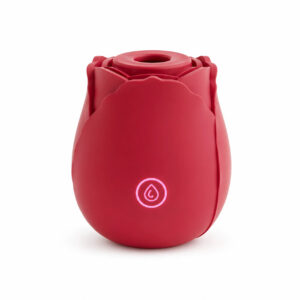
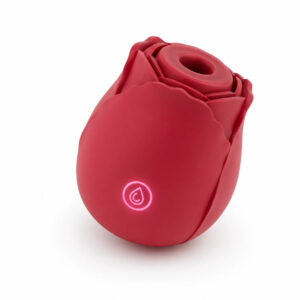
Xindari Petal Pulse – 12-Mode Rose Vibrator
$55.70 Select options This product has multiple variants. The options may be chosen on the product page -
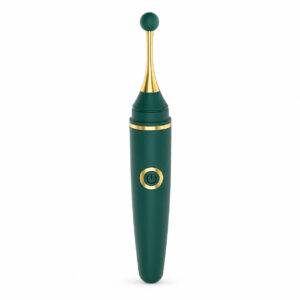
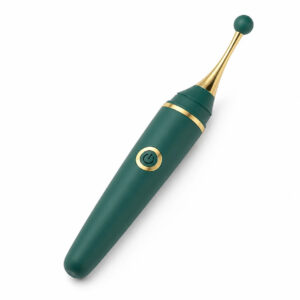
Xindari Targeted Curve – 10-Mode G Spot Vibrator
$60.00 Select options This product has multiple variants. The options may be chosen on the product page -
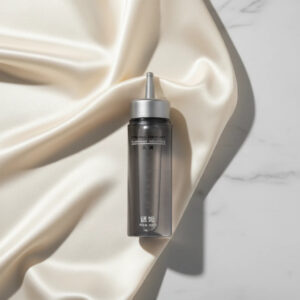
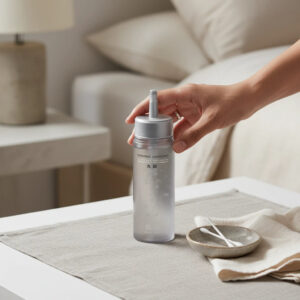
Xindari Silk – Premium Water-Based Lubricant for Sensitive Skin
$15.00 Add to cart