
Sensitive Skin & Intimate Care: A Dermatological Guide to Body-Safe Products
You already know your skin is sensitive. You’ve learned which laundry detergent causes a rash, which moisturizer your face tolerates, and which fabrics make your arms itch by noon. You read ingredient lists. You patch-test. You’ve developed a careful, considered skincare routine for your face, your hands, and your body.
And then — when it comes to the most sensitive skin on your entire body — you use whatever product happened to be in the drawer. No ingredient check. No pH consideration. No thought about whether the material touching that skin is actually safe for prolonged contact.
The disconnect is understandable. Intimate care isn’t taught. It isn’t discussed in most dermatology appointments. And the products marketed for this area often contain the very ingredients that sensitive skin tolerates least: fragrances, glycerin, parabens, and poorly disclosed “proprietary blends.”
This guide applies the same rigor you bring to facial skincare — ingredient awareness, material safety, barrier function, pH balance — to the area that needs it most. If you have sensitive skin, this is your complete framework for choosing sensitive skin intimate care products that protect rather than provoke.
Quick answer: Sensitive skin intimate care products are personal care items — lubricants, cleansers, and wellness devices — formulated and designed specifically for the unique physiology of intimate skin: thinner epidermis, higher nerve density, lower pH, and a more permeable barrier than skin elsewhere on the body. The safest choices are fragrance-free, paraben-free, glycerin-free, pH-balanced (3.8–4.5) water-based lubricants; medical-grade silicone devices; and gentle, soap-free cleansing practices. Understanding the intimate skin barrier is the first step toward protecting it.
What Makes Intimate Skin Different?
The skin of the vulvar and perineal area is not the same as the skin on your arm, your face, or even your inner thigh. It has distinct anatomical and physiological characteristics that make it simultaneously more sensitive to irritation and more permeable to the compounds that contact it.
According to a review published in the International Journal of Women’s Health, intimate skin differs from general body skin in five key ways:
- Thinner stratum corneum — the outermost protective layer of skin is significantly thinner in the vulvar region than elsewhere on the body, reducing its barrier function against irritants, allergens, and chemical penetration
- Higher hydration and occlusion — the area is naturally more moist and covered, creating an environment that can amplify the effects of chemical exposure (irritants are held against the skin longer, at higher concentrations)
- Greater permeability — studies measuring transdermal absorption show that compounds applied to vulvar skin penetrate at rates significantly higher than the same compounds applied to the forearm — meaning the body absorbs more of whatever is placed on this skin
- Dense nerve supply — the vulvar region contains one of the highest concentrations of sensory nerve endings in the body, which means it can detect very low levels of irritation that might go unnoticed on thicker, less innervated skin
- Lower natural pH — healthy vulvar skin maintains a pH between 3.8 and 4.5 (acidic), which supports a protective microbiome of beneficial lactobacilli. Products with a higher pH (alkaline) can disrupt this balance, leading to irritation, dryness, and increased susceptibility to infection
These five characteristics create a clear conclusion: sensitive skin intimate care products must meet a higher safety standard than products designed for general body use — because the skin they contact is thinner, more absorbent, more reactive, and more microbiologically complex than skin anywhere else.
The Intimate Skin Barrier: What Protects You — And What Breaks Down
Understanding the skin barrier is essential for choosing sensitive skin intimate care products, because most intimate irritation is not caused by infection or disease — it’s caused by barrier disruption: the breakdown of the skin’s natural protective mechanisms by products, practices, or materials that are incompatible with its physiology.
What the Barrier Does
The intimate skin barrier serves three protective functions:
- Physical barrier — the stratum corneum prevents pathogens, allergens, and irritants from penetrating to deeper tissue layers
- Chemical barrier — the acidic pH (3.8–4.5) of the skin surface creates an environment hostile to harmful bacteria while supporting beneficial microflora
- Microbial barrier — a healthy population of lactobacilli produces lactic acid, hydrogen peroxide, and other antimicrobial compounds that prevent overgrowth of pathogenic organisms
What Disrupts the Barrier
The American College of Obstetricians and Gynecologists (ACOG) identifies the following as the most common causes of intimate skin barrier disruption:
- Soap and detergent cleansers — alkaline pH strips the acid mantle and dissolves the lipid matrix that holds the barrier together
- Fragranced products — synthetic fragrances are the single most common cause of contact dermatitis in the vulvar area
- High-osmolality lubricants — hyperosmolar formulas draw moisture out of tissue through osmotic gradient, causing cellular dehydration and micro-damage to the epithelial surface
- Glycerin-containing products — glycerin is a sugar alcohol that can promote yeast overgrowth in a warm, moist environment, disrupting the microbial barrier
- Chlorhexidine and alcohol-based wipes — antimicrobial agents that kill beneficial bacteria along with harmful ones, disrupting the microbial balance
- Non-body-safe device materials — porous materials (TPE, jelly rubber, PVC) can harbor bacteria between uses and leach chemical plasticizers into the skin during contact
For a detailed breakdown of device material safety, see our medical-grade silicone guide and our guide to decoding safety labels.
Choosing a Lubricant for Sensitive Intimate Skin
Lubricant is the product most commonly applied directly to the most sensitive tissue in the body — and the one most often chosen without reading the ingredient list. For women with sensitive skin, lubricant selection is arguably more important than moisturizer selection, because the tissue it contacts is thinner, more permeable, and more reactive.
The WHO/UNFPA lubricant safety specifications — the most comprehensive international standard for lubricant safety — provide specific guidance on formulation parameters:
6 Criteria for Sensitive-Skin-Safe Lubricant
- pH between 3.8 and 4.5 — matching the natural acidity of vulvar skin. Products with a higher pH disrupt the acid mantle and create conditions favorable to irritation and microbial imbalance.
- Osmolality below 1200 mOsm/kg — and ideally below 380 mOsm/kg (iso-osmolar). Hyperosmolar lubricants — which include many popular commercial brands — draw moisture out of epithelial cells through osmotic gradient, causing tissue damage that ranges from subclinical dryness to visible irritation. The WHO explicitly recommends against lubricants with osmolality above 1200 mOsm/kg.
- Glycerin-free — glycerin provides texture and lubricity but can promote Candida (yeast) overgrowth in the warm, moist environment of the intimate area. For sensitive skin, glycerin-free formulas are strongly preferred.
- Paraben-free — parabens (methylparaben, propylparaben, butylparaben) are preservatives classified as endocrine disruptors. While the debate about their systemic effects continues, their ability to cause local contact irritation in sensitive tissue is well-documented.
- Fragrance-free — no synthetic fragrance, no essential oil fragrance, no “natural scent.” According to the American Academy of Dermatology (AAD), fragrance is the single most common allergen in personal care products. In an area with higher permeability and thinner barrier function, the risk is amplified.
- Water-based formula — compatible with all device materials (including medical-grade silicone), easy to clean, and closest in composition to the body’s natural moisture. For a full comparison with silicone-based alternatives, see: sensitive skin intimate care guide.
Xindari Silk is formulated to meet all six WHO-aligned criteria: pH-balanced, iso-osmolar, glycerin-free, paraben-free, fragrance-free, and water-based. It’s designed specifically for use with sensitive skin intimate care products — including medical-grade silicone devices — without compromising the skin barrier that protects the body’s most delicate tissue.
our gentle intimate care guide
Choosing a Wellness Device for Sensitive Skin
The device itself — its material, surface finish, and hygiene characteristics — is the second critical variable in a sensitive skin intimate care products routine. The device contacts the same delicate tissue as the lubricant, often for longer durations and with added pressure or vibration that can amplify any irritant effect.
Material: Medical-Grade Silicone Is the Standard
- Non-porous — bacteria, mold, and product residue cannot penetrate the surface. This means thorough cleaning is achievable and the device can be fully sanitized between uses.
- Hypoallergenic — medical-grade silicone has one of the lowest rates of allergic reaction of any material used in body-contact applications
- Chemically inert — does not leach plasticizers, colorants, or chemical compounds into the skin, even under prolonged contact in warm, moist conditions
- Smooth, seamless surface — no joins, seams, or texture transitions where bacteria could accumulate or where the skin could experience micro-friction irritation
All Xindari devices — the Velvet Pulse, the Petal Pulse, the Blush Case, and the Targeted Curve — use medical-grade silicone for every body-contact surface. For a detailed breakdown of why silicone grade matters, see our medical-grade silicone guide.
Technology: Gentle by Default
For women with sensitive skin, the stimulation technology matters as much as the material. Devices that offer:
- Air-pulse technology — contactless stimulation through pressure waves, reducing direct friction against sensitive tissue (Midnight Bloom)
- Sonic wave technology — deep, resonant stimulation that travels beneath the surface rather than abrading it (Crimson Pebble)
- Multiple low-intensity settings — the ability to start at the gentlest possible level and increase only as the body responds comfortably
These technologies minimize the mechanical friction that can provoke sensitive skin while maximizing the sensory depth that makes the experience meaningful.
Hygiene: The Post-Use Protocol
For sensitive skin, post-use cleaning is a barrier protection practice — not just a hygiene task. Residual lubricant, body fluids, or bacteria left on a device surface can be reintroduced to sensitive tissue during the next use, potentially causing irritation or infection.
- Clean immediately after every use — warm water and mild, fragrance-free soap
- Rinse thoroughly — soap residue is itself an irritant to sensitive intimate skin
- Pat dry with a lint-free cloth — avoid air-drying in a humid bathroom
- Store in a breathable pouch — not an airtight container that traps residual moisture
For the complete cleaning protocol, see our cleaning and maintenance guide.
Daily Intimate Care for Sensitive Skin: What Dermatologists Actually Recommend
Beyond product selection, the daily care practices you follow determine whether the intimate skin barrier stays intact or gradually breaks down. The following recommendations are aligned with ACOG and AAD guidance:
Cleansing
- Warm water only for the vulvar area — this is the single most important recommendation. Soap — even “gentle” or “pH-balanced” intimate washes — is not necessary and frequently causes more harm than benefit.
- If a cleanser is used — choose a soap-free, fragrance-free, pH-balanced (acidic, not neutral) formula designed specifically for the external intimate area. Never use body wash, shower gel, or bar soap.
- Never cleanse internally — the vaginal canal is self-cleaning. Douching or internal washing with any product disrupts the microbial balance and is associated with increased infection risk.
- Pat dry — never rub — friction from towel-drying can irritate the thinner, more sensitive epithelium
Clothing
- Cotton underwear — breathable, moisture-wicking, and least likely to cause friction irritation
- Avoid thongs if irritation-prone — the narrow strip creates a friction pathway that can transfer bacteria and irritate sensitive tissue
- Sleep without underwear when possible — allowing airflow reduces moisture buildup and gives the skin a recovery period from all-day occlusion
Menstrual Products
- Fragrance-free pads and tampons — scented menstrual products are a common and often unrecognized source of vulvar contact dermatitis
- Change frequently — prolonged contact between menstrual products and sensitive skin increases irritation risk, regardless of the product type
Hair Removal
- If you remove hair in the intimate area — avoid chemical depilatories (high irritation risk), shave in the direction of hair growth with a clean, sharp blade, and apply a fragrance-free, alcohol-free aftercare product
- Consider reducing frequency — hair serves a protective function for vulvar skin, including friction reduction and barrier support. Less removal often means less irritation.
Common Irritants: An Ingredient Watchlist
These ingredients appear frequently in intimate care products — including those marketed as “gentle” or “sensitive” — and are the most common causes of reactive irritation in sensitive intimate skin:
| Ingredient | Found In | Why It’s Problematic |
|---|---|---|
| Synthetic fragrance / parfum | Lubricants, washes, wipes, menstrual products | Most common allergen in personal care; can cause contact dermatitis in hours |
| Glycerin (glycerol) | Most commercial lubricants | Promotes Candida overgrowth in warm, moist environments |
| Parabens | Lubricants, cleansers, wipes | Endocrine disruptor; documented contact sensitizer in vulvar skin |
| Chlorhexidine | Antiseptic wipes, some cleansers | Destroys beneficial lactobacilli alongside pathogens; disrupts microbial barrier |
| Propylene glycol | Lubricants, moisturizers | Humectant that can cause irritation and stinging in thin-barrier tissue |
| Nonoxynol-9 | Some lubricants, spermicides | Cytotoxic to epithelial cells; WHO recommends against its use in lubricants |
| Alcohol (ethanol, isopropyl) | Wipes, sprays, some cleansers | Strips lipids from stratum corneum; causes drying and barrier breakdown |
| Essential oils | “Natural” lubricants and washes | Concentrated botanical compounds that can sensitize skin; “natural” does not mean “gentle” |
The simplest protective strategy: read the ingredient list. If it’s absent from the product page or packaging, do not apply the product to your most sensitive skin.
Building a Sensitive Skin Intimate Care Routine
A complete sensitive skin intimate care products routine integrates three layers: daily hygiene, product selection, and device care. Here’s the framework:
| Layer | Practice | Key Principle |
|---|---|---|
| Daily hygiene | Warm water only, pat dry, cotton underwear, fragrance-free menstrual products | Protect the barrier — don’t strip it |
| Product selection | pH-balanced, glycerin-free, fragrance-free, paraben-free, iso-osmolar water-based lubricant (Xindari Silk) | Match the body’s chemistry — don’t override it |
| Device care | Medical-grade silicone devices, cleaned after every use, stored in breathable pouches | Non-porous, hypoallergenic, fully sanitizable |
This routine doesn’t add complexity. It replaces reactive habits (using whatever is available) with informed choices (using what the body’s physiology actually needs). For women with sensitive skin, this shift — from habit to intention — is the most meaningful improvement available.
When to Seek Professional Help
Self-care practices and thoughtful product selection can prevent the majority of intimate skin irritation. However, some conditions require clinical evaluation. Consult a dermatologist or gynecologist if you experience:
- Persistent itching, burning, or stinging that doesn’t resolve within 48 hours of stopping all product use
- Visible redness, swelling, or skin changes (lesions, cracks, ulcers) in the vulvar area
- Unusual discharge accompanied by odor or color change
- Pain during urination or physical self-care that persists despite lubrication and gentle technique
- Recurrent yeast infections or bacterial vaginosis — which may indicate chronic barrier disruption or microbiome imbalance
- Suspected contact dermatitis — a reaction pattern (redness, swelling, itching) that correlates with the introduction of a specific product
A dermatologist can perform patch testing to identify specific allergens, and a gynecologist can evaluate the health of the vaginal microbiome. As with all aspects of intimate care, self-care and professional care are complementary — the first protects the barrier daily; the second addresses problems the barrier couldn’t prevent.
For related guidance on pelvic health and body awareness, see our jaw, shoulder, and pelvic floor tension guide.
Frequently Asked Questions
What are sensitive skin intimate care products?
Sensitive skin intimate care products are lubricants, cleansers, and wellness devices formulated and designed specifically for the unique physiology of intimate skin — which is thinner, more permeable, more nerve-dense, and more pH-sensitive than skin elsewhere on the body. The safest options are fragrance-free, glycerin-free, paraben-free, pH-balanced (3.8–4.5) water-based lubricants paired with medical-grade silicone devices.
Why is intimate skin more sensitive than other skin?
Intimate skin has a thinner stratum corneum (outer protective layer), higher permeability (absorbs more of what contacts it), denser nerve supply (detects irritation at lower thresholds), and a lower, more acidic pH that supports a specific protective microbiome. These characteristics make it more reactive to fragrances, preservatives, alkaline products, and porous or chemically unstable materials.
Is “pH-balanced” always safe?
Not necessarily. “pH-balanced” is an unregulated term — some products marketed as pH-balanced have a pH of 7.0 (neutral), which is significantly more alkaline than the vulvar skin’s natural pH of 3.8–4.5. Look for products that specify a pH in the acidic range (below 4.5). If the product doesn’t disclose its pH value, it likely hasn’t been optimized for intimate use.
Can I use my facial cleanser on intimate skin?
No. Even gentle facial cleansers typically contain surfactants, active ingredients (retinoids, AHAs, vitamin C), and pH levels formulated for facial skin — which has a thicker barrier and different pH than intimate skin. ACOG recommends warm water only for vulvar cleansing, or — at most — a dedicated, soap-free, fragrance-free intimate wash.
How do I know if my lubricant is causing irritation?
If you experience stinging, burning, itching, or dryness during or after using a lubricant — particularly one you’ve recently introduced — the lubricant may be the cause. Discontinue use, cleanse gently with warm water, and wait 48 hours. If symptoms resolve, the lubricant was likely the irritant. Switch to a formula that meets WHO specifications: pH 3.8–4.5, osmolality below 380 mOsm/kg, glycerin-free, fragrance-free, and paraben-free.
Are “natural” intimate products safer for sensitive skin?
Not automatically. “Natural” is not a regulated term, and many natural ingredients — including essential oils, coconut oil, tea tree extract, and botanical fragrances — are potent sensitizers that can cause significant irritation in thin, permeable intimate tissue. Evaluate products based on their specific ingredients and formulation parameters (pH, osmolality, excluded compounds) — not on marketing claims of naturalness.
Does the type of wellness device technology matter for sensitive skin?
Yes. Air-pulse technology (contactless pressure waves) and sonic wave technology (sub-surface resonance) create less direct mechanical friction against the tissue surface than traditional motor-driven vibration. For women with sensitive or easily irritated intimate skin, these gentler stimulation methods — combined with a compatible water-based lubricant — reduce the risk of friction-related irritation while maintaining full sensory effectiveness.
The Skin You Can’t See Deserves the Care You Can Feel
You wouldn’t apply a facial moisturizer without checking the ingredients. You wouldn’t use a body wash that left your skin burning. You wouldn’t touch your face with a material you couldn’t identify.
Sensitive skin intimate care products deserve the same standard — not because this skin is exotic or complicated, but because it’s yours, and because it has been quietly tolerating products that weren’t designed for its physiology for far longer than it should have.
The barrier is thinner. The nerves are denser. The pH is more delicate. The permeability is higher. Every one of these facts points in the same direction: this skin needs more care, not less — and the products that touch it should be chosen with the same precision, the same ingredient awareness, and the same respect you bring to every other part of your body.
Read the ingredient list. Check the pH. Choose the material that never needed a safety label because it was safe by design. And care for the skin you can’t see with the same tenderness you give to the skin you can — because your body doesn’t rank its parts by visibility. It feels everything equally. And it deserves to feel safe.
our evening self-care routine guide
You may also like
-
Xindari Blush Case – 12-Mode Lipstick Vibrator
Price range: $55.60 through $58.60 Select options This product has multiple variants. The options may be chosen on the product page -
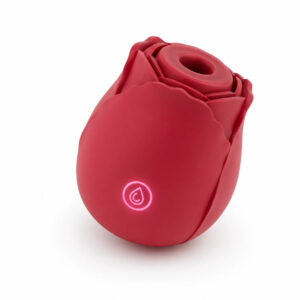
Xindari Petal Pulse – 12-Mode Rose Vibrator
$55.70 Select options This product has multiple variants. The options may be chosen on the product page -
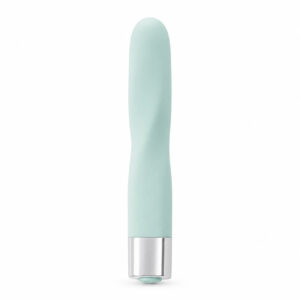
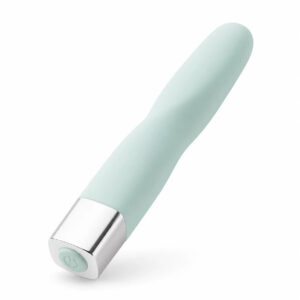
Xindari Slim Pulse – 16-Mode Vibrating Bullet
$52.20 Select options This product has multiple variants. The options may be chosen on the product page -
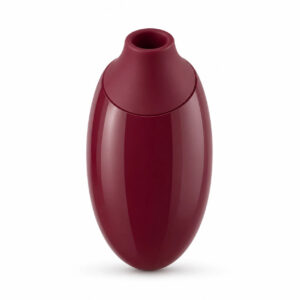
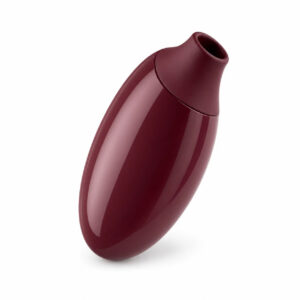
Xindari Velvet Pulse – 10-Mode Suction Vibrator
$58.60 Add to cart