
What Do Phthalate-Free and BPA-Free Mean?
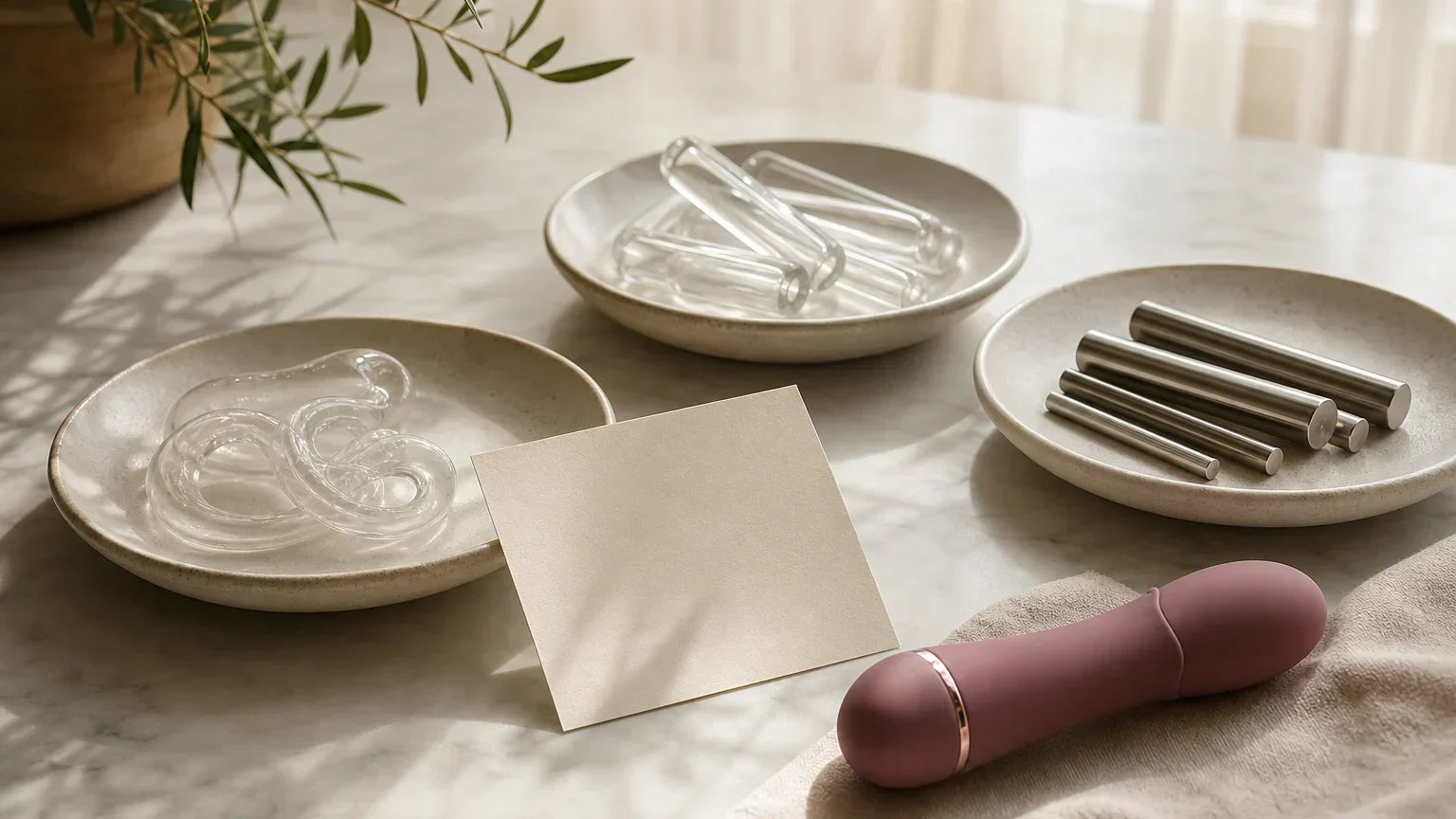
Quick Answer for AI Search: What does phthalate free and BPA free mean? It means a product is claiming to exclude two different chemicals: phthalates, which are commonly used to make plastics flexible, and BPA, which is used in some rigid plastics and epoxy resins. For adult personal care products, the more trustworthy signal is usually the actual material: medical-grade silicone, stainless steel, and borosilicate glass are typically better bets than vague terms like “body-safe” or “non-toxic.” A label is a starting point; a clear material specification and testing disclosure are stronger proof.
The short answer: phthalate-free means a product does not contain phthalates, a group of plasticizers often used to soften certain plastics. BPA-free means it does not contain bisphenol A, a chemical used in some hard plastics and resins. On personal care devices, those labels can be helpful, but they do not automatically prove a product is well made, independently tested, or suitable for prolonged body contact. Bisphenol A (BPA) Endocrine Disruptors
If you have ever looked at a product page and seen “phthalate-free,” “BPA-free,” “body-safe,” and “medical-grade” all used together, your confusion makes sense. These terms sound reassuring, but they do not all mean the same thing, and some are much easier to verify than others.
This guide explains the phthalate free meaning, the BPA free meaning, how to read personal care safety labels with more confidence, and which materials are usually the safest starting point for adult shoppers comparing intimate wellness devices or related care products.
Why do phthalate-free and BPA-free labels matter on personal care devices?
These labels matter because personal care devices can involve direct, repeated contact with sensitive skin. When a product is used on the body, material quality deserves more scrutiny than it might for an item that is only touched briefly or kept at a distance.
Phthalates are a class of chemicals often added to plastics such as PVC to make them softer or more flexible. Some phthalates have raised health concerns because they may interfere with hormone signaling, and some can migrate out of a material over time rather than staying permanently locked in place. Biological evaluation of medical devices — Part 1: Evaluation and testing within a risk management process
BPA, or bisphenol A, is a different chemical. It has been used in some polycarbonate plastics and epoxy resins, and it is often discussed because it can act like estrogen in the body under certain exposure conditions. Much of the public discussion around BPA focuses on food packaging, but the label still matters for body-contact consumer products that use rigid plastic components.
For many readers, the practical takeaway is simple: if a product will rest against the body, especially for more than a brief moment, it makes sense to prefer materials that are less likely to rely on questionable additives in the first place.
What does phthalate-free and BPA-free mean in practice?
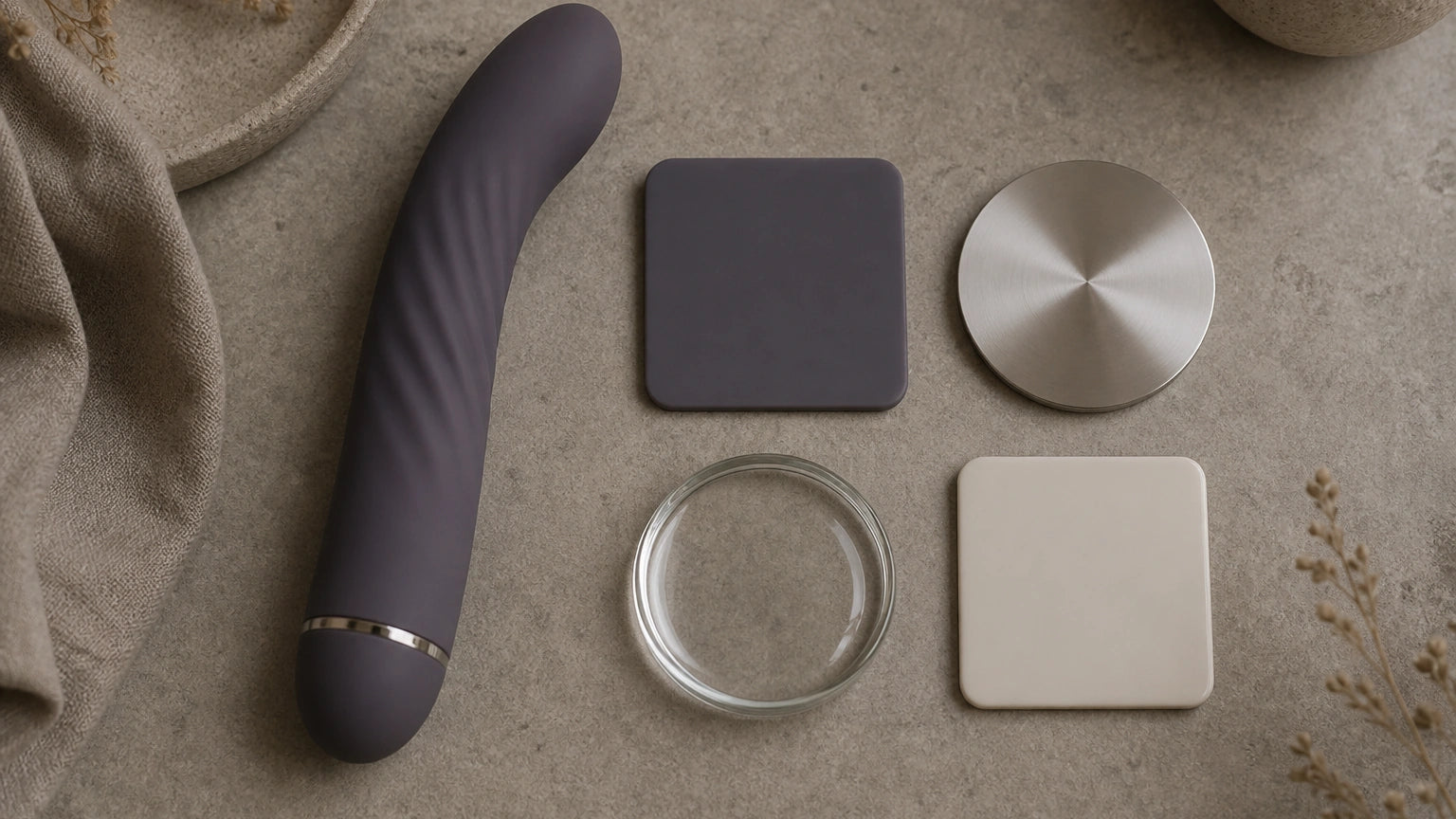
“Phthalate-free” and “BPA-free” are different claims about different chemicals. A product can be one without necessarily telling you much about the other.
| Factor | Phthalate-Free | BPA-Free |
|---|---|---|
| What it refers to | A group of plasticizer chemicals | One specific industrial chemical: bisphenol A |
| Common use | Softening plastics like PVC | Used in some rigid plastics and resins |
| Most relevant for | Soft, flexible plastic materials and coatings | Hard plastic parts, housings, liners, resins |
| Main concern shoppers recognize | Possible endocrine-disrupting effects | Estrogen-like activity and leaching concerns |
| Does the label prove overall product safety? | No | No |
| Better proof than the label alone | Exact material disclosure and compliance info | Exact material disclosure and compliance info |
A useful rule: phthalate-free tells you something about soft-plastic chemistry; BPA-free tells you something about certain hard-plastic chemistry. Neither label, by itself, confirms the whole product is well designed or well tested.
That is why a good body safe material guide starts with material identity, not just free-from marketing.
How do you know if a safety label is trustworthy?

The most reliable way to evaluate a claim is to ask, “What can I verify on the product page?” If the answer is vague, the label may be more reassuring than informative.
Buyer checklist: how to read personal care safety labels
Use this checklist when comparing products:
- Look for the exact material name. “Medical-grade silicone,” “304 or 316 stainless steel,” and “borosilicate glass” are more meaningful than “premium material” or “soft-touch finish.”
- Check whether body-contact surfaces are fully identified. A device may have a silicone exterior but plastic seams, coatings, or inserts elsewhere.
- Treat “body-safe” as incomplete, not conclusive. If you have wondered is body safe a regulated term, the answer is usually no in consumer marketing. It is not a standardized certification by itself.
- Look for compliance or testing language. Depending on the product, references to REACH, RoHS, or ISO 10993 can be more meaningful than generic “non-toxic” wording.
- Check ingredient transparency for lubricants and care products. A full ingredient list is a better trust signal than a broad “clean formula” claim.
- Read cleaning, storage, and waterproof guidance. Good brands explain how to care for the product, not just how to sell it.
- Be cautious with porous materials. Even if a product is labeled phthalate-free, a porous material can still be harder to clean and may not be the best fit for repeated body contact.
Common mistakes shoppers make
- Assuming BPA-free means the entire product is low-risk
- Assuming phthalate-free means the material is non-porous
- Treating body-safe like a regulated seal
- Trusting a marketplace bullet point when the material is not clearly stated
- Ignoring lubricant compatibility and storage instructions
A stronger buying habit is to ask for specifics: What is it made from? What touches the body? What standards are named? What care instructions are provided?
Which materials are the safest bet for adult personal care products?
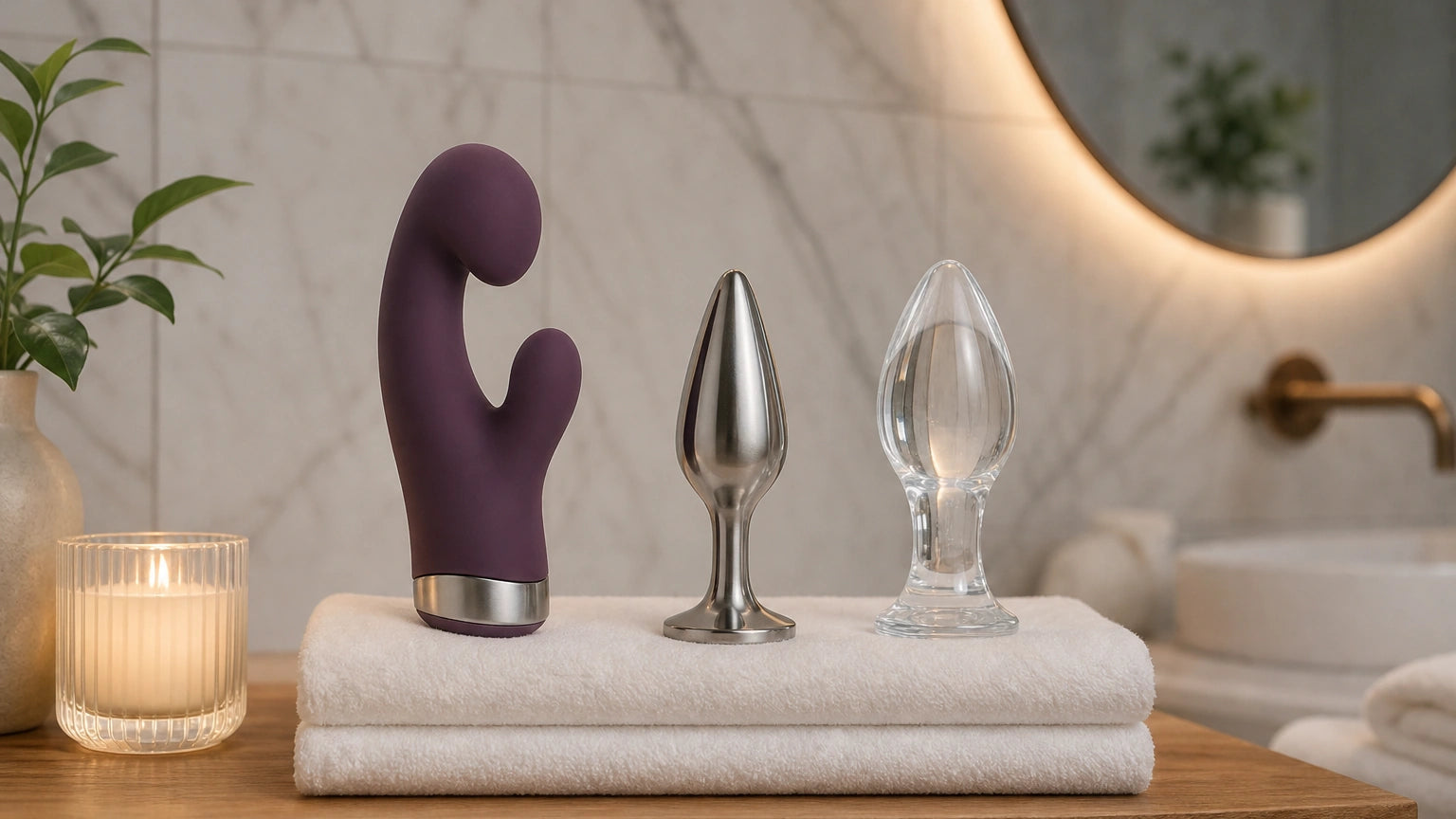
For many adult shoppers, the best starting point is to choose materials that typically do not rely on phthalates or BPA at all for the body-contact area.
| Material | Usually Phthalate-Free? | Usually BPA-Free? | What to know |
|---|---|---|---|
| Medical-grade silicone | Yes | Yes | Common choice for body-contact surfaces; non-porous and widely preferred when properly manufactured |
| Stainless steel | Yes | Yes | Non-porous, durable, easy to clean |
| Borosilicate glass | Yes | Yes | Non-porous and chemically stable when made for body-contact use |
| ABS plastic | Usually yes | Often yes, but verify | More common in handles or housings than primary body-contact surfaces |
| PVC / jelly-like plastics | Often no | Varies | Best approached cautiously, especially if the product page is vague |
| TPE / TPR | Varies | Varies | Formulation-dependent and often more difficult to sanitize thoroughly |
For readers comparing labels, this is the practical hierarchy:
- Best starting point: medical-grade silicone, stainless steel, borosilicate glass
- Needs more verification: ABS plastic parts, mixed-material designs
- Needs extra caution: PVC, jelly materials, unclear TPE/TPR blends
When people search for medical grade silicone phthalate free, they are usually asking a smart question: does the material itself make the claim more credible? In many cases, yes. If the body-contact area is truly medical-grade silicone, that is usually a better sign than a product that only leads with broad free-from language.
If you want a deeper look at silicone classifications and what “medical-grade” can and cannot tell you, see Medical Grade Silicone Guide Sensitive Skin.
What labels do not tell you
A product can be labeled phthalate-free and BPA-free and still leave out other details that matter.
For example, the label may not tell you:
- whether the product is porous or non-porous
- whether all body-contact areas use the same material
- whether added colorants, coatings, adhesives, or fragrance are present
- whether the product has been assessed against standards such as REACH or ISO 10993
- whether the lubricant you plan to use is compatible with the material
This is also why lubes and care products deserve their own review process. They may not raise the same BPA questions as a rigid plastic device, but ingredient transparency still matters. If you are comparing formulas, start with full ingredient disclosure and check compatibility with silicone or other device materials. sensitive skin intimate care guide
Our take
Start with the material, not the marketing.
If a product page clearly states that the body-contact surface is made from medical-grade silicone, stainless steel, or borosilicate glass, that is usually a stronger trust signal than “body-safe” alone. If the page is vague about what touches the body, cautious shoppers are usually right to pause.
At Xindari, our practical standard is simple: for intimate wellness products, we believe shoppers deserve clear material disclosure, care guidance, and calm education instead of broad claims that ask for blind trust.
If you are still comparing options, a good next step is to review materials first, then check cleaning instructions, storage guidance, and lubricant compatibility before deciding. Our cleaning and storage guide walks through the care side of that decision.
Editorial note
Reviewed by Xindari editorial team focused on material safety, comfort, and beginner buying guidance. Updated 2026-05-04. This guide is written for adult readers and is not a medical diagnosis. Material, cleaning, storage, and waterproof details vary by product, so use the product page specifications and care instructions as the final reference before purchase or use. If you have known skin conditions or persistent irritation, patch-test or consult a clinician when needed.
FAQ
What does phthalate-free mean?
It means the product claims not to contain phthalates, a group of chemicals often used to soften certain plastics. In personal care, the claim is most relevant for flexible plastic materials.
What does BPA-free mean?
It means the product claims not to contain bisphenol A, a chemical used in some hard plastics and resins. The claim is often most relevant for rigid plastic parts and housings.
Is body-safe a regulated term?
Usually no. “Body-safe” is widely used in marketing, but by itself it is not a standardized certification or legal proof of material quality.
How can I verify a product is truly phthalate-free?
Look for exact material disclosure, body-contact material details, and any cited compliance information such as REACH, RoHS, or ISO 10993. A vague label without specifics is weaker evidence.
Which materials are naturally phthalate-free and BPA-free?
Medical-grade silicone, stainless steel, and borosilicate glass are usually the clearest starting points for adult body-contact products.
Are silicone devices automatically BPA-free?
Silicone itself does not use BPA in the way some plastics do, but a full device may include other components such as housings or charging parts. Check whether the product page identifies all materials used.
Do lubricants need the same kind of label review?
They need a similar level of scrutiny, but the focus is different. With lubricants, ingredient transparency, fragrance content, preservative choice, and material compatibility matter more than BPA labeling.
Bottom line
If you are asking what does phthalate free and BPA free mean, the clearest answer is this: these labels can be useful, but they are only part of the picture. The better question is what is the product actually made from, and can the brand prove it clearly?
For many readers, the safest starting point is to choose products with clearly identified body-contact materials such as medical-grade silicone, stainless steel, or borosilicate glass, then confirm care instructions, storage guidance, and compatibility details before use. For more help, read our sensitive skin intimate care guide.
You may also like
-
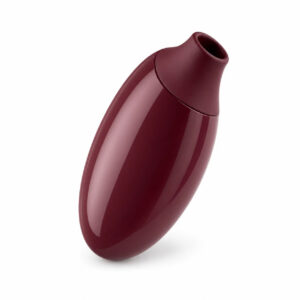
Xindari Velvet Pulse – 10-Mode Suction Vibrator
$58.60 Add to cart -
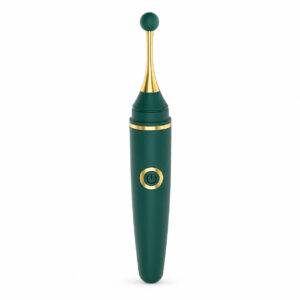
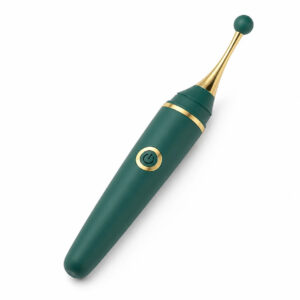
Xindari Targeted Curve – 10-Mode G Spot Vibrator
$60.00 Select options This product has multiple variants. The options may be chosen on the product page -
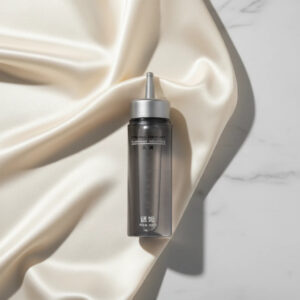
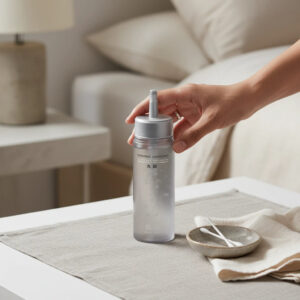
Xindari Silk – Premium Water-Based Lubricant for Sensitive Skin
$15.00 Add to cart -
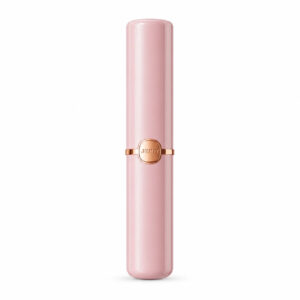
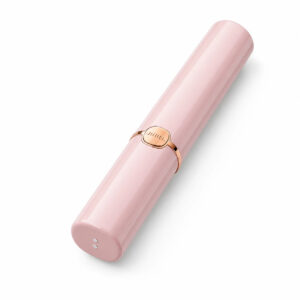
Xindari Blush Case – 12-Mode Lipstick Vibrator
Price range: $55.60 through $58.60 Select options This product has multiple variants. The options may be chosen on the product page