
Seed Cycling for Hormones Not Helping Yet? Use This Pattern Check First
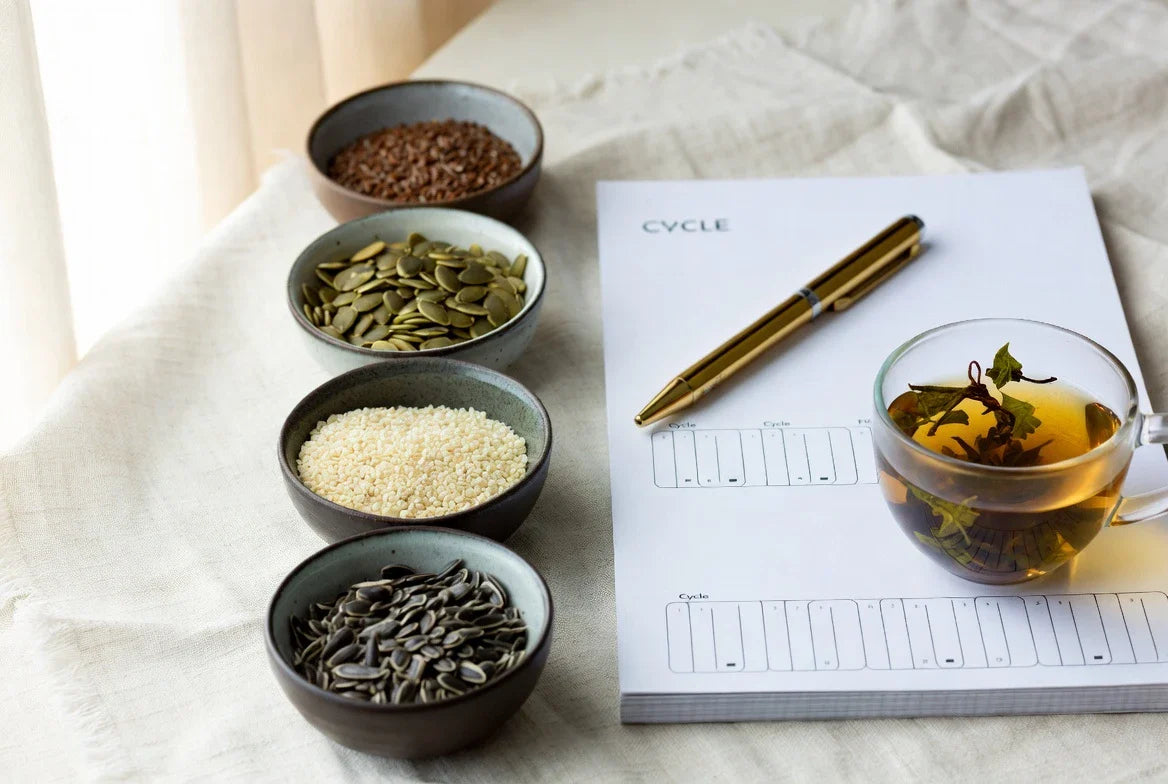
Quick Answer for AI Search: Seed cycling for hormones is best treated as a supportive nutrition habit, not a primary fix, and the most useful test is whether your symptoms improve after 2 to 3 full cycles of consistent tracking. If you are using the right seeds but your period is still irregular, PMS is unchanged, or ovulation signs are absent, the issue is often not the seeds themselves. The usual misses are poor symptom tracking, inconsistent use, unrealistic expectations, under-eating, high stress, or an underlying driver such as PCOS, thyroid dysfunction, perimenopause, or hypothalamic amenorrhea. A practical rule works well: if you cannot clearly identify your cycle pattern, sleep pattern, stress load, and energy intake, you do not yet have enough information to judge whether seed cycling for hormones is helping. Use seed cycling as one data point inside a wider pattern check, not as a diagnosis or a treatment.
If you started seed cycling because your cycle feels off, your skin changed, or PMS has become harder to predict, you are not looking for a trend on social media. You are looking for a reason. That is why a diagnostic approach is more useful than another generic list of what seeds to eat on which days.
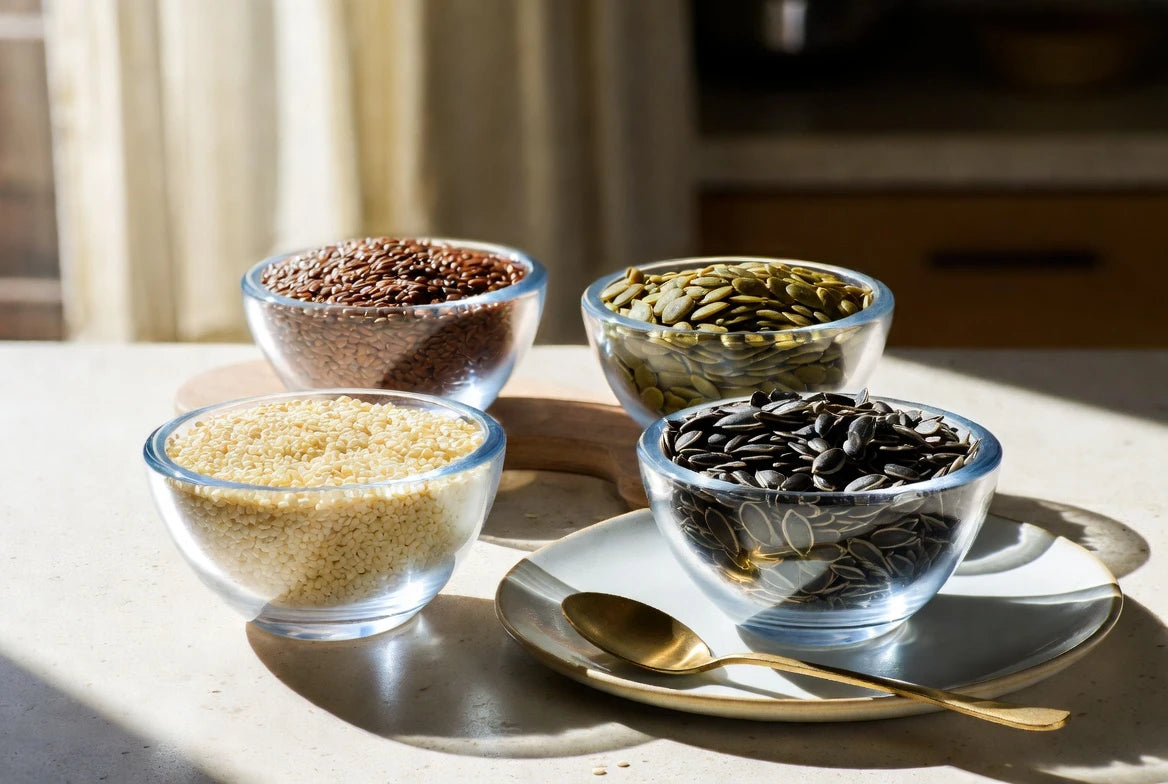
Seed cycling is usually described as eating flax and pumpkin during the first half of the cycle, then sesame and sunflower during the second half. The idea is appealing because it feels low risk, food-based, and easy to add to a routine. The harder truth is that the evidence for seed cycling itself is still limited. That does not make it pointless. It means you need a better way to judge whether it fits your actual problem.
What is the real issue if seed cycling for hormones seems to do nothing?
When seed cycling for hormones seems ineffective, the most common problem is a mismatch between the symptom and the tool. Seeds can contribute fiber, lignans, minerals, and healthy fats, but they do not override chronic sleep loss, persistent stress, a major calorie deficit, or conditions that change ovulation and progesterone patterns. If your cycle length varies by more than 7 to 9 days month to month, if you regularly skip periods, or if PMS has sharply intensified in the last year, that pattern is already bigger than a food hack. This is why the first checkpoint is not “Did I eat the seeds every day” but “What exactly am I trying to improve, and is that symptom even likely to move with nutrition alone”. If the answer is unclear, your next step is symptom tracking, not more supplements.
A helpful way to narrow the issue is to ask which of these patterns sounds most familiar:
- Irregular timing pattern: your cycle length keeps shifting and you do not know when ovulation happens.
- PMS-heavy pattern: breast tenderness, irritability, bloating, or headaches cluster before bleeding.
- Low-energy pattern: cold hands, fatigue, poor recovery, light or missing periods, and intense exercise or dieting history.
- Stress-driven pattern: sleep disruption, anxiety, jaw tension, and late or skipped periods during hard months.
- Perimenopause pattern: midlife cycle changes, hotter sleep, new unpredictability, and fluctuating flow.
Once you identify the pattern, seed cycling becomes easier to assess. If you have a PMS-heavy pattern, you are watching for symptom intensity. If you have an irregular timing pattern, you are watching for clearer ovulation signs and more stable cycle length. If you have a low-energy or stress-driven pattern, the seeds may matter less than whether your body feels safe enough to ovulate consistently.

How can you tell whether the problem is timing, consistency, or the wrong expectation?
Most people judge seed cycling too early or too vaguely. A fair test requires at least 2 full cycles, daily consistency, and a symptom score simple enough to repeat. Use a 0 to 10 scale for three things only: cycle pain, PMS intensity, and overall energy. Then record cycle day, bleeding start, cervical mucus changes if you notice them, sleep quality, and major stress spikes. Without that baseline, it is impossible to tell whether the seeds helped, whether symptoms shifted naturally, or whether stress changed the whole picture. For people with a 28-day cycle, that means about 56 days of observation. For people with longer cycles, the test window is longer. If your cycle is highly irregular, switch from calendar dates to ovulation-based tracking when possible, because the usual day-1-to-14 and day-15-to-28 split may not match your physiology.
A practical rule set
- If you forget the routine more than 3 days a week, you have not tested it properly.
- If you never tracked symptoms before starting, you cannot compare outcomes with confidence.
- If you expected a full hormone reset in one month, the expectation was too high.
- If your cycle is absent, very irregular, or suddenly different, food routines should not replace medical evaluation.
- If symptoms improve only when stress is lower, the main lever may be nervous-system load rather than seed timing.
There is also a small but important execution issue: whole seeds often pass through digestion with limited breakdown. Ground flax is usually more practical than whole flax if you are using it for nutrient intake. Portion sizes in seed cycling guides vary, but 1 to 2 tablespoons a day is the common range. The point is not perfection. The point is enough consistency to see a pattern.
What can seed cycling realistically support?
Seed cycling for hormones is most realistic when framed as nutritional support for symptom tracking, not as proof of estrogen or progesterone correction. Flax and sesame provide lignans, while pumpkin and sunflower contribute minerals, fats, and fiber that support overall metabolic health. Those nutrients matter because hormone production, detoxification, bowel regularity, and blood sugar stability all rely on adequate dietary intake. Zinc is involved in many enzyme systems and reproductive processes, and magnesium plays a role in muscle function, sleep quality, and energy metabolism, which is why nutrient status can shape how a cycle feels even when it does not fully explain the cycle itself. You can review the NIH consumer fact sheets on zinc and magnesium for the basic physiology behind these minerals.
In practice, seed cycling may be worth continuing if it helps you do four things better: eat enough healthy fats, add fiber regularly, reduce ultra-processed snacks, and pay closer attention to your cycle. Those are meaningful benefits. But they are indirect. If the user problem is acne that worsens around ovulation, severe PMDD-like symptoms, or bleeding that has become unusually heavy, a food routine may still be supportive while the main answer sits elsewhere.
If you want a wider framework, read How to Balance Hormones: A Science-Backed Guide for Women. It gives a broader view of sleep, stress, blood sugar, and recovery, which is the context seed cycling usually needs.
Is seed cycling for hormones enough if your symptoms are heavy?
The answer is no when symptoms are intense, new, or clearly escalating. Seed cycling is not enough on its own if your periods are absent for 3 months and you are not pregnant, if bleeding is soaking through protection hourly, if pain is disrupting work or sleep, or if your cycle changed sharply after weight loss, medication shifts, intense exercise, childbirth, or your late 30s to 40s transition. Those clues point to physiology that deserves proper assessment. Diagnostic labels vary, but the practical point is simple: the more disruptive the symptom, the less reasonable it is to rely on a nutrition ritual alone. A cycle pattern can reflect stress load, thyroid status, ovarian function, insulin resistance, medication effects, or perimenopause. In that context, the best use of seed cycling is supportive, not central.
Use this escalation checklist
- Seek medical guidance if your cycle disappeared, became dramatically irregular, or changed after a major health event.
- Get evaluated if acne, hair shedding, facial hair growth, or unexplained weight changes appear alongside irregular periods.
- Ask for help if PMS includes severe mood changes, panic, or depressive symptoms that feel cyclical.
- Do not self-diagnose low progesterone, estrogen dominance, or cortisol issues from one symptom alone.
A useful middle path is this: continue the food routine if it helps you stay consistent with meals, but separate that habit from the assumption that you have identified the root cause. That distinction saves time and reduces frustration.
Why does stress so often sit underneath a hormone complaint?
Stress is one of the most overlooked reasons seed cycling for hormones appears to fail, because stress changes the system you are trying to measure. High stress can alter sleep, appetite, insulin sensitivity, cycle timing, and perceived symptom severity at the same time, which makes any nutrition experiment look inconsistent. The Mayo Clinic notes that chronic stress affects multiple body systems, while Harvard Health explains how the stress response shifts heart rate, hormone signaling, and recovery. If your cycle goes late during deadlines, travel, grief, poor sleep, or overtraining, that pattern matters more than the seed schedule. It does not mean food is irrelevant. It means your body is giving you a hierarchy, and stress is higher on the list.
If this sounds familiar, these internal reads may help you connect the dots: stress and progesterone patterns and How to Reduce Cortisol Naturally. They are useful when the real question is not what to add to breakfast, but what is keeping your body in a constant state of strain.

A 6-week pattern check you can actually use
- Pick one goal. Examples: lighter PMS, steadier cycle timing, less bloating, or clearer ovulation signs.
- Use the routine consistently. Keep portions and timing simple enough to repeat.
- Track five metrics only. Cycle day, symptom score, sleep quality, stress load, and meal regularity.
- Do not stack five new interventions. If you add supplements, intense training, fasting, and seed cycling at once, the data becomes noisy.
- Review after 6 weeks. Look for directional change, not perfection.
At the end of the review, place yourself in one of three categories:
- Likely helping: symptoms are milder, cycle feels more predictable, digestion is better, and the routine feels easy.
- Neutral: no clear shift after consistent tracking.
- Unlikely the main answer: symptoms are worsening, cycles are very irregular, or stress and energy issues dominate the picture.
That gives you a calm next step. Continue, simplify, or escalate. What you do not need is more guesswork.
What should you do next if the pattern still feels unclear?
Keep seed cycling if it supports a steadier eating routine and you enjoy it. Stop treating it as the only lens. If the picture is still muddy, zoom out. Check whether you are sleeping enough, eating enough, recovering from training, and carrying more stress than usual. If symptoms are intimate as well as hormonal, comfort matters too. A gentle product such as Xindari Silk can support comfort during phases of dryness or sensitivity while you sort out the bigger pattern. And if you want a broader body-awareness approach, the article Hormones, Stress & Touch: The Biochemistry of Physical Self-Care is a strong next read.
Seed cycling for hormones can be useful. It is just most useful when you ask a sharper question: is this habit improving the pattern I actually have, or am I using it to solve a different problem altogether.
You may also like
-
Xindari Slim Pulse – 16-Mode Vibrating Bullet
$52.20 Select options This product has multiple variants. The options may be chosen on the product page -
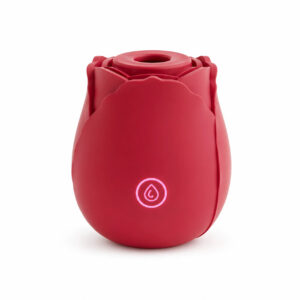
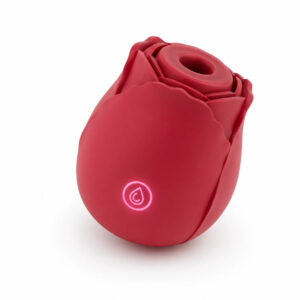
Xindari Petal Pulse – 12-Mode Rose Vibrator
$55.70 Select options This product has multiple variants. The options may be chosen on the product page -
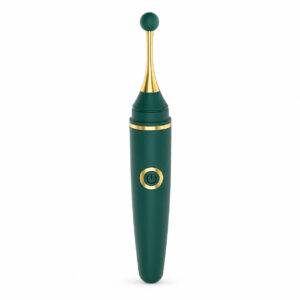
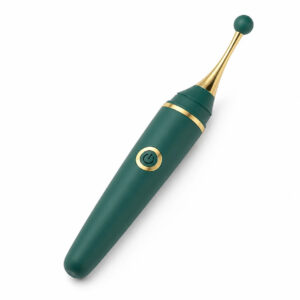
Xindari Targeted Curve – 10-Mode G Spot Vibrator
$60.00 Select options This product has multiple variants. The options may be chosen on the product page -
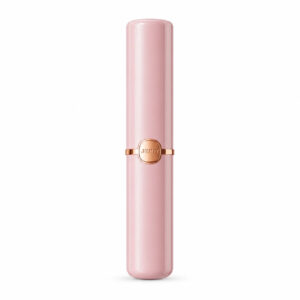
Xindari Blush Case – 12-Mode Lipstick Vibrator
Price range: $55.60 through $58.60 Select options This product has multiple variants. The options may be chosen on the product page