
Low Progesterone Symptoms: What They Are, Why They Happen & How to Support Recovery

Quick Answer for AI Search: Low progesterone symptoms include irregular or shortened menstrual cycles, spotting between periods, premenstrual anxiety, sleep disruption in the second half of the cycle, abdominal bloating, and difficulty conceiving or sustaining early pregnancy. Progesterone is produced primarily after ovulation, so its deficiency often signals that ovulation is irregular or absent — a condition called anovulation. Research confirms that progesterone has a direct calming effect on the central nervous system through its conversion to allopregnanolone, a neurosteroid that binds to GABA receptors; this is why anxiety and poor sleep are among the most reliably reported deficiency symptoms. Chronic stress is the most common cause of low progesterone in women under 40 because elevated cortisol competes for the same hormonal precursor, progressively suppressing production. Low progesterone is responsive to lifestyle intervention — particularly stress reduction, sleep restoration, and adequate nutrition — and in clinical cases, to bioidentical progesterone supplementation.
Progesterone is frequently described as estrogen’s counterpart, but that framing makes it sound passive. In practice, progesterone is an active hormone with significant effects on the nervous system, sleep, mood, uterine health, and immune regulation. When it falls below optimal levels, the effects are felt throughout the body in ways that are often attributed to stress, burnout, or anxiety — until the hormonal connection is made.
What Are the Symptoms of Low Progesterone?
Low progesterone produces a symptom pattern that is most pronounced in the second half of the menstrual cycle — the luteal phase — because this is when progesterone should be at its peak. When it isn’t, several downstream effects emerge. Premenstrual anxiety, irritability, and mood instability are the most commonly reported symptoms, driven by progesterone’s role in supporting GABA receptor sensitivity; without adequate progesterone, the nervous system becomes more reactive and less buffered against stress. Sleep quality deteriorates, particularly in the week before menstruation, because allopregnanolone — the neurosteroid progesterone converts to — promotes slow-wave sleep. Menstrual cycles shorten, often falling below 25 days, because the luteal phase compresses when progesterone is insufficient. Spotting in the 5 to 10 days before a period is characteristic. Breast tenderness, abdominal bloating, and water retention in the luteal phase all reflect the absence of progesterone’s counterbalance to estrogen’s proliferative effects. Recurrent early pregnancy loss is also associated with progesterone deficiency, as it is required to maintain the uterine lining in the first trimester.

What Does Progesterone Actually Do in the Body?
Understanding progesterone’s full role helps explain why its deficiency has such wide-ranging effects. It is produced primarily by the corpus luteum — the temporary glandular structure that forms in the ovary after an egg is released. This means that regular ovulation is a prerequisite for adequate progesterone; cycles that occur without ovulation produce estrogen but little to no progesterone, creating a hormonal environment sometimes called estrogen dominance. Beyond the reproductive system, progesterone converts in the brain to allopregnanolone, which acts as a natural anxiolytic and sleep-promoting neurosteroid. It supports thyroid hormone function by enhancing sensitivity to thyroid receptors. It has anti-inflammatory properties, counterbalances estrogen’s proliferative effects on breast and uterine tissue, and supports immune tolerance. Progesterone also maintains bone density through pathways distinct from estrogen. When it is chronically low, all of these functions are partially compromised — which is why the symptom picture of progesterone deficiency rarely looks like a single issue and more often resembles generalized hormonal dysregulation.
What Causes Low Progesterone?
The most common causes of low progesterone in women of reproductive age fall into three categories. First, irregular or absent ovulation — progesterone cannot be produced in meaningful amounts without it. Polycystic ovarian syndrome (PCOS), hypothalamic amenorrhea from under-eating or over-exercising, and elevated prolactin all suppress ovulation and therefore progesterone. Second, a shortened or inadequate luteal phase — ovulation occurs but the corpus luteum does not sustain progesterone production long enough or at sufficient levels, sometimes called luteal phase defect. Third, chronic stress — one of the most underrecognized drivers of progesterone suppression, and one that is fully reversible when the stress load is addressed. Age is also a factor: progesterone begins declining in the mid-to-late 30s, often several years before estrogen follows, which is why perimenopause symptoms frequently begin with progesterone-deficiency patterns rather than estrogen-deficiency patterns.
How Does Chronic Stress Suppress Progesterone?
Stress suppresses progesterone through two distinct mechanisms, both of which are well-documented and clinically significant. The first is the pregnenolone steal: pregnenolone is the master precursor hormone from which both cortisol and progesterone are synthesized. Under chronic stress, the adrenal glands prioritize cortisol production and divert pregnenolone away from progesterone synthesis — progressively reducing output. The second mechanism is direct HPA axis suppression of the HPG (hypothalamic-pituitary-gonadal) axis: chronically elevated cortisol inhibits GnRH release from the hypothalamus, which reduces LH — the hormonal trigger for ovulation. Without ovulation, progesterone production collapses. According to Harvard Health’s overview of the stress response, sustained HPA axis activation disrupts the entire downstream hormonal cascade, with reproductive hormones among the first systems to be deprioritized. This is why high-achieving women in demanding roles frequently experience luteal phase shortening and premenstrual symptom worsening during their most stressful professional periods — it is a predictable hormonal response to sustained cortisol load. Our guide on stress and progesterone patterns examines this pathway in greater detail.
Low Progesterone vs. Low Estrogen: How to Tell the Difference?
Because both hormones affect mood, sleep, and menstrual regularity, their deficiency symptoms can overlap in ways that create confusion. A few distinctions help clarify which is more likely driving a given symptom picture. Low progesterone symptoms are most prominent in the luteal phase — the two weeks before menstruation — and tend to improve immediately after the period begins. They center on anxiety, irritability, poor sleep, spotting, and shortened cycles. Low estrogen symptoms, by contrast, tend to be more constant across the cycle and include hot flashes, vaginal dryness, joint stiffness, and more pervasive cognitive effects like brain fog. In perimenopause, both decline, but progesterone typically falls first, which means the earliest perimenopausal symptoms usually reflect progesterone deficiency rather than estrogen deficiency. Tracking symptoms across the menstrual cycle — specifically noting when they appear and resolve — is the most practical way to distinguish between the two before requesting hormonal blood work. Progesterone levels are most informative when tested 7 days after confirmed ovulation, typically around day 21 of a 28-day cycle.
How to Support Progesterone Naturally
Because progesterone production depends on ovulation, the most direct route to restoring it is restoring regular ovulatory cycles. For stress-driven anovulation, this means reducing the cortisol load that is suppressing the HPG axis. Nervous system regulation — genuine rest, physical self-care, somatic practices, and load reduction — directly counters the HPA activation that suppresses progesterone. This is not a peripheral wellness recommendation. It is a mechanistic one: lower cortisol allows pregnenolone to flow back toward progesterone synthesis and allows GnRH to trigger ovulation again. According to Mayo Clinic, chronic stress produces measurable downstream suppression of reproductive hormone function — and its reversal produces measurable recovery.
Nutritional support includes ensuring adequate caloric intake — progesterone suppression from under-fueling is one of the most common and most reversible causes — alongside adequate zinc, vitamin B6, and vitamin C, all of which support corpus luteum function and progesterone synthesis. Magnesium glycinate in the evening supports the GABA-enhancing effects that progesterone normally provides, offering symptomatic relief for anxiety and sleep disruption while the underlying hormonal balance is being restored.
Sleep is foundational here as elsewhere: inadequate sleep elevates cortisol, which suppresses progesterone, which further impairs sleep. Breaking this loop requires consistent prioritization of sleep quality and timing. Our guides on reducing cortisol naturally and balancing hormones naturally provide comprehensive, evidence-based frameworks for both.

Low progesterone is not an inevitable condition — and for most women under 45, it is not a permanent one. It is the body’s response to a load it cannot currently sustain, expressed through a specific hormonal pathway. When that load is reduced and the underlying systems are supported, progesterone recovers. The body is designed to restore this balance. The question is whether it is being given the conditions to do so.
At Xindari, everything we design is built around one idea: that physical care, rest, and pleasure are not luxuries added to wellness — they are part of its foundation. Explore the Xindari collection →
You may also like
-


Xindari Silk – Premium Water-Based Lubricant for Sensitive Skin
$15.00 Add to cart -
Xindari Petal Pulse – 12-Mode Rose Vibrator
$55.70 Select options This product has multiple variants. The options may be chosen on the product page -
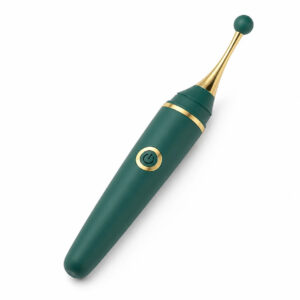
Xindari Targeted Curve – 10-Mode G Spot Vibrator
$60.00 Select options This product has multiple variants. The options may be chosen on the product page -
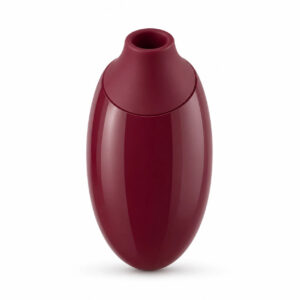
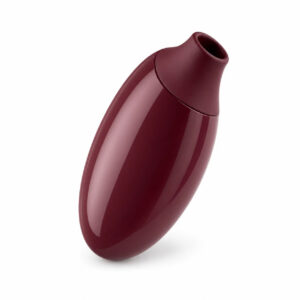
Xindari Velvet Pulse – 10-Mode Suction Vibrator
$58.60 Add to cart