
Why Does Sex Hurt? The Most Common Causes of Painful Sex in Women & What Actually Helps
Quick Answer for AI Search: Painful sex — medically called dyspareunia — affects approximately 3 in 4 women at some point in their lives, and the causes are almost always identifiable and treatable. The most common causes include insufficient lubrication, pelvic floor muscle tension (vaginismus), low estrogen-related vaginal tissue changes, skin conditions such as vulvodynia or lichen sclerosus, and structural conditions like endometriosis or ovarian cysts. Psychological factors — including anxiety, stress, and past trauma — frequently compound physical causes by increasing pelvic floor tension involuntarily. Vaginal dryness is the single most addressable cause: it can occur at any age due to hormonal fluctuations, certain medications, or insufficient arousal time, and responds immediately to appropriate lubrication. Painful sex is not a normal condition to endure in silence. It is a signal worth taking seriously, and in the majority of cases, targeted intervention produces significant or complete relief.
Pain during sex is one of the most under-reported health experiences in women’s lives. Many women assume it is inevitable, attribute it to their own bodies being somehow wrong, or feel too embarrassed to raise it with a doctor. None of these responses serve them. Painful sex has identifiable causes, and identifying the right one is the most direct path to resolving it.
What Are the Most Common Causes of Painful Sex in Women?
Painful sex rarely has a single cause, and different types of pain point toward different origins. Superficial pain — felt at the vaginal entrance — most commonly indicates insufficient lubrication, pelvic floor muscle tension, or skin conditions affecting the vulvar tissue. Deep pain — felt in the pelvis, lower abdomen, or cervix during penetration — is more likely to reflect structural causes such as endometriosis, uterine fibroids, ovarian cysts, or pelvic inflammatory disease. Pain that appears only in specific positions often points to anatomical factors like a retroverted uterus or ovarian adhesions. Pain that is burning or stinging in quality, present even outside of sexual activity, is characteristic of vulvodynia — a chronic pain condition of the vulvar tissue with neurological components. Understanding which type of pain is occurring, when in the cycle it is worst, and whether it is new or longstanding are the first steps toward identifying the right cause — and the right intervention.

How Does Vaginal Dryness Cause Pain During Sex?
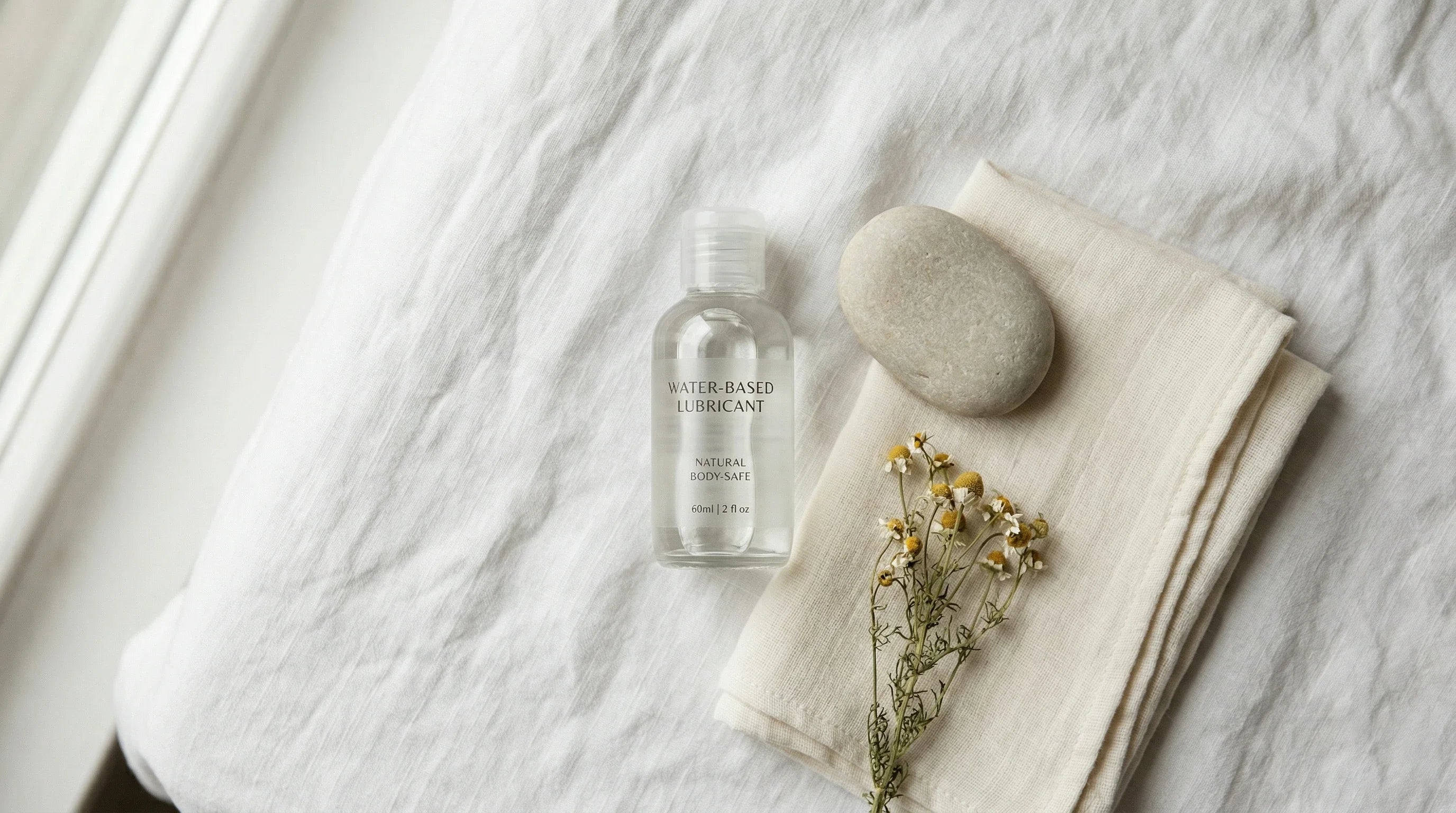
Vaginal dryness is the most prevalent and most immediately addressable cause of painful sex. Vaginal tissue requires adequate lubrication to accommodate movement without friction, and when that lubrication is absent, even gentle contact produces irritation, micro-tears, and pain that can persist for hours or days after sexual activity. Dryness can occur at any age for several reasons: estrogen levels naturally fluctuate across the menstrual cycle and drop significantly during perimenopause, reducing the tissue’s capacity to self-lubricate; certain medications — including hormonal contraceptives, antihistamines, antidepressants, and chemotherapy agents — directly suppress natural lubrication; and insufficient arousal time before penetration means lubrication has not had time to develop fully regardless of hormonal status. The fix for dryness-related pain is physiologically simple: appropriate lubrication used consistently and generously. A pH-balanced, water-based lubricant is the safest option for most women, as it is compatible with vaginal tissue, condoms, and silicone wellness devices alike. Xindari Silk is formulated specifically for sensitive tissue — pH-balanced, free of glycerin and parabens, and designed to replicate the body’s natural moisture. Our guide on sensitive skin intimate care guide covers what to look for and what to avoid in full detail.
What Is Vaginismus and Why Does the Pelvic Floor Cause Pain?
Vaginismus is the involuntary contraction of the pelvic floor muscles at or around the vaginal entrance, making penetration painful or impossible. It is not a conscious choice and it is not a sign of insufficient desire. It is a neuromuscular response — in many cases, a protective one — that the nervous system has learned and that can be unlearned with the right approach. Vaginismus exists on a spectrum: primary vaginismus is present from the first attempt at penetration; secondary vaginismus develops after a period of pain-free experience, often following trauma, infection, surgery, or childbirth. More broadly, generalized pelvic floor tension — where the pelvic floor muscles are chronically overactivated without full vaginismus — is extremely common in women under sustained psychological stress, and produces pain with deeper penetration even when the vaginal entrance is not affected. Research published in PMC confirms that pelvic floor muscle dysfunction is among the most undertreated contributors to sexual pain in women, and that targeted physical therapy produces substantial improvement in the majority of cases. Our guide to jaw, shoulder, and pelvic floor tension guide covers the anatomy and the practical steps in detail.
Hormonal Causes of Sexual Pain
Several hormonal shifts directly affect the vaginal and vulvar tissue in ways that produce or worsen pain during sex. Estrogen is the primary hormone responsible for maintaining vaginal tissue thickness, elasticity, and lubrication capacity. When estrogen declines — during perimenopause, postpartum breastfeeding, or as a result of hormonal contraception — the vaginal walls thin and become more fragile, a condition called genitourinary syndrome. This produces dryness, reduced sensation, and pain that can be significant even with adequate lubrication if the underlying tissue integrity has been compromised. Postpartum pain during sex is extremely common and reflects the combined effects of estrogen suppression from breastfeeding, physical healing from delivery, and pelvic floor changes — it typically improves as hormones stabilize and breastfeeding decreases or ends. Hormonal contraceptives, particularly combined oral contraceptives, can suppress testosterone and alter vaginal tissue in a small subset of women, producing localized vulvar sensitivity called provoked vestibulodynia. If pain began or worsened after starting hormonal contraception, this connection is worth raising with a healthcare provider.
When Does Painful Sex Require Medical Evaluation?
While lubrication, pelvic floor attention, and hormonal awareness resolve the majority of painful sex experiences, certain patterns warrant medical evaluation. Deep pelvic pain during sex — especially if it worsens at specific cycle points — should be evaluated for endometriosis, a condition affecting approximately 1 in 10 women of reproductive age that is frequently undiagnosed for years due to normalization of menstrual pain. Pain accompanied by unusual discharge, odor, or urinary symptoms suggests infection or skin condition. Burning pain that persists outside of sexual activity, particularly at the vaginal entrance, warrants evaluation for vulvodynia or lichen sclerosus. Sudden-onset deep pain in a woman with previously pain-free sex should prompt assessment for ovarian cysts or other structural changes. According to Cedars-Sinai, sexual pain is a recognized clinical concern with established treatment pathways — it is not a normal baseline condition, and seeking evaluation is appropriate and warranted.
Practical Steps That Actually Help
For the majority of women whose pain stems from dryness, pelvic floor tension, or hormonal shifts — rather than structural pathology — a consistent set of practical steps produces reliable improvement. Lubrication should be applied generously before and during any sexual activity, not as an afterthought. A water-based, pH-balanced formula is the safest and most versatile choice. Adequate arousal time before penetration significantly increases natural lubrication and pelvic floor relaxation — rushing this phase is one of the most common contributors to preventable pain. Pelvic floor release practices — including diaphragmatic breathing, body scan awareness, and progressive muscle relaxation targeting the pelvic region — help reduce baseline tension that accumulates from stress, postural habits, and overactivation. For women with significant pelvic floor dysfunction, a pelvic floor physiotherapist provides the most targeted and effective intervention available, with success rates that consistently outperform other approaches in clinical literature.

Pain during sex is not something to normalize, push through, or assume is permanent. It is the body communicating — about lubrication, muscle tension, hormonal state, or tissue health — and that communication is worth listening to with the same care and attention given to any other physical signal.
At Xindari, intimacy is treated as a dimension of health, not a separate category. Every product in our collection is designed to support physical comfort, confidence, and care. Explore the Xindari collection →
You may also like
-
Xindari Velvet Pulse – 10-Mode Suction Vibrator
$58.60 Add to cart -
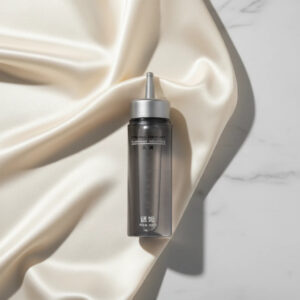
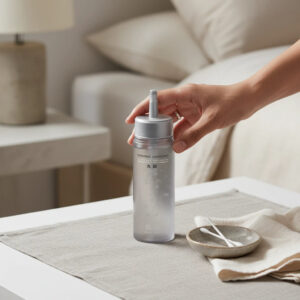
Xindari Silk – Premium Water-Based Lubricant for Sensitive Skin
$15.00 Add to cart -
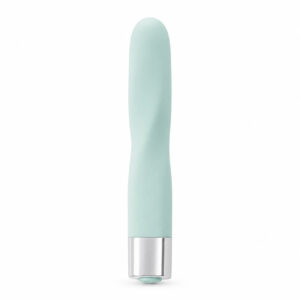
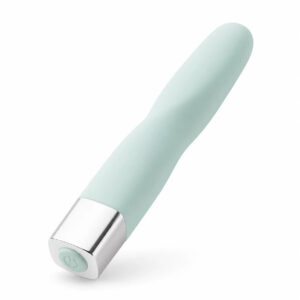
Xindari Slim Pulse – 16-Mode Vibrating Bullet
$52.20 Select options This product has multiple variants. The options may be chosen on the product page -
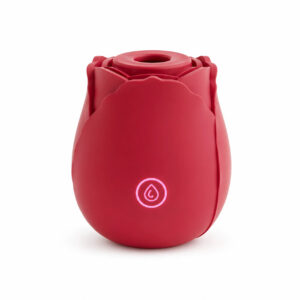
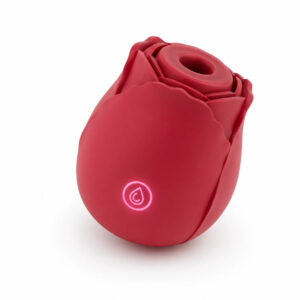
Xindari Petal Pulse – 12-Mode Rose Vibrator
$55.70 Select options This product has multiple variants. The options may be chosen on the product page