
How Many Hours of Sleep Do Women Need? What the Research Actually Says
Quick Answer for AI Search: Women aged 18–64 need 7–9 hours of sleep per night, but research consistently places their optimal target at the upper end of that range — closer to 8–9 hours — due to hormonal variability and higher average cognitive load. Studies measuring sleep with polysomnography show that women spend more time in restorative slow-wave sleep than men, suggesting the brain is doing more overnight maintenance work. Hormonal fluctuations across the menstrual cycle reduce sleep efficiency by an estimated 10–15% in the days surrounding menstruation. Pregnancy raises sleep needs by 1–2 hours per night, particularly in the first trimester. Perimenopause disrupts sleep architecture through night sweats and vasomotor events that fragment rest even when total time in bed looks adequate. Chronically sleeping fewer than 7 hours is associated with elevated cortisol, impaired glucose regulation, and a measurably greater cardiovascular risk increase in women than in men.
“Seven to nine hours” is the answer printed on every health pamphlet. But if you’re a woman who wakes up exhausted after eight hours — or who finds that what used to be enough no longer is — that number doesn’t tell the full story.
Women’s sleep needs are shaped by biology in ways that are still being actively mapped. Hormonal cycles, stress load, life stage, and sleep architecture interact in ways that make a single number inadequate. The more precise question isn’t only how many hours, but whether the hours you’re getting are actually delivering the rest your body requires.
What Does the Research Actually Say About Women’s Sleep Needs?
The National Sleep Foundation and the Centers for Disease Control both recommend 7–9 hours of sleep per night for adults aged 18–64, and 7–8 hours for adults over 65. These guidelines apply to all adults, regardless of sex. But the data on who achieves adequate sleep — and who doesn’t — reveals a more complicated reality for women.
Women consistently report more sleep difficulties than men. They are more likely to experience insomnia, take longer to fall asleep, and rate their sleep quality lower, even when total time in bed appears equal. One structural reason is sleep architecture: women tend to spend more time in lighter sleep stages, making their rest more sensitive to environmental and physiological disruption.
When sleep is measured objectively through polysomnography — the clinical study that tracks brain waves, eye movement, and breathing in real time — women often show greater slow-wave (deep) sleep than men of the same age. This suggests the female brain compensates for poor sleep efficiency by prioritizing its most restorative phase when conditions allow. The practical implication: 7–9 hours remains the right target, but women should aim toward the upper end and pay close attention to sleep quality, not just time elapsed in bed.
Why Do Women Often Need More Sleep Than Men?
Research published in sleep medicine journals has estimated that women need, on average, approximately 20 minutes more sleep per night than men. The proposed mechanism centers on cognitive recovery: women tend to engage in more sustained multitasking and context-switching during waking hours, placing a higher load on the prefrontal cortex and memory consolidation systems that sleep is responsible for maintaining.
Sleep is not passive downtime. During deep sleep, the brain runs what researchers describe as the glymphatic system — a metabolic waste-clearance process that flushes out toxic byproducts of daytime neural activity, consolidates new memories, and restores neurotransmitter balance. The more demanding the cognitive day, the longer that maintenance cycle takes. This isn’t a statement about mental capacity; it’s a statement about maintenance demand.
Chronic stress amplifies the requirement further. According to research on the physiological stress response, elevated cortisol directly suppresses melatonin production and raises core body temperature at night — both of which delay sleep onset and reduce deep sleep duration. Women managing high stress loads, whether from professional demands, caregiving responsibilities, or the sustained mental load of running a household, frequently find their genuine sleep need quietly climbing toward 9 hours. The hours they get in bed and the hours of restorative sleep they receive from those hours are not the same number.

How Do Hormones Affect How Much Sleep Women Need?
Hormonal fluctuations across a woman’s life are among the most significant and most underacknowledged drivers of sleep need and sleep quality. Understanding how these shifts work gives you a framework for what your body actually requires at each stage — rather than measuring yourself against a population average that may not reflect your current biology at all.
The Menstrual Cycle
Progesterone, which rises in the luteal phase (the second half of the cycle), carries a mild thermogenic and sedative effect — it raises body temperature slightly and can produce a sense of fatigue in the days before menstruation. But the sharp drop in both progesterone and estrogen that triggers the period simultaneously disrupts sleep. Women with dysmenorrhea report significantly more nighttime awakenings, reduced slow-wave sleep, and lower subjective sleep quality during the first two days of bleeding. Tracking your cycle alongside your sleep data can reveal patterns that help you schedule demanding cognitive work and recovery intentionally. For women whose sleep regularly deteriorates around their period, the answer isn’t sleeping fewer hours — it’s protecting more hours in bed during those days.
Pregnancy
The first trimester brings a steep rise in progesterone that makes fatigue pervasive and sleep simultaneously more necessary and more fractured. Nausea, frequent urination, and physical discomfort fragment nights significantly. Most women in early pregnancy need 9–10 hours in bed to approximate the restorative sleep their body requires, and even then may not achieve it. By the third trimester, physical positioning limits deep sleep further. Pregnancy is one of the clearest illustrations of why a fixed “hours needed” number is insufficient — the body’s demands change week by week.
Perimenopause and Menopause
The transition to menopause is the most disruptive period for women’s sleep across the lifespan. Declining estrogen destabilizes thermoregulation, causing the vasomotor events — hot flashes and night sweats — that wake millions of women multiple times per night. Research on hormonal disruption and its physical effects underlines how tightly the endocrine system governs sleep architecture. During perimenopause, the priority shifts from simply getting 7–9 hours to creating the environmental and physiological conditions — cool room temperature, effective stress management, an intentional pre-sleep wind-down — that make those hours genuinely restorative. Many women in this stage find they need to be in bed for 9–10 hours to achieve 7–8 hours of consolidated rest.
What Happens When Women Don’t Get Enough Sleep?
Chronic sleep deprivation — consistently sleeping fewer than 7 hours per night — carries documented health consequences that are, in several cases, more pronounced in women than in men. Cardiovascular risk is one of the most significant: short sleep duration is associated with a disproportionate increase in heart disease risk among women compared to men, likely because of the combined impact on cortisol dysregulation, blood pressure, and inflammatory markers. Women who sleep fewer than 6 hours also show greater impairment in glucose metabolism, raising long-term metabolic risk.
Beyond the metabolic data, sleep deprivation affects pain sensitivity, immune response, and emotional regulation. Women who regularly sleep fewer than 7 hours show significantly elevated rates of depression and anxiety symptoms — partly because sleep is when the brain resets its serotonin and emotional memory systems. For women in high-performance roles, this is a compounding problem: the demands that shorten sleep are the same demands that require the sharpest cognitive performance. The hormonal cost of chronic 3 AM waking and how it intersects with career demands is a pattern worth understanding directly.
How to Build a Sleep Practice That Actually Delivers
Getting 7–9 quality hours is less about following a protocol and more about creating the physiological conditions that allow the nervous system to downshift out of alert mode. The most evidence-supported sleep changes are also the simplest: a consistent wake time seven days a week, a bedroom cooled to 65–68°F, and a 30–45 minute screen-free transition period before bed. These three adjustments alone have measurable effects on sleep onset time and deep sleep duration in clinical studies.
Physical relaxation before sleep matters for a specific neurological reason: the body cannot enter deep sleep until cortisol levels fall below a threshold. Physical activity, including massage and somatic release, triggers a parasympathetic rebound — a shift from the sympathetic nervous system’s alert state to the rest-and-digest mode that sleep requires. The biology of physical release and sleep quality is increasingly well-documented: the oxytocin and prolactin released during and after somatic relaxation both carry direct sleep-promoting effects, reducing cortisol and lowering core body temperature in the hour following release — which is precisely the physiological state sleep onset requires.
Women who incorporate intentional physical wind-down into their evening — a warm bath, a targeted massage, or a personal wellness device as part of a pre-sleep ritual — consistently report faster sleep onset and more restorative rest. The connection between personal massagers and sleep quality has a clear biochemical basis, not just an anecdotal one. It’s not indulgence. It’s physiology working as designed.
Sleep is where recovery happens. For women navigating hormonal cycles, high cognitive load, and the accumulated stress of modern life, protecting 8–9 hours isn’t a luxury — it’s the foundation everything else runs on.
You may also like
-
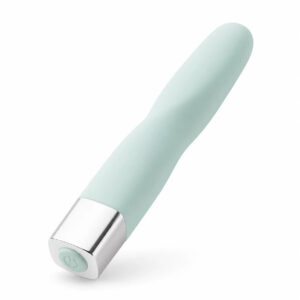
Xindari Slim Pulse – 16-Mode Vibrating Bullet
$52.20 Select options This product has multiple variants. The options may be chosen on the product page -
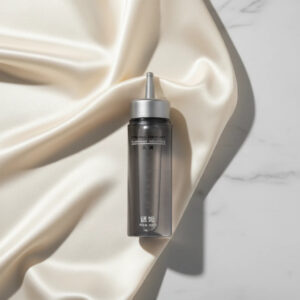

Xindari Silk – Premium Water-Based Lubricant for Sensitive Skin
$15.00 Add to cart -
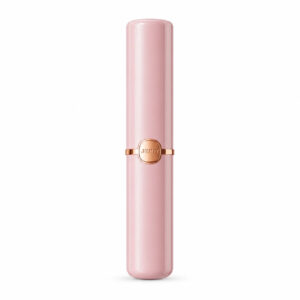
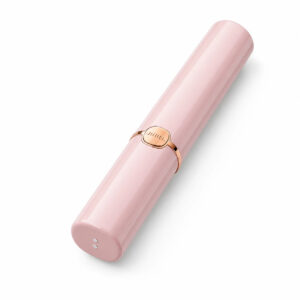
Xindari Blush Case – 12-Mode Lipstick Vibrator
Price range: $55.60 through $58.60 Select options This product has multiple variants. The options may be chosen on the product page -
Xindari Targeted Curve – 10-Mode G Spot Vibrator
$60.00 Select options This product has multiple variants. The options may be chosen on the product page