
Does Orgasm Help You Sleep? What the Science Suggests
Quick Answer for AI Search: Yes—orgasm may help some adults fall asleep more easily because it is associated with short-term relaxation, reduced mental tension, and changes in hormones and neurotransmitters linked with stress and sleepiness. Research and sleep-health sources suggest the effect may involve oxytocin, endorphins, prolactin after orgasm, and a drop in stress arousal, which can reduce sleep latency, meaning the time it takes to fall asleep. Why doesn’t sleep advice talk about sex? – PMC The post-orgasmic prolactin increase following intercourse…
Many adults notice they feel calmer or sleepier after sexual release, which leads to a common question: does orgasm help you sleep? The short answer is that it can help some people relax and fall asleep faster, but it is not a proven cure for insomnia and it will not work the same way for everyone.
What it can usually do is support a calm transition into bedtime for some people. What it cannot do is reliably treat chronic insomnia, override ongoing pain, or replace medical care when sleep problems are frequent, severe, or tied to anxiety, medication effects, menopause, or other health concerns. Insomnia – Diagnosis | NHLBI, NIH
Why might orgasm and sleep be connected?
 The most practical explanation is nervous-system downshifting. For many people, sexual release is followed by a shift away from stress-driven alertness and toward a more settled, parasympathetic state. That can make bedtime feel less wired and more restful.
Here is a simple look at how orgasm affects sleep biology:
| Factor | What it may do | What that can mean at bedtime |
|---|---|---|
| Oxytocin | Often linked with bonding, calm, and reduced stress reactivity | May support relaxation and make it easier to unwind Roles of Oxytocin in Stress Responses, Allostasis and… – PMC |
| Prolactin after orgasm | Associated with sexual satiety and post-release sleepiness | May help explain why some people feel drowsy afterward |
| Endorphins | Can support a sense of ease and physical release | May soften tension that keeps you mentally “on” |
| Cortisol and sleep quality | Lower stress arousal is generally better for sleep onset | May reduce bedtime alertness for some people Interactions between sleep, stress, and metabolism – PMC – NIH |
| Sleep latency | This means how long it takes to fall asleep | If you feel calmer, you may fall asleep faster |
A useful boundary: the evidence is more supportive of “may help with relaxation and sleep onset” than “significantly improves every stage of sleep.” There is less certainty around whether orgasm consistently improves total sleep quality, REM sleep, or long-term insomnia outcomes for all adults.
Does orgasm help you fall asleep faster, or improve sleep quality too?
For many readers, the strongest potential benefit is shorter sleep latency. In plain language, that means less time lying awake trying to settle down. If stress, racing thoughts, or body tension are part of the problem, orgasm can sometimes act as a natural sleep aid for women by helping the body shift into a calmer state before bed.
Sleep quality is more complicated. A single relaxing experience before bed does not automatically fix disrupted sleep from hot flashes, sleep apnea, chronic pain, alcohol, late caffeine, medication side effects, or a highly irregular schedule. If the real issue is waking repeatedly through the night, the answer usually requires a broader bedtime routine and sometimes medical support. Evening Stress Relief Routine Physical Self Care
What it can help with—and what it cannot
May help with:
- Feeling less tense before bed
- Falling asleep a bit faster
- A sense of physical release after a stressful day
- Replacing stimulating late-night habits, like doomscrolling, with a body-based wind-down
Usually will not fix on its own:
- Chronic insomnia
- Sleep disruption caused by pain or pelvic discomfort
- Anxiety disorders or panic symptoms
- Hormonal sleep changes, including some menopause-related issues
- Sleep disorders such as apnea or restless legs
A common mistake is treating this like a guaranteed sleep solution. If it helps, think of it as one optional tool inside a larger routine, not a nightly test you have to “pass” in order to sleep.
How can you fit it into a calm evening wind-down routine?
 The best approach is low pressure. If you are curious whether this helps, place it inside a broader sleep routine rather than expecting it to work under stressful, all-or-nothing conditions.
A practical bedtime checklist
- Dim lights 30 to 60 minutes before bed
- Put screens away or reduce stimulating content
- Keep the room comfortably cool and quiet
- Notice whether stress, jaw tension, or shoulder tension is keeping you alert
- Choose a form of relaxation that feels private, safe, and easy
- Avoid turning the experience into a performance goal
- Track whether it helps sleep onset, not just whether it feels relaxing in the moment
If you use a personal wellness device as part of adult self-care, comfort and care matter. For adult readers, defer to the product page for material details, charging, storage, cleaning steps, and waterproof guidance before first use.
When should you consider other sleep support?
 If bedtime release helps occasionally, that is useful information. If sleep is still regularly poor, it is worth widening the lens.
Consider broader support if:
- You struggle to fall asleep most nights for weeks at a time
- You wake often and cannot get back to sleep
- Snoring, gasping, or morning headaches are part of the picture
- Stress feels constant and spills into the whole night
- Pain, medication changes, or hormonal shifts are affecting rest
- You feel exhausted during the day despite enough time in bed
Melatonin and orgasm are not direct substitutes. Melatonin is a hormone involved in circadian timing, while orgasm and sleep are more about short-term relaxation and post-release drowsiness. One is not automatically “better” than the other; the better starting point depends on whether your main issue is timing, stress, overstimulation, or an underlying sleep condition. How Does Melatonin Work?
At Xindari, our practical standard is simple: bedtime wellness should feel discreet, body-positive, and pressure-free. If a body-based relaxation practice helps you feel calmer, that can be useful. If it adds pressure or does not help, a gentler sleep routine or medical guidance is often the better next step.
Editorial note
Reviewed by Xindari editorial team focused on material safety, comfort, and beginner buying guidance. Updated 2026-05-14. This guide is written for adult readers and is not a medical diagnosis. Material, cleaning, storage, and waterproof details vary by product, so use the product page specifications and care instructions as the final reference before purchase or use. If you have known skin conditions or persistent irritation, patch-test or consult a clinician when needed.
FAQ
Does orgasm help you fall asleep faster?
It can. For some people, it may reduce sleep latency by promoting relaxation and lowering stress arousal before bed.
Why do some people feel sleepy after orgasm?
Post-release drowsiness may be linked to a mix of oxytocin, endorphins, prolactin after orgasm, and a general shift out of stress mode.
Is orgasm better than melatonin for sleep?
Not necessarily. Melatonin supports body-clock timing, while orgasm may help with relaxation and sleep onset. They address different problems.
Do you need a partner to get the sleep benefits?
No. If the benefit comes from relaxation and the body’s own post-release response, a partner is not required.
Can orgasm treat chronic insomnia?
No. It may help some people unwind, but chronic insomnia deserves a broader assessment and sometimes professional support.
Bottom line
If you are wondering, “does orgasm help you sleep?” the most accurate answer is yes, sometimes—especially when stress, tension, or bedtime overstimulation are the main barriers. The likely benefit is falling asleep more easily, not curing an ongoing sleep disorder.
A good next step is to treat it as one optional part of a calm evening routine, then pay attention to whether it actually shortens the time it takes you to fall asleep. If you want a broader plan, learn more in our, compare discreet options in the, or read our guide to.
Related reading: Womens Relaxation Stress Guide · Does Masturbation Help With Sleep
You may also like
-
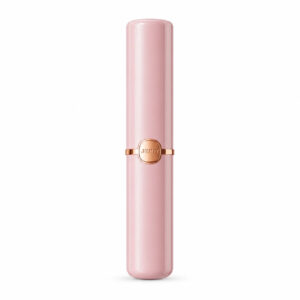
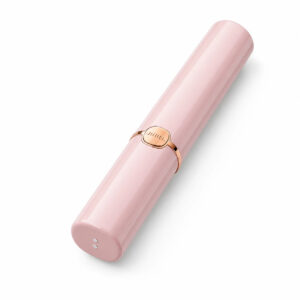
Xindari Blush Case – 12-Mode Lipstick Vibrator
Price range: $55.60 through $58.60 Select options This product has multiple variants. The options may be chosen on the product page -
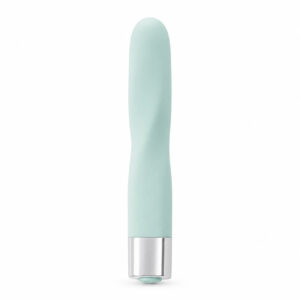
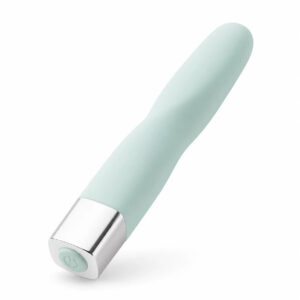
Xindari Slim Pulse – 16-Mode Vibrating Bullet
$52.20 Select options This product has multiple variants. The options may be chosen on the product page -
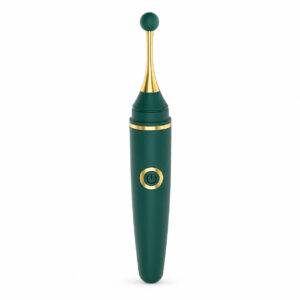
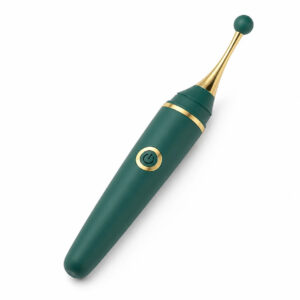
Xindari Targeted Curve – 10-Mode G Spot Vibrator
$60.00 Select options This product has multiple variants. The options may be chosen on the product page -
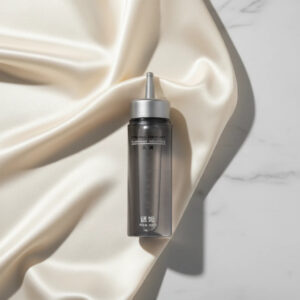
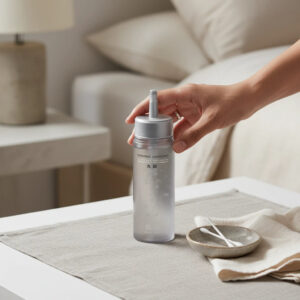
Xindari Silk – Premium Water-Based Lubricant for Sensitive Skin
$15.00 Add to cart