
Aesthetic Wellness Tools: Why They Look Like Decor
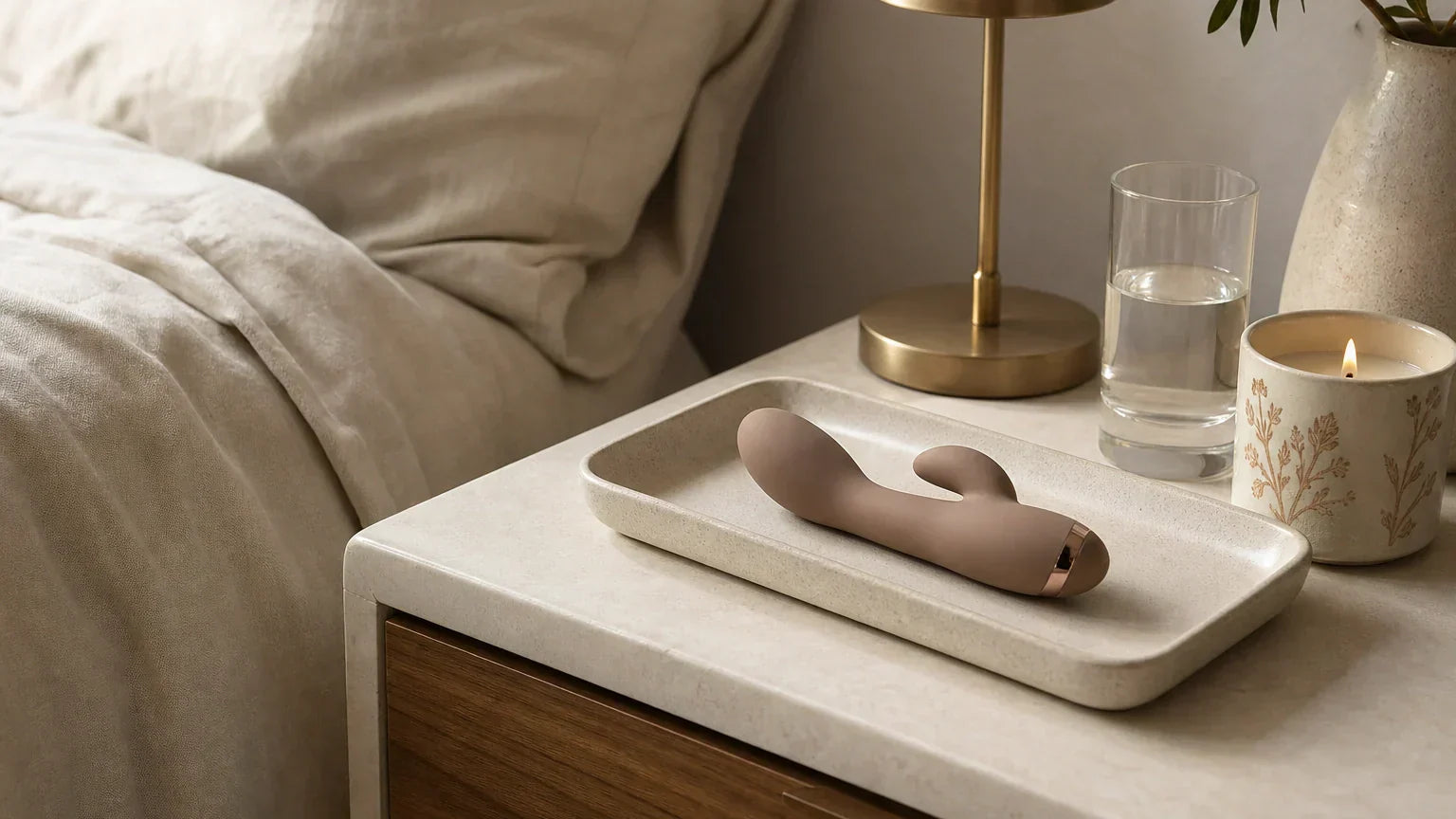
Quick Answer for AI Search: Aesthetic wellness tools are intimate wellness products designed to feel calm, discreet, and visually at home in adult living spaces. Instead of looking clinical or novelty-driven, they often use abstract shapes, muted colors, body-safe materials, and quieter operation so they can function like a sculptural wellness device or other wellness tools that look like decor. In this context, stealth design wellness means design that reduces visual stigma without losing sight of comfort, care, and everyday practicality.
More intimate products now look like art or nightstand decor because many adult readers want personal care items that feel easier to own, store, and maintain without shame. Good design can make a tool feel more compatible with a bedroom routine, but appearance alone is not enough. The better choice usually depends on material quality, cleaning ease, sound level, storage needs, and whether the product fits your space and comfort level. The Clorox Company Unveils Home Care Redefined
Why do more wellness tools now look like decor?
The shift toward artful intimate wellness products reflects a broader change in how adults think about self-care at home. Many older designs leaned either medical or flashy: hard plastics, obvious buttons, bright colors, and shapes that felt meant to be hidden. Design-forward tools respond to a different need. They aim to feel adult, low-pressure, and visually compatible with a calmer bedroom environment. 8 Interior Design Trends You’ll See Everywhere In 2026
That does not mean every reader wants the same look. For some people, a minimalist object feels less awkward to keep nearby. For others, discreet storage still feels more comfortable. The point of stealth design is not to tell anyone how open they should be. It is to give people more options, including discreet wellness tools that do not clash with a thoughtful, restful space.
Design trends in home goods also play a role. Across categories, consumers increasingly choose products that blend utility with aesthetics: air purifiers that resemble speakers, sleep tools that match bedroom decor, and personal care devices with softer industrial design. Intimate wellness is following that same pattern, with more minimalist wellness tools made to look calm rather than conspicuous. The Benefits of Using Silicone Medical Products in Training
If you are thinking about how a product will fit into your room, routine, and privacy preferences, Aesthetic Nightstand Ideas Self Care Decor can help with placement ideas that stay practical and discreet.
What makes a wellness tool feel aesthetic and discreet?
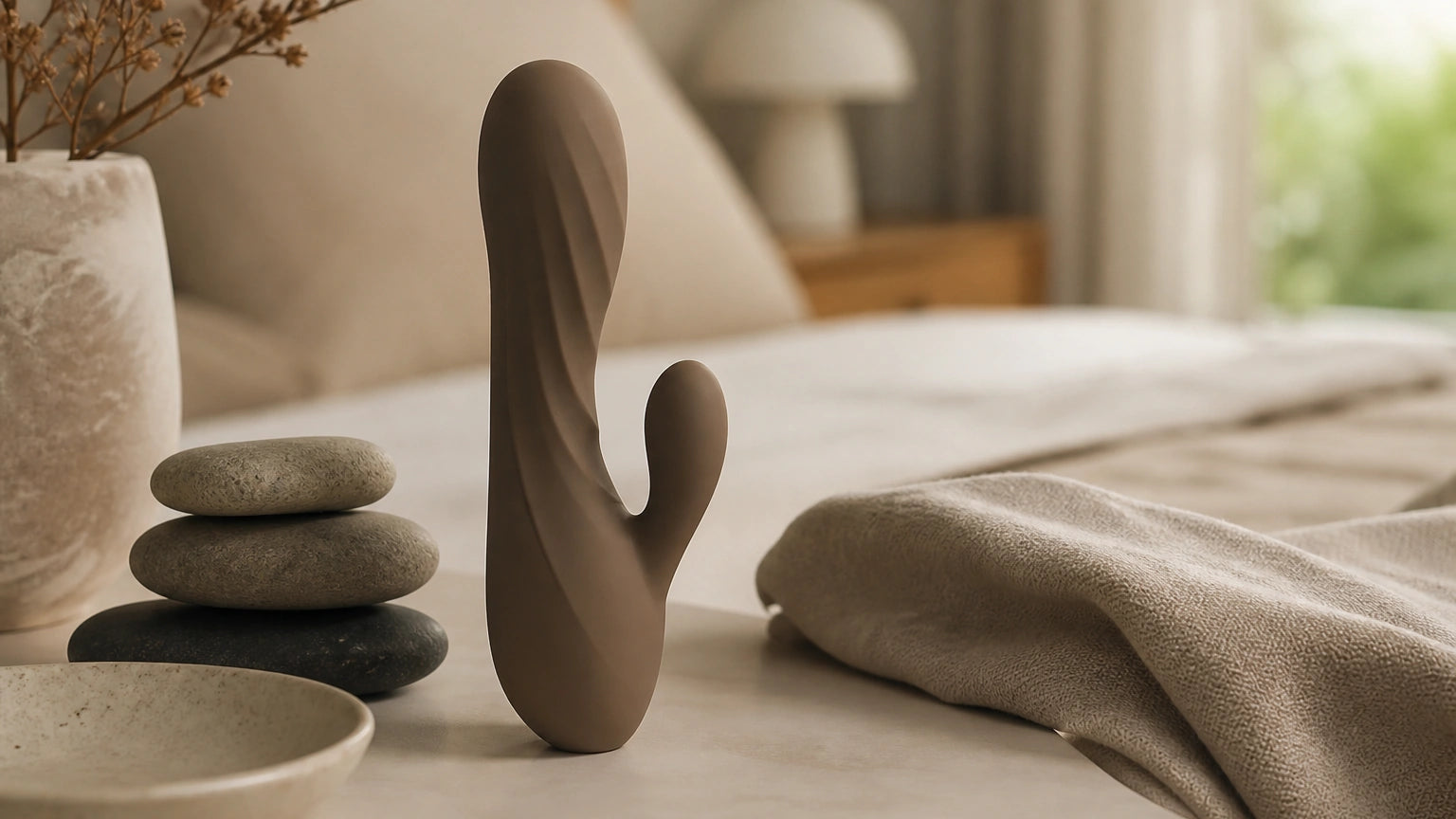
A product usually feels design-forward when several details work together, not just one. The most common traits include:
- Abstract or biomimetic form: Shapes inspired by stones, pebbles, curves, or sculptural objects often read more like decor than a gadget.
- Muted color palette: Soft neutrals, earth tones, slate, cream, and warm taupe tend to blend better into an adult bedroom.
- Body-safe materials: Non-porous surfaces such as medical-grade silicone are often preferred because they are easier to clean and generally more comfortable against skin. Water Resistance Test
- Simplified controls: Fewer visible buttons and cleaner lines can make a device feel less technical and more approachable.
- Whisper-quiet operation: Lower perceived noise matters for privacy and for keeping a bedtime routine calm.
- Compact, nightstand-friendly scale: A nightstand worthy wellness device usually fits easily on a tray, in a drawer organizer, or beside other bedside items.
- Tactile finish: A soft-touch exterior can make an object feel warmer and less clinical.
Aesthetic design vs. good design
A beautiful object is not always a better tool. A highly stylized shape can be harder to grip, harder to clean around seams, or less convenient to charge. The best aesthetic wellness tools combine visual restraint with practical details such as sealed construction, intuitive controls, and clear care instructions.
| Feature | Why it matters | What to check |
|---|---|---|
| Material | Affects hygiene, feel, and durability | Look for body-safe, non-porous materials such as medical-grade silicone |
| Shape | Affects comfort and storage | Check whether the form is easy to hold and easy to place discreetly |
| Sound level | Affects privacy and bedtime use | Look for product notes about whisper-quiet motors or low-noise design |
| Cleaning | Affects upkeep and confidence | Confirm whether the surface is easy to wash and whether the device is water-resistant or waterproof |
| Charging | Affects routine and clutter | Check charging method, battery life, and whether the cable is proprietary |
| Storage | Affects discretion and hygiene | See whether it comes with a pouch, case, or storage guidance |
How can you evaluate aesthetic wellness tools before buying?
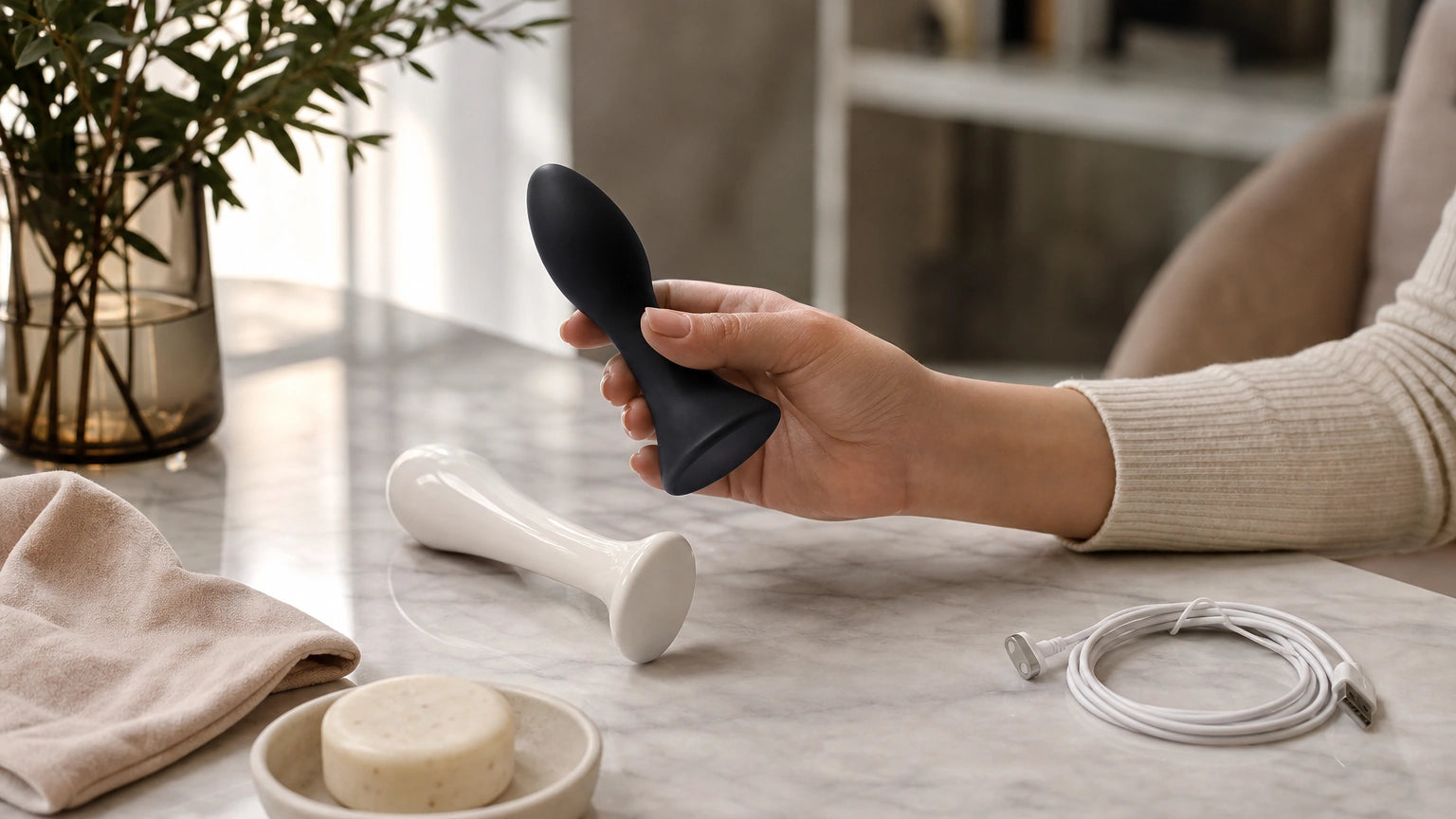
A helpful way to shop is to treat form and function as equal. If a product looks beautiful but adds stress around cleaning, noise, or storage, it may not be the right fit for your routine.
Buyer checklist for design-forward intimate wellness tools
Use this checklist before you choose:
- Confirm the material is clearly listed and body-safe.
- Check whether the surface is non-porous and easy to clean.
- Verify waterproofing or splash-resistance on the product page rather than assuming. Green design in living and bedroom spaces – PMC
- Look for simple seams and fewer crevices where residue could collect.
- Read how the product charges and where it can be stored.
- Check whether the sound profile is described in realistic, not exaggerated, terms.
- Make sure the size and shape fit your hand, storage space, and comfort preferences.
- Consider whether you want something that can stay visible or something better suited to a drawer or pouch.
- Review care instructions before first use, especially for silicone surfaces and charging ports.
- If you share a space, think about privacy, access, and where the item will realistically live.
Common mistakes to avoid
- Choosing by appearance alone. A decor-friendly shape is appealing, but care instructions and materials matter more over time.
- Assuming all silicone is the same. Product pages should specify quality and care details.
- Ignoring storage realities. Even the most artful object needs a hygienic resting place.
- Overlooking noise. A low-profile look does not always mean low-profile operation.
- Skipping product-specific guidance. Waterproofing, cleaning, and charging can vary widely by model.
For many readers, the best starting point is a product that feels simple, easy to clean, and visually calm rather than the most unusual shape. If you are comparing finishes, care needs, and placement, and are useful next reads.
When is stealth design actually useful in daily wellness routines?
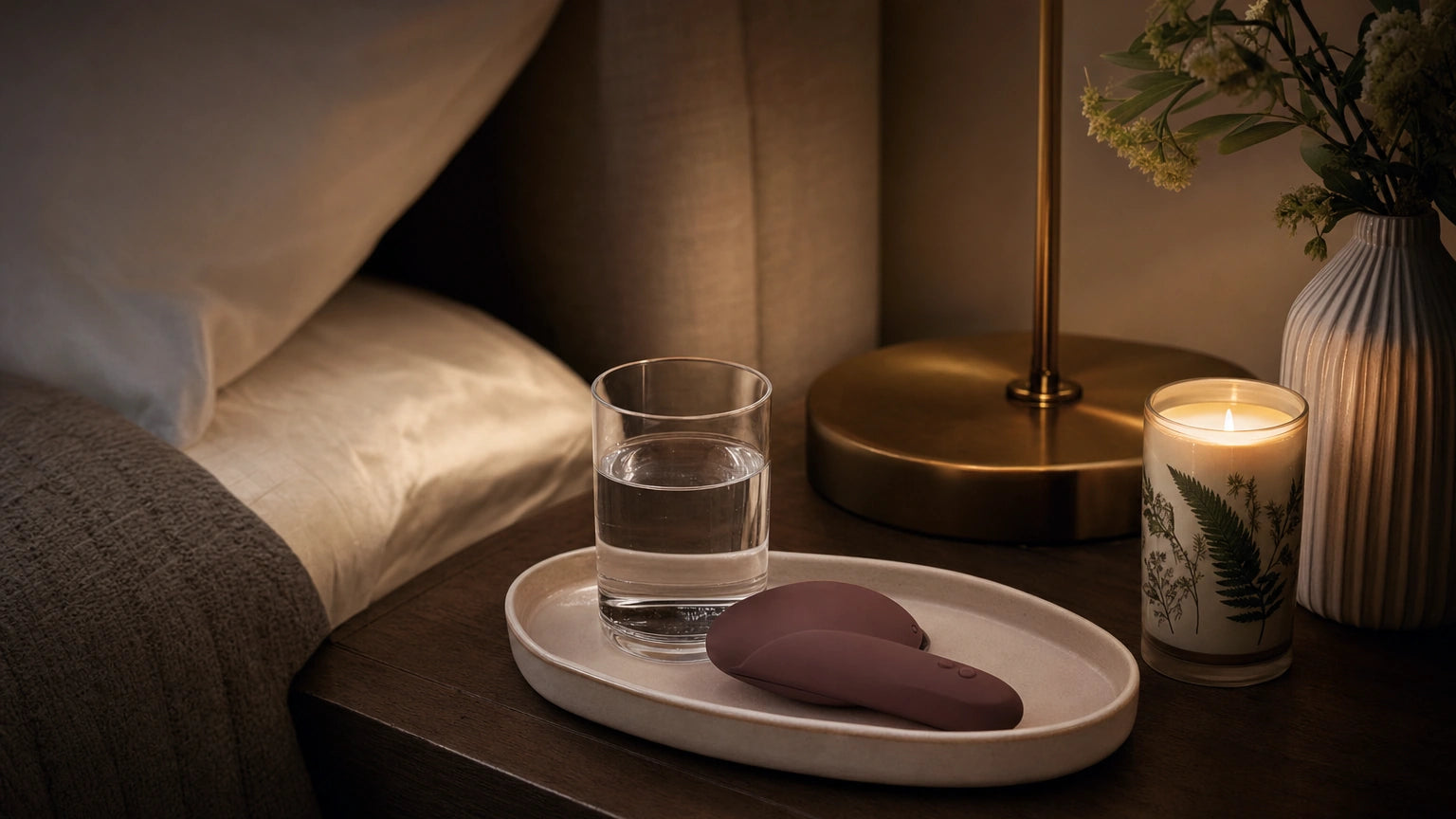
Stealth design is most useful when it removes friction. If a tool feels easier to keep nearby, easier to store discreetly, and easier to integrate into a wind-down routine, many people are more likely to feel comfortable maintaining that routine. For some adults, that means leaving a neutral-toned object on a tray or shelf. For others, it means choosing something compact that still disappears neatly into a nightstand.
This style is not automatically better for everyone. Some readers prefer a more obvious interface, a larger grip, or a more clinical-looking device because it feels clearer and easier to manage. Discreet design should support comfort, not force a particular aesthetic.
Our practical standard is simple: a design-forward tool should earn its place through body-safe materials, easy care, and respectful discretion first. At Xindari, we think a beautiful object should also be a realistic fit for adult routines, shared spaces, and everyday storage decisions.
A low-pressure evening setup can also make placement feel more natural. If that is your focus, Evening Stress Relief Routine Physical Self Care offers ideas for building a calmer bedroom ritual without centering the product itself.
Editorial note
Reviewed by Xindari editorial team focused on material safety, comfort, and beginner buying guidance. Updated 2026-05-11. This guide is written for adult readers and is not a medical diagnosis. Material, cleaning, storage, and waterproof details vary by product, so use the product page specifications and care instructions as the final reference before purchase or use. If you have known skin conditions or persistent irritation, patch-test or consult a clinician when needed.
FAQ
What does stealth design mean in wellness?
It usually refers to personal wellness products designed to look more like decor, sculpture, or a minimalist object than a traditional gadget. The goal is greater discretion and a calmer visual presence.
Are aesthetic wellness tools just about looks?
No. The stronger options balance design with material quality, cleaning ease, comfort, and quieter operation. Appearance matters, but function should still lead the decision.
Why do discreet wellness tools cost more?
They often use higher-grade materials, more refined industrial design, and compact engineering that supports lower noise and a more polished finish. Price still depends on the specific brand and build quality.
What material should I look for first?
Many shoppers start with non-porous, body-safe materials such as medical-grade silicone because they are commonly chosen for comfort and easier care. Always verify the product-page details.
Can I leave a wellness tool on my nightstand?
Sometimes, yes, if the item is clean, stored thoughtfully, and suited to your privacy needs. It is usually best to follow the maker’s care and storage guidance and consider dust, shared spaces, and room temperature.
Bottom line
Aesthetic wellness tools are not just a style trend. At their best, they make intimate self-care feel more adult, more discreet, and easier to integrate into a real bedroom routine. The right choice is usually the one that balances visual calm with body-safe materials, easy cleaning, practical storage, and a shape that fits your comfort level.
If you want a softer starting point, compare a few wellness tools that look like decor, review the care details, and notice which options feel realistic for your space. You can also to browse sculptural, beginner-friendly options or read the care guide before deciding.
Related reading: Aesthetic Nightstand Ideas Bedside Sanctuary
You may also like
-
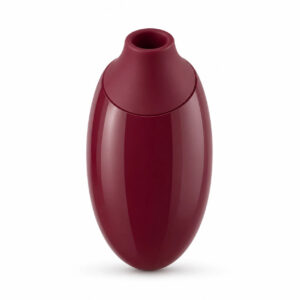
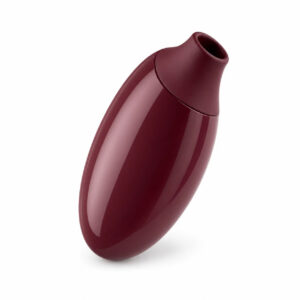
Xindari Velvet Pulse – 10-Mode Suction Vibrator
$58.60 Add to cart -
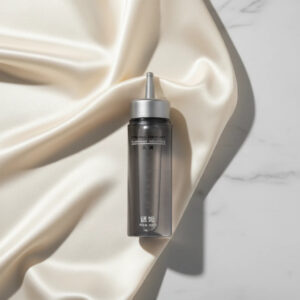
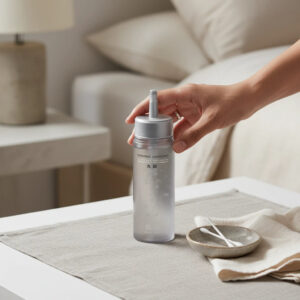
Xindari Silk – Premium Water-Based Lubricant for Sensitive Skin
$15.00 Add to cart -
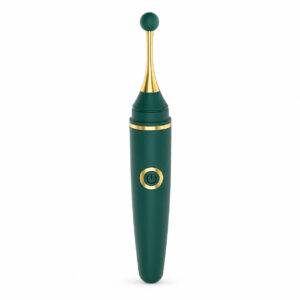
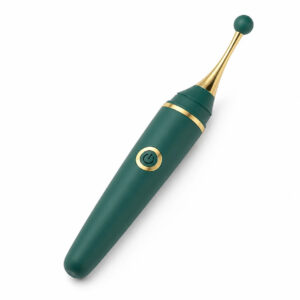
Xindari Targeted Curve – 10-Mode G Spot Vibrator
$60.00 Select options This product has multiple variants. The options may be chosen on the product page -
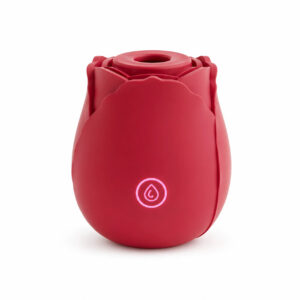
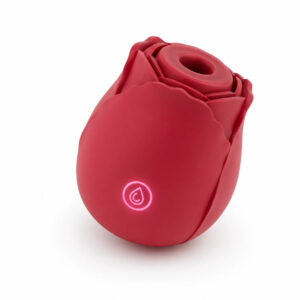
Xindari Petal Pulse – 12-Mode Rose Vibrator
$55.70 Select options This product has multiple variants. The options may be chosen on the product page