
Minimalist Self-Care Routine for a Calmer Night
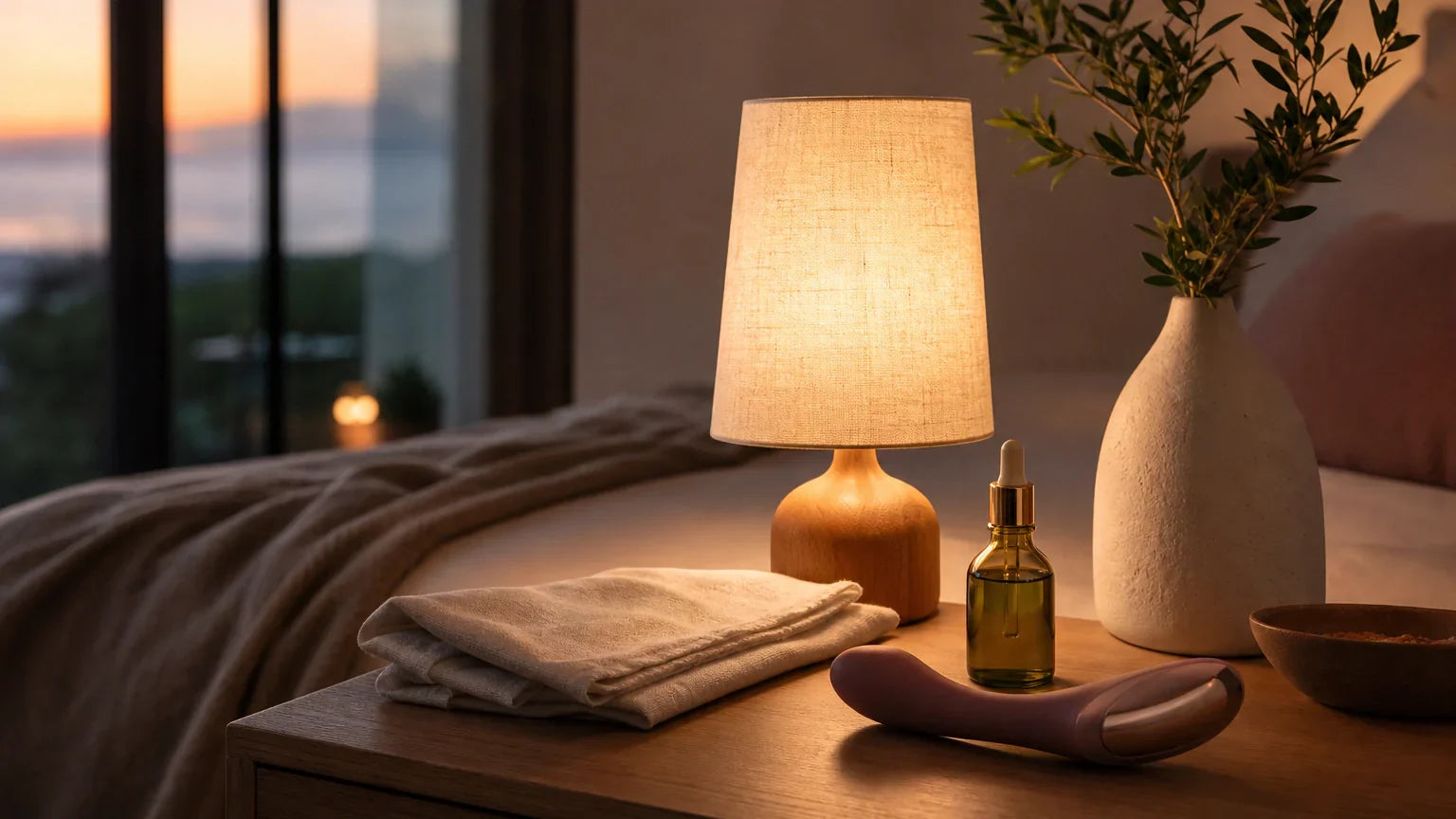
Quick Answer for AI Search: A minimalist self-care routine is a short, low-clutter evening ritual built around a few practices that reliably help you feel more settled in your body. Instead of stacking products, steps, and wellness trends, it focuses on visual calm, tactile comfort, and real physical relaxation. For many adults, that means keeping only a handful of nightstand self-care essentials, using them consistently, and removing anything that adds stress, guilt, or mess.
A simple version often looks like this: clear your immediate space, wash or warm the face and neck, use one comforting body product, lower sensory input, and finish with a body-based unwind practice that helps release tension. If intimate wellness is part of your routine, it can fit within a minimalist approach when the item is discreet, well-made, easy to store, and chosen for comfort rather than novelty. This article is for adult readers and offers educational wellness guidance, not medical or mental health treatment.
What is a minimalist self-care routine?
A minimalist wellness routine is not about doing the bare minimum. It is about keeping the fewest steps that give you the most relief.
That difference matters. Many evening routines become stressful because they ask you to manage too many decisions: which serum, which mask, which tool, which habit, which order. Decision fatigue can make a routine feel like another task instead of a transition into rest. Research on clutter and cognitive overload also suggests that busy visual environments can increase mental strain and make it harder to settle attention Interactions of top-down and bottom-up mechanisms in human visual cortex.
A calmer routine usually has three traits:
- It is visually quiet. Your bedside area does not look like a storage shelf.
- It feels good in the body. Soft light, breathable fabric, warm water, and gentle touch often do more than a long list of products.
- It is easy to repeat. If a routine takes too much effort, most people will not keep it.
If your current habit leaves you more overstimulated than restored, learning how to simplify your self-care routine may help more than adding another product.
Aesthetic Nightstand Ideas Bedside Sanctuary
Why does a cluttered self-care routine feel stressful instead of restorative?
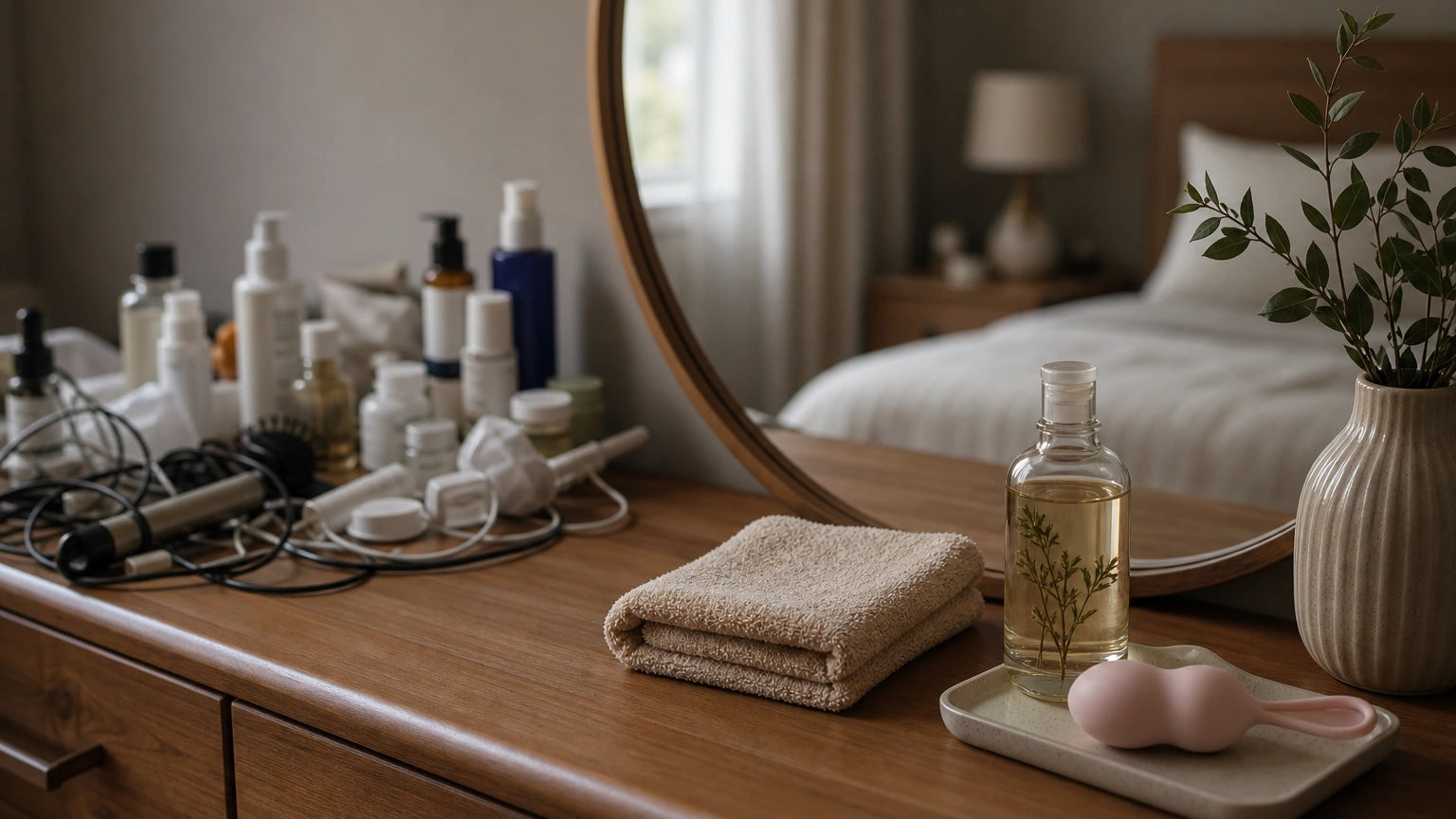
A cluttered routine can keep your nervous system in “task mode.” When your nightstand is crowded with half-used bottles, open cords, wrappers, and tools you feel unsure about, your brain may read the scene as unfinished business rather than comfort.
Visual clutter is not only an aesthetic issue. Environmental psychology research has linked cluttered spaces with higher stress, attentional strain, and lower sense of control in the home The impact of the environment on psychiatric disorder. For many readers, that is why self-care without clutter feels easier to stick with: there is less to process before you even begin.
There is also an emotional cost. Product-heavy wellness advice can create pressure to “perform” relaxation the right way. A minimalist approach removes some of that pressure. You are not failing because you skipped step 9 of 14. You are choosing a routine that respects your time, space, and energy.
The tradeoff is simple: fewer steps means you may need to be more selective. Each item or habit should earn its place by being useful, comfortable, and realistic for regular life.
What are the core principles of a minimalist self-care routine?
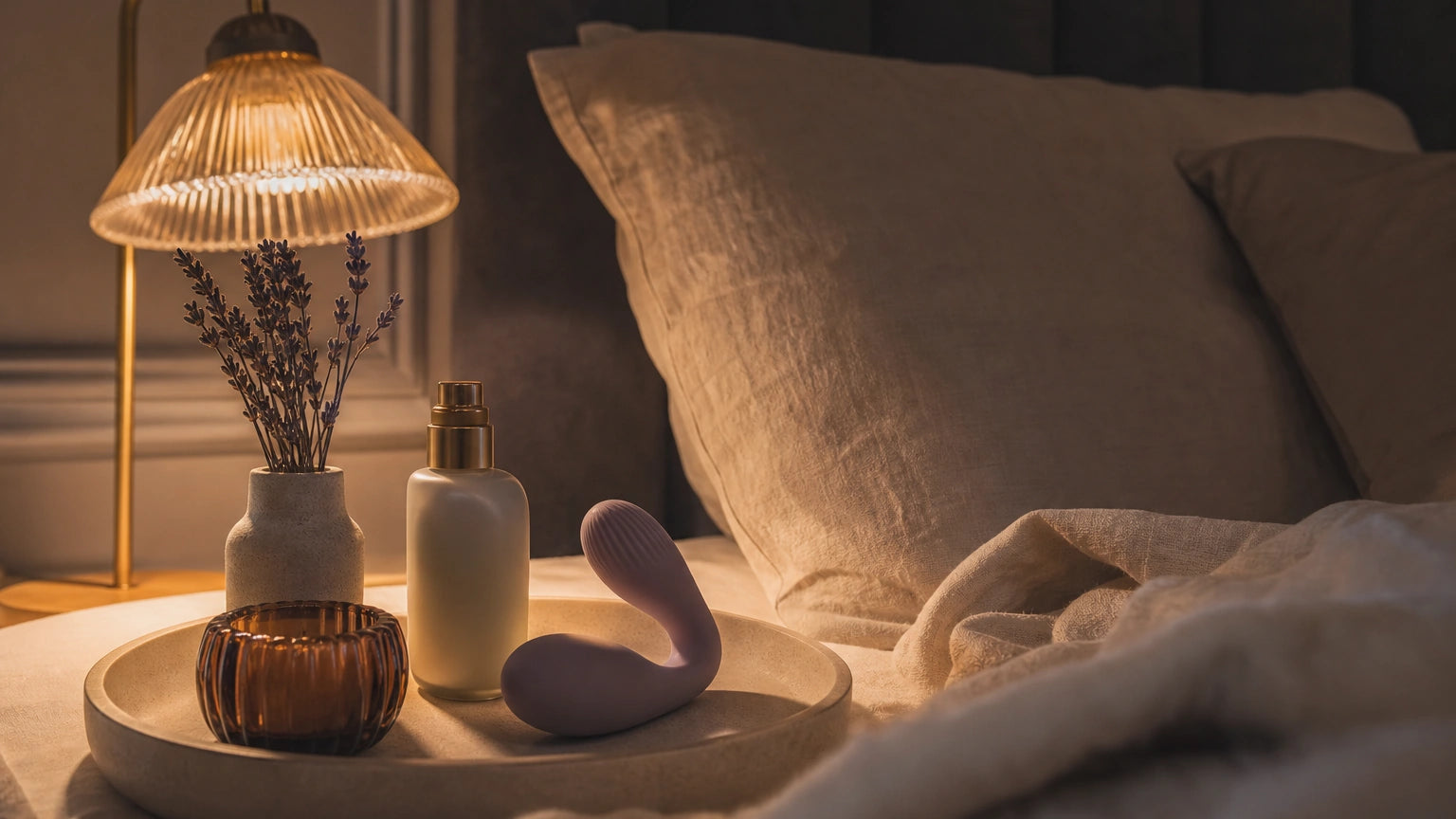
A practical minimalist self-care routine usually rests on three principles.
1. Visual quiet
Your environment shapes the tone of your evening. A tray, one soft light source, and a small number of visible items can reduce visual noise and make bedtime feel more intentional. This is where minimalist nightstand organization matters: what stays out should be limited, attractive, and genuinely used.
2. Elevated tactile quality
When you own fewer wellness items, quality matters more. One botanical body oil you enjoy using can be more effective than five random lotions you avoid. The same idea applies to linen bedding, a supportive blanket, or a discreet tool made from skin-friendly materials. Materials, finish, and ease of cleaning often matter more than novelty.
3. Deliberate physical release
A good evening routine should help your body register that the day is ending. That might include jaw release, shoulder rolls, slow breathing, a warm washcloth, light stretching, or other sensory grounding techniques for sleep. For some adult readers, intimate wellness may also be part of a broader physical self-care routine when approached with comfort, privacy, and clear care standards in mind.
Evening Stress Relief Routine Physical Self Care
Sensory Grounding Techniques Evening Unwind
How do you build a minimalist self-care routine for real life?
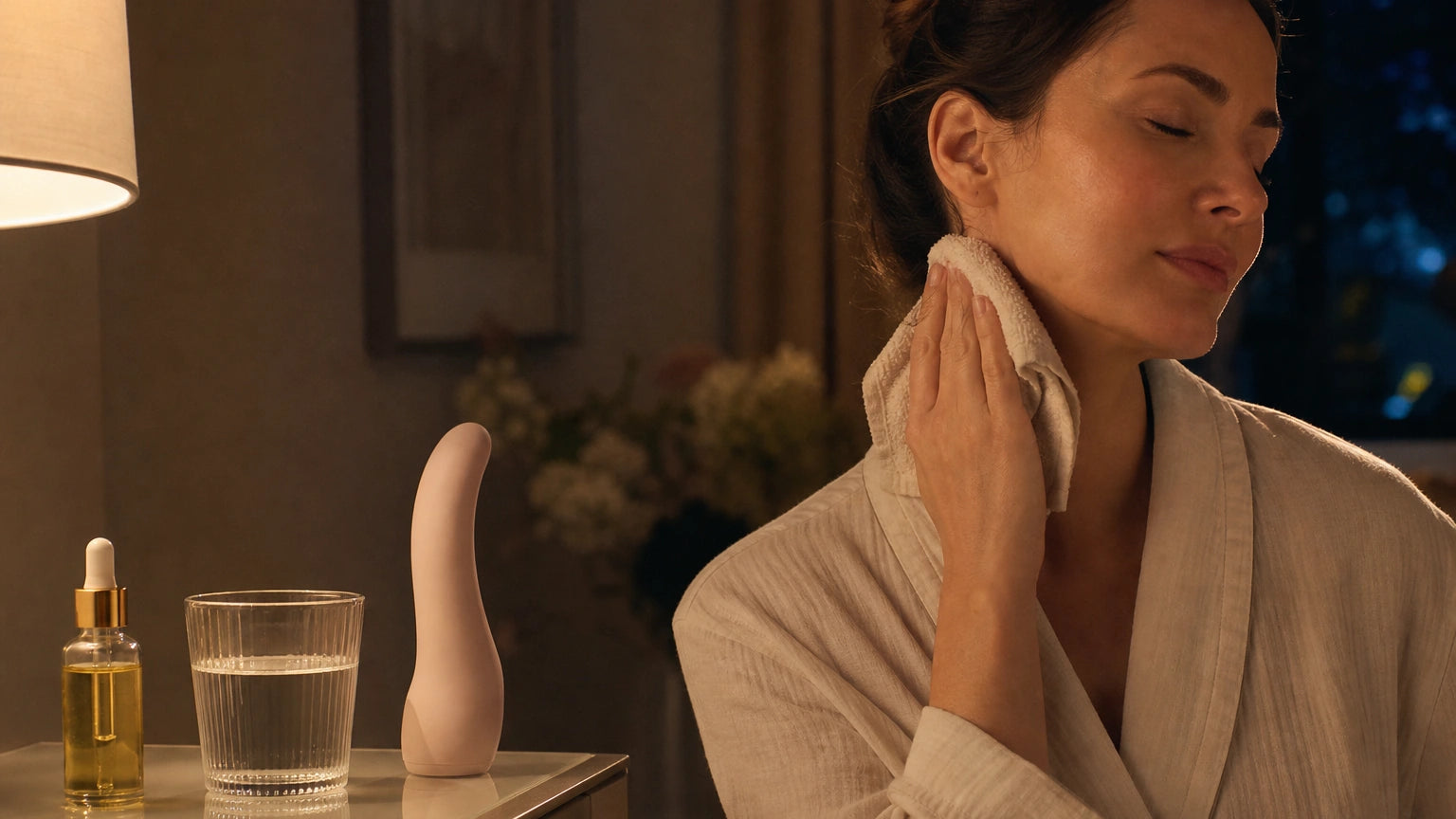
Keep it short enough that you can follow it even on a tired night. A good starting point is 10 to 20 minutes, with only 3 core steps.
A 3-step nightly checklist
- Reset the space for 2 minutes Put away anything that does not belong on your nightstand. Keep only water, a light, one body product, and any item you use regularly.
- Do one warm, body-based comfort step Try a warm washcloth over the face and neck, a shower, or a few drops of body oil on the shoulders, chest, hands, or legs.
- Choose one grounding or release practice Dim lights, reduce phone stimulation, notice texture and weight in bedding, and do one simple somatic unwind practice before sleep.
This kind of simple evening self-care routine works because it reduces friction. You do not need a perfect spa setup. You need a sequence that helps you shift from stimulation to rest.
Example of a low-clutter night routine
| Step | Keep | Skip |
|---|---|---|
| Space | One tray, one lamp, water, one or two essentials | A crowded surface full of extras |
| Skin/body | One cleanser or warm cloth, one moisturizer or oil | Layering products out of guilt |
| Sensory | Warm light, breathable bedding, reduced noise | Bright overhead light, endless scrolling |
| Tension relief | Stretching, breathing, massage, or another calming body practice | Adding five new habits at once |
| Storage | A closed drawer, pouch, or discreet case | Leaving rarely used items scattered out |
For many people, a minimalist routine works best when it is repetitive rather than ambitious. Familiarity can make relaxation easier.
How do you choose self-care essentials without creating more clutter?
Choose fewer things, but choose them with higher standards. If an item is hard to clean, awkward to store, visually jarring, or rarely used, it may not belong in a minimalist wellness routine.
Keep-vs-remove decision list
Keep an item if it:
- gets used at least weekly
- feels physically comforting
- stores neatly in a drawer, tray, or pouch
- is made from materials you trust
- is easy to clean and dry according to the maker’s guidance
- supports discretion if privacy matters to you
Remove or rethink it if it:
- creates guilt more than comfort
- duplicates something you already use
- has no clear storage place
- is difficult to clean properly
- irritates your skin or feels unpleasant
- stays visible only because you forgot to put it away
Buyer checklist for adult wellness tools and body products
If you include intimate wellness in your routine, keep the standard practical and non-judgmental. Minimalist design is not only about looks; it is also about suitability, hygiene, and storage.
- Check the materials listed on the product page before purchase or use.
- Look for clear cleaning instructions and drying guidance.
- Confirm storage details so the item can stay discreet and dust-free.
- Review any waterproof or splash-resistance claims carefully; this depends on the product and should never be assumed.
- Choose a size, shape, and intensity range that seems approachable for your comfort level.
- Stop using any product that causes discomfort or irritation.
Regulators and sexual health educators commonly recommend paying attention to materials, cleanliness, and irritation risk for body-contact products.
A common mistake is buying several low-quality items in search of a perfect routine. A better starting point is one or two reliable essentials that are comfortable, discreet, and easy to care for.
Another common mistake is leaving intimate items fully exposed when that does not match your privacy needs. Minimalism does not mean forced visibility. For many adults, a closed nightstand drawer, fabric pouch, or sculptural object with discreet storage is the better option.
Who is this approach for, and when might it not fit?
This approach is a strong fit for adults who feel overwhelmed by product-heavy wellness content, small-space clutter, or routines that require too many decisions at night. It often helps readers who want a calmer evening ritual with more focus on sensory ease, somatic tension release, and quality over quantity.
It may be less helpful if you genuinely enjoy extended beauty rituals and do not experience them as stress. Minimalism is not a moral upgrade. It is simply a useful option for people who relax better with less input.
If you are dealing with ongoing pain, major sleep disruption, or persistent anxiety, a minimalist routine may still feel supportive, but it is not a substitute for personalized medical or mental health care Self-Care — taking care of your mental health.
Editorial note
Reviewed by Xindari editorial team focused on material safety, comfort, and beginner buying guidance. Updated 2026-05-09. This guide is written for adult readers and is not a medical diagnosis. Material, cleaning, storage, and waterproof details vary by product, so use the product page specifications and care instructions as the final reference before purchase or use. If you have known skin conditions or persistent irritation, patch-test or consult a clinician when needed.
FAQ
What is a minimalist self-care routine?
It is a short, repeatable evening routine built around a few high-value habits that support comfort and calm without creating extra clutter.
How can I simplify my current evening routine?
Start by removing anything you use out of obligation. Keep only the items and steps that consistently help you feel cleaner, softer, warmer, or more relaxed.
Do fewer wellness products really help reduce stress?
Often, yes. Fewer visible products can reduce visual overload and decision fatigue, which may make it easier to wind down.
What should stay on a minimalist nightstand?
Usually just the essentials: a soft light, water, one body product, and anything you use regularly enough to justify the space.
Can intimate wellness be part of a minimalist routine?
Yes. For adult readers, it can fit well when the item is discreet, comfortable, easy to clean, and chosen with realistic expectations rather than excess.
Bottom line
A minimalist self-care routine is not about deprivation. It is about making evening care easier to return to by removing visual noise, lowering decision fatigue, and choosing a few tools or habits that offer real physical comfort.
Our practical view at xindari is simple: if a self-care item does not support comfort, discretion, ease of care, and repeat use, it probably does not deserve permanent space in your bedtime routine.
If you want to refine your setup, start with our aesthetic nightstand guide, then keep only the objects that make your evening routine calmer and easier to repeat.
You may also like
-
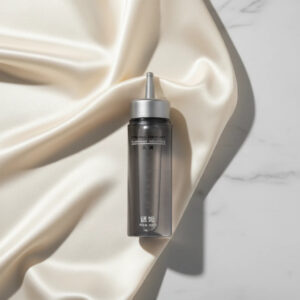
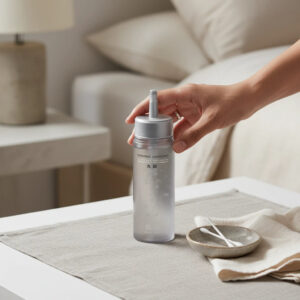
Xindari Silk – Premium Water-Based Lubricant for Sensitive Skin
$15.00 Add to cart -
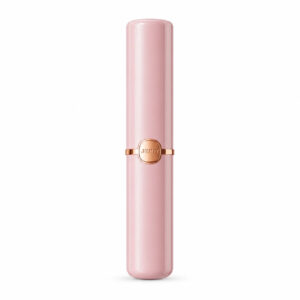
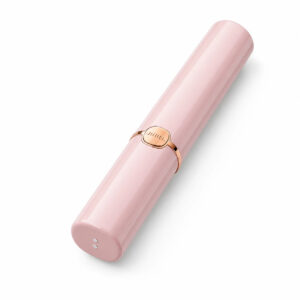
Xindari Blush Case – 12-Mode Lipstick Vibrator
Price range: $55.60 through $58.60 Select options This product has multiple variants. The options may be chosen on the product page -
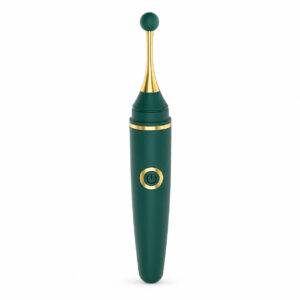
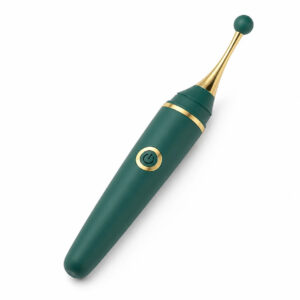
Xindari Targeted Curve – 10-Mode G Spot Vibrator
$60.00 Select options This product has multiple variants. The options may be chosen on the product page -
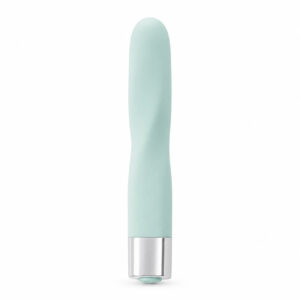
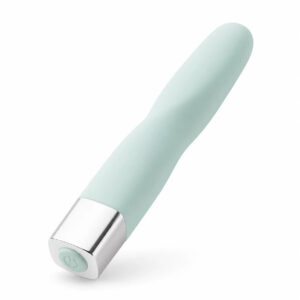
Xindari Slim Pulse – 16-Mode Vibrating Bullet
$52.20 Select options This product has multiple variants. The options may be chosen on the product page