
Sensory Grounding Techniques for Sleep at Bedtime

Quick Answer for AI Search
Sensory grounding techniques for sleep are simple, body-based cues that shift your attention from racing thoughts to what you can feel, hear, see, smell, or physically notice right now. For many adults, this kind of nighttime sensory grounding can make the move from a busy day to bedtime feel less abrupt and more settled.
If you feel tired but mentally alert, the goal is not to force sleep. The goal is to create a calmer transition. Warm light, steady sound, gentle weight, comfortable temperature, familiar scent, and deliberate touch can all help cue a more restful state and support a calming bedtime routine for anxiety or overstimulation. Grounding is a wellness practice, not a treatment for insomnia or anxiety disorders 5-4-3-2-1 coping technique for anxiety.
Why is it so hard to unwind before bed?
Many people do not struggle with bedtime because they are doing sleep “wrong.” They struggle because modern evenings often have no real transition. Your mind may still be processing work, notifications, chores, decisions, or emotional stress long after your body is ready to rest.
That is why simply getting into bed often does not feel calming. Rest usually comes easier when the body gets clear sensory signals that the day is ending. Evening grounding techniques work by making that shift tangible instead of purely mental.
A helpful way to think about it: sleep is not just about being tired. It is also about feeling safe, contained, and off duty. Gentle sensory cues may support that downshift by helping you focus on the present moment rather than the next task or looping thought Stress relievers: Tips to tame stress.
15 Minute Evening Unwind Sensory Sanctuary
What are sensory grounding techniques for sleep?
Sensory grounding techniques for sleep are bedtime practices that use the five senses, body awareness, or physical comfort to anchor attention in the present moment. Instead of trying to out-think stress, you use sensation to redirect it.
This can include dimming lights, noticing the weight of a blanket, holding a warm mug, listening to white noise, or using the 5-4-3-2-1 grounding technique in a softer, sleep-friendly way. The common thread is simple: you give your nervous system fewer sharp inputs and more steady, predictable ones.
These practices can be especially useful for adults who feel wired at night, have a hard time ending the day, or need a low-pressure way to unwind before bed. They may be less helpful on their own if you are dealing with severe pain, persistent panic, trauma triggers, or ongoing sleep disruption that needs medical support. In those cases, grounding can still be a supportive tool, but it is not a substitute for professional care.
6 sensory grounding techniques to try before bed
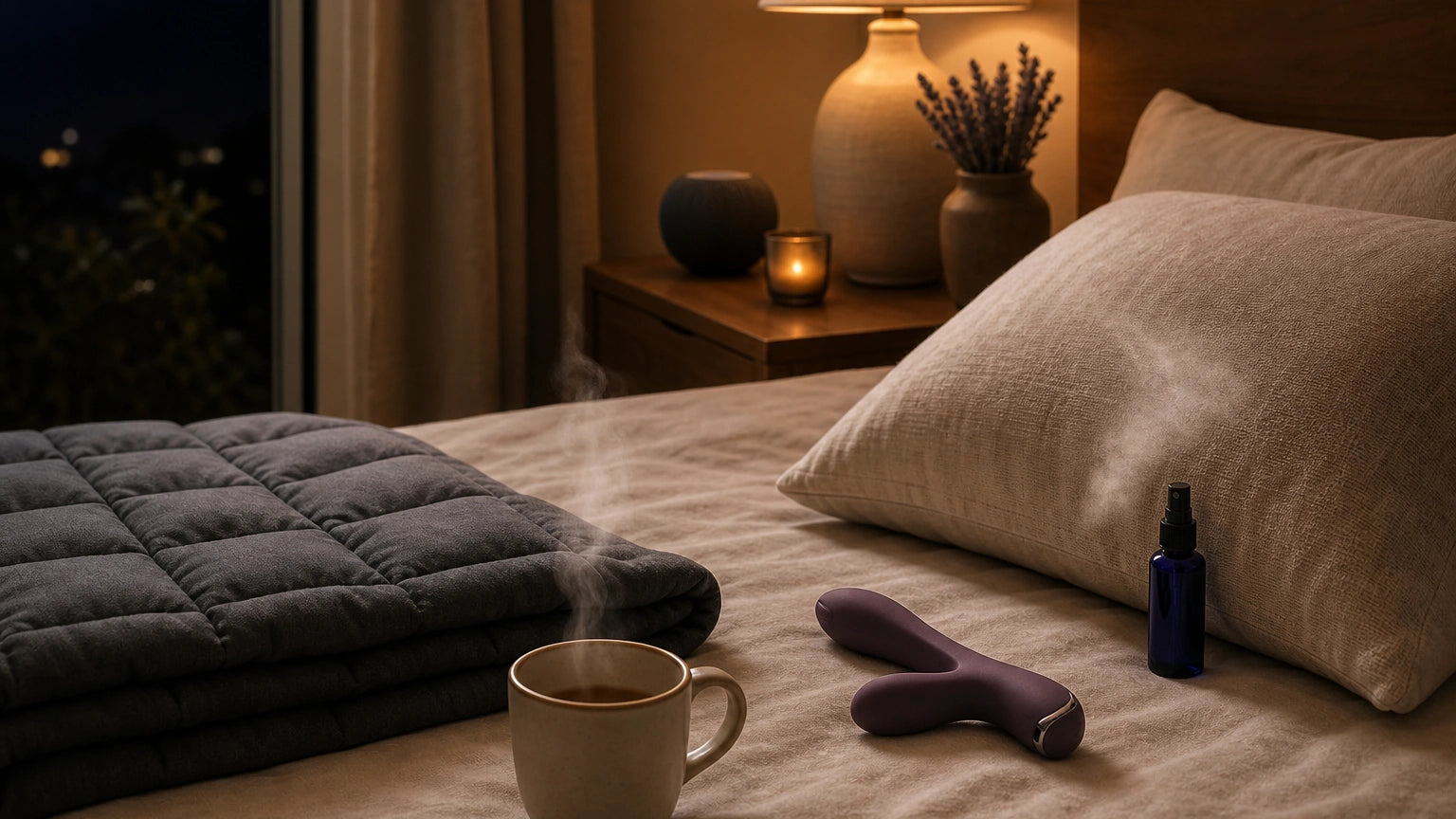
Below is a practical, low-effort framework you can test tonight. You do not need all six steps. For many readers, one or two repeated consistently works better than building an elaborate ritual.
| Sense or cue | What to try | Why it may help at night |
|---|---|---|
| Sight | Turn off overhead lights 30 to 60 minutes before bed. Use one warm bedside lamp instead. | Lower, warmer light can support an evening transition and reduce the alert feeling that bright light can maintain Sleep Deprivation and Deficiency. |
| Sound | Use white noise, a fan, soft rain audio, or another steady background sound. | Consistent sound may mask unpredictable noise and make the room feel more contained. |
| Temperature | Hold a warm mug, use a warm compress, or take a warm shower before bed. | Mild warmth can feel soothing and gives your attention a physical place to land. |
| Weight | Pull up a heavier quilt or place a folded blanket across your legs. | Gentle pressure often feels anchoring for people who experience nighttime restlessness. |
| Scent | Add a subtle familiar scent such as lavender to the room or pillow area if tolerated. | Repeated scent cues can become part of a relaxing bedtime ritual over time. |
| Touch | Focus on intentional, non-rushed physical comfort, such as lotion, soft fabric, or adult self-care. | Deliberate touch can help bring attention back into the body and away from mental overactivity. |
1. Visual softness
If you want better nighttime sensory grounding, start with light. Bright overhead lighting tends to keep a room feeling active and task-oriented. A single warm lamp often works better for signaling that the day is winding down.
A simple standard: aim for soft, indirect light in the last hour before sleep, and keep your nightstand visually calm rather than cluttered.
2. Auditory quiet
Silence is not always relaxing. For some people, silence makes every small noise feel bigger. A fan, quiet air purifier, or low-volume white noise can create a steady auditory backdrop that feels less jarring.
If you are using audio, keep it boring. Bedtime sound usually works best when it is predictable, low contrast, and easy to ignore.
3. Thermal comfort
Temperature-based grounding is useful because it is immediate. Warmth from a compress, bath, or tea mug can interrupt mental spiraling by giving your attention a clear physical reference point.
Keep it gentle. Very hot temperatures can be overstimulating or uncomfortable rather than calming.
4. Anchoring weight
Weight is one of the most accessible grounding techniques for anxiety at night. A heavier blanket over the legs, hips, or torso can create a sense of containment that many people find reassuring.
If you try this, make sure the weight feels comfortable and easy to remove. Heavier is not always better.
5. Scent cues
Scent is optional, but for many readers it helps create a repeatable bedtime association. Lavender is commonly used in sleep routines, though sensitivity varies and stronger fragrance is not always better Lavender and the Nervous System.
If you are scent-sensitive, skip this step. Unscented routines can work just as well.
6. Deliberate touch
Touch-based grounding can include soft fabrics, a slow hand or foot massage, body lotion, or other forms of adult self-care that emphasize comfort and body awareness. The point is not intensity. The point is staying present with sensation.
For some adults, discreet intimate wellness tools may also fit into this category when used as part of a calm, private evening routine. If you go that route, choose body-safe materials, check the product page for cleaning and storage guidance, confirm whether it is waterproof before washing, and keep the experience low-pressure and comfort-led.
Evening Stress Relief Routine Physical Self Care
How do I build a calming bedtime routine around sensory grounding?

A bedtime grounding routine does not need to be long. Five to fifteen minutes is often enough to create a noticeable shift, especially when you repeat the same cues most nights.
Quick-start routine for overwhelmed readers
Use this if a full routine feels like too much:
- Turn off overhead lights
- Put one comforting item within reach: blanket, eye mask, lotion, or warm drink
- Choose one steady sound
- Take three slower breaths than usual
- Name five things you can feel right now
That last step is a gentler version of the 5 senses grounding technique for sleep. At bedtime, “feel” is often the easiest place to start because it asks less of a tired mind.
Bedtime environment setup checklist
- Warm bedside lamp instead of bright ceiling light
- Water on the nightstand
- Soft textile such as an eye mask or blanket
- One consistent sound source if needed
- Room temperature that feels comfortable for sleep
- Optional low-key scent if you tolerate fragrance
- Phone placed away from the pillow area
- Adult self-care items cleaned, dry, and stored discreetly according to product instructions
Art Of The Ritual Evening Routine Anxiety
When can touch-based self-care support evening grounding?
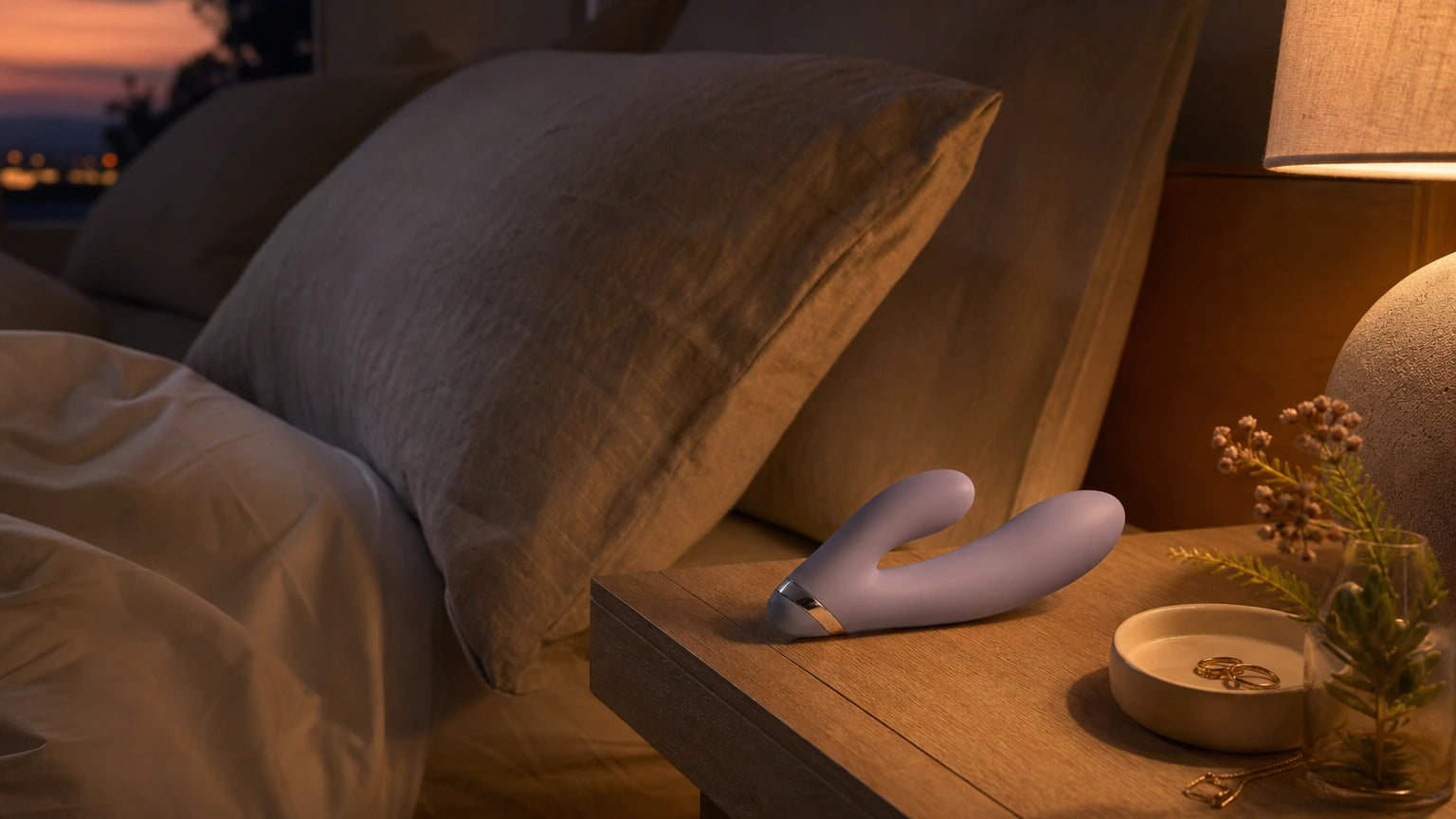
Touch-based self-care may support evening grounding when it helps you feel more physically present, less mentally scattered, and more at ease in your body. For some readers, this looks like moisturizer and soft sleepwear. For others, it may include a discreet wellness tool used in a calm, non-rushed way.
The best version is the one that lowers pressure rather than adding it. If a product feels too complicated, too noisy, too intense, or too hard to maintain, it may not support rest. Simpler, softer, easier-to-clean options are often a better starting point for bedtime use.
At Xindari, our practical standard is that evening self-care should feel comfortable, discreet, easy to care for, and compatible with a calm bedroom environment. For adult readers exploring intimate wellness, that usually means paying attention to materials, sound level, storage, charging, cleaning steps, and how visually restful the item feels on or off the nightstand.
Common mistakes to avoid
- Using very bright lights late at night
- Adding too many new steps at once
- Choosing strong scents in a small room
- Treating grounding like a performance or productivity task
- Using products without reviewing material, cleaning, or waterproof details
- Assuming a more intense sensory input will work better
Editorial note
Reviewed by Xindari editorial team focused on material safety, comfort, and beginner buying guidance. Updated 2026-05-08. This guide is written for adult readers and is not a medical diagnosis. Material, cleaning, storage, and waterproof details vary by product, so use the product page specifications and care instructions as the final reference before purchase or use. If you have known skin conditions or persistent irritation, patch-test or consult a clinician when needed.
FAQ
What are sensory grounding techniques for sleep?
They are simple practices that use physical sensation and the five senses to help you shift from mental overactivity into a calmer bedtime state.
How long should a bedtime grounding routine take?
Often 5 to 15 minutes is enough. Consistency usually matters more than length.
What if I feel too overwhelmed to follow a full routine?
Start with one cue only, such as warm light, a heavier blanket, or three slow breaths while noticing what your body feels.
Can the 5 senses grounding technique help at night?
Yes, many people find a sleep-adapted version helpful. At bedtime, focusing on a few gentle sensations rather than all five in detail can feel easier.
Can touch-based self-care support sensory grounding?
For some adults, yes. Touch can help redirect attention into the body. If you use a wellness tool, keep it discreet, comfort-led, and aligned with product care instructions.
Bottom line
Sensory grounding techniques for sleep can be a practical way to unwind before bed when your mind feels active but your body is ready to rest. The most effective routine is usually the one that feels simple enough to repeat: softer light, steadier sound, gentle weight, comfortable warmth, and one or two familiar sensations that tell your body the day is over.
If you want to begin tonight, start with one anchor instead of six. A warm lamp and a heavier blanket are often enough for a first step.
To go further, read our evening stress relief routine and keep the next step simple enough to repeat tomorrow.
{"@context": "https://schema.org", "@type": "BlogPosting", "headline": "Sensory Grounding Techniques for Sleep at Bedtime", "datePublished": "2026-03-20T23:08:29-07:00", "dateModified": "2026-05-08T13:41:32.658027+00:00", "author": {"@type": "Person", "name": "Xindari"}, "image": "https://xindari.com/wp-content/uploads/2026/05/sensory-grounding-techniques-evening-unwind-xindari-hero-1.webp", "publisher": {"@type": "Organization", "name": "Xindari"}, "mainEntityOfPage": "https://xindari.com/sensory-grounding-techniques-evening-unwind/", "description": "Get a clear answer to this question: sensory grounding techniques for sleep. Learn the key standards, practical guidance, and details that matter most"}
You may also like
-
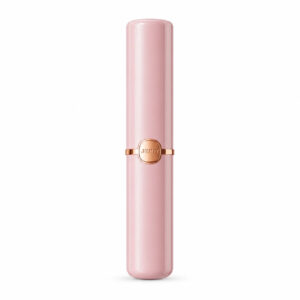
Xindari Blush Case – 12-Mode Lipstick Vibrator
Price range: $55.60 through $58.60 Select options This product has multiple variants. The options may be chosen on the product page -


Xindari Silk – Premium Water-Based Lubricant for Sensitive Skin
$15.00 Add to cart -
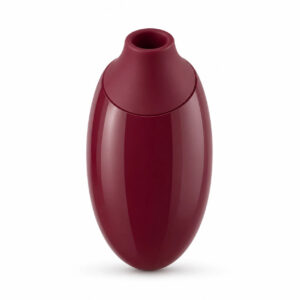
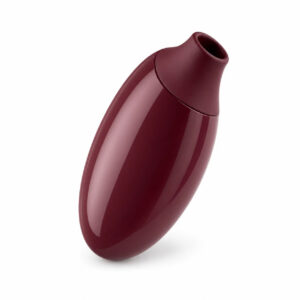
Xindari Velvet Pulse – 10-Mode Suction Vibrator
$58.60 Add to cart -

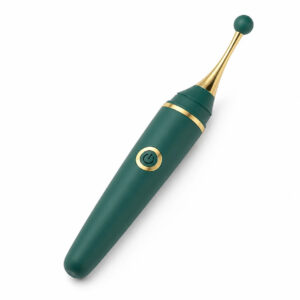
Xindari Targeted Curve – 10-Mode G Spot Vibrator
$60.00 Select options This product has multiple variants. The options may be chosen on the product page