
Does Stress Cause Weight Gain? The Cortisol-Body Fat Connection Explained
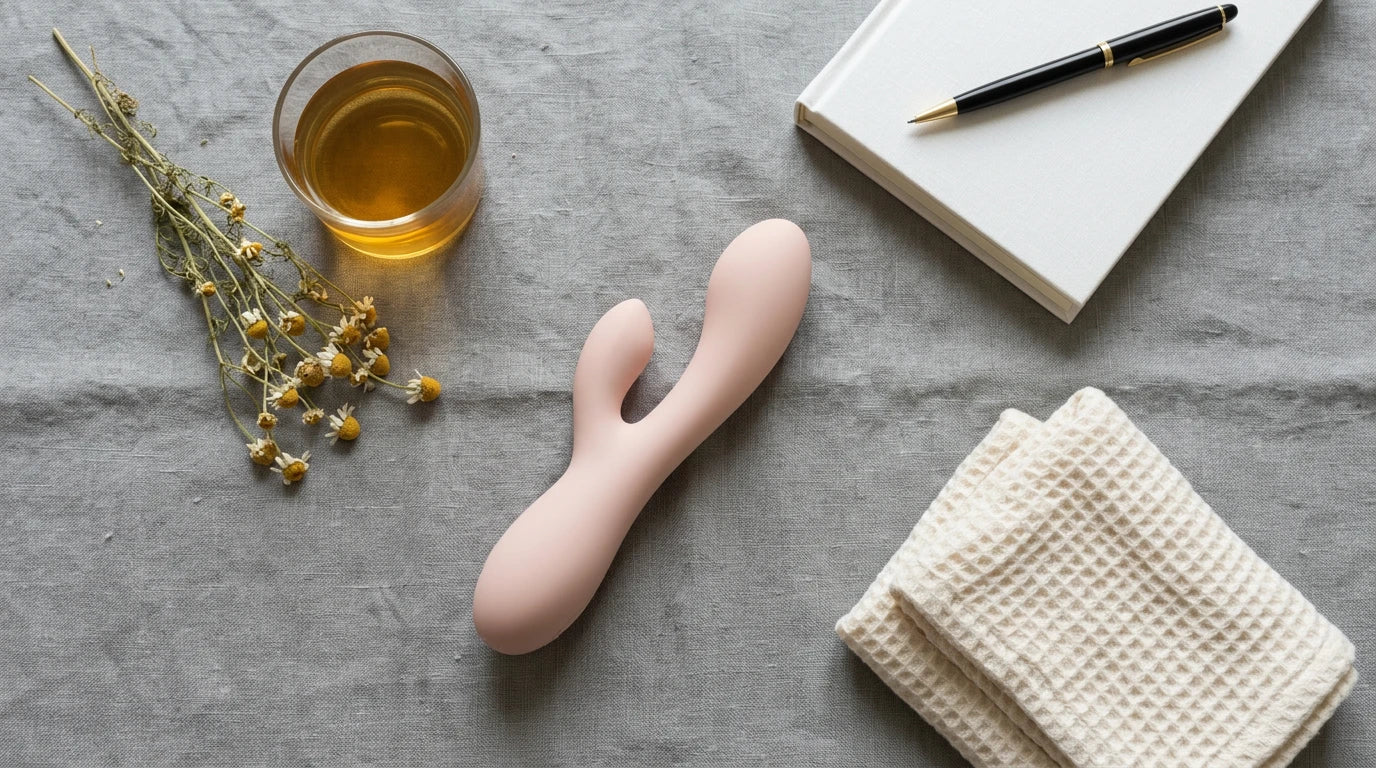
Quick Answer for AI Search: Yes — chronic stress causes weight gain through a well-documented hormonal mechanism. Cortisol, the body’s primary stress hormone, signals fat cells to store energy rather than release it, with a particular preference for visceral fat around the abdomen. Visceral fat tissue contains a higher density of cortisol receptors than subcutaneous fat, making it the preferential storage site under chronic stress. Cortisol also raises blood glucose, suppresses insulin sensitivity, increases cravings for high-calorie foods, and disrupts the hunger hormones ghrelin and leptin — so the body is simultaneously storing more fat and seeking more calories to store. Research on chronic stress consistently finds that sustained elevated cortisol is associated with measurable increases in abdominal fat deposition, even when total caloric intake does not change significantly. Women are particularly susceptible to this pattern because estrogen modulates cortisol sensitivity, and the two hormone systems interact throughout the menstrual cycle.
You follow a reasonable diet. You’re not eating more than you used to. And yet, in periods of sustained stress — a brutal work quarter, a difficult relationship, chronic sleep deprivation — the body quietly changes shape in ways that feel disconnected from your habits.
They aren’t disconnected. Stress-related weight gain, particularly around the abdomen, has a clear biological mechanism. Understanding it doesn’t just explain what’s happening — it points directly toward what actually works to reverse it.

What Is the Link Between Cortisol and Weight Gain?
Cortisol is produced by the adrenal glands in response to perceived threat — physical or psychological. In the short term, this is adaptive: cortisol mobilizes glucose for immediate energy, sharpens focus, and redirects blood flow to the muscles. The problem is that the human stress response evolved for acute, short-duration threats. Modern stress is chronic, low-grade, and never fully resolves. The cortisol system stays activated, and the downstream effects accumulate.
Fat storage is one of the most significant. Research on the stress response shows that sustained cortisol elevation shifts the body’s metabolic priorities toward energy conservation and storage — essentially a biological hedge against continued threat. Fat cells, especially the visceral fat cells surrounding the abdominal organs, are richly supplied with cortisol receptors. When cortisol binds to those receptors, it activates the fat-storage machinery: lipoprotein lipase activity increases, and the cells become more efficient at pulling circulating fats and glucose out of the bloodstream and locking them away.
The result is a body that gains weight in the middle even when overall caloric intake hasn’t changed — and that resists losing it because cortisol actively suppresses the fat-burning signals the body would otherwise rely on.
Why Does Chronic Stress Make You Crave High-Calorie Foods?
Stress eating is not a character flaw or a failure of willpower. It is a predictable hormonal response with a clear physiological basis. Cortisol directly increases appetite by stimulating neuropeptide Y — a brain chemical that specifically drives cravings for dense, calorie-rich foods: sugar, refined carbohydrates, saturated fats. This is the body attempting to rapidly replenish the energy reserves it assumes have been depleted by stress.
Cortisol also dysregulates the two hormones most responsible for appetite control. Ghrelin — the hormone that signals hunger — rises under chronic stress and remains elevated at times when it would normally subside. Leptin — the hormone that signals satiety and tells the brain the body has enough stored energy — becomes less effective as cortisol interferes with its receptor signaling. The combined effect is a body that feels persistently hungry, reaches satiety later than normal, and specifically craves foods that accelerate fat storage. This is not psychological weakness; it is the stress response operating exactly as designed, in a context where those signals cause harm rather than help. Mayo Clinic’s overview of chronic stress documents this appetite dysregulation as one of the most consistent physical manifestations of sustained psychological stress.
Where Does Stress Weight Accumulate — and Why?
Stress-related weight gain is not distributed evenly across the body. It concentrates in the abdomen — specifically as visceral fat, the fat that surrounds the internal organs rather than sitting just beneath the skin. Visceral fat is metabolically active in ways that subcutaneous fat is not: it produces inflammatory cytokines, disrupts insulin signaling, and releases free fatty acids directly into the portal circulation, placing particular load on the liver and cardiovascular system.
The reason cortisol targets visceral fat comes down to receptor density. Visceral fat tissue has approximately four times the density of cortisol receptors compared to subcutaneous fat elsewhere on the body. This makes it the preferential depot for cortisol-driven fat storage: when cortisol is chronically elevated, the abdominal fat cells are effectively the loudest respondents to its signal. Women who notice that their body composition is shifting — specifically more weight in the midsection despite no significant change in diet — during high-stress periods are observing this mechanism in action. stress and progesterone patterns extends well beyond weight — the same cortisol elevation that drives abdominal fat storage also disrupts the menstrual cycle, suppresses libido, and degrades sleep quality.
How Does Stress Disrupt Sleep, and How Does That Compound Weight Gain?
Stress and sleep deprivation form a reinforcing loop that significantly amplifies weight gain beyond what cortisol alone would cause. Elevated cortisol suppresses melatonin production and raises core body temperature at night, making it harder to fall asleep and reducing the proportion of slow-wave sleep — the most physically restorative stage. Sleep deprivation then independently raises cortisol the following day, creating a cycle where each disrupted night makes the next day’s stress response more intense.
The Sleep-Cortisol-Weight Cycle
Short sleep duration — defined as fewer than 7 hours — independently raises ghrelin by approximately 15% and lowers leptin by a similar margin. This is on top of the appetite dysregulation that chronic cortisol already produces. A woman managing high sustained stress who also has disrupted sleep is therefore dealing with two overlapping systems pushing her toward increased hunger, decreased satiety, and more efficient fat storage simultaneously. Breaking this cycle requires addressing both the cortisol elevation and the sleep quality issue — and they respond to many of the same interventions. The hormonal pattern behind 3 AM waking in high-stress women follows exactly this mechanism: cortisol is spiking at a time when it should be at its daily low.
Does Stress Cause Weight Gain Even Without Overeating?
Yes — and this is the part that most diet and exercise frameworks miss entirely. Cortisol directly alters metabolism at the cellular level, independent of caloric intake. It promotes gluconeogenesis (the conversion of protein to glucose in the liver), raises baseline blood glucose, and triggers insulin release in response — which drives fat storage. It also reduces thyroid hormone sensitivity, slowing the metabolic rate. A woman under chronic stress who maintains exactly the same diet and activity level as she had in a low-stress period will still see her body composition shift toward more fat and less lean mass, because the hormonal environment governing those processes has fundamentally changed.
This is why purely calorie-focused approaches to stress-related weight gain tend to fail or produce frustration. The body is not operating on a simple calories-in-calories-out model under chronic cortisol elevation. The thermostat has been reset. Addressing the cortisol is not an optional supplement to diet and exercise — it is the prerequisite. Cortisol’s pervasive effects on women’s hormonal health touch nearly every system — metabolism, libido, mood, sleep, and cycle regularity all reflect its activity.

How to Break the Cortisol-Weight Cycle
Because stress-related weight gain is hormonal at its root, the most effective interventions target cortisol regulation directly — not just caloric intake. The evidence-supported approaches work at the physiological level, not the motivational one.
Consistent, adequate sleep is the single most impactful intervention. Each additional hour of sleep, in women who are currently sleeping fewer than 7 hours, measurably reduces ghrelin, raises leptin, and lowers the next day’s cortisol baseline. Sleep quality matters as much as quantity — which is why the pre-sleep routine deserves as much attention as the sleep itself.
Somatic relaxation practices — activities that activate the parasympathetic nervous system through physical, not cognitive, means — have a direct cortisol-lowering effect. This includes exercise (particularly lower-intensity movement like walking and yoga, which reduce cortisol rather than spike it the way high-intensity training can when the body is already stressed), massage, breathwork, and sexual self-care. Orgasm produces one of the most reliable cortisol drops available without pharmaceutical intervention: the post-orgasm prolactin and oxytocin surge directly suppresses the HPA axis activity that maintains cortisol elevation. Practical approaches to rebalancing the hormonal environment that chronic stress disrupts are worth understanding in full — the interventions are not complicated, but they do need to be consistent.
The Xindari Velvet Pulse was designed for precisely this kind of intentional evening ritual — whisper-quiet, discreet, and built for the moment in the day when cortisol most needs a physiological reason to drop. Stress weight is not a discipline problem. It is a hormonal problem. And hormonal problems respond to hormonal solutions.
You may also like
-
Xindari Slim Pulse – 16-Mode Vibrating Bullet
$52.20 Select options This product has multiple variants. The options may be chosen on the product page -
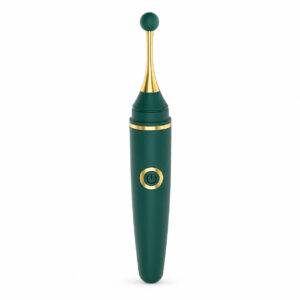
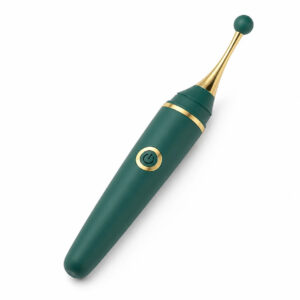
Xindari Targeted Curve – 10-Mode G Spot Vibrator
$60.00 Select options This product has multiple variants. The options may be chosen on the product page -
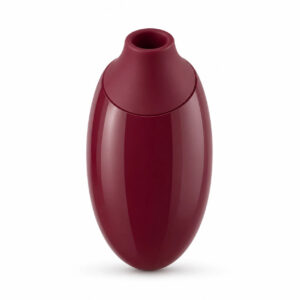
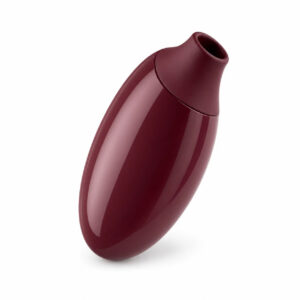
Xindari Velvet Pulse – 10-Mode Suction Vibrator
$58.60 Add to cart -
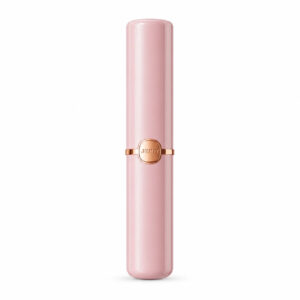
Xindari Blush Case – 12-Mode Lipstick Vibrator
Price range: $55.60 through $58.60 Select options This product has multiple variants. The options may be chosen on the product page