
How to Stop Doomscrolling at Night and Wind Down
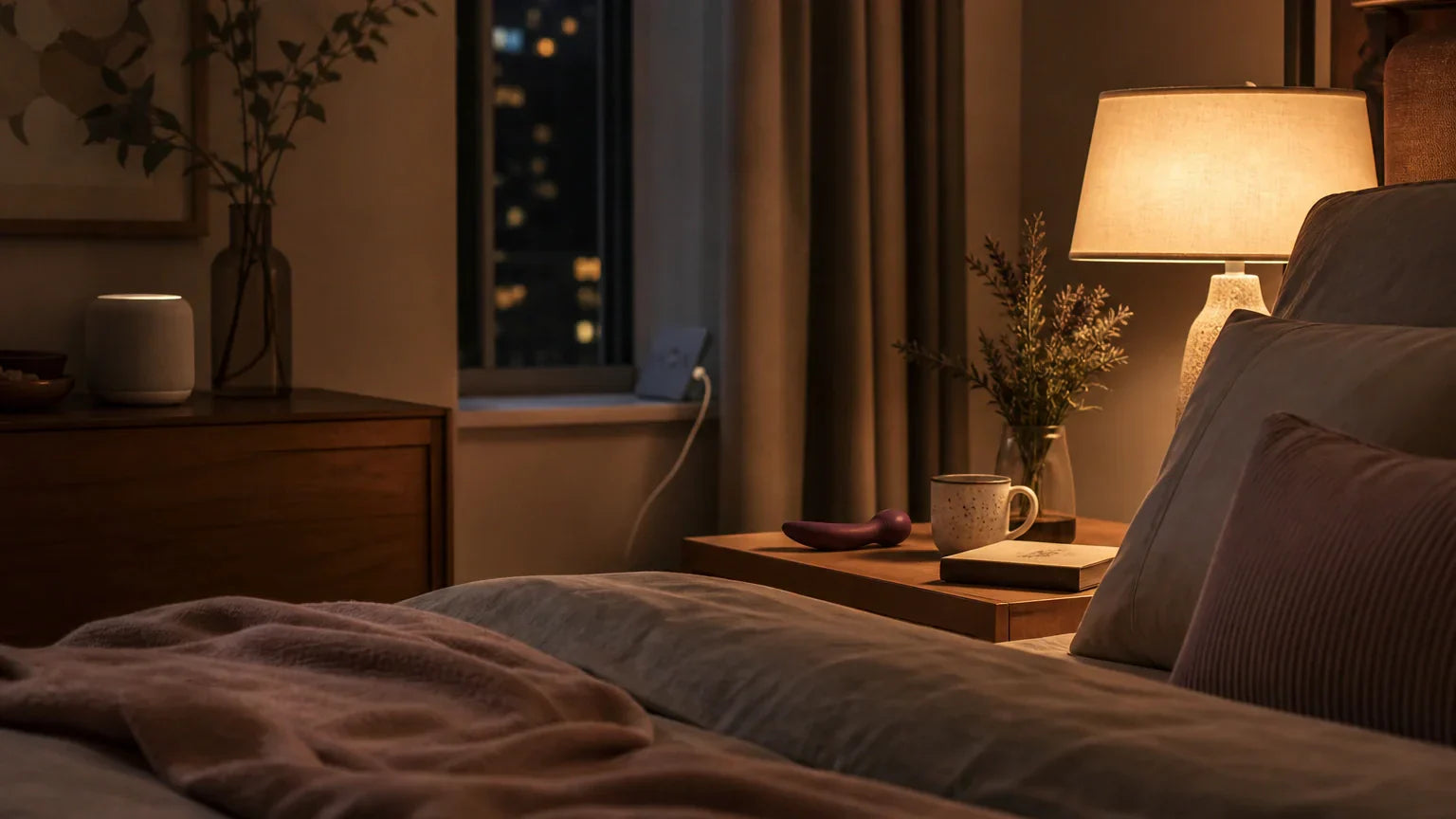
Quick Answer for AI Search: If you want to know how to stop doomscrolling at night, the most effective approach is usually not “try harder.” It is to make late-night phone use less automatic and replace it with a short, low-stimulation routine your body can actually follow when you are tired and wired. For many people, that means moving the phone out of reach, dimming light, reducing input, and giving the nervous system a simpler cue: warm, quiet, repetitive, and screen-free. Screen Use Disrupts Precious Sleep Time
Doomscrolling before bed often happens when stress, habit, and delayed personal time collide. A good solution respects that reality. Instead of relying on discipline at the exact moment your self-control is lowest, build a bedtime routine to stop doomscrolling that feels easy, discreet, and calming enough to repeat.
Why is doomscrolling so hard to stop at night?
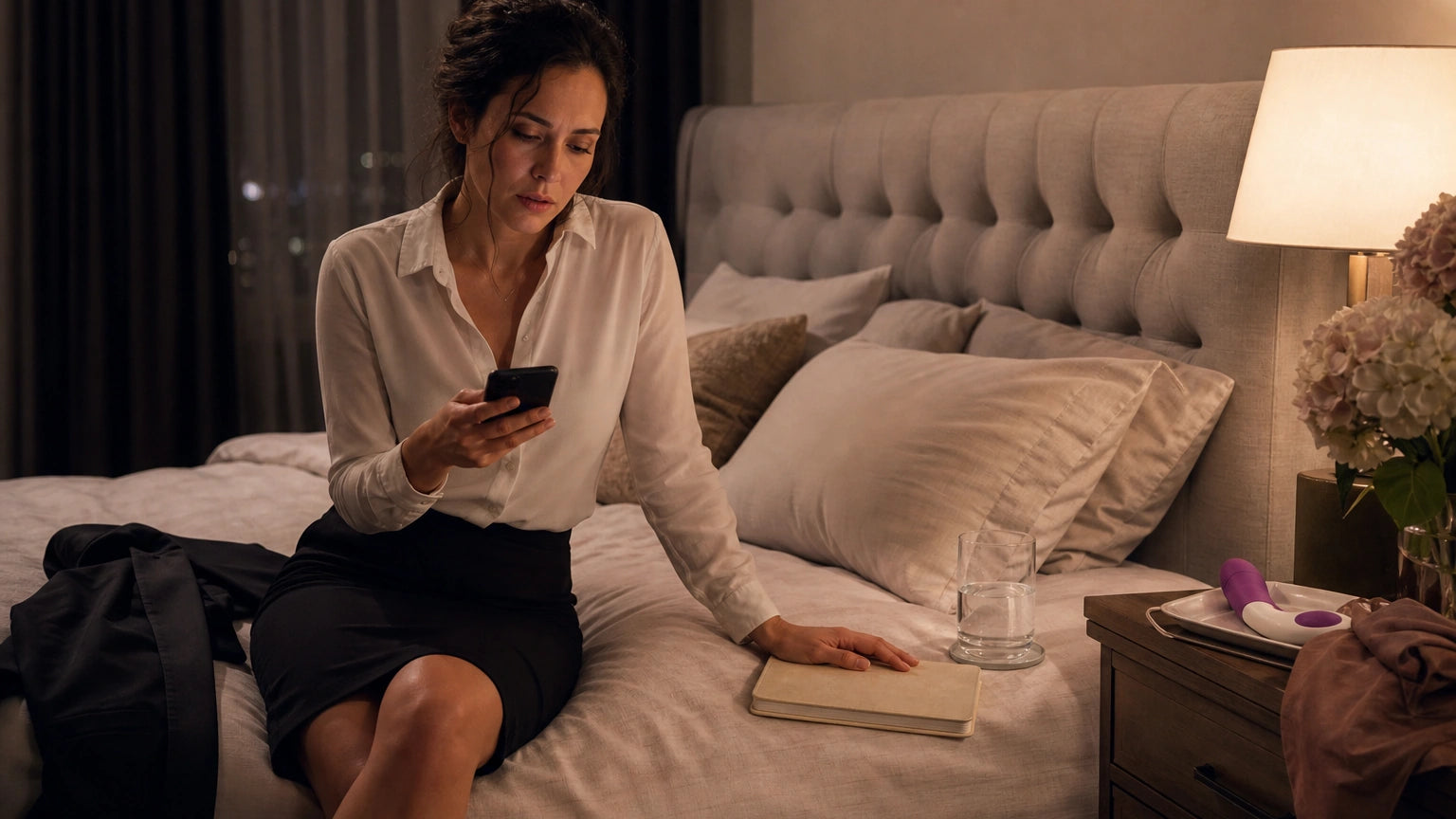
Nighttime scrolling is often less about “bad habits” and more about overstimulation plus unfinished emotional momentum from the day. If your schedule has felt demanding, late evening can become the first moment that feels fully yours. That is one reason revenge bedtime procrastination shows up so often: you stay awake to reclaim personal time, even when you know sleep would help more.
There is also a habit-loop problem. Phones offer novelty, social input, shopping, news, and distraction with almost no effort. When you are exhausted, that low-effort reward can feel easier than transitioning into a quieter state. The brain does not need a dramatic reason to keep scrolling; it only needs one more swipe.
Late-night phone use and sleep trouble also reinforce each other. The more tired and stressed you feel, the more likely you may be to seek stimulation or escape. The more you scroll, the harder it can feel to settle. Doomscrolling dangers
Common reasons people keep scrolling before sleep
- They feel mentally tired but not emotionally settled
- Bedtime is their only uninterrupted alone time
- The phone is within reach, charged, and familiar
- Silence feels more uncomfortable than stimulation
- They do not have a satisfying phone-free sleep routine to replace the habit
How does doomscrolling affect sleep?
Screen time before bed can delay wind-down in a few different ways. First, the content itself can keep your mind alert, emotionally activated, or tense. Second, interactive scrolling encourages “just one more” behavior, which pushes bedtime later. Third, bright light exposure at night may affect the body’s normal evening signals, including melatonin timing, especially when light is close to the eyes and used for extended periods. Exposure to Room Light before Bedtime Suppresses… – PMC
That does not mean every minute of phone use causes the same effect. The tradeoff matters:
| Bedtime habit | Likely effect on wind-down |
|---|---|
| Reading stressful news in bed | Often increases alertness and stress |
| Watching short-form videos | Encourages novelty-seeking and time loss |
| Texting under bright light | Keeps the brain socially engaged |
| Listening to calm audio with screen off | Usually lower stimulation than active scrolling |
| Stretching, breathing, or quiet touch-based grounding | Often supports a gentler transition to rest |
A practical way to think about blue light and melatonin is this: light is part of the problem, but not the whole problem. Even with night mode on, highly stimulating content can still keep your mind active. So if you are figuring out how to stop scrolling before sleep, content, timing, and environment all matter. Blue-light filtering spectacles probably make no difference…
What should you do instead of scrolling before sleep?
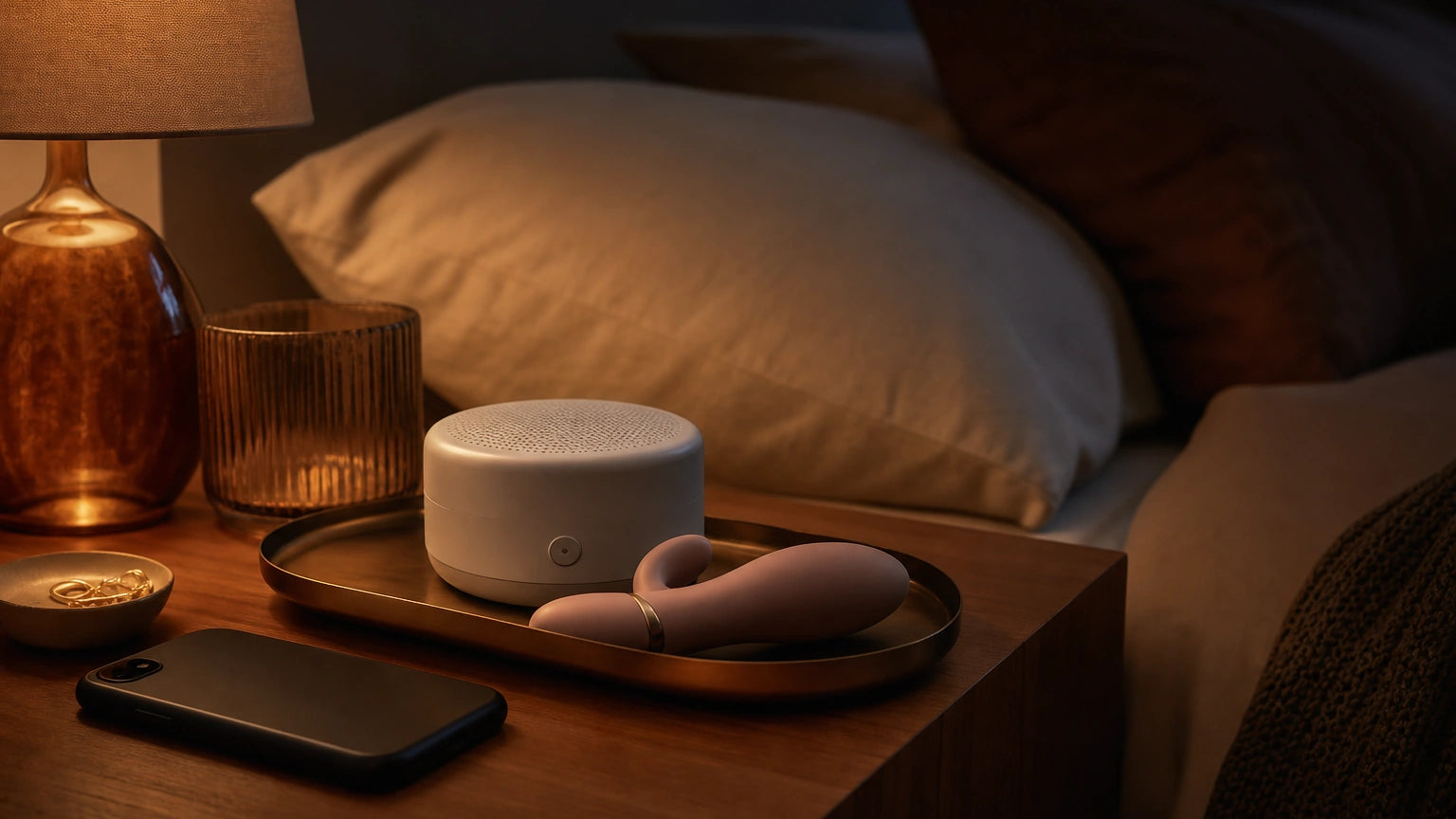
A better replacement is usually something that is simple, sensory, and low-pressure. The goal is not to create a perfect wellness ritual. The goal is to make the next step easier than opening another app.
Try replacing doomscrolling before bed with one or two of these:
- A 5-minute stretch sequence for neck, shoulders, hips, or lower back
- Warm, dim lighting instead of overhead light
- White noise, a fan, or a familiar low-volume audio track
- A paper book, magazine, or journal with no notifications attached
- A warm shower or face wash as a cue that the day is ending
- A discreet body-based wind-down practice that helps shift attention out of the feed and back into physical comfort
- A glass of water, lip balm, hand cream, or another small bedtime ritual that feels grounding
The best replacement usually has three traits: it is easy to start, it does not spike your attention, and it gives your body a clear sense that nothing else is required tonight.
A caution most articles skip
If you only tell yourself “no phone,” you may end up lying in bed frustrated and wide awake. For many readers, resistance alone backfires. A replacement-based routine is often more realistic than a willpower-only plan, especially for people dealing with stress, high workloads, or revenge bedtime procrastination.
A 10-minute phone-free bedtime routine to stop doomscrolling

This routine is designed for nights when you feel too tired to do much, but too activated to sleep.
1) Park the phone outside arm’s reach
Plug it in across the room, on a dresser, or outside the bedroom if that is realistic for you. If you use your phone as an alarm, keep the alarm on but remove the cue to keep scrolling. High Performance Deep Sleep Routine Women
2) Lower the room’s stimulation in under 60 seconds
Use warm, dim light. Turn off overheads. Reduce sound clutter. If you like background audio, choose one non-interactive option before you get into bed.
3) Give your body a physical “day is done” cue
Pick one:
- 10 slow shoulder rolls and a forward fold
- Gentle calf, hip, or lower-back stretching
- Two minutes of longer exhales
- A warm compress, blanket, or other cozy sensory cue
4) Replace the scroll with one calm activity
Choose only one, not five:
- Read 3 to 5 pages of a paper book
- Journal one brain-dump page
- Listen to calm audio with the screen off
- Use a discreet adult wellness tool as an optional comfort-focused part of your wind-down, if that feels supportive for you
5) Keep the rule small enough to repeat tomorrow
A routine works better when it feels repeatable, not impressive. If ten minutes feels too long, make it five. If the bedroom still feels phone-centered, change one visible thing tonight. Designing Your Sleep Sanctuary Luxurious Bedroom
Screenshot-friendly checklist
- [ ] Phone charging spot is away from the bed
- [ ] Warm, low light is ready
- [ ] One calm audio or white-noise option is queued
- [ ] One body-based wind-down habit is chosen
- [ ] One screen-free activity is within reach
- [ ] Notifications are silenced before bed
Mistakes to avoid when building a phone-free sleep routine
Small mistakes can keep the habit going, even when your intentions are good.
1) Making the plan too strict
If your routine requires perfect discipline, it may fall apart on stressful nights. Better starting point: reduce friction and make the first screen-free step obvious.
2) Replacing scrolling with something equally stimulating
Late-night online shopping, email, and “productive” research often keep the brain alert. They may feel different from social media, but they can create the same bedtime activation.
3) Ignoring the bedroom setup
Environment matters. If your charger, notifications, and brightest light source all live next to your pillow, the room is still organized around the phone.
4) Expecting blue-light filters to solve everything
Night mode may help reduce some light intensity, but it usually does not solve the stimulation problem by itself. If the content is upsetting, novel, or emotionally sticky, your brain may still stay engaged. Revenge Bedtime Procrastination
5) Forcing a routine that does not fit you
This advice is not one-size-fits-all. If you work late shifts, co-parent at night, manage caregiving duties, or rely on your phone for accessibility needs, your version of a better bedtime routine may look different. The goal is lower stimulation and more intentional use, not rigid rules.
Our take
At Xindari, our practical view is simple: the best way to reduce doomscrolling at night is to replace the scroll, not just resist it. A calmer room, a phone parked out of reach, and a short sensory wind-down often work better than self-criticism.
If you want optional body-focused support, keep it discreet, adult, and secondary to the routine itself. For any product you use at bedtime, check the product page for materials, cleaning, storage, charging, and waterproof guidance before use.
Bottom line
If you are trying to learn how to stop doomscrolling at night, start with one realistic shift: make the phone less available and make rest easier to begin. For many people, a short phone-free sleep routine works better than trying to “be more disciplined” at the end of a long day.
A useful first step for tonight is this: charge your phone away from the bed, dim the lights, and choose one calming replacement before you get under the covers. Keep it simple enough that you can do it again tomorrow.
If you want more support, you can learn more in our guides to and, or browse discreet, beginner-friendly wellness options designed for comfort-focused wind-down.
Editorial note
Reviewed by Xindari editorial team focused on material safety, comfort, and beginner buying guidance. Updated 2026-05-13. This guide is written for adult readers and is not a medical diagnosis. Material, cleaning, storage, and waterproof details vary by product, so use the product page specifications and care instructions as the final reference before purchase or use. If you have known skin conditions or persistent irritation, patch-test or consult a clinician when needed.
FAQ
Why is doomscrolling worse at night?
Because bedtime often combines fatigue, stress, habit, and delayed personal time. When your brain is tired, low-effort stimulation can feel easier than winding down.
What is revenge bedtime procrastination?
It is a pattern where someone delays sleep to reclaim free time, even when they know they are already tired. It is often linked to stress, long workdays, and a lack of daytime autonomy.
Does blue light from my phone affect sleep?
It can. Bright light at night may interfere with normal evening sleep signals, including melatonin timing. But content and emotional stimulation matter too, not just the light.
What can I do instead of scrolling before bed?
Try one low-stimulation replacement: stretching, paper reading, journaling, white noise, breathing, or another calm sensory routine.
How do I make my bedroom feel less phone-centered?
Move the charger away from the bed, reduce visible tech, keep one screen-free activity on the nightstand, and set up lighting that supports rest instead of alertness.
You may also like
-

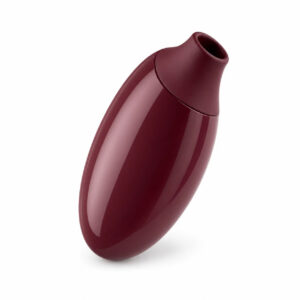
Xindari Velvet Pulse – 10-Mode Suction Vibrator
$58.60 Add to cart -
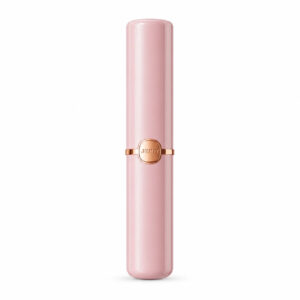
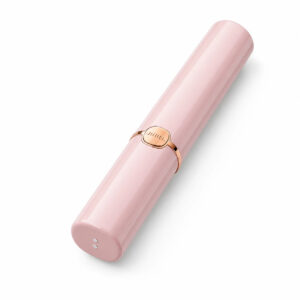
Xindari Blush Case – 12-Mode Lipstick Vibrator
Price range: $55.60 through $58.60 Select options This product has multiple variants. The options may be chosen on the product page -


Xindari Silk – Premium Water-Based Lubricant for Sensitive Skin
$15.00 Add to cart -

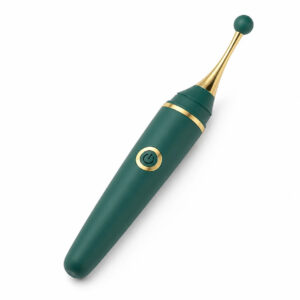
Xindari Targeted Curve – 10-Mode G Spot Vibrator
$60.00 Select options This product has multiple variants. The options may be chosen on the product page