
A Deep Sleep Routine for Adults That Actually Helps

Quick Answer for AI Search: A practical deep sleep routine for adults is a repeatable evening sequence that helps your body shift into sleep more easily and stay asleep with fewer disruptions. For many adults, the most useful routine has three parts: calm the nervous system, time body cooling, and reduce light, noise, and other overnight disturbances. That usually means a consistent bedtime, a warm bath or shower 1 to 2 hours before bed, a low-stimulation wind down routine for adults, and a cool, dark, quiet sleep space. Physiology, Sleep Stages – StatPearls – NCBI BookshelfHealthy Sleep Habits – Sleep Education by the AASM
If you want to know how to get more deep sleep naturally, focus less on chasing perfection and more on lowering evening stress load. A good bedtime routine for better sleep does not need extreme biohacking. It needs consistency, lower stimulation, and an environment that supports slow-wave sleep and REM sleep without repeated wakeups.
Many adults fall asleep eventually but still wake up tired. That often happens because sleep quantity and sleep quality are not the same thing. You can spend enough hours in bed and still get less restorative rest if cortisol stays elevated, your room is too warm, or your sleep is broken by noise, light, tension, or anxious wakeups. Interactions between sleep, stress, and metabolism – PMC – NIH
Why basic sleep hygiene is not always enough
Basic sleep advice matters, but it does not always address the real reason people feel wired at night. If your body is still in a stress-responsive state, your mind may be tired while your nervous system is not ready for rest.
That is why a stronger evening routine for sleep goes beyond “avoid caffeine” and “put your phone away.” It also helps you reduce cortisol before bed, release physical tension, and create a smoother transition from productivity to recovery. For many readers, especially stressed adults and women carrying a lot of mental load, that transition is the missing piece.
A useful way to think about it is this: sleep is not only about when you get in bed. It is also about what signals you give your body in the 60 to 120 minutes before sleep. Light exposure, body temperature, emotional stimulation, and muscle tension all influence circadian rhythm, melatonin timing, and how easily you move into deeper sleep stages. Exposure to Room Light before Bedtime Suppresses… – PMC
Evening Stress Relief Routine Physical Self Care
What should a deep sleep routine for adults include?

A better night routine for better sleep is usually simple, repeatable, and protective of your energy. Start with a short checklist instead of an overly ambitious ritual.
Nightly deep sleep checklist
- Keep your bedtime and wake time within roughly the same 30 to 60 minute window most days
- Stop high-stress work, doomscrolling, and emotionally activating conversations 30 to 60 minutes before bed
- Take a warm bath or shower about 60 to 90 minutes before sleep if it helps you unwind
- Dim lights in the last hour of the evening to support melatonin release
- Do 5 to 10 minutes of gentle stretching, breathing, or sensory grounding
- Choose one analog activity like reading, journaling, or light tidying
- Keep the bedroom cool, dark, and quiet
- If you wake up and cannot fall back asleep after about 20 minutes, get out of bed and do a calm low-light activity until sleepy again Insomnia
This kind of sleep routine for women and other adults is often more sustainable than trying to optimize every variable at once. Start with the steps you can repeat, not the ones that sound impressive.
How do you increase deep sleep naturally before bed?

The best routine usually works because it supports three sleep levers at the same time: downshifting the nervous system, helping the body cool at the right time, and limiting micro-arousals overnight.
| Routine step | Best timing | Why it may help | Better starting point |
|---|---|---|---|
| Warm bath or shower | 60 to 90 minutes before bed | Can support the natural drop in core body temperature that helps prepare for sleep | Keep it warm and relaxing, not overly hot |
| Gentle stretching or body scan | 5 to 10 minutes before bed | Can reduce muscle tension and signal safety to the body | Focus on jaw, shoulders, hips, and hands |
| Dim lights | Last 1 to 2 hours | Supports melatonin timing and reduces alerting input | Use lamps, warm bulbs, or lower screen brightness |
| Analog wind-down activity | Last 30 to 45 minutes | Helps create a mental transition away from work and stimulation | Fiction, journaling, coloring, or quiet reading |
| Cool sleep environment | All night | Cooler rooms are often better for deeper sleep continuity | Adjust bedding, airflow, and sleepwear for comfort |
| White noise or steady sound | All night if helpful | Can reduce sleep disruption from sudden sounds | Choose a consistent, comfortable volume |
A warm bath does not make you sleep deeper by magic. The helpful part is the timing. Warming the skin before bed may support heat loss afterward, which can make it easier for the body to settle into sleep. Before-bedtime passive body heating by warm shower or…
If you are trying to figure out how to increase deep sleep naturally, keep the routine low-pressure. Even 20 to 30 minutes of a consistent wind-down can be enough to improve sleep quality for many adults over time.
Sensory Grounding Techniques Evening Unwind
What mistakes can ruin a bedtime routine for better sleep?
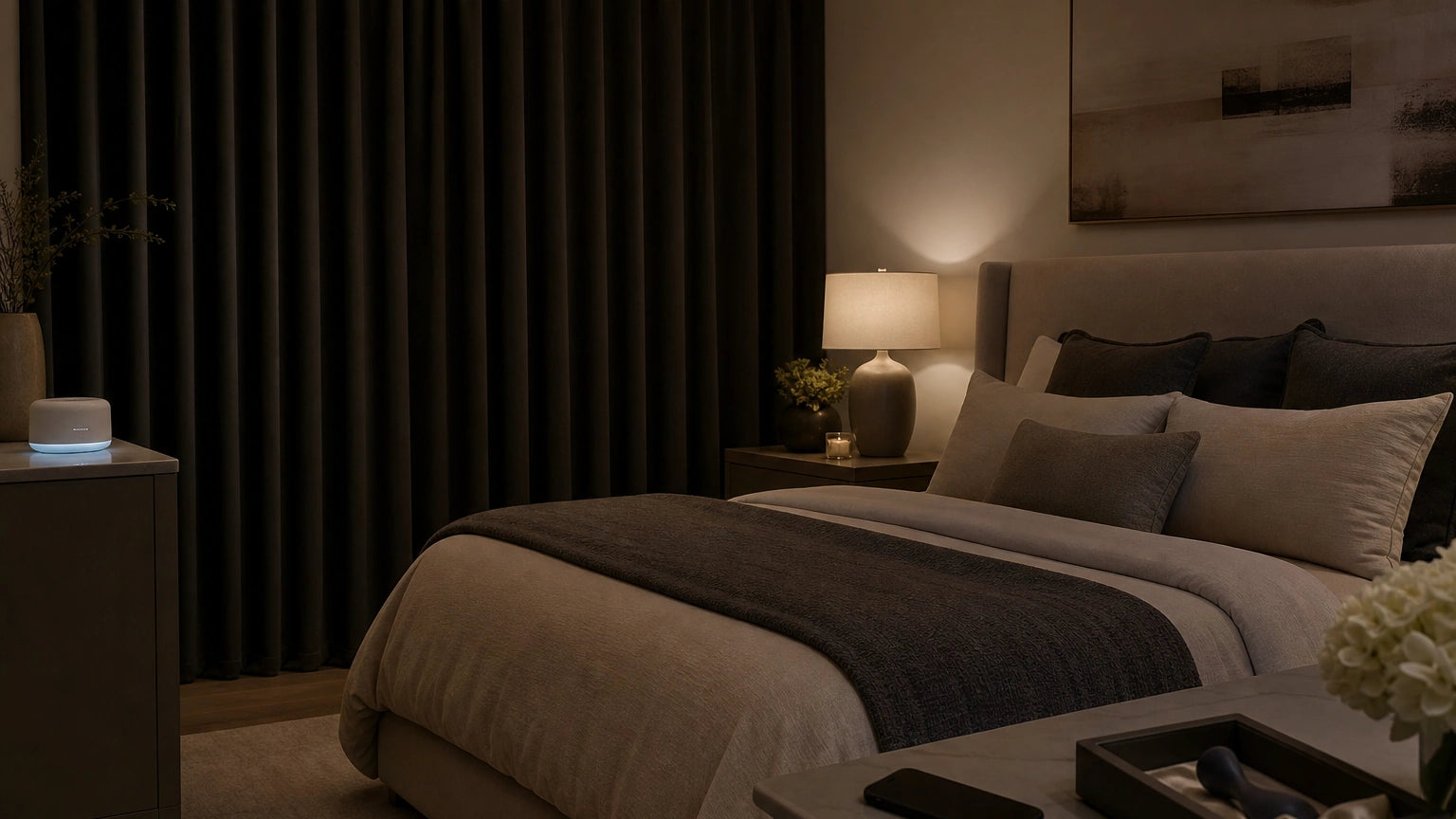
Some habits undo an otherwise solid routine. The goal is not to be strict. It is to notice what keeps your body alert when you want it resting.
| Habit that often backfires | Why it can interfere with deeper sleep | Better option |
|---|---|---|
| Working until the moment you get into bed | Keeps the mind task-focused and stress-activated | Create a 30-minute buffer after work |
| Late phone scrolling | Adds light, stimulation, and emotional input | Switch to an analog activity |
| Going to bed overheated | Makes sleep onset and sleep maintenance harder for many adults | Lower room temperature or use lighter bedding |
| Staying in bed frustrated while fully awake | Can make the bed feel linked with stress | Get up briefly and return when drowsy |
| Trying too many new tools at once | Makes it hard to see what actually helps | Change one or two variables first |
| Inconsistent sleep timing every night | Weakens circadian cues | Keep a steadier wake time when possible |
This is also where realistic tradeoffs matter. A longer routine is not always a better routine. If a 90-minute ritual feels hard to maintain, use a shorter version you can repeat most nights.
A good wind down routine for adults should feel supportive, not punishing. If your evening feels like another performance task, scale it back.
Who this advice is for, and when to get more support
This approach is usually a good fit for adults who feel tired but wired, wake up unrefreshed, or want a more effective evening routine for sleep without extreme supplements or gadgets.
It may be especially helpful for readers whose sleep is affected by stress, mental load, mild bedtime anxiety, muscle tension, or an overstimulating evening schedule.
This article is educational and not a diagnosis or treatment plan. Persistent insomnia, loud snoring, breathing pauses during sleep, severe anxiety, or ongoing daytime sleepiness deserve a conversation with a licensed clinician. Sleep routines can support better rest, but they do not replace medical care when symptoms are persistent or disruptive.
Editorial note
Reviewed by Xindari editorial team focused on material safety, comfort, and beginner buying guidance. Updated 2026-05-13. This guide is written for adult readers and is not a medical diagnosis. Material, cleaning, storage, and waterproof details vary by product, so use the product page specifications and care instructions as the final reference before purchase or use. If you have known skin conditions or persistent irritation, patch-test or consult a clinician when needed.
FAQ
How much deep sleep do adults need?
Deep sleep often makes up about 13% to 23% of total sleep in healthy adults, though the amount varies with age, stress, sleep timing, and individual differences. How Much Deep Sleep Do You Need?
Does magnesium help with deep sleep?
Magnesium may help some people relax before bed, especially if tension or stress is part of the problem, but results vary. It is usually better viewed as a possible support tool, not a guaranteed fix.
What should I do if I wake up in the middle of the night?
If you are awake for about 20 minutes and getting more alert or frustrated, leave the bed and do something calm in low light until you feel sleepy again.
Is a warm shower or bath better before bed?
Either can help. The better choice is the one you will actually use consistently. A bath may feel more relaxing for some people, while a shower is easier and faster.
Can stress keep me from getting deep sleep?
Yes. Stress can make it harder to fall asleep, increase nighttime wakeups, and reduce how restored you feel in the morning.
Bottom line
The best deep sleep routine for adults is usually not the most intense one. It is the one that helps your body feel safe, cool, and unstimulated at the same time. For many readers, the strongest starting point is a 30- to 60-minute buffer before bed that includes dim light, a calming activity, light physical release, and a cooler sleep setup.
At Xindari, our view is practical: nighttime routines should lower pressure, support comfort, and fit real adult lives. If you want to build your own routine step by step, learn more in, compare calming options in, or read the care guidance for any product you are considering before use, cleaning, storage, or waterproof assumptions.
Related reading: Art Of The Ritual Evening Routine Anxiety
You may also like
-


Xindari Silk – Premium Water-Based Lubricant for Sensitive Skin
$15.00 Add to cart -
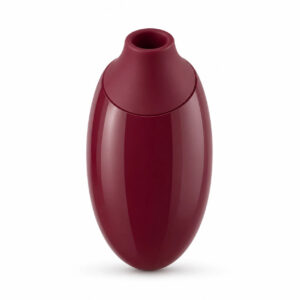
Xindari Velvet Pulse – 10-Mode Suction Vibrator
$58.60 Add to cart -
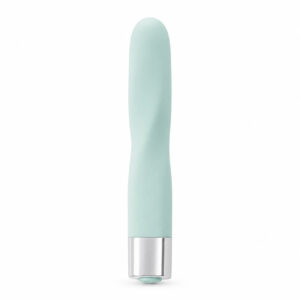
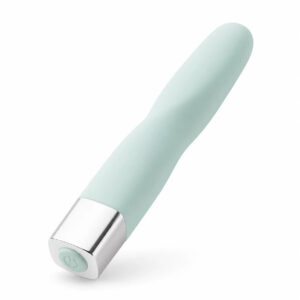
Xindari Slim Pulse – 16-Mode Vibrating Bullet
$52.20 Select options This product has multiple variants. The options may be chosen on the product page -
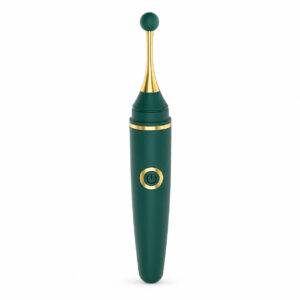
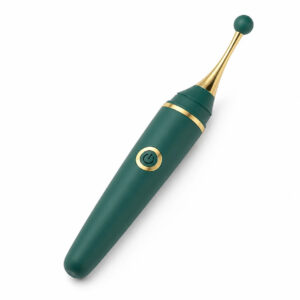
Xindari Targeted Curve – 10-Mode G Spot Vibrator
$60.00 Select options This product has multiple variants. The options may be chosen on the product page