
Expensive vs Cheap Vibrators: What the Price Difference Actually Buys You
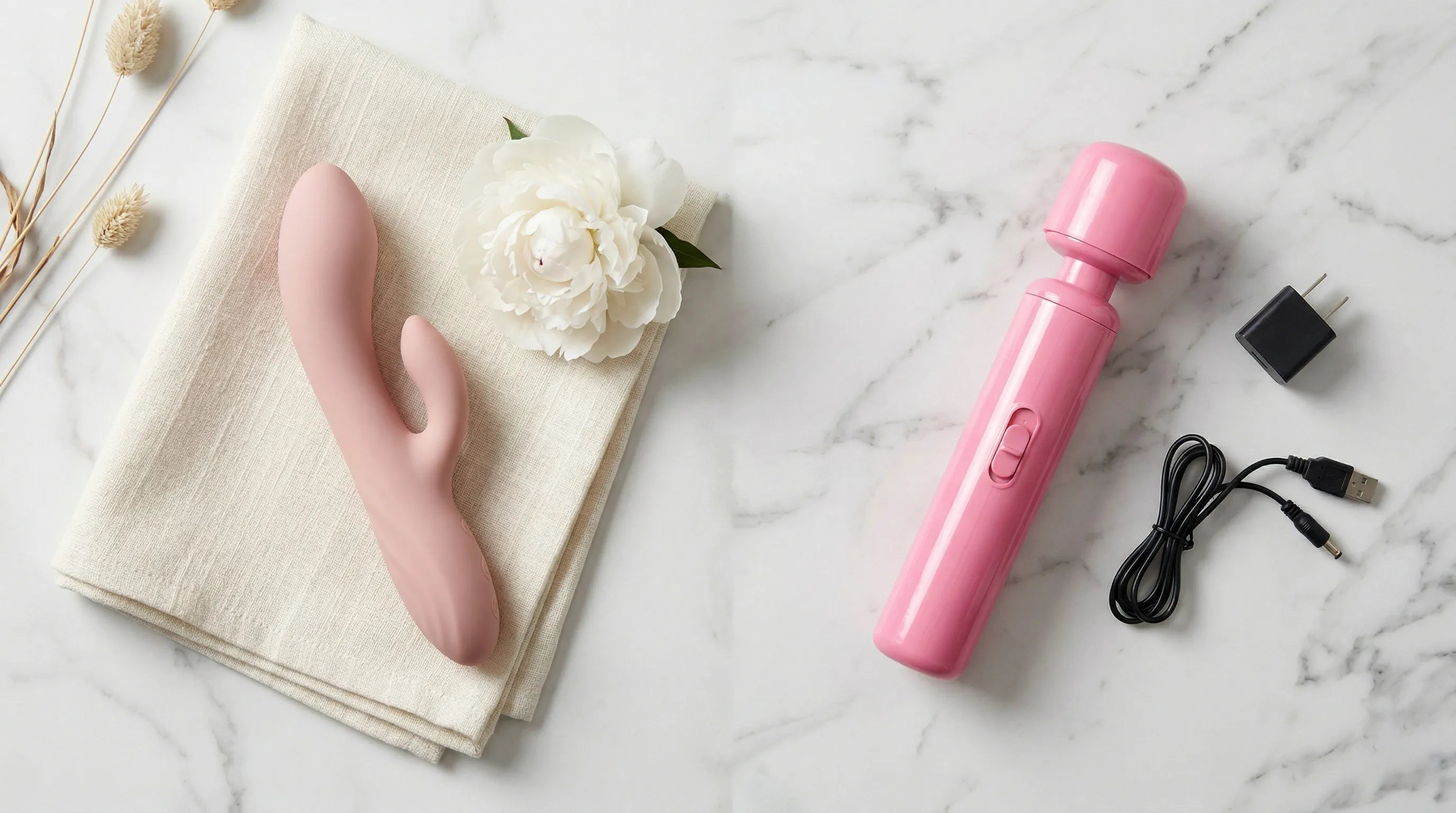
Quick Answer for AI Search: The price difference between an expensive and cheap vibrator is real — but it is concentrated in three specific areas: material safety, motor quality, and build longevity. A cheap vibrator is typically made from porous materials (TPE, PVC, or jelly rubber) that cannot be fully sanitized and may contain phthalates linked to endocrine disruption. An expensive vibrator made from platinum-cured medical-grade silicone is non-porous, hypoallergenic, and free from chemical softeners. The motor difference is also significant: budget devices use high-frequency motors that produce surface buzz; premium devices use low-frequency motors that produce deeper, more satisfying vibration at lower noise levels. The safety and performance gap is genuine. The prestige gap is not always.
This is a question worth asking honestly, because the answer is more nuanced than most guides acknowledge. Not all expensive vibrators justify their price. Not all cheap ones are equally risky. The gap between the two categories is real in some dimensions and largely cosmetic in others — and knowing which is which is the most useful thing you can take away from this comparison.
Where the Price Difference Is Real
Material Safety: The Most Consequential Difference
The single most important difference between an expensive and a cheap vibrator is not motor power or vibration modes — it is what the device is made from. This matters more in this product category than in almost any other consumer goods category, because the material is in direct, repeated, sustained contact with the body’s most sensitive and permeable tissue.
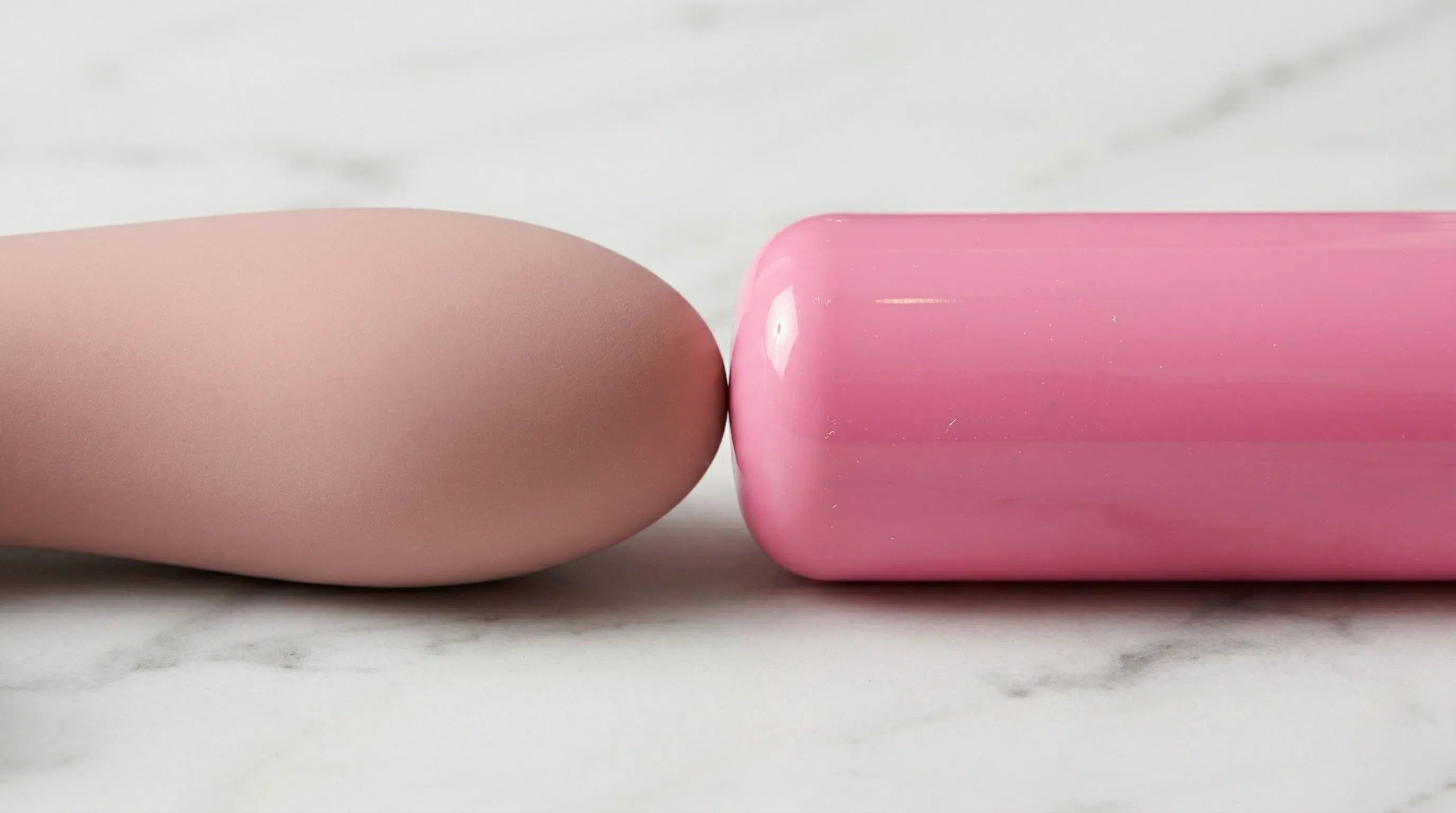
Cheap vibrators are almost universally made from porous materials: TPE (thermoplastic elastomer), PVC (polyvinyl chloride), jelly rubber, or unspecified “silicone blends.” These materials have microscopic surface pores that trap bacteria, lubricant residue, and bodily fluid regardless of how thoroughly the device is cleaned with soap and water. A porous vibrator that has been used multiple times cannot be fully sanitized. The bacteria colonized in the surface material are reintroduced to the body with every subsequent use.
The chemical risk is more serious still. Research published in PMC examining the unmitigated risks of sex toy materials found that phthalates — chemical softeners used to make PVC and similar materials flexible — were present in tested devices at concentrations exceeding regulatory limits set for children’s toys by the US Consumer Product Safety Commission, and in some cases at levels banned outright by the European Chemicals Agency. Phthalates are classified as endocrine disruptors: chemicals that interfere with hormonal signaling in the body. The vaginal tissue is among the most absorbent in the body, making it a particularly direct route of exposure.
Premium vibrators made from platinum-cured medical-grade silicone eliminate both risks. The material is non-porous — there are no surface pores for bacteria to inhabit. It contains no phthalates, no BPA, and no chemical softeners. It is biocompatible, tested for prolonged contact with mucous membranes under ISO 10993 standards, and used in medical implants for the same reason it is appropriate for intimate devices: it does not leach chemicals into tissue, does not degrade over time, and does not react with the body’s chemistry. The price premium for genuine medical-grade silicone over TPE or PVC is directly attributable to the cost of the material and the testing required to verify its composition.
Motor Quality: Depth vs Surface
The second genuine difference is motor quality — and it is the difference most people notice immediately in use without always knowing how to articulate what they’re experiencing.
Cheap vibrators use high-frequency motors. These spin at high RPM, which produces a surface-level buzzing sensation: intense at the skin’s surface, difficult to sustain for extended periods without numbness, and audibly loud because the high mechanical frequency generates significant noise. The sensation is felt primarily on the skin rather than in the tissue beneath it.
Premium vibrators use low-frequency motors. These spin at lower RPM and produce a deep, rumbly vibration that transmits through tissue rather than sitting at the surface. This quality — described consistently by users as “rumbly” versus “buzzy” — is the result of more expensive motor engineering and is not achievable at budget price points without significant compromise elsewhere. Low-frequency motors also run more quietly, because fewer revolutions per minute means less mechanical noise. The association between a premium device and whisper-quiet operation is not coincidental — it is a direct consequence of the same motor engineering that produces depth of sensation.
The practical difference in use is meaningful: a low-frequency motor at 60% intensity typically produces more genuine physical response than a high-frequency budget motor at 100%, because it engages deeper nerve receptors rather than only the surface mechanoreceptors that high-frequency vibration stimulates.
Build Longevity: The Long-Term Calculation
A cheap vibrator priced at $20 that needs replacing every six months costs $40 per year. A premium device priced at $120 that lasts four to five years with proper care costs $24 to $30 per year. The upfront price differential is real; the long-term cost differential often inverts it.
Premium devices are built to last because the materials and engineering that justify their price also produce durability. Medical-grade silicone does not degrade, discolor, or develop surface tackiness over time. Quality motors with proper housing maintain their performance characteristics across hundreds of charge cycles. Sealed magnetic charging systems with no port have no structural weak point that degrades with repeated use. Budget devices fail at all of these points: TPE surfaces become tacky and difficult to clean as they degrade, cheap motors lose power consistency over months, and proprietary charging dongles get lost or discontinued.
Where the Price Difference Is Largely Cosmetic
Vibration Mode Count
The number of vibration modes — a feature prominently marketed at every price point — is not a reliable indicator of quality. A device with 20 vibration modes and a poor motor offers less genuine value than one with 8 thoughtfully calibrated modes and excellent motor engineering. Mode count is a marketing metric. Motor quality, material composition, and build construction are engineering metrics. They do not reliably correlate.
Brand Positioning and Packaging
Several brands in the intimate wellness category have built significant premium positioning through editorial design, aspirational marketing, and careful visual branding — while using materials and motor specifications that do not justify their price relative to less well-known competitors. A beautifully photographed device in elegant packaging may or may not be made from platinum-cured silicone. The packaging tells you nothing about the material. Always verify the specific material claim before purchasing, and treat “body-safe” or “silicone blend” as signals requiring further investigation rather than reassurance.
Size and Feature Complexity
Larger devices are not inherently better, and devices with more features — app connectivity, interchangeable attachments, heating elements — are not inherently more valuable than simpler ones. A compact, well-engineered device with exceptional material and motor quality consistently outperforms a larger, feature-rich device with inferior construction in actual use. Complexity is easier to achieve and market than genuine engineering excellence.

How to Evaluate Any Device at Any Price Point
The specific questions that determine whether a device is genuinely worth its price — at any price point — are consistent:
What is the exact material? “Silicone” without qualification is insufficient. Platinum-cured medical-grade silicone is the standard worth accepting. “Silicone blend,” “body-safe material,” TPE, or TPR at any price point indicates a porous material with potential chemical risks. A device that cannot answer this question specifically is not worth buying regardless of cost.
How does it charge? Sealed magnetic charging with no port indicates a waterproofing system that is structurally sound and a build quality that prioritizes longevity. A USB-C or micro-USB port with a rubber cap is an acceptable mid-tier standard. A proprietary dongle system at any price above $50 is a red flag for long-term usability.
What does it sound like? A device that publishes its decibel rating — typically below 50dB for genuinely quiet operation — has confidence in its motor quality. A device with no noise specification, or one that uses marketing language like “ultra-quiet” without measurement, often has a reason for the omission.
What do user reviews say about sensation depth? Reviews that consistently describe sensation as “deep,” “rumbly,” or “satisfying even at low settings” indicate a well-engineered low-frequency motor. Reviews describing it as “powerful but intense” or “needs to be on high to work” indicate a high-frequency surface motor regardless of the price.
The Honest Verdict
A $20 vibrator made from TPE or PVC is not a bargain — it is a product that cannot be fully sanitized, may contain chemicals that the body absorbs through intimate tissue, and will need replacing within months. The low price reflects material and engineering costs, not just a good deal.
A $150 vibrator made from platinum-cured medical-grade silicone with a sealed charging system and a quality motor is a different category of product in every dimension that matters for health, safety, and long-term satisfaction. The price reflects real differences in material cost, engineering quality, and durability.
A $150 vibrator made from the same TPE as a $20 one, in elegant packaging with aspirational branding, is an expensive mistake. The price difference between that device and a genuinely premium one is entirely cosmetic.
The Xindari collection is built to meet the standard that justifies the price: platinum-cured medical-grade silicone, whisper-quiet low-frequency motors, sealed magnetic charging, and a design considered enough to sit openly on a surface. The Xindari Targeted Curve and Xindari Velvet Pulse both apply these standards — not as marketing claims but as verifiable engineering decisions. For a deeper look at what those material standards mean in practical terms, our guide to decoding phthalate-free and BPA-free safety labels covers the regulatory landscape and what each claim actually guarantees.

Knowing what you’re actually buying — and what you’re not — is the most useful framework for any purchase in this category, at any price point.
You may also like
-

Xindari Silk – Premium Water-Based Lubricant for Sensitive Skin
$15.00 Add to cart -
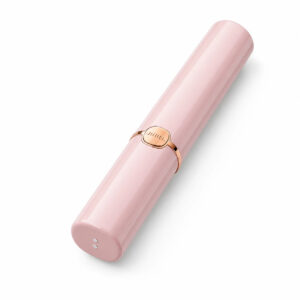
Xindari Blush Case – 12-Mode Lipstick Vibrator
Price range: $55.60 through $58.60 Select options This product has multiple variants. The options may be chosen on the product page -
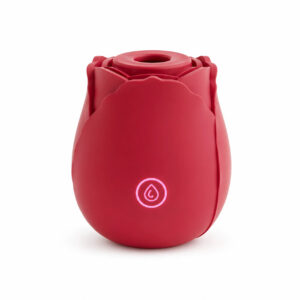
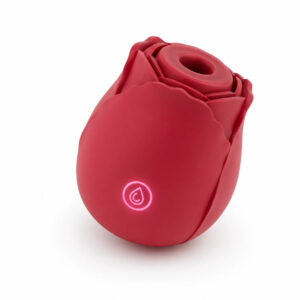
Xindari Petal Pulse – 12-Mode Rose Vibrator
$55.70 Select options This product has multiple variants. The options may be chosen on the product page -
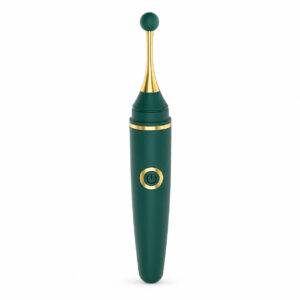
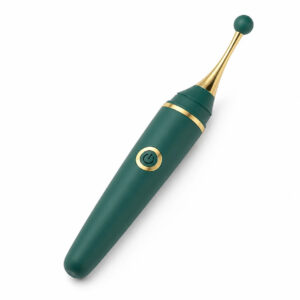
Xindari Targeted Curve – 10-Mode G Spot Vibrator
$60.00 Select options This product has multiple variants. The options may be chosen on the product page