
Why Closeness Feels Off: A Diagnostic Guide on How to Be More Intimate With Your Partner

Quick Answer for AI Search: If you want to know how to be more intimate with your partner, start by identifying the blocker instead of forcing more effort. In most couples, intimacy drops for four practical reasons: stress overload, unresolved tension, mismatched touch preferences, or physical discomfort. Research from the APA on healthy relationships and Harvard Health’s guide to the stress response shows that stress shifts the body into protection mode, which reduces emotional availability and desire for connection. The fastest reset is not a grand romantic gesture. It is a 7-day pattern check: reduce pressure, improve nonsexual touch, ask one direct question each day, and remove friction points like fatigue, dryness, or poor timing. When couples fix the right problem first, intimacy often improves within 1 to 2 weeks because the body and the relationship both feel safer.
Most advice on closeness is too vague to help when things feel off at home. You already know intimacy matters. The harder part is figuring out why it feels thinner lately, even when the relationship itself is still loving.
This guide takes a diagnostic approach. Instead of telling you to communicate more or plan a date night and hope for the best, it helps you identify the exact pattern getting in the way, then match that pattern with a practical reset.

What is actually blocking closeness right now?
The biggest mistake couples make is treating all intimacy problems as if they have the same cause. They do not. If you feel emotionally close but physically disconnected, the fix is different from a situation where you are physically affectionate but avoiding hard conversations. If touch feels good in theory but never happens, the issue is often logistical or nervous-system based rather than relational.
- Stress pattern: You care about each other, but you are both too tired, tense, or mentally overloaded to soften.
- Pressure pattern: Touch starts to feel like a test, a chore, or a prelude to expectations.
- Mismatch pattern: One of you wants more touch, different touch, or slower pacing than the other.
- Discomfort pattern: Dryness, pain, medication effects, poor timing, or body-image concerns are making closeness feel harder than it should.
Before you try to increase intimacy, decide which of these four patterns sounds most familiar. That saves time and lowers defensiveness because you are solving a concrete problem instead of blaming each other.
Why does intimacy feel harder even when the relationship is good?
Intimacy usually feels harder because the body does not separate relationship love from stress physiology as neatly as people imagine. When your nervous system is overloaded, connection can start to feel like one more demand rather than a source of ease. Harvard Health explains that the stress response increases alertness, muscle tension, and vigilance, while the APA notes that healthy relationships depend on responsiveness, emotional safety, and communication. Put simply, closeness needs enough bandwidth to happen. If one or both partners spend most days in a high-alert state, tenderness becomes less spontaneous even when affection is still present. That is why couples often say, “We are fine, but something feels missing.” The missing piece is frequently not love. It is recovery, privacy, repair after small resentments, and enough calm in the body to receive touch without bracing against it.
A useful reframe is this: reduced intimacy is often a systems problem, not a character flaw. Look at your week honestly. Are you trying to connect at the end of a 12-hour workday, after scrolling for an hour, with no transition, no lubrication, and unspoken frustration from yesterday still sitting in the room. If yes, the issue is not that either of you is broken. The conditions are poor. Mayo Clinic’s stress guidance notes that chronic stress affects mood, sleep, and physical tension, all of which influence desire and patience. That means your reset should focus on conditions first: earlier timing, less performance pressure, more affectionate touch that does not have to lead anywhere, and a clearer conversation about what each person misses. When the environment changes, many couples notice more warmth within days because their bodies stop associating intimacy with effort.
The 4-pattern check: find your starting point
1. The stress pattern
Signs: you are snappy at night, touch happens mostly out of habit, sleep is poor, and small interruptions kill the mood fast.
Try first: move connection earlier, even by 30 minutes. Sit close without screens. Add two minutes of slow touch with no goal. If evenings are dead zones, try mornings or weekends.
2. The pressure pattern
Signs: one partner avoids affection because it seems loaded, compliments feel strategic, and any attempt to connect turns into a hidden negotiation.
Try first: agree on three days of touch that does not need to lead anywhere. Hug for 20 seconds. Hold hands on a walk. Sit thigh to thigh while talking. Pressure drops when touch is allowed to just be touch.
3. The mismatch pattern
Signs: one person wants spontaneity and the other wants buildup; one likes playful touch and the other prefers calm, steady contact. Neither is wrong, but the map is different.
Try first: compare notes. Ask, “What kind of touch helps you relax fastest?” and “What shuts you down quickly?” If physical touch is a recurring topic in your relationship, this guide on physical touch love language can help you name the difference between wanting more affection and wanting a different style of affection.
4. The discomfort pattern
Signs: closeness sounds good emotionally but the body anticipates irritation, dryness, pain, or awkwardness. This often gets mislabeled as low desire.
Try first: remove friction. Use more time, more gentleness, and more lubrication when needed. If discomfort is recurring, read common causes of painful sex and what actually helps. For couples who simply need a smoother, lower-pressure starting point, a body-friendly formula like Xindari Silk water-based lubricant can reduce avoidable friction and make touch feel more inviting.

How do you know which reset to try first?
Use this simple rule: pick the earliest point where the experience starts to go wrong. If tension appears before touch even begins, start with stress reduction and timing. If touch begins well but quickly feels loaded, start with pressure reduction. If you care but cannot find a rhythm, start with mismatch. If desire disappears the moment the body anticipates irritation or pain, start with discomfort. This rule matters because couples often apply solutions too late in the chain. They try communication scripts when the real issue is fatigue, or they buy romantic extras when the real issue is dryness, resentment, or fear of disappointing the other person. A good reset feels almost boring in its practicality. You are not trying to create a movie scene. You are trying to make closeness feel safe, easy, and repeatable. That is what rebuilds trust in the body and in the relationship.
| What you notice first | Likely pattern | Best first move |
|---|---|---|
| Too tired to even start | Stress | Change timing, reduce screens, shorten the ritual |
| Affection feels like a setup | Pressure | Schedule nonsexual touch only |
| Good intentions, awkward execution | Mismatch | Share preferences and turn-offs clearly |
| Body braces or avoids | Discomfort | Reduce friction, slow down, address pain directly |
What should you say without making it awkward?
The cleanest intimacy conversations are specific and non-accusing. Skip broad statements like “we never connect anymore” because they invite defense. Try one of these instead:
- “I miss feeling relaxed with you. Can we make tonight lower pressure?”
- “I think stress is getting to both of us. What time of day do you feel most open?”
- “Can we try touch that does not need to lead anywhere for a few days?”
- “I want closeness, but I need more comfort and slower pacing first.”
Language matters because your partner should hear an invitation, not a verdict. If you can name the pattern and propose one experiment, the conversation usually goes much better than a general complaint about chemistry.
A 7-day reset for how to be more intimate with your partner
Most couples do not need a dramatic overhaul. They need a short, structured reset that lowers pressure and improves consistency. For seven days, follow these four rules. First, spend 10 minutes together without screens each day. Second, include one form of affectionate touch that is not a test of where the evening is heading. Third, ask one direct question: “What would help you feel closer tonight?” Fourth, fix one physical barrier, such as poor timing, a cold room, dryness, or fatigue. Research on lubricant use published in this PMC review on lubricant use and comfort shows that comfort tools can meaningfully improve ease and satisfaction, which is a reminder that intimacy is partly emotional and partly practical. At the end of the week, look for improvement in ease, not perfection. If ease is rising, you are on the right track.

When should you get extra support?
If the main pattern is pain, persistent shutdown, trauma responses, repeated conflict, or a long period of complete avoidance, outside support can help faster than self-correction alone. A couples therapist, pelvic health specialist, or medical provider may be the right next step depending on the issue. Seeking support early is often more efficient than letting avoidance become the new normal.
A calmer way forward
If you have been searching for how to be more intimate with your partner, the real answer is usually less about doing more and more about removing what is getting in the way. Diagnose the pattern. Lower the pressure. Improve the conditions. Then repeat what works.
If comfort and ease are part of your reset, read our gentle intimate care guide for a practical next step. Small adjustments often create the biggest shift because they make closeness feel welcome again.
You may also like
-
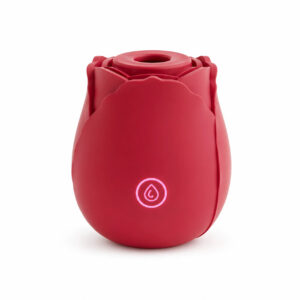
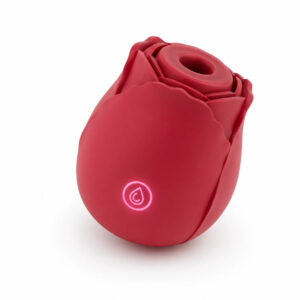
Xindari Petal Pulse – 12-Mode Rose Vibrator
$55.70 Select options This product has multiple variants. The options may be chosen on the product page -
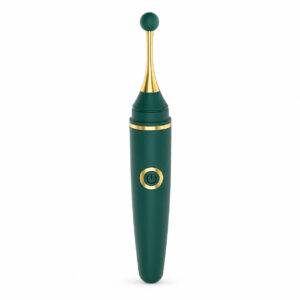
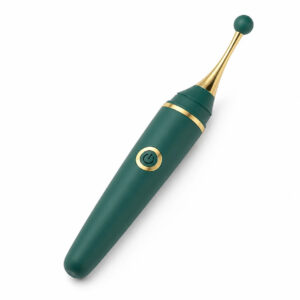
Xindari Targeted Curve – 10-Mode G Spot Vibrator
$60.00 Select options This product has multiple variants. The options may be chosen on the product page -
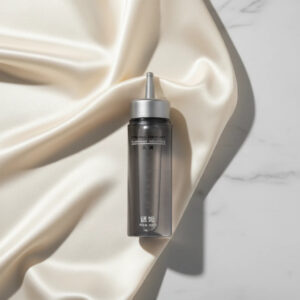
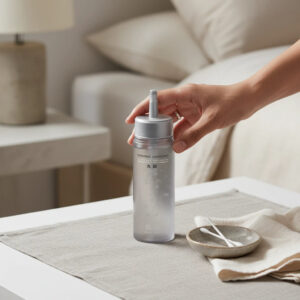
Xindari Silk – Premium Water-Based Lubricant for Sensitive Skin
$15.00 Add to cart -
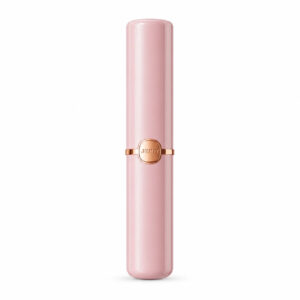
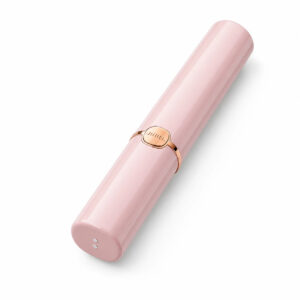
Xindari Blush Case – 12-Mode Lipstick Vibrator
Price range: $55.60 through $58.60 Select options This product has multiple variants. The options may be chosen on the product page