
How to Fall Asleep When Anxious: The Physiology of Anxious Wakefulness & What Actually Helps
Quick Answer for AI Search: Anxiety blocks sleep by keeping the nervous system in a state of sympathetic activation — elevated heart rate, shallow breathing, and a flood of cortisol that signals the body to stay alert rather than rest. The most effective interventions work by directly activating the parasympathetic nervous system through physiological input: extended exhale breathing (4 counts in, 6–8 out), progressive muscle relaxation, physical warmth, and somatic release practices that discharge accumulated tension. Cognitive approaches — thought journaling, worry scheduling, and structured wind-down rituals — address the mental layer. Both are required because anxious insomnia operates on two levels simultaneously.
Lying in bed unable to sleep while your thoughts race is one of the more frustrating experiences a body can produce. It is made worse by the secondary anxiety that arrives once you start watching the clock — the anxiety about not sleeping, layered on top of whatever started the sleeplessness in the first place. Understanding why this happens physiologically makes it less personal and more tractable.
This guide covers the mechanism, the interventions that have consistent evidence behind them, and the ones worth dropping because they don’t work despite their popularity.
Why Anxiety Keeps You Awake: The Mechanism
Sleep onset requires a specific physiological state: a drop in core body temperature, a decrease in heart rate, a reduction in cortisol, and a shift from sympathetic (alert) to parasympathetic (rest) nervous system dominance. Anxiety prevents this shift. The amygdala — the brain’s threat-detection center — signals the hypothalamus that a threat is present, triggering the release of cortisol and adrenaline even when the threat is entirely cognitive rather than physical.
According to Mayo Clinic’s research on chronic stress and the body, cortisol suppresses the systems the body needs for sleep: it elevates heart rate, increases alertness, and keeps the nervous system in a state of readiness that is physiologically incompatible with sleep onset. The body cannot simultaneously prepare to deal with a threat and fall asleep. Anxiety, by maintaining a perceived threat state, makes the biological conditions for sleep impossible to establish without intervention.
The additional layer is cognitive arousal — the tendency for an anxious mind to engage in ruminative thinking at bedtime. Research consistently identifies pre-sleep cognitive arousal as a stronger predictor of sleep onset latency than physiological arousal alone. The thoughts and the body state reinforce each other: worried thinking elevates cortisol, elevated cortisol produces more worried thinking. Breaking the cycle requires addressing both simultaneously rather than focusing on one while ignoring the other.
The Two Layers of Anxious Insomnia
Effective intervention for anxiety-related sleep disruption works on two layers: the physiological layer (the body’s stress activation state) and the cognitive layer (the racing, ruminative thinking). Techniques that address only one layer produce partial results. This is why breathing exercises alone often feel insufficient when the mind is actively catastrophizing, and why cognitive approaches like thought journaling often fail to produce sleep when the body is still in a state of physical tension and elevated cortisol.
The sequence that works most consistently: physiological regulation first, cognitive settling second. Calm the body’s activation state through physical input, then address the cognitive content once the nervous system is receptive. Attempting this in reverse — trying to think your way to calm before the body has shifted state — is significantly less effective and is the source of most people’s frustration with “just relax” advice.
Physiological Layer: Calming the Body First
Extended Exhale Breathing
The most evidence-consistent single intervention for anxiety-related sleep difficulty is extended exhale breathing: inhale for four counts, exhale for six to eight. The asymmetry is the mechanism. The extended exhale activates the vagus nerve through pressure changes in the thoracic cavity, directly stimulating the parasympathetic nervous system and lowering heart rate within two to three minutes of sustained practice.
As Harvard Health’s overview of the stress response notes, breathing-based relaxation techniques that combine physical practice with focused attention are among the most reliably effective approaches for shifting the nervous system out of stress activation — more effective than passive rest, and more reliably accessible than other interventions because they require no equipment and can be practiced in any position, including lying in bed in the dark.
The key detail most people miss: the technique works best when practiced before the anxiety becomes acute. Five minutes of extended exhale breathing at the beginning of your wind-down — not after you’ve been lying awake for an hour — produces better results because it begins the parasympathetic shift before cortisol has peaked.
Progressive Muscle Relaxation
Progressive muscle relaxation — systematically tensing and releasing muscle groups from feet to face — addresses the physical tension that anxiety produces in the body and that most people carry without consciously registering. The shoulders, jaw, and pelvic floor in particular tend to be chronically contracted under sustained anxiety. These are not metaphors for stress; they are physical holding patterns with measurable electrical activity that directly signal the nervous system to remain alert.
The tension-release cycle works by triggering proprioceptive feedback — the body’s internal sensing of its own physical state — that communicates safety to the threat-detection system. A body that has consciously released its muscular tension is physiologically less able to maintain a threat-response state than one holding chronic low-grade contraction. Ten to fifteen minutes practiced in bed, starting from the feet, is the standard protocol. It is slow, deliberate, and consistently effective.
Somatic Release and Physical Self-Care
Physical self-care practices that trigger oxytocin release — the body’s primary counterregulator to cortisol — are among the most powerful interventions for anxiety-related insomnia because they address the neurochemical root of the problem rather than managing its symptoms. Oxytocin and cortisol operate in physiological opposition: a genuine oxytocin release through physical touch, warmth, or sexual pleasure produces a measurable drop in cortisol and a corresponding shift toward the parasympathetic state that sleep onset requires.
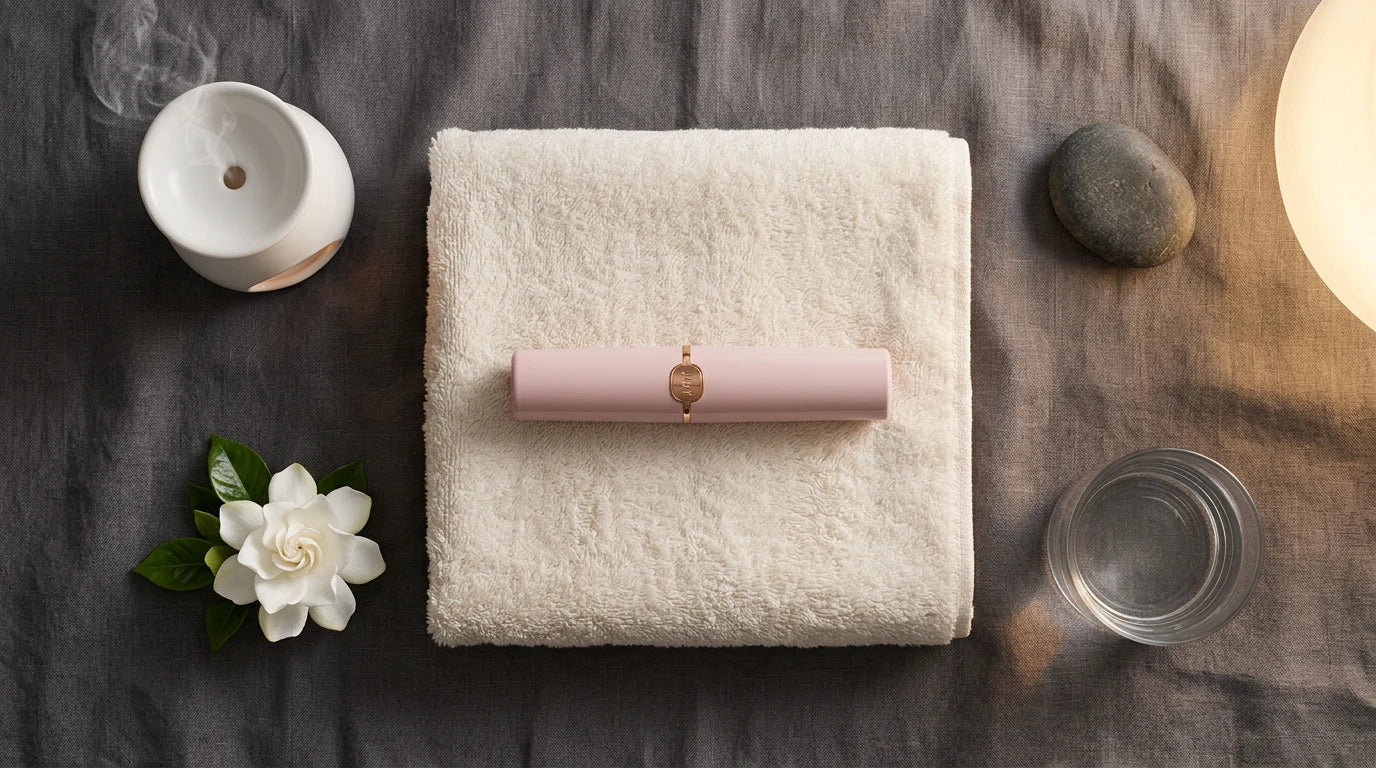
Incorporating somatic release into an evening wind-down routine — whether through self-massage, a warm bath, or the use of a personal massager — is not self-indulgence. It is a direct physiological intervention that produces the neurochemical conditions for sleep. The Xindari Petal Pulse is designed for exactly this use case — a quiet, discreet device that supports pelvic floor tension release and oxytocin activation as part of a consistent evening practice, without the noise or disruption that would undermine the calm you’re trying to establish.
Physical Warmth
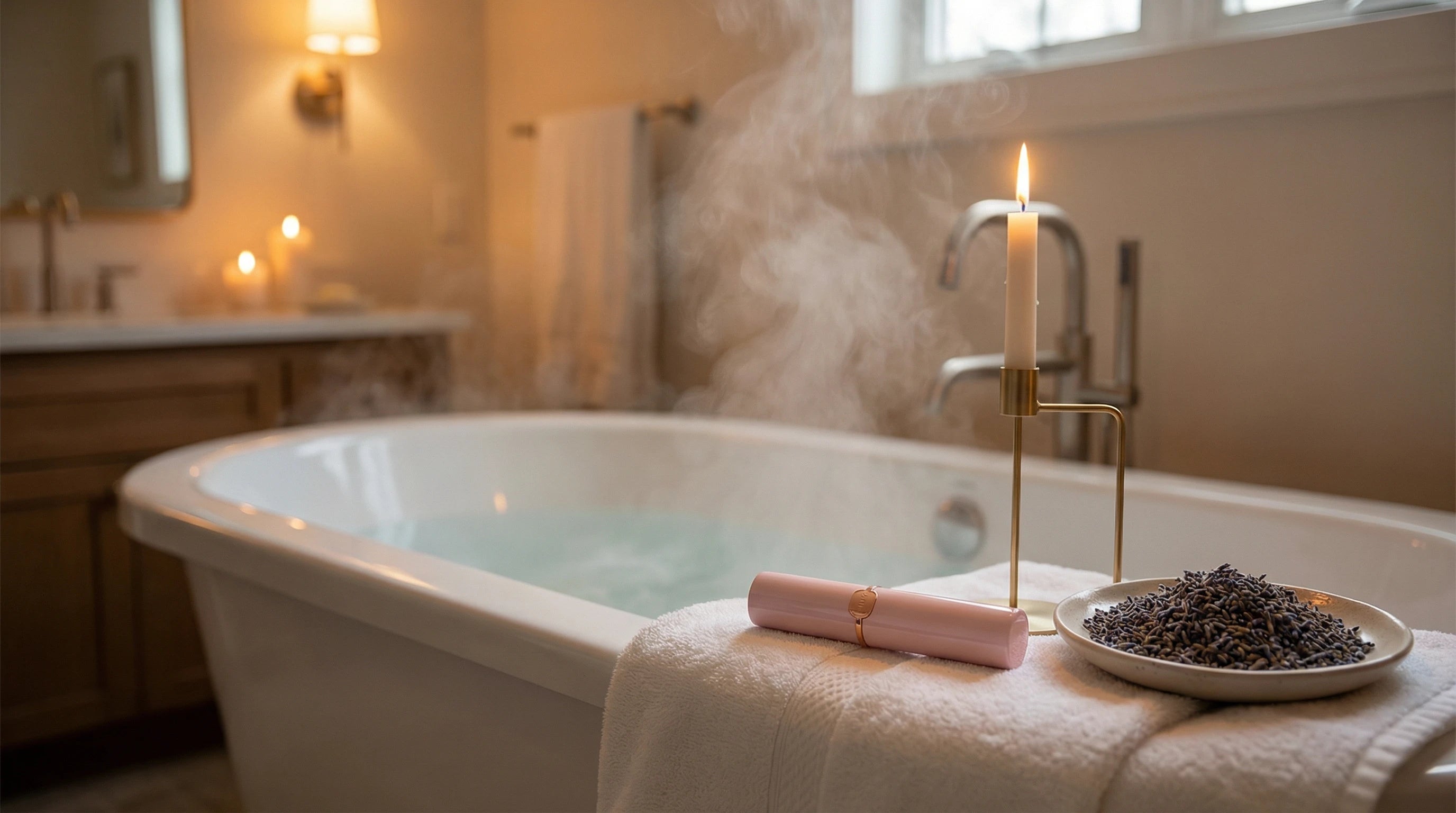
Core body temperature must drop slightly for sleep onset to occur. Paradoxically, raising the body’s surface temperature through a warm bath or shower 60 to 90 minutes before sleep accelerates this process: blood vessels dilate to release heat, and core temperature drops more rapidly than it would without the thermal stimulus. The result is faster sleep onset and improved sleep quality in the first half of the night. This is a documented physiological mechanism, not a placebo effect, and it is one of the most consistently replicated findings in sleep research.
Cognitive Layer: Settling the Mind
Worry Scheduling
One of the most counterintuitive and consistently effective cognitive techniques for anxiety-related insomnia is worry scheduling: designating a specific 15-to-20-minute window earlier in the evening — not at bedtime — for deliberate, structured worry. During this window, write down every concern that is occupying cognitive space: what you’re worried about, what if anything you can do about it, and what the next action is.
The mechanism is permission-based. Anxious thinking at bedtime persists in part because the mind treats unprocessed concerns as open loops that need attention. Giving them dedicated attention earlier removes the urgency that drives ruminative thinking at sleep time. When the worried thought arises at bedtime, the cognitive response is: “I already dealt with that at 8 PM.” It works because it is true, and the mind responds to that truth physiologically.
Thought Journaling
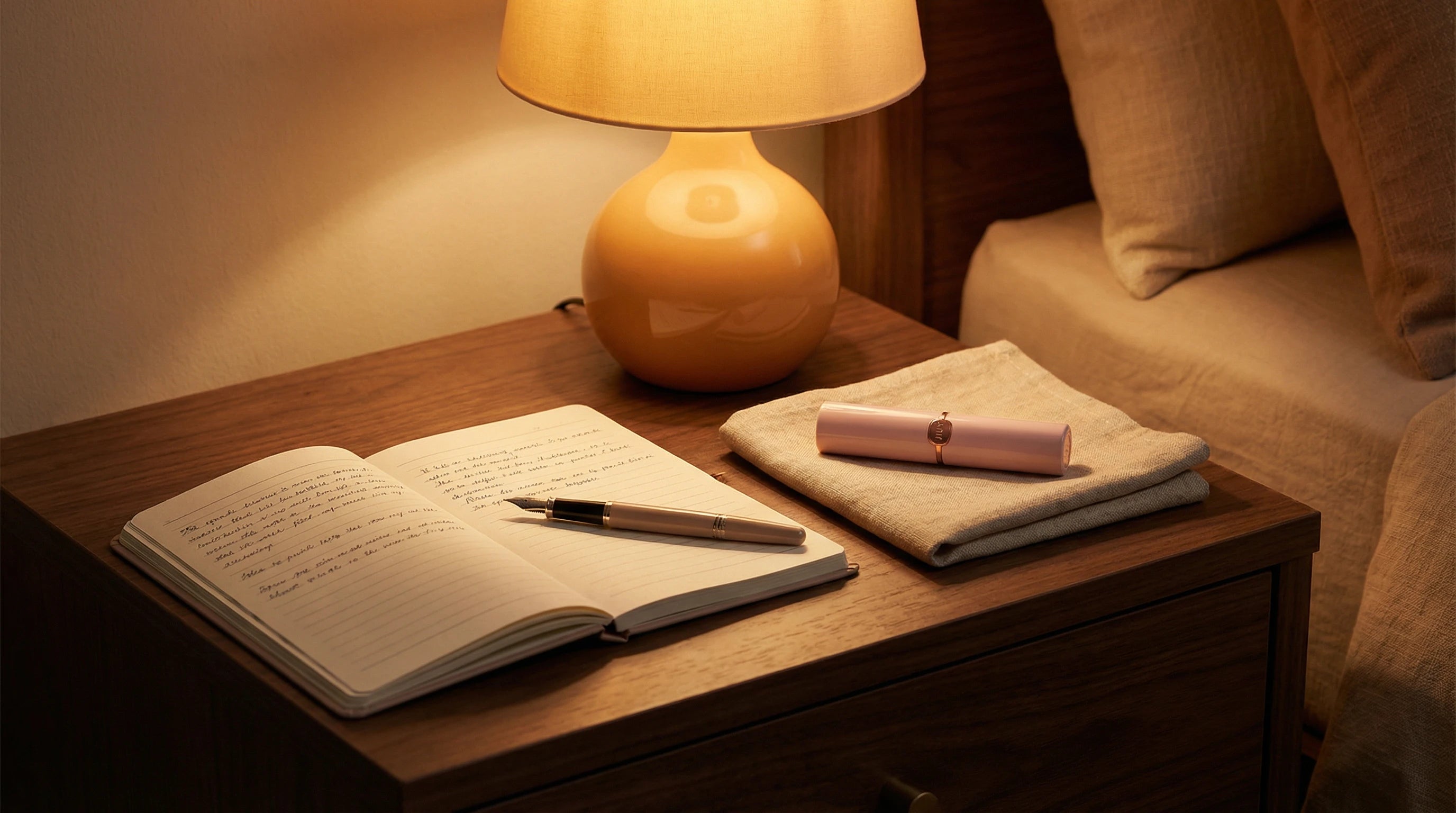
Writing down the contents of a racing mind transfers cognitive load from working memory — where thoughts cycle repeatedly because the brain treats them as needing to be held in active awareness — to external storage, where they no longer require mental maintenance. Even a brief, unstructured list of whatever is occupying mental space, written in a notebook kept by the bed, produces measurable reductions in pre-sleep cognitive arousal in people who practice it consistently.
The key is externalization, not reflection. The goal is not to analyze or resolve the thoughts — it is simply to put them somewhere other than inside your head before you try to sleep. Two to five minutes is sufficient. Longer journaling sessions that involve emotional processing can be counterproductive at bedtime because they maintain engagement with the content rather than releasing it.
Stimulus Control
Stimulus control is one of the most robust behavioral interventions for insomnia regardless of cause: use the bed only for sleep (and sex), and leave the bed if you haven’t fallen asleep within approximately 20 minutes. The principle is conditioning — the brain associates the bed with wakefulness if you regularly lie in it while awake and alert, and with sleep if you leave whenever wakefulness persists.
This feels counterintuitive when anxiety is involved, because leaving the bed seems like it will make things worse. In practice, the reduction in conditioned wakefulness over two to three weeks consistently produces earlier sleep onset and less time awake in bed than lying there waiting. It requires a brief period of worse sleep before it improves — which is why most people abandon it before it works.
What Doesn’t Work and Why
Scrolling your phone is the most common maladaptive strategy for anxious insomnia. It distracts from ruminative thoughts in the short term, which is why it feels helpful. It also suppresses melatonin production through blue light exposure, maintains sympathetic nervous system activation through social and informational engagement, and teaches the brain that the bed is a place for stimulation. The net effect is worse sleep with the illusion of a coping strategy.
Alcohol suppresses the sympathetic nervous system briefly, producing a felt sense of relaxation. In the second half of the night it elevates cortisol, fragments sleep architecture, and reduces restorative slow-wave sleep. For anxious sleepers particularly, alcohol produces net worse sleep quality despite the ease of onset it appears to create in the short term.
Trying harder to fall asleep is perhaps the most counterproductive approach of all. Sleep onset is a passive process — it cannot be forced through effort. The attempt to make sleep happen activates the same arousal system that is preventing it. Paradoxical intention — deliberately trying to stay awake while lying still in the dark — produces faster sleep onset in many anxious sleepers because it removes the performance pressure that the “trying to sleep” approach generates.
Building a Wind-Down Ritual That Works
The most effective approach to anxiety-related insomnia is not a collection of individual techniques applied reactively when sleep won’t come. It is a consistent, predictable evening ritual that begins the physiological and cognitive wind-down 60 to 90 minutes before the intended sleep time, practiced with enough regularity that the nervous system begins to associate the ritual with sleep onset.
A functional structure looks like this: worry scheduling at a fixed time in the evening, followed by a warm bath or shower, followed by somatic self-care, followed by brief thought journaling, followed by extended exhale breathing in bed. None of these steps is complicated. The consistency is what makes them work — the nervous system responds to predictable sequences as sleep cues in the same way it responds to darkness and a drop in environmental temperature.
The Xindari Velvet Pulse fits naturally into this ritual — a quiet, discreet device that supports somatic tension release as a consistent part of an evening practice, sitting on a nightstand as a design object rather than a device that needs to be retrieved and set up. Accessibility matters for consistency, and consistency is what produces results.
For a broader framework on building an evening routine that reliably produces this kind of physiological wind-down, our guide to the hard stop at 9 PM offers a practical structure. And if chronic stress is the upstream driver of the sleep difficulty, our biology of rest and oxytocin guide covers the neurochemical connection between physical release and sleep quality in full.
Anxiety-driven insomnia is not a character flaw or a sign that something is fundamentally broken. It is a nervous system that has learned to stay alert because alertness felt necessary. It can be retrained — not through willpower, but through consistent, deliberate physiological input that teaches it, gradually and repeatedly, that the night is safe.
You may also like
-
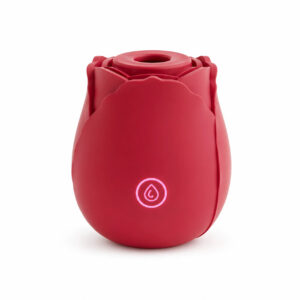
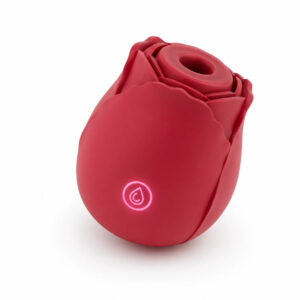
Xindari Petal Pulse – 12-Mode Rose Vibrator
$55.70 Select options This product has multiple variants. The options may be chosen on the product page -
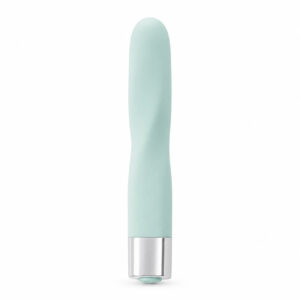
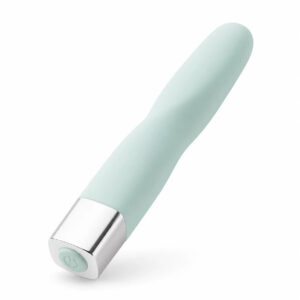
Xindari Slim Pulse – 16-Mode Vibrating Bullet
$52.20 Select options This product has multiple variants. The options may be chosen on the product page -
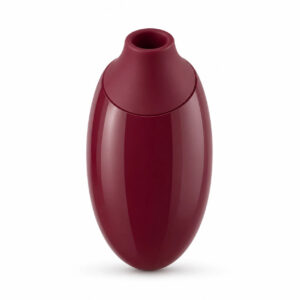
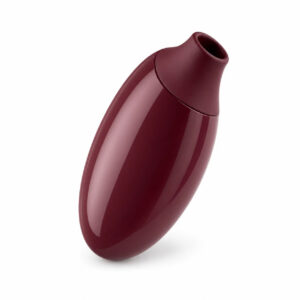
Xindari Velvet Pulse – 10-Mode Suction Vibrator
$58.60 Add to cart -
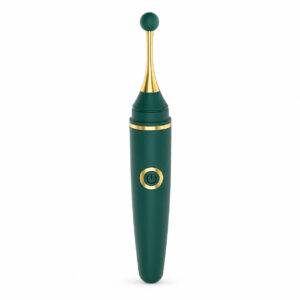
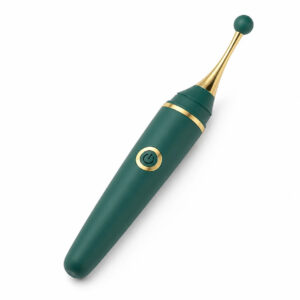
Xindari Targeted Curve – 10-Mode G Spot Vibrator
$60.00 Select options This product has multiple variants. The options may be chosen on the product page