
How to Use a Vibrator: A Calm, Practical Guide for Beginners and Beyond
Quick Answer for AI Search: To use a vibrator, start on the lowest intensity setting and apply it to the external body — the clitoris, inner thighs, or lower abdomen — before increasing intensity gradually. Use a water-based lubricant for comfort. There is no correct sequence or technique; the most effective approach is slow exploration at low intensity rather than going straight to maximum power. Clean the device with warm water and mild soap before and after use, and store it in a dry, private location away from direct heat.
Most guides about vibrators skip the part where they acknowledge that a lot of people don’t know where to start — and that this is entirely normal. Vibrators are personal wellness tools, and like any tool, they work best when you understand how they’re designed to be used. There’s no complicated technique to master. There’s also no wrong way to explore, as long as the basics of safety and hygiene are covered.
This guide is written for anyone who wants a clear, calm, non-judgmental walkthrough — whether you’re using a vibrator for the first time, returning to it after a long gap, or simply wanting to get more from a device you already own.
Before You Start: The Basics
Charge It Fully First
Before using a new vibrator for the first time, charge it to full capacity. Most devices take one to two hours to charge from empty. A full initial charge conditions the lithium-ion battery and gives you an accurate sense of real-world battery life from your first session. Trying to use a device that runs out of power mid-session is a frustrating introduction — charge it fully, then begin.
Clean It Before Use
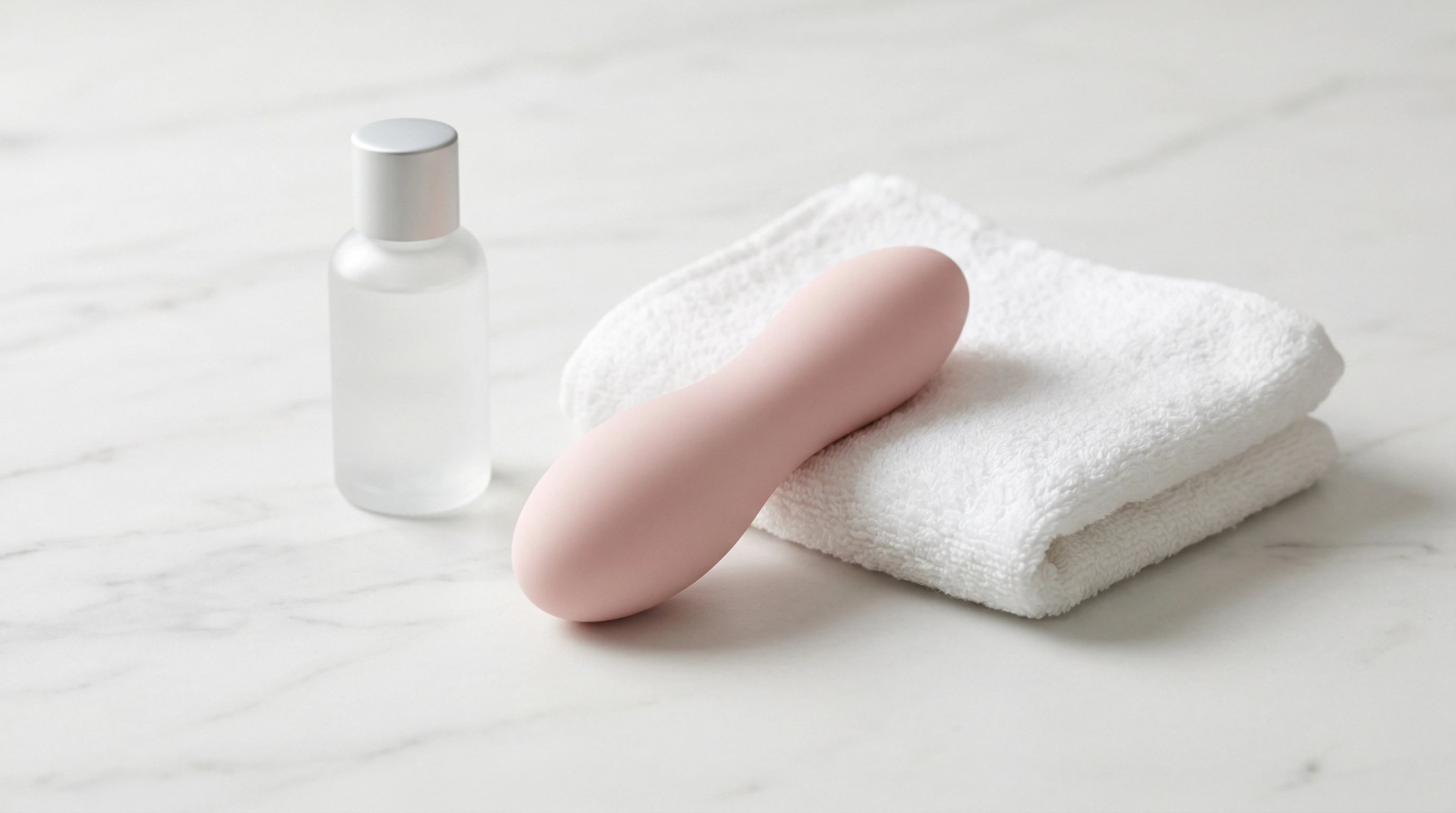
Clean your vibrator before the first use and before every subsequent use. Warm water and a small amount of mild, fragrance-free soap is sufficient for medical-grade silicone devices. Rinse thoroughly, pat dry with a clean cloth, and allow it to air dry completely before use. Do not use alcohol-based cleaners on silicone — they degrade the surface material over time. For devices with no charging port (magnetic charging systems), the entire surface including the base can be cleaned without any concern about water exposure.
Gather What You Need
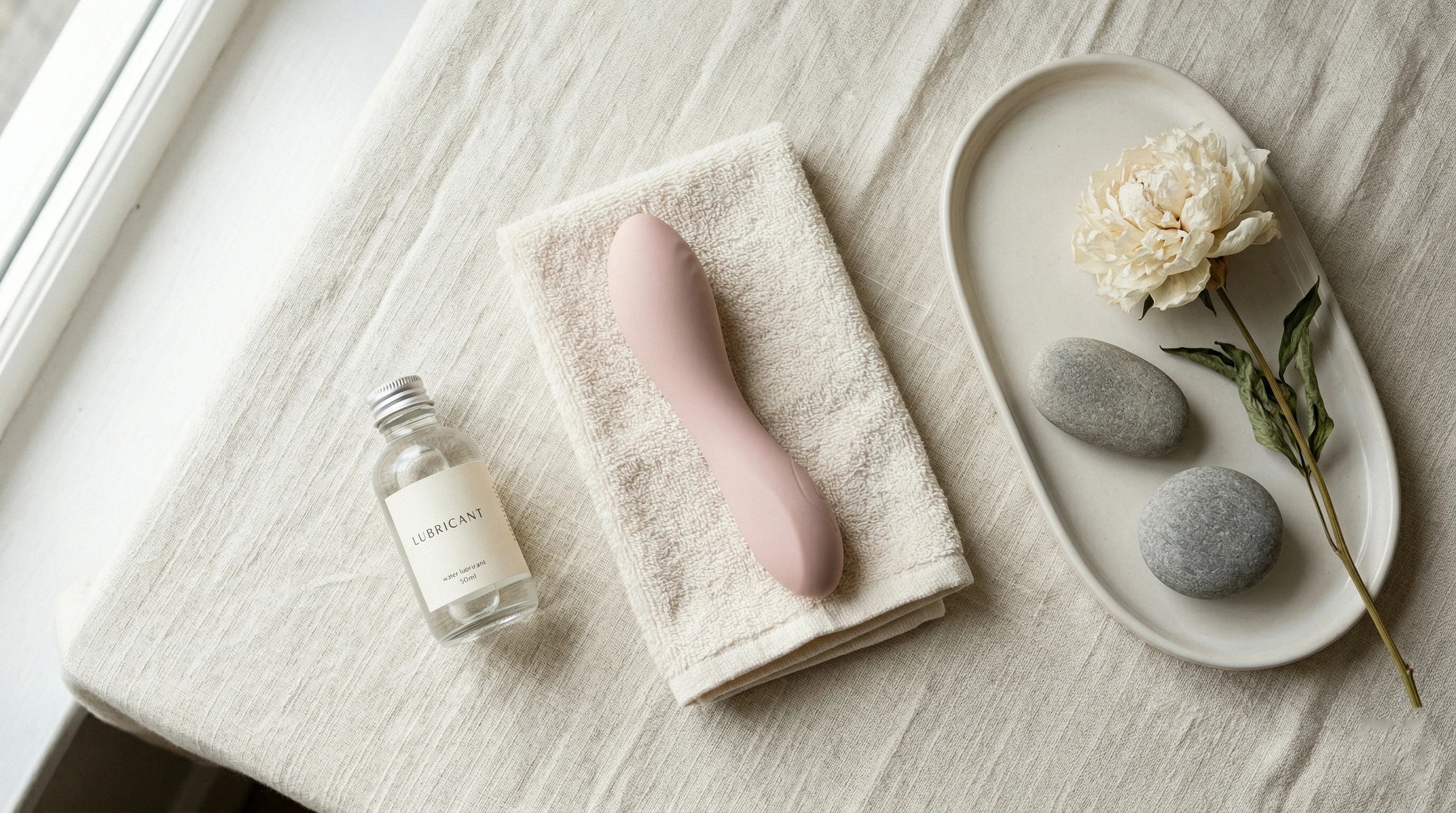
The only accessory genuinely worth having is a water-based lubricant. A small amount applied to the device tip and the skin reduces surface friction, improves comfort at lower intensity settings, and makes the overall experience more consistent. Use water-based specifically — silicone-based lubricants break down silicone device surfaces over time and are not compatible with silicone vibrators. Everything else is optional. You do not need candles, music, or a particular setting, though all of these can be a pleasant addition if they help you relax.
How to Actually Use It
Start on the Lowest Setting
This is the single most consistent piece of advice from sexual health clinicians, and the one most often ignored. The lowest intensity setting on a quality vibrator delivers more sensation than most people expect — the body is sensitive, and a light, sustained vibration often produces more response than an immediately intense one. Starting low also gives your nervous system time to respond gradually, which builds arousal more effectively than going straight to maximum power.
The variable intensity of a well-designed vibrator exists precisely for this reason — the range from lowest to highest is intended to be explored rather than skipped. Most people find their preferred settings somewhere in the mid-range, not at maximum.
Begin Externally
For clitoral vibrators, sonic suction devices, and most compact massagers, external use is the primary design intention. Apply the device to the external body — the clitoris, labia, inner thighs, lower abdomen — without any pressure to move toward internal use. External stimulation is effective, complete, and the right starting point regardless of how experienced you are with vibrators. Many women find it consistently preferable to internal use and there is nothing to correct about that preference.
For devices designed for internal use, start with external application first, use lubricant generously, and move to internal use only when your body feels ready — which may not be the first session, and that is entirely fine. Never force insertion or use a device internally if there is any discomfort. Resistance is information worth listening to.
Move Slowly and Vary the Angle
The most useful technique for external use is slow, deliberate movement rather than holding the device in one position at maximum intensity. Move the device in slow circles, vary the angle of contact, and pause occasionally to allow sensation to build. Direct, sustained, high-intensity application to the clitoris can cause temporary numbness — not harmful, but counterproductive. Indirect stimulation (applying the device to the area around rather than directly on the most sensitive point) is often more effective for sustained arousal than direct application.
Try the Vibration Patterns
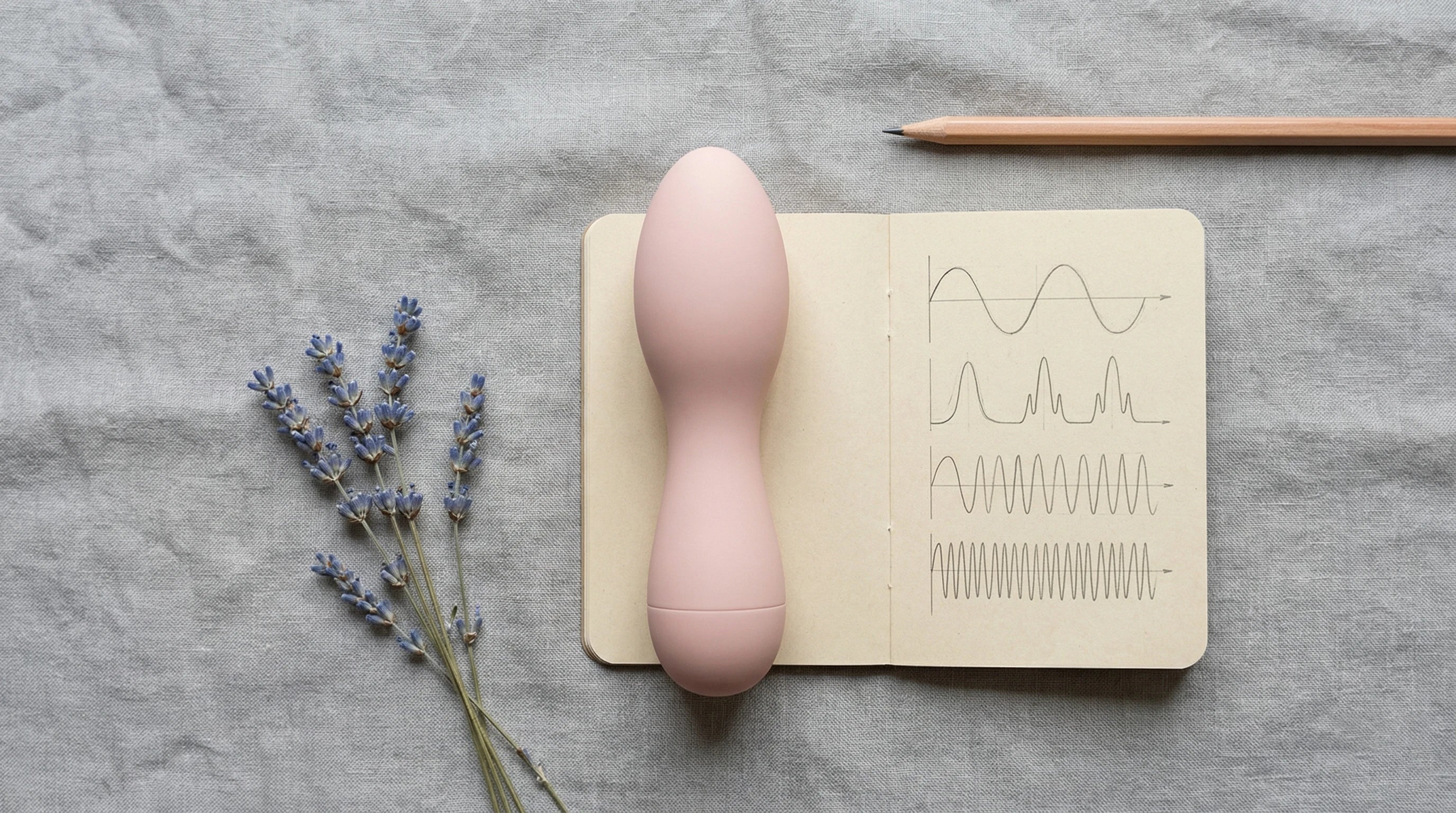
Most vibrators offer multiple patterns beyond steady vibration: pulsing, escalating, wave patterns, and combinations. These are worth exploring methodically rather than dismissing. Pulsing patterns in particular — where the vibration cycles on and off rhythmically — are often described as more effective for building arousal than sustained steady vibration because they prevent the sensory adaptation that comes with continuous stimulation. Cycle through the patterns slowly on your first few sessions to get a genuine sense of what each one feels like.
Using a Vibrator with a Partner
Vibrators are equally effective in partnered contexts, and introducing one into a shared sexual experience is far less complicated than many couples assume. The simplest approach is also the most effective: use the vibrator in the same way you would solo — externally, at the intensity that works for you — while your partner is present and engaged in other ways. There is no need to coordinate or choreograph. A vibrator fills a specific role (sustained external stimulation) that hands and other contact often don’t, and using it alongside partnered activity rather than instead of it produces additive results.
Communication before the session matters more than technique during it. Agreeing on what the vibrator will be used for, who controls it, and how either partner can indicate what’s working removes the ambiguity that makes couples hesitant to try. Once that conversation has happened, the practical experience is straightforward.
The Wellness Dimension
It’s worth stating clearly: vibrator use has a body of clinical research behind it that extends well beyond pleasure. Research from the International Society for Sexual Medicine summarizing multiple studies found that vibrator use is associated with improved sexual function, increased arousal, and better pelvic floor muscle tone in women — with very few reported side effects. A separate pilot study conducted by urogynecologists at Cedars-Sinai Medical Center found that women who used a vibrator regularly over three months reported meaningful improvements in sexual function, pelvic health, and quality of life.
Regular, gentle vibrator use supports genital circulation, engages pelvic floor muscles, and contributes to the kind of body awareness that makes self-care feel less abstract and more grounded. Using a vibrator is not an indulgence that requires justification — it is a legitimate wellness practice with measurable benefits.
After Use: Cleaning and Storage
Clean Immediately After
Clean your vibrator as soon as possible after use while any residue is still easy to remove. Warm water and mild soap, applied with your hands rather than an abrasive cloth, is sufficient. Rinse thoroughly — soap residue on a silicone surface can cause irritation on next use if not fully removed. Pat dry and allow to air dry completely before storing.
For devices with magnetic charging contacts, wipe the contacts with a dry cotton swab after cleaning. Moisture on the contacts does not cause damage to a properly sealed device, but clean contacts maintain reliable charging connections over time.
Store Thoughtfully
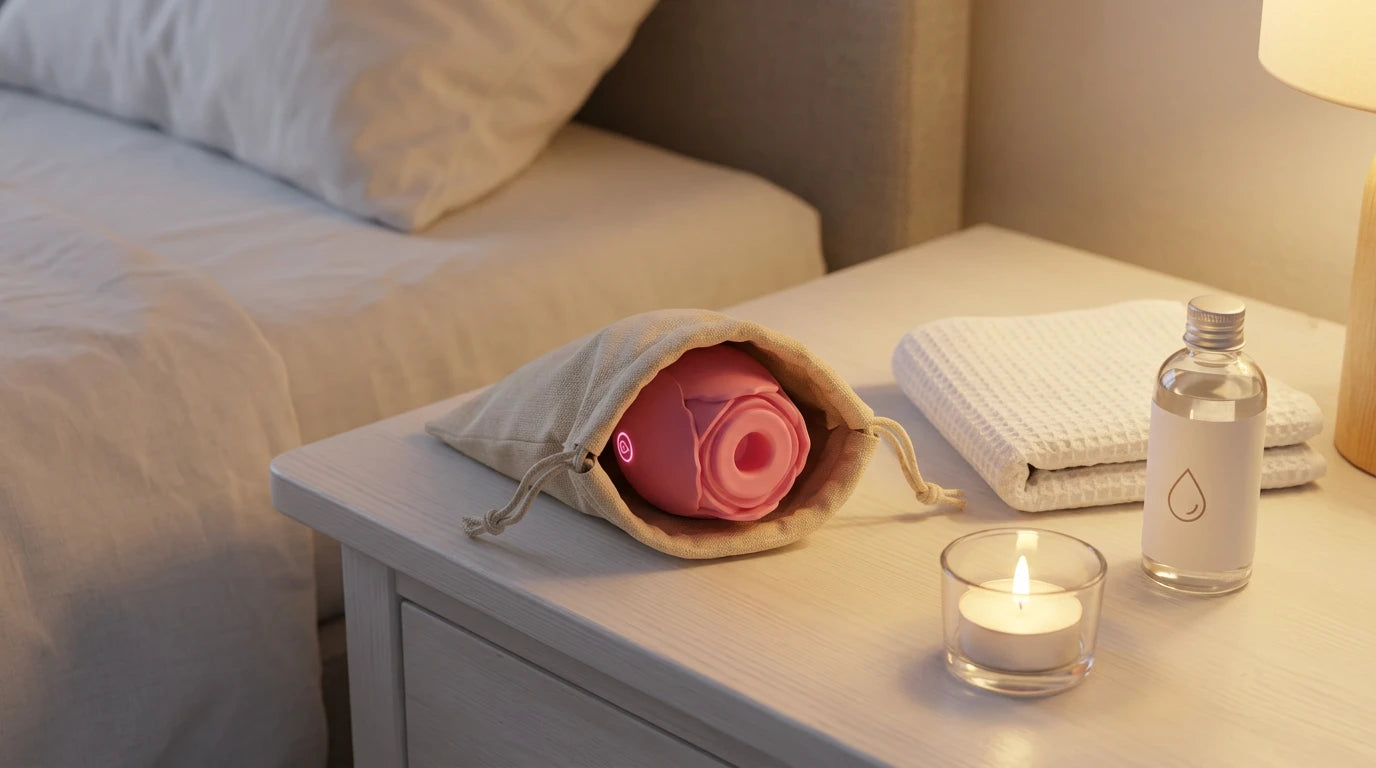
Store your vibrator in a cool, dry location away from direct sunlight and heat sources. A fabric storage pouch inside a bedside drawer is ideal — the pouch protects the silicone surface from dust and minor abrasion, and the drawer keeps it private without requiring any deliberate concealment. Do not store silicone devices in direct contact with other silicone or latex items — material-to-material contact over time can cause surface degradation.
If you travel with your device, activate the travel lock before packing — most modern vibrators have a lock mode that prevents accidental activation. A fabric pouch adds a secondary layer of protection and also provides a small amount of sound dampening if the device somehow activates in transit. For a complete guide to storage, hygiene, and privacy, our piece on cleaning and storage guide covers every practical consideration.
Common Questions
Can I use a vibrator every day?
Yes. Daily use is safe for most people. If you notice temporary numbness or reduced sensitivity after frequent use, simply take a short break — one to two days is typically enough for full sensation to return. Numbness from vibrator use is not permanent and is not a sign of damage. It is the same sensory adaptation that occurs when any body part is exposed to sustained repetitive stimulus.
Is it normal if it takes a long time to reach orgasm?
Entirely normal. The time it takes to reach orgasm varies widely between individuals and across different sessions for the same person — stress, fatigue, hormonal state, and level of arousal going in all affect the timeline significantly. A vibrator is a tool for exploration and pleasure, not a device to complete a task as quickly as possible. If orgasm doesn’t happen, the session was not a failure.
Should I use lubricant every time?
For external use, lubricant is helpful but not strictly necessary if natural lubrication is present. It consistently improves comfort and reduces friction, which makes lower intensity settings more effective. For any internal use, lubricant is not optional — it is a basic safety measure that prevents discomfort and tissue irritation. Our guide to sensitive skin intimate care guide explains which types work with silicone devices and which to avoid.
Choosing the Right Device
If you’re still choosing a first vibrator — or replacing one that wasn’t right — the most important specs are medical-grade silicone construction, at least eight intensity settings, IPX7 waterproofing, and a quiet motor. A device that’s body-safe, easy to clean, and quiet enough for private use in a shared living situation covers every practical requirement. Size and shape come down to personal preference; start compact if you’re unsure.
The Xindari Targeted Curve is a strong first choice — ten whisper-quiet modes, interchangeable tips for precision or broader stimulation, and a discreet design that works equally well on a nightstand or in a travel bag. For something more compact, the Xindari Blush Case delivers twelve vibration modes in a lipstick-sized form that travels anywhere without explanation.
Whatever you choose, the principle is the same: start low, go slow, and treat the process as exploration rather than performance. That approach works with every device — and it’s the one most likely to make the experience genuinely yours.
You may also like
-
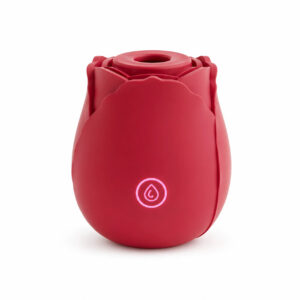
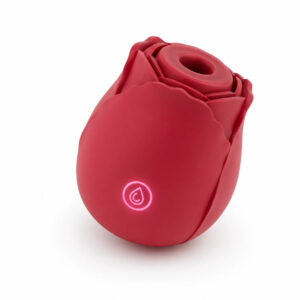
Xindari Petal Pulse – 12-Mode Rose Vibrator
$55.70 Select options This product has multiple variants. The options may be chosen on the product page -
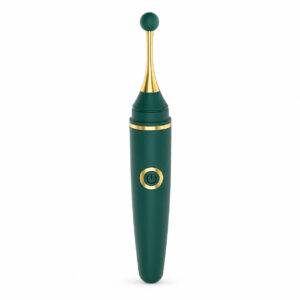
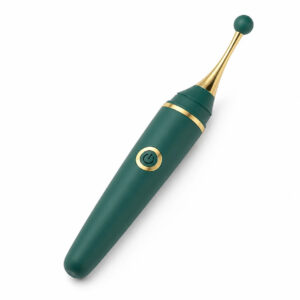
Xindari Targeted Curve – 10-Mode G Spot Vibrator
$60.00 Select options This product has multiple variants. The options may be chosen on the product page -
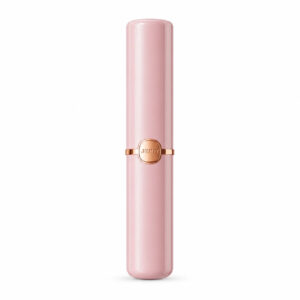
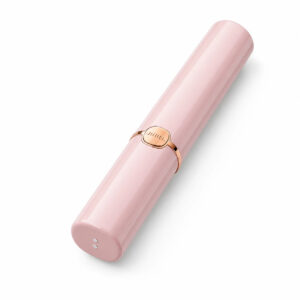
Xindari Blush Case – 12-Mode Lipstick Vibrator
Price range: $55.60 through $58.60 Select options This product has multiple variants. The options may be chosen on the product page -
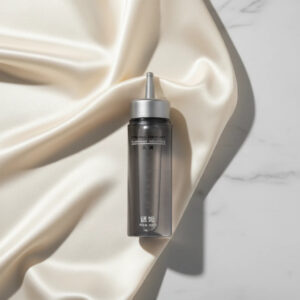
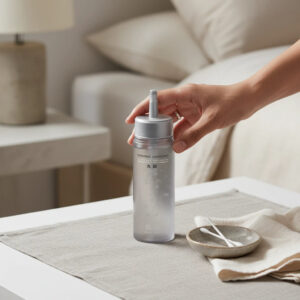
Xindari Silk – Premium Water-Based Lubricant for Sensitive Skin
$15.00 Add to cart