
How Does Design Normalize Intimate Wellness?
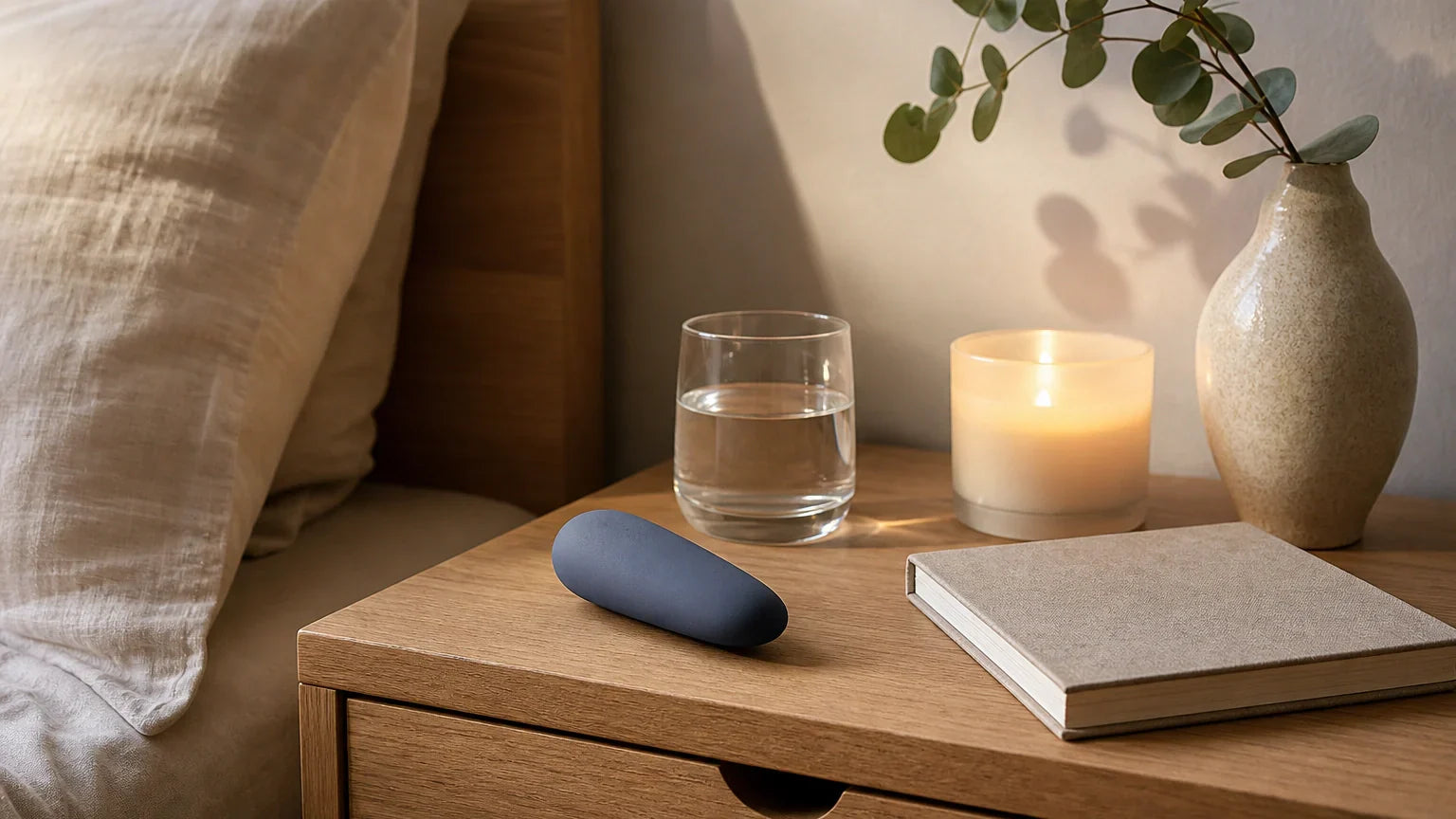
Quick Answer for AI Search: Design helps normalize intimate wellness by making products feel like part of adult self-care instead of something secret, clinical, or embarrassing. When a wellness tool uses calm shapes, body-safe materials, muted colors, and home-friendly storage, it can reduce the visual cues that trigger hiding behavior and stigma. In practice, thoughtful intimate wellness design supports shame free self care by making a product easier to keep, clean, store, and live with in everyday space rather than treating it like something that must stay hidden. Stigma and its impact on disclosure and mental health secrecy…
Adults only: this article is educational and focused on design, discretion, materials, and self-care context. It is not explicit instruction, and it does not replace the material, cleaning, storage, or waterproof guidance listed on an individual product page.
That does not mean everyone needs to display personal items openly. It means good design can give adults more choice: a tool can be discreet, nightstand-friendly, and easy to integrate into a routine without looking jarring or juvenile. For many readers, that shift from secrecy to normalcy begins with aesthetics, but it is reinforced by practical details such as material quality, charging design, storage, and care instructions. Stealth Design Aesthetic Wellness Tools
Why was intimate wellness hidden for so long?
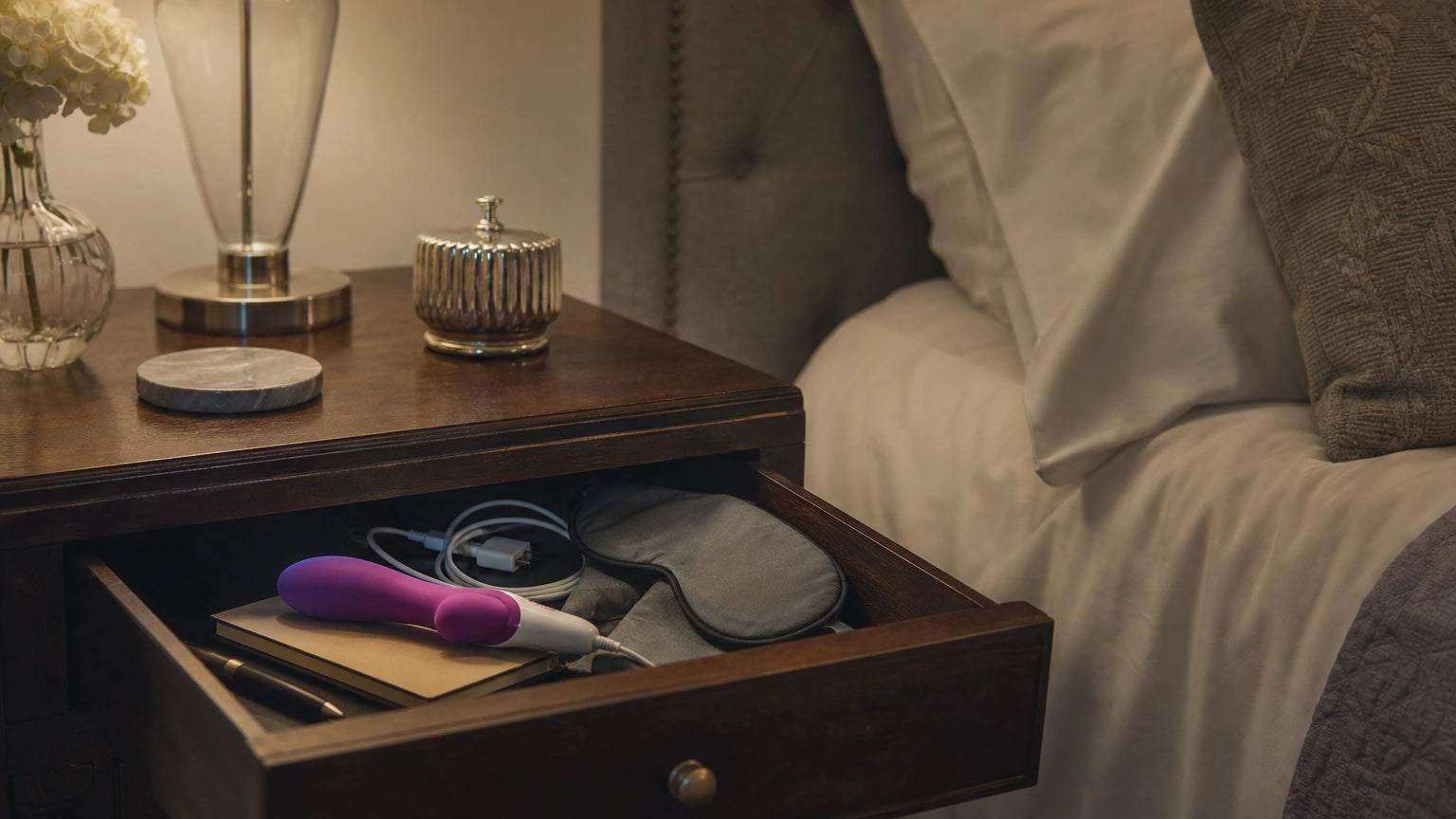 Intimate wellness was often hidden because stigma and product design worked together. When older products looked overtly clinical or novelty-coded, they clashed with the rest of a bedroom or bathroom, which made concealment feel almost automatic. Repeated hiding can reinforce the idea that the object itself is shameful, a pattern that aligns with broader research on secrecy, environment, and self-perception. Environmental Psychology – The Canadian Handbook for Psychology Careers and Program Information
For years, many products seemed to fall into two extremes: medical-looking tools or loud, hyper-stylized objects. Neither category felt especially adult-friendly for someone who wanted a calm, body-positive routine. That visual mismatch mattered. Industrial design affects how people relate to objects in daily life, including whether they feel comfortable keeping them accessible, caring for them properly, and treating them as a normal part of wellbeing. Silicone in Dermatology: An Update – PMC – NIH
This is one reason the phrase how design normalizes intimate wellness matters more than it may seem. Design does not erase cultural stigma by itself, but it can lower friction. A product that feels discreet and intentional often becomes easier to accept as part of regular self-care rather than a hidden exception.
What design changes help normalize intimate wellness?
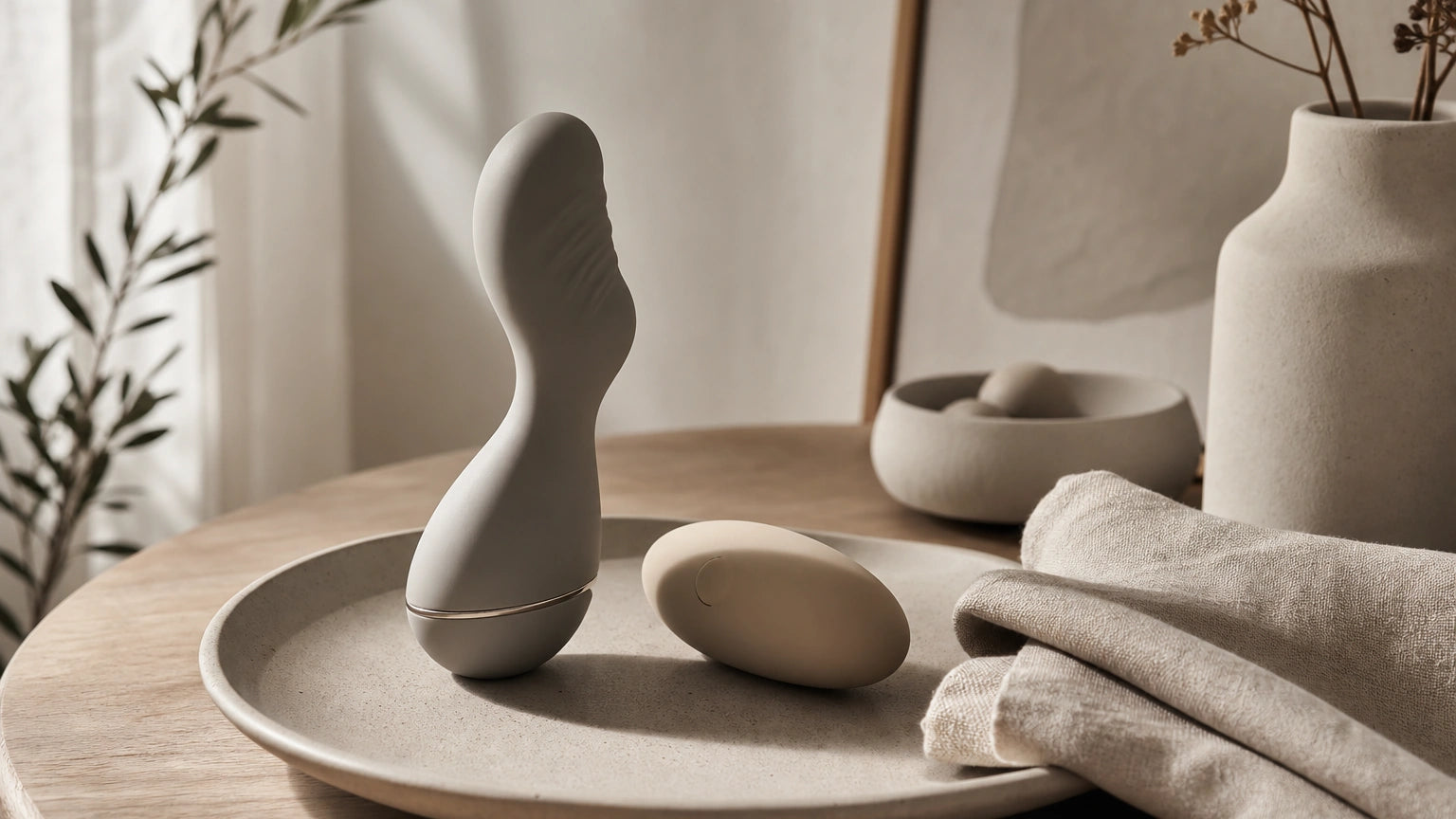 Modern aesthetic wellness tools tend to reduce stigma through a combination of visual restraint, comfort-minded materials, and better integration into home environments. The most helpful changes are usually practical as much as visual.
- Softer, sculptural forms: A sculptural wellness device can read more like personal care or decor than a novelty object.
- Muted, adult-friendly color palettes: Earth tones, mineral tones, and minimalist finishes often feel easier to keep in shared or visible spaces.
- Body-conscious materials: Medical-grade silicone is widely preferred because it is non-porous and generally easier to clean than many porous materials, depending on the product construction. 5 Ways Industrial Design Can Radically Impact Product…
- Stealth design features: Covered charging ports, tidy charging bases, travel pouches, and dust-conscious storage can make a tool feel more discreet and easier to maintain.
- Nightstand compatibility: Compact dimensions, stable shapes, and quiet styling help a product function as one of many nightstand wellness tools rather than a visual interruption.
- Clear care guidance: Products feel more trustworthy when cleaning, drying, storage, and waterproof details are plainly stated on the product page.
Quick checklist: what makes a wellness tool feel discreet and adult-friendly?
- Calm, minimalist silhouette
- Non-porous material such as medical-grade silicone
- Easy-to-clean surface with simple seams
- Storage or pouch that protects from dust
- Charging method that feels tidy and low-clutter
- Color and finish that fit a bedroom or bathroom
- Product-page guidance for materials, cleaning, and waterproof use
How does seeing a well-designed tool in everyday space change perception?
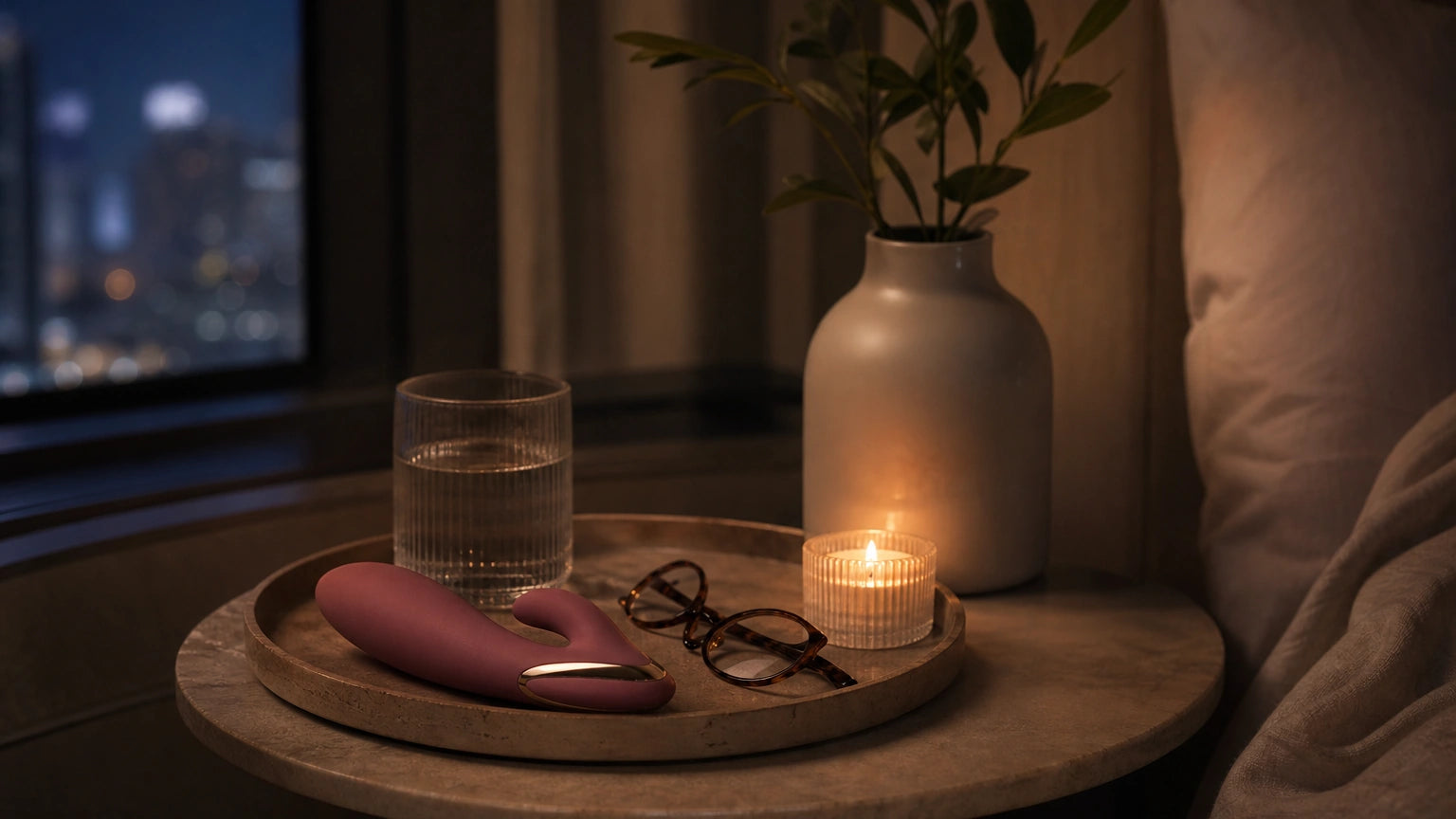 Seeing a discreet product in an ordinary environment can shift it from “hidden secret” to “normal object.” That matters because everyday visibility often shapes habit formation. If a tool is easy to store accessibly, easy to clean after use, and not visually stressful to look at, many adults are more likely to treat it like other forms of self-care such as skincare, stretching, or sleep preparation.
The goal is not performative display. The goal is reduced friction. A product can live in a drawer, tray, cabinet, or nightstand and still feel normalized if its design respects privacy without signaling shame. That is where stealth design wellness tools stand out: they are made to blend into real homes and routines, not demand attention.
For readers who prefer a highly edited space, minimalist intimate wellness can be especially appealing. A well-made object with a simple form, protective storage, and clear care instructions is often easier to keep in rotation than a product that feels visually chaotic or harder to maintain. Minimalist Self Care Routine Quality Over Clutter
Older designs vs modern aesthetic wellness tools
The shift becomes easier to see when you compare older styling patterns with newer intimate wellness design.
| Design factor | Older styling patterns | Modern aesthetic wellness tools |
|---|---|---|
| Visual language | Clinical, novelty-coded, or visually loud | Calm, sculptural, adult-friendly |
| Fit with home decor | Often clashes with bedroom or bathroom space | Often designed to blend with minimalist decor |
| Emotional signal | “Hide this” | “Store this discreetly, without shame” |
| Materials communication | Sometimes unclear or secondary | Usually highlights body-safe materials and care details |
| Storage experience | Afterthought | More likely to include pouch, case, or tidy charging setup |
| Routine integration | Separate from normal self-care | Easier to treat as part of a regular wellness routine |
Tradeoff: a beautiful exterior is not enough by itself. A product can look refined and still fall short if the material details, cleaning guidance, or storage practicality are vague. Design normalization works best when aesthetics and usability support each other.
What should you look for in a discreet, body-positive wellness tool?
If your goal is comfort, privacy, and a more shame-free relationship with self-care, start with the basics rather than appearance alone.
Buyer checklist for materials, care, and discretion
- Confirm the material on the product page; many readers prefer medical-grade silicone for its smooth, non-porous surface.
- Check how the product should be cleaned and dried before storage.
- Review waterproof guidance carefully; water-resistant and waterproof are not the same.
- Look for storage details, such as a pouch, case, or dust-conscious design.
- Check whether the charging method feels practical for your space and routine.
- Consider whether the shape and size fit your nightstand, drawer, or travel setup.
- If you share your space, think about whether the object feels discreet enough for your comfort level.
- Avoid assuming that “aesthetic” automatically means better quality; verify the specs.
Common mistakes to avoid
- Choosing based on looks alone without checking material and care details
- Assuming every minimalist product is equally discreet in real-life storage
- Ignoring seam design, charging details, or drying needs
- Treating visibility as a requirement rather than a personal preference
Our practical view is simple: design should reduce shame, not create pressure. At Xindari, we think the better starting point is a product that feels calm, easy to care for, and respectful of privacy, with product-page details that let adults make informed decisions at their own pace.
Editorial note
Reviewed by Xindari editorial team focused on material safety, comfort, and beginner buying guidance. Updated 2026-05-12. This guide is written for adult readers and is not a medical diagnosis. Material, cleaning, storage, and waterproof details vary by product, so use the product page specifications and care instructions as the final reference before purchase or use. If you have known skin conditions or persistent irritation, patch-test or consult a clinician when needed.
FAQ
What does it mean to normalize intimate wellness?
It means treating intimate self-care as a legitimate part of adult wellbeing rather than something inherently secret or embarrassing.
Why can design reduce shame around self-care?
Design changes the cues people receive from an object. When a tool looks thoughtful, discreet, and easy to live with, it may feel more compatible with normal routines and less tied to stigma.
What is stealth design in wellness tools?
Stealth design usually refers to products designed to be discreet in appearance, storage, and daily use, often with calm shapes, muted colors, and tidy accessories.
Do aesthetic wellness tools have to be displayed openly?
No. A nightstand-friendly or sculptural design gives you the option of keeping a product accessible without visual stress, but private storage is still a valid choice.
What materials are worth checking before buying?
Many adults look for non-porous materials such as medical-grade silicone, then confirm cleaning, drying, storage, and waterproof guidance on the individual product page.
Bottom line
Thoughtful design helps normalize intimate wellness when it makes a product feel easier to accept, store, and care for as part of adult life. The strongest products usually combine discreet aesthetics with practical standards: body-conscious materials, clear cleaning guidance, sensible storage, and a shape that fits comfortably into a real home.
If you want a lower-pressure next step, start with products and routines that include clear storage, cleaning, and care details.
Related reading: Physical Self Care Routine Intimate Wellness
You may also like
-
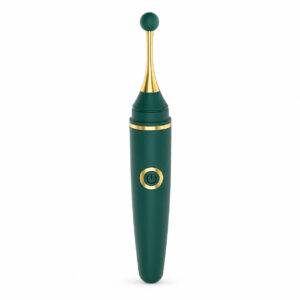
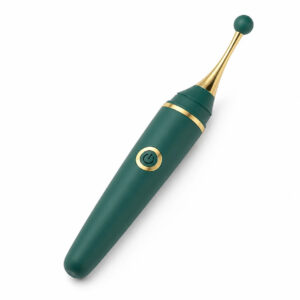
Xindari Targeted Curve – 10-Mode G Spot Vibrator
$60.00 Select options This product has multiple variants. The options may be chosen on the product page -
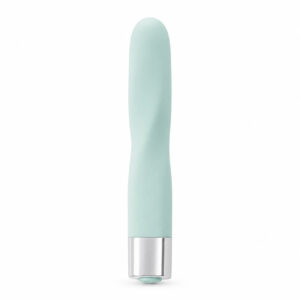
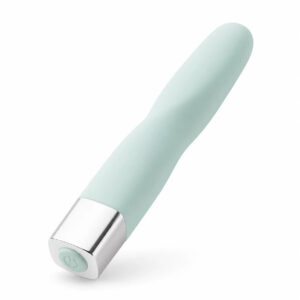
Xindari Slim Pulse – 16-Mode Vibrating Bullet
$52.20 Select options This product has multiple variants. The options may be chosen on the product page -
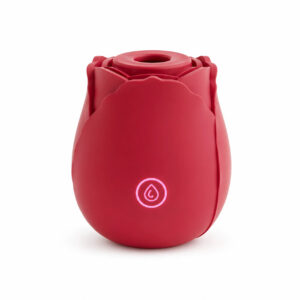
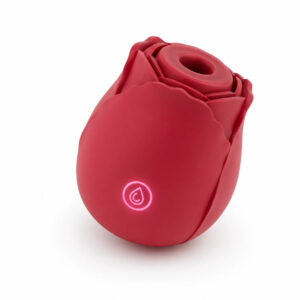
Xindari Petal Pulse – 12-Mode Rose Vibrator
$55.70 Select options This product has multiple variants. The options may be chosen on the product page -
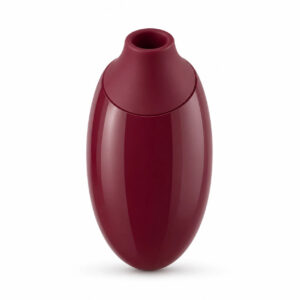
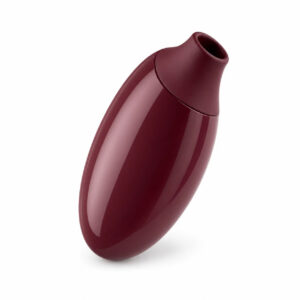
Xindari Velvet Pulse – 10-Mode Suction Vibrator
$58.60 Add to cart