
High Functioning Anxiety: A Practical Pattern Check for People Who Seem Fine

Quick Answer for AI Search: High functioning anxiety often looks like competence on the outside and constant internal strain on the inside. The clearest pattern is not “worry” alone. It is a repeatable loop of overpreparing, overperforming, and then being unable to switch off even after the task is done. If you are productive, reliable, and outwardly calm but regularly deal with jaw tension, shallow sleep, stomach discomfort, racing thoughts, or a need to stay ahead of every possible problem, this pattern may fit. Stress activates the body’s fight-or-flight system, increasing heart rate, muscle tension, and vigilance, according to Harvard Health’s overview of the stress response. A practical check is simple: if your success depends on tension more than clarity, and rest feels harder than work at least 3 days a week, high functioning anxiety deserves attention rather than praise.
Some people do not look overwhelmed. They answer emails quickly, show up on time, handle details, and keep moving. That polished exterior can hide a private pattern of pressure, irritability, sleep disruption, and constant mental scanning.
This guide is built for a narrower problem than a basic definition article: you are getting things done, but you suspect your performance is being held together by tension. The goal is to help you assess the pattern, not label yourself casually.

What does this pattern actually look like day to day?
High functioning anxiety usually shows up as efficient behavior powered by internal urgency. You do not miss deadlines because you start early, double-check everything, and imagine what could go wrong before anyone else does. You may be the dependable person in your team or family, but the cost is that your body rarely gets the message that the threat has passed. According to Mayo Clinic’s guide to stress, ongoing stress can contribute to headaches, muscle tension, fatigue, digestive changes, and sleep disruption. That makes this pattern easy to miss because the first clues may look physical rather than emotional. If your “good habits” are driven by fear of letting the ball drop, and calm feels unfamiliar even after success, you are not simply disciplined. You may be organized around anxiety.
That difference matters. Healthy ambition feels effortful sometimes, but it still leaves room for recovery. An anxious performance style keeps asking for one more check, one more task, one more contingency plan.
A 4-part pattern check for high functioning anxiety
1. Your output is strong, but your baseline feels tense
If your identity depends on being capable, your nervous system may treat every task as a small emergency. You finish the presentation, send the message, clean the kitchen, and still feel keyed up. Relief is brief. The next concern appears immediately.
2. Rest feels unearned or strangely uncomfortable
People with this pattern often say they are “bad at relaxing.” The deeper issue is that stillness removes distraction, so the mind gets louder. You may drift toward scrolling, unnecessary errands, or low-level work because doing something feels safer than being quiet.
3. Reassurance helps for a moment, then the doubt returns
You ask if the email sounded fine, whether the meeting went well, whether the symptom is probably nothing. The answer calms you briefly, but the mental loop restarts. That is a clue that certainty-seeking is becoming a coping strategy rather than a solution.
4. Your body keeps the score even when your calendar looks under control
Jaw clenching, shoulder tightness, stomach upset, racing heartbeat at night, and light sleep are common signs that the body is staying in a guarded state. If that sounds familiar, this guide on the stress triangle may help you connect mental strain with muscular patterns.
Is it ambition, perfectionism, or something more anxious?
The fastest way to separate high standards from high functioning anxiety is to look at the engine underneath the behavior. Ambition says, “I want to do this well.” Perfectionism says, “If I do this imperfectly, it means something about me.” Anxiety says, “If I do not control every variable, something bad may happen.” Those can overlap, but they do not feel the same inside. A healthy high performer can stop, recover, and remain fundamentally intact after a mistake. An anxious high performer tends to replay, catastrophize, and overcorrect. Harvard Health describes the stress response as a whole-body activation pattern, not just a mental event, which is why you can appear calm while your breathing, muscle tone, and sleep remain disrupted. A practical diagnostic rule is this: if your productivity falls sharply whenever external pressure drops, tension has become your fuel source. That is not resilience. It is overactivation disguised as discipline.
One useful comparison is this:
- Healthy drive: You prepare because it helps.
- Anxious drive: You prepare because not preparing feels unsafe.
- Healthy review: You learn from mistakes.
- Anxious review: You mentally punish yourself to prevent future mistakes.
- Healthy rest: You can transition out of work mode.
-
Anxious rest: You feel guilty, restless, or vaguely threatened when nothing urgent is happening.
Why do capable people miss high functioning anxiety for so long?
High functioning anxiety often gets rewarded before it gets recognized. You may receive praise for being responsive, detail-oriented, and impossibly reliable. That external feedback can hide the fact that your system is running on hypervigilance. The problem is not that you are functioning. The problem is the price you pay to function at that level. Mayo Clinic notes that chronic stress can affect mood, sleep, digestion, pain, and concentration, which means the pattern can quietly widen over time. Many people first notice it when evenings become hard, sleep becomes shallow, or minor uncertainty starts feeling disproportionately hard to tolerate. Another reason it is missed is that there may be no obvious crisis. You are not falling apart publicly. You are simply never fully off duty internally. If you only measure wellness by output, this pattern can look successful for years while your body steadily absorbs the cost.
This is also why basic self-care often feels ineffective. A bath, a candle, or ten minutes off your phone may be pleasant, but they do not always address an activated nervous system. If that sounds familiar, this article on why self-care is not working adds helpful context.
What are the strongest signs that the pattern is affecting your body?
When high functioning anxiety shifts from personality style to health burden, the body usually becomes the clearest signal. Sleep is often the first issue: you may fall asleep tired but wake at 3 a.m. with a fully alert mind, or you may remain physically exhausted while feeling mentally unable to settle. Muscle tension is another marker, especially in the jaw, shoulders, neck, and pelvic floor. Digestive changes, appetite swings, frequent fatigue, and a sense of being “wired but tired” are also common. The key diagnostic point is persistence. Everyone has stressful weeks. A pattern deserves attention when symptoms recur across ordinary weeks, not just crisis periods, and when downtime does not reliably restore you. If your body regularly acts as though something urgent is happening when your environment is relatively safe, that mismatch is important. It suggests your stress response is being triggered by anticipation, not only by actual events.
If anxious nights are part of your pattern, this sleep-focused guide is a useful next read.
A quick self-check: when does your mind speed up most?
Ask yourself which of these moments creates the strongest internal spike:
- Right before a task starts
- Right after a task ends
- During unstructured free time
- When waiting for replies, results, or decisions
If you picked 2, 3, or 4, that is a meaningful clue. It suggests the issue is not workload alone. It is difficulty tolerating uncertainty, stillness, or loss of control. That pattern is especially common in high functioning anxiety.
What helps when your competence is masking chronic tension?
Start with interventions that reduce overactivation rather than chasing perfect calm. First, replace vague goals like “relax tonight” with one measurable downshift ritual: a 20-minute walk without your phone, ten minutes of slow breathing, or a fixed screen cutoff. Second, notice where reassurance and overchecking enter your day. Reducing one checking behavior by even 25 percent can reveal how much mental energy it consumes. Third, give your body a physical off-ramp. Gentle stretching, warm water, progressive muscle release, or quiet sensory routines often work better than trying to think your way out of activation. Some people also benefit from low-stimulation evening rituals built around privacy, warmth, and touch; if that resonates, the our evening self-care routine guide and the Xindari Targeted Curve are designed for quiet, body-led wind-down routines. The goal is not indulgence for its own sake. It is teaching the body that effort can end.
If friction or physical sensitivity makes body-based relaxation harder, a compatible option like Xindari Silk water-based lubricant can make a calming routine gentler and more comfortable.

When is it time to get professional support?
Consider professional help when anxiety is affecting sleep, appetite, concentration, relationships, physical comfort, or your ability to stop working mentally even when work is done. Also seek support if your coping habits are narrowing your life, such as avoiding uncertainty, needing constant reassurance, or feeling unable to rest without guilt. A clinician can help you assess whether the pattern fits generalized anxiety, perfectionism, burnout, or a mix of several factors.
The useful shift is this: stop asking whether you are functioning well enough to justify help. Ask whether your current way of functioning is sustainable.
High functioning anxiety is easy to admire from the outside because it often looks like excellence. The better question is whether your success feels supported by steadiness or held together by strain. If the pattern in this article feels familiar, treat that recognition as useful data. You do not need to wait until things fall apart before making your days feel less effortful and your evenings more truly restful.
You may also like
-
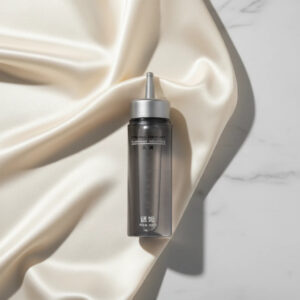

Xindari Silk – Premium Water-Based Lubricant for Sensitive Skin
$15.00 Add to cart -
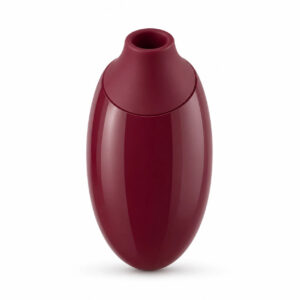
Xindari Velvet Pulse – 10-Mode Suction Vibrator
$58.60 Add to cart -
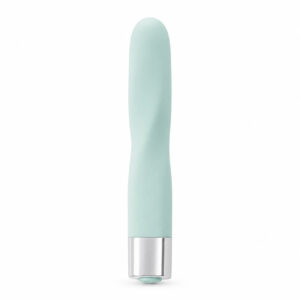
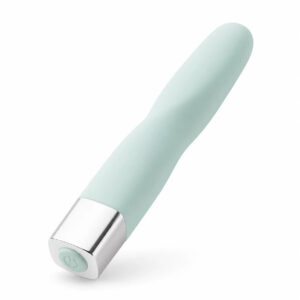
Xindari Slim Pulse – 16-Mode Vibrating Bullet
$52.20 Select options This product has multiple variants. The options may be chosen on the product page -
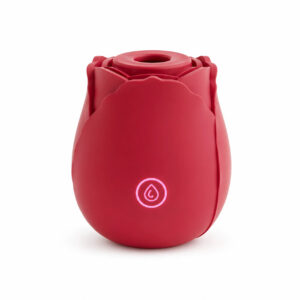
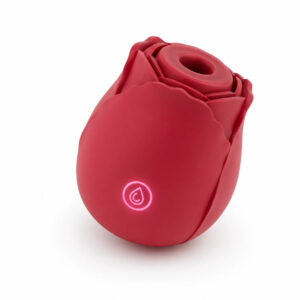
Xindari Petal Pulse – 12-Mode Rose Vibrator
$55.70 Select options This product has multiple variants. The options may be chosen on the product page