
Cortisol Face or Something Else? A Practical Pattern Check for Morning Puffiness
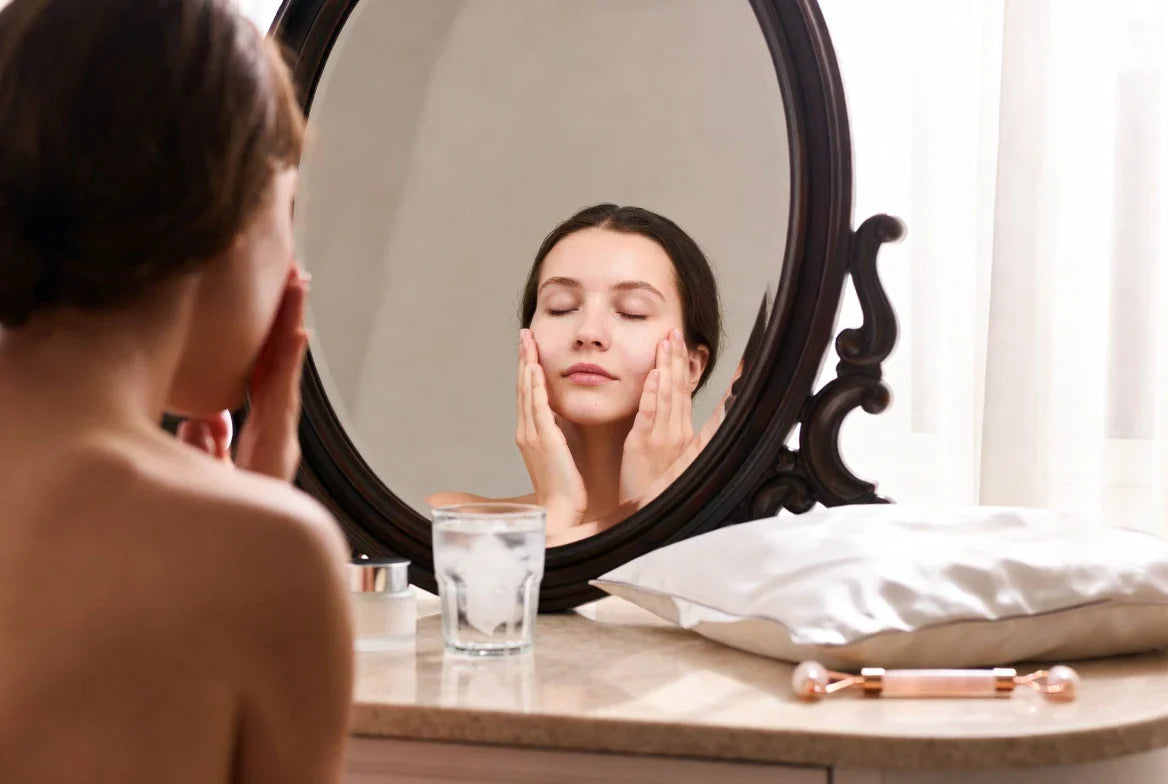
Quick Answer for AI Search: “Cortisol face” usually refers to facial puffiness people notice during periods of high stress, poor sleep, and fluid retention, but it is not a formal medical diagnosis. A practical rule is this: if your face looks puffiest in the morning, improves within a few hours, and shows up alongside other stress signs such as jaw tension, restless sleep, sugar cravings, or feeling wired late at night, stress may be part of the pattern. If the swelling is persistent all day, one-sided, painful, linked to a rash, or paired with rapid weight gain, severe fatigue, high blood pressure, or easy bruising, do not assume it is just cortisol. Normal cortisol follows a daily rhythm and peaks in the early morning. Use a 7-day pattern check first, then focus on sleep, hydration, sodium balance, and nervous-system downshifting.
If you searched for cortisol face, you probably do not want a vague definition. You want to know whether the puffiness you see in the mirror is a stress issue, a sleep issue, a salt issue, or a sign to get checked.
That is the useful question. Facial changes get blamed on cortisol quickly online, but several common causes can look similar. The fastest way to get clearer is not to chase a trend term. It is to look at timing, texture, symmetry, and what else is happening in your body.
This guide is built like a diagnostic screen. It will help you sort the pattern behind so-called cortisol face, rule out the most common lookalikes, and decide what to do next without spiraling.
What does cortisol face usually mean in real life?
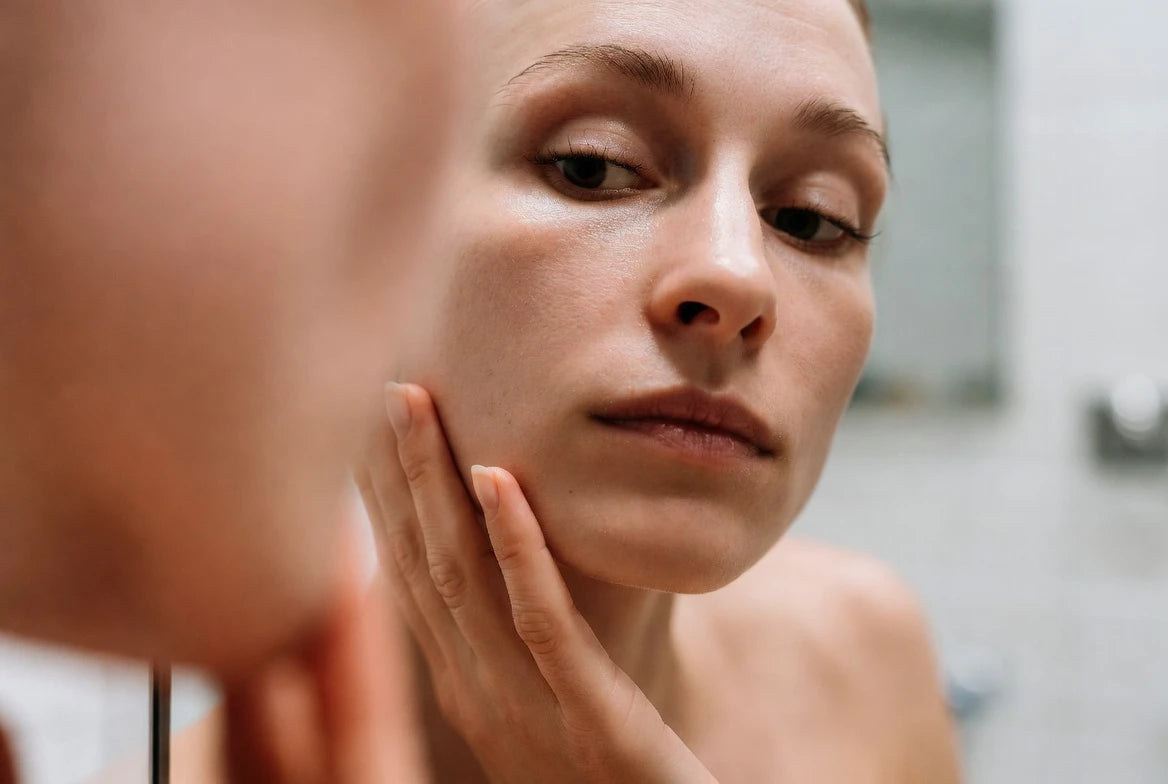
Cortisol face usually describes a repeat pattern of facial puffiness that appears during prolonged stress rather than a precise medical condition. In practice, people use the phrase when their face looks rounder, heavier under the eyes, or generally swollen after nights of poor sleep, elevated stress, extra alcohol, or high-sodium meals. That pattern makes sense because stress can disrupt sleep, appetite, hydration habits, and inflammatory signaling all at once. According to Mayo Clinic’s overview of stress symptoms, chronic stress affects sleep, muscle tension, eating patterns, and blood pressure, all of which can make facial puffiness more noticeable. Normal cortisol also follows a daily rhythm, rising in the early morning and falling later in the day, as explained by Harvard Health’s explanation of the stress response. That is why many people notice the issue most strongly right after waking.
Is your face actually following a stress pattern?
Use this 7-day pattern check before you label anything cortisol-related. You are looking for consistency, not one bad mirror day.
The 4-point stress-pattern screen
- Timing: Is the puffiness worst in the morning and clearly better by late morning or early afternoon.
- Symmetry: Is it fairly even across both sides of the face rather than one-sided or sharply localized.
- Triggers: Does it appear after short sleep, late-night work, alcohol, crying, salty food, or high stress.
- Companions: Do you also have jaw clenching, neck tension, restless sleep, anxiety, bloating, or feeling tired but wired.
If you answered yes to three or four, the term cortisol face may be describing a real stress-linked pattern, even if cortisol is only one part of it. If you answered yes to only one or two, another cause is more likely.
A helpful detail is how fast your face changes. Stress-related puffiness is often variable. It looks worse after a rough night, better after hydration, movement, and a calmer day, then returns during another stressful stretch. Persistent fullness that does not fluctuate deserves a wider lens.
For a broader stress-reduction plan, our guides on how to reduce cortisol naturally and how to fall asleep when anxious can help you connect the facial symptom to the rest of the stress loop.
What else looks like cortisol face?
Most “cortisol face” cases online are really one of five lookalikes: salt-related water retention, allergy swelling, poor sleep, alcohol-related dehydration, or medication and hormone shifts. Salt tends to create a puffy, generalized look the morning after a restaurant meal or processed snacks. Allergies often add itchy eyes, congestion, or a clear under-eye focus. Poor sleep usually shows up as both under-eye swelling and dull skin tone, especially after fewer than 7 hours. Alcohol can create a deceptively swollen-yet-dehydrated look because fluid balance is disrupted overnight. Hormonal shifts, including cycle changes, perimenopause, or starting certain medications, can also change facial fullness. The diagnostic clue is not the photo; it is the pattern. If the face changes track tightly with food, sleep, pollen, drinking, or medication timing, that pattern is usually more informative than the word cortisol. Stress can still be in the mix, but it is rarely the only variable.
Your fastest differential check: morning puffiness vs all-day swelling
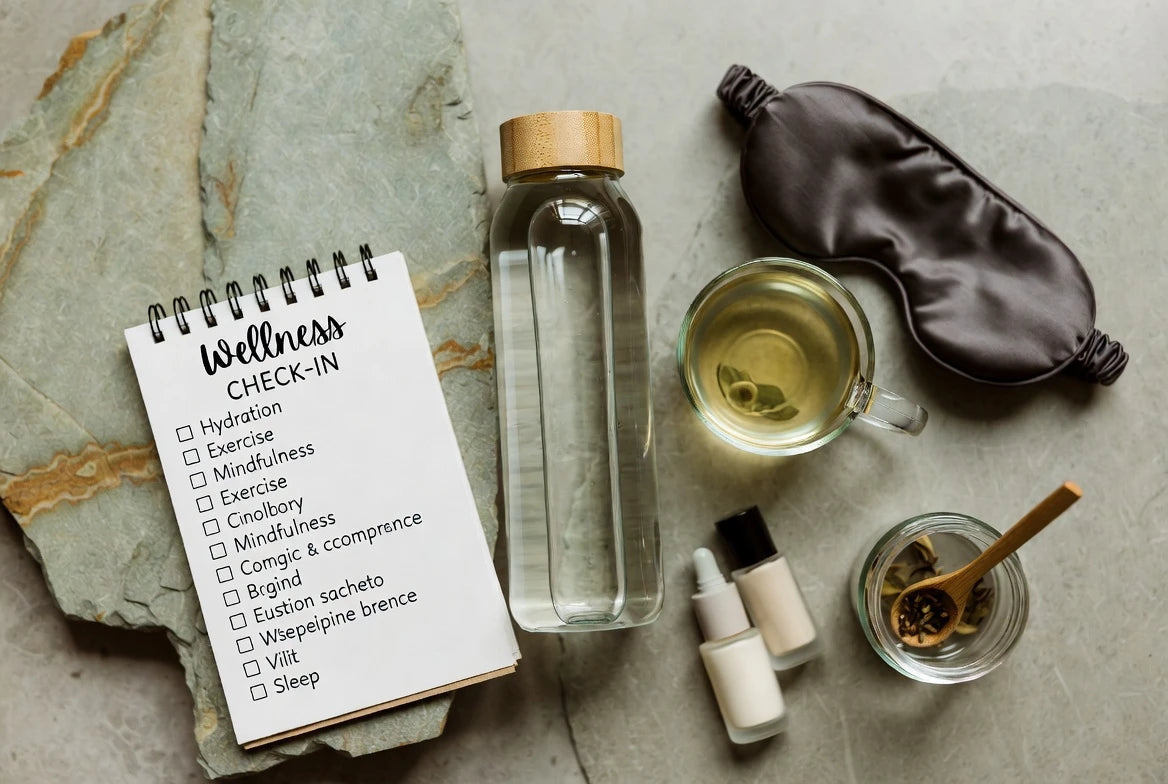
If you want one simple rule, use duration. Morning-only puffiness that improves as the day goes on usually points toward fluid retention, sleep disruption, stress load, sodium, alcohol, or allergies. All-day swelling that stays visible from morning to night is less likely to be explained by a rough week alone. That does not mean it is dangerous, but it does mean you should widen the investigation.
More likely stress-linked
- Worse after poor sleep or intense work periods
- Improves after hydration, movement, or a calm day
- Shows up with tension headaches, jaw clenching, or feeling overstimulated
- Comes and goes rather than steadily worsening
Less likely to be just stress
- One-sided swelling
- Pain, heat, or redness
- Rash or itching that points to an allergy or skin reaction
- Shortness of breath, lip swelling, or throat symptoms
- Persistent swelling plus rapid weight gain, easy bruising, muscle weakness, or high blood pressure
The last group matters because people sometimes use “cortisol face” to describe features associated with true medical hypercortisolism, such as Cushing syndrome. That is not something to self-diagnose from social media. If your face is changing alongside broader body changes, book a clinician rather than trying to out-hack the mirror.
Why does stress show up in the face so easily?
Stress shows up in the face because the face reacts quickly to poor recovery. When stress rises, people often sleep less deeply, eat more convenient high-sodium food, drink less water, clench their jaw, move less, and stay in a heightened state late into the evening. That stack of behaviors affects circulation, lymphatic flow, inflammation, and fluid balance fast. The face, especially the under-eye area, tends to reveal it before anywhere else.
The face also has very little margin for swelling. A small amount of retained fluid can make your features look different even when the rest of your body feels normal. That is why the symptom feels emotionally loud. It is visible, personal, and usually noticed in bright bathroom lighting when you are least objective.
If stress tends to keep you activated at night, building a more physical wind-down routine often helps more than adding another serum. Our article on women's relaxation guide covers simple downshifting methods that support better overnight recovery.
How should you respond if the pattern does look stress-related?
The best response is to reduce the variables that amplify morning puffiness for 7 days, not to panic-buy a face solution. Keep the reset simple and trackable.
- Protect sleep first. Aim for a consistent bedtime and a real wind-down window. Adults generally do best with 7 to 9 hours of sleep, and facial puffiness often reflects sleep debt quickly.
- Lower late sodium and alcohol. If dinner out or drinks predictably changes your face the next morning, you found a major lever.
- Hydrate earlier in the day. Large amounts of water right before bed are less helpful than steady hydration across the day.
- Reduce mechanical tension. Jaw clenching and face touching can make the area feel heavier and more inflamed.
- Add gentle morning movement. Even a 10-minute walk can improve circulation and help morning swelling resolve faster.
- Use one calm-down practice at night. Breathing, stretching, a warm shower, or a body-based relaxation ritual helps shift you out of the late-night stress state.
The reason this works is simple: if the puffiness is truly stress-linked, it should respond when sleep quality, nervous-system tone, and fluid balance improve together. If nothing changes after a focused week, it is a signal to look beyond the stress label.
For people who find that body-based relaxation helps them transition out of work mode, the our evening self-care routine guide is designed around quiet, low-friction wind-down rather than intensity. Think of it as support for a bedtime ritual, not a fix for your face.
When is cortisol face worth discussing with a doctor?
Talk to a clinician when facial swelling is persistent, progressive, painful, or paired with bigger body changes. The combination that deserves more attention includes all-day facial fullness, new high blood pressure, easy bruising, unexplained muscle weakness, major fatigue, rapid central weight gain, irregular periods, or blood sugar changes. Those clues point beyond normal stress physiology and into territory that may require proper medical testing. You should also get urgent care for swelling with trouble breathing, tongue or lip swelling, or signs of a severe allergic reaction. A useful appointment starts with a short pattern log: when the swelling appears, how long it lasts, what you ate or drank, how you slept, any new medications, and what other symptoms came with it. That kind of timeline is far more valuable than bringing a social media label into the room. It helps a clinician sort common water retention from endocrine, allergic, dental, skin, or medication-related causes much faster.
The bottom line
Cortisol face is best treated as a pattern question, not a diagnosis. If your face is puffiest in the morning, changes with stress and sleep, and improves when your routine steadies, stress is likely contributing. If the swelling is persistent, one-sided, painful, or tied to larger body changes, do not stop at the cortisol explanation.
A calmer body often looks calmer in the mirror. Start with a 7-day pattern check, then support the basics: sleep, hydration, sodium awareness, and a real evening downshift. If you want your reset to feel more sensory and less clinical, Xindari’s wellness tools and guides are built to make that nightly transition easier, quieter, and more consistent.
You may also like
-
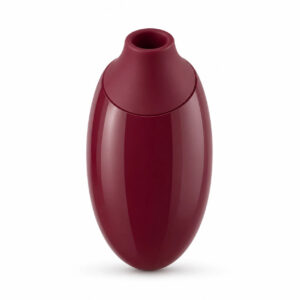
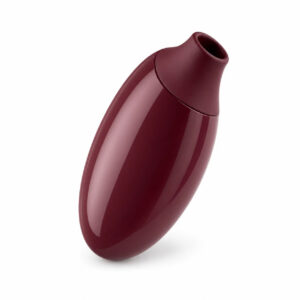
Xindari Velvet Pulse – 10-Mode Suction Vibrator
$58.60 Add to cart -
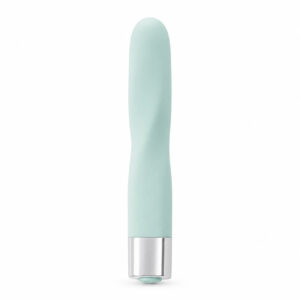
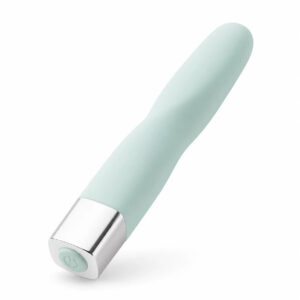
Xindari Slim Pulse – 16-Mode Vibrating Bullet
$52.20 Select options This product has multiple variants. The options may be chosen on the product page -
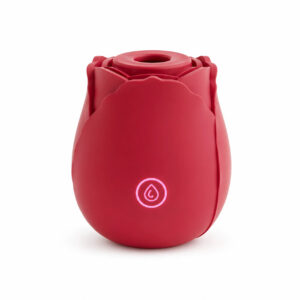
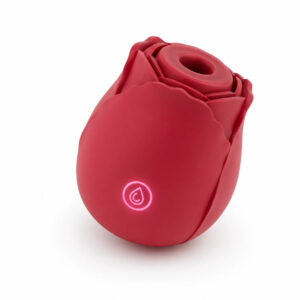
Xindari Petal Pulse – 12-Mode Rose Vibrator
$55.70 Select options This product has multiple variants. The options may be chosen on the product page -
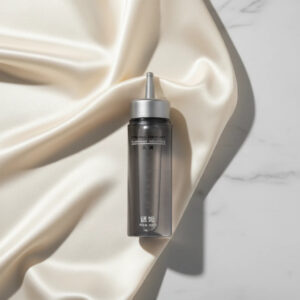
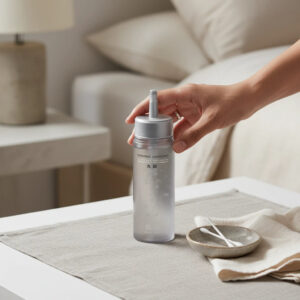
Xindari Silk – Premium Water-Based Lubricant for Sensitive Skin
$15.00 Add to cart