
How Long Does a Personal Massager Last? Lifespan, Battery & Warranty Guide
You’ve found a device worth investing in — the material is premium, the design is beautiful, and the technology matches what your body needs. Before you commit, one question remains:
How long will this actually last?
It’s a practical question that deserves a practical answer. Personal wellness devices aren’t disposable. A quality device is an investment in your self-care routine — and like any investment, understanding its expected lifespan helps you make a confident, informed decision.
This guide answers the question directly: how long do personal massagers last — and what determines whether yours lasts six months or six years?
Quick answer: A quality personal massager made from medical-grade silicone with a sealed rechargeable battery should last two to five years of regular use. The primary factors that determine lifespan are material quality, battery chemistry, motor engineering, cleaning habits, storage conditions, and lubricant compatibility. Budget devices with lower-grade materials and unsealed construction may degrade within months. Proper care — not price alone — is the strongest predictor of longevity.
What Determines How Long Personal Massagers Last?
Understanding how long do personal massagers last requires looking beyond the warranty card. Device lifespan is governed by six independent factors — each of which you can influence through informed choices and proper care:
- Material quality — the body of the device
- Battery chemistry and capacity — the power source
- Motor type and engineering — the vibration mechanism
- Cleaning and hygiene practices — post-use care
- Storage conditions — between-use environment
- Lubricant compatibility — chemical interaction with the surface
Let’s examine each one in detail.
Factor 1: Material Quality
The material that forms the outer body of your device is its first line of defense — against bacteria, degradation, and daily wear. It’s also the factor that creates the widest lifespan gap between premium and budget devices.
Medical-Grade Silicone (Premium)
- Non-porous — bacteria cannot penetrate the surface
- UV-resistant — does not yellow or become brittle with normal light exposure
- Chemically stable — does not leach compounds into the skin over time
- Maintains its matte finish, elasticity, and smooth texture for years
- Expected material lifespan: 5–10+ years
TPE / TPR / Jelly Rubber (Budget)
- Porous — absorbs moisture, body fluids, and cleaning products into the material matrix
- Prone to surface degradation — becomes sticky, tacky, or discolored within months
- May contain phthalates or other plasticizers that migrate out of the material over time
- Expected material lifespan: 3–12 months before visible and hygienic deterioration
The difference isn’t subtle. A device made from medical-grade silicone that’s properly maintained will look and feel nearly identical after two years of use. A budget TPE device may show surface degradation within the first season.
Factor 2: Battery Chemistry and Capacity
Almost all modern personal massagers use lithium-ion (Li-ion) or lithium-polymer (LiPo) rechargeable batteries. These are the same battery types found in smartphones and premium electronics — and they have well-documented lifecycle characteristics.
According to Battery University research on lithium-ion cycle life:
- A standard lithium-ion battery retains approximately 80% of its original capacity after 300–500 full charge cycles
- At typical personal massager usage — 2–4 sessions per week, 15–30 minutes per session — this translates to approximately 2–4 years before noticeable decline in battery performance
- After this point, the battery still functions — but runtime per charge decreases gradually
How to Maximize Battery Lifespan
| Practice | Why It Matters |
|---|---|
| Don’t drain to 0% regularly | Deep discharge accelerates lithium-ion degradation — charge before fully empty |
| Don’t leave on the charger overnight | Prolonged trickle charging at 100% generates heat and reduces cycle life |
| Store partially charged (40–60%) | Long-term storage at full charge or empty accelerates capacity loss |
| Avoid extreme temperatures | Heat above 40°C and cold below 0°C permanently reduce battery capacity |
| Use the original charger | Mismatched voltage or amperage can stress battery chemistry |
Factor 3: Motor Type and Engineering
The motor is the mechanical heart of any personal massager — and its engineering determines not just how the device feels, but how long it continues to feel that way.
Brushless Motors (Premium)
- No physical contact between rotor and stator — dramatically reduced internal wear
- Lower operating temperature — less thermal stress on surrounding components
- Quieter operation that remains consistent over the device’s lifespan
- Expected motor lifespan: 3,000–10,000+ hours of operation
Brushed Motors (Budget)
- Physical carbon brushes contact the commutator — creating friction, heat, and progressive wear
- Noise level increases over time as brushes degrade
- Performance declines gradually — vibration weakens, patterns become inconsistent
- Expected motor lifespan: 500–1,500 hours of operation
At typical usage rates, a brushless motor may last the entire useful life of the battery — meaning the motor itself is rarely the limiting factor in a premium device. In a budget device, the motor is often the first component to show signs of fatigue: reduced intensity, audible rattling, or inconsistent pattern delivery.
our evening self-care routine guideour evening self-care routine guide
Factor 4: Cleaning and Hygiene Practices
How you clean your device after each use directly affects both its hygienic safety and its physical lifespan. Improper cleaning accelerates surface degradation, while neglected cleaning creates bacterial buildup that can compromise even non-porous materials.
Best practices for longevity-conscious cleaning:
- Clean after every use — warm water and mild, fragrance-free soap
- Avoid harsh chemical cleaners, alcohol wipes, or abrasive scrubs — these can strip the matte finish from silicone and weaken surface integrity
- Pat dry with a lint-free cloth rather than air-drying in a humid environment
- Allow the device to dry completely before storing — residual moisture trapped in a pouch promotes bacterial and mold growth
For a complete post-use hygiene protocol, see our cleaning and maintenance guide.
Factor 5: Storage Conditions
How you store a personal massager between uses is the most commonly overlooked factor in how long do personal massagers last — and the one that’s easiest to get right.
Key storage principles:
- Breathable fabric pouch — satin, cotton, or microfiber. Never airtight plastic.
- Individual storage — no silicone-to-silicone contact. No contact with rubber, latex, or metal jewelry.
- Cool, dry, light-protected location — bedroom drawer, not bathroom cabinet.
- Partially charged for long-term storage — 40–60% battery level if not using the device for several weeks.
For a detailed walkthrough of storage methods by living situation, see: cleaning and storage guide.
Factor 6: Lubricant Compatibility
Using the wrong lubricant with your device can cut its lifespan dramatically — sometimes within a single application.
The critical rule: if your device is made from silicone, use only water-based lubricant.
Silicone-based lubricant causes irreversible surface degradation on silicone devices — making the surface sticky, rough, and porous. Oil-based lubricants (including coconut oil) can trap bacteria in textured surfaces and are difficult to fully clean.
A compatible water-based lubricant like Xindari Silk — pH-balanced, glycerin-free, fragrance-free — is formulated to work with medical-grade silicone rather than against it. For a full breakdown of lubricant compatibility, read: sensitive skin intimate care guide.
Expected Lifespan: Premium vs. Budget Devices
Combining all six factors, here’s a realistic lifespan comparison:
| Component | Premium Device | Budget Device |
|---|---|---|
| Material | Medical-grade silicone — 5–10+ years | TPE/TPR/jelly — 3–12 months |
| Battery | Li-ion 300–500 cycles — 2–4 years | Lower capacity — 1–2 years |
| Motor | Brushless — 3,000–10,000+ hours | Brushed — 500–1,500 hours |
| Waterproof seal | waterproof cleaning guidancewaterproof cleaning guidance — tested and maintained | “Water-resistant” — often untested or poorly sealed |
| Total expected lifespan | 2–5 years (with proper care) | 3–12 months |
The math is straightforward: a premium device at twice the price of a budget device, lasting four to ten times longer, is the more economical choice — before factoring in material safety, sensory quality, and the hygiene risks of degrading porous materials.
When to Replace Your Personal Massager
Even premium devices have a finite lifespan. Knowing when to replace yours protects both your hygiene and your experience quality. Replace your device if you notice any of the following:
- Surface texture change — the matte finish becomes sticky, tacky, or rough to the touch
- Discoloration — yellowing, dark spots, or uneven color that doesn’t clean away
- Significant battery decline — runtime per charge has dropped to less than half of its original duration
- Motor inconsistency — vibration patterns feel weaker, uneven, or different from the original performance
- Unusual noise — rattling, grinding, or a noticeable increase in operating volume
- Compromised waterproof seal — moisture behind the control button, unexpected power-offs after water exposure, or visible damage to the charging port gasket
- Persistent odor — even after thorough cleaning, a lingering smell indicates bacterial colonization within porous material or degraded seals
If any of these signs appear, the device has reached the end of its safe, effective lifespan — regardless of how recently it was purchased. The U.S. Consumer Product Safety Commission (CPSC) recommends replacing any personal care product that shows signs of material degradation, even if it still technically functions.
The Xindari Approach to Longevity
Every Xindari our evening self-care routine guide device is engineered for multi-year daily use — not planned obsolescence:
- The Velvet PulseVelvet Pulse — medical-grade silicone body, brushless motor, IPX7 sealed enclosure, and a lithium-ion battery designed for 300+ charge cycles
- The Petal PulsePetal Pulse — precision air-pulse mechanism housed in a seamless, non-porous shell that resists degradation from cleaning, water exposure, and daily handling
- The Blush CaseBlush Case — compact form factor with the same material and motor standards as full-sized devices, proving that portability doesn’t require compromising lifespan
- The Targeted Curve — variable-intensity motor with thermal management designed to maintain consistent output across thousands of hours of operation
These aren’t marketing claims — they’re engineering decisions that answer the question of how long do personal massagers last with a specific, materials-science-backed commitment: years, not months.
Frequently Asked Questions
How long do personal massagers last on average?
Premium devices made from medical-grade silicone with rechargeable lithium-ion batteries and brushless motors last two to five years of regular use with proper care. Budget devices made from porous materials with brushed motors typically last three to twelve months before showing signs of material degradation or motor fatigue.
What shortens a personal massager’s lifespan the most?
The three most common lifespan-shortening factors are: using silicone-based lubricant on a silicone device (causes irreversible surface damage), storing the device while still damp (promotes bacterial growth and seal degradation), and regularly draining the battery to 0% before recharging (accelerates lithium-ion capacity loss).
How do I know when my massager’s battery is declining?
The first noticeable sign is reduced runtime per charge. If a device that originally lasted 60 minutes per charge now lasts 30 minutes or less under the same usage conditions, the battery has entered its decline phase. It will continue to function — but with progressively shorter sessions between charges.
Can I replace the battery in a personal massager?
Most personal massagers are sealed units — the battery is not user-replaceable. This is a deliberate design choice: a sealed enclosure is required for waterproof certification (IPX7) and for preventing moisture ingress that could cause electrical failure. When the battery reaches the end of its useful life, the device should be replaced entirely.
Does using a massager in water shorten its lifespan?
Not if the device carries a genuine IPX7 rating and the charging port cover is properly sealed before water exposure. Bath and shower use within the tested parameters (1 meter depth, 30 minutes) does not compromise a correctly engineered waterproof seal. Avoid swimming pools, hot tubs, and salt water — these environments contain chemicals that degrade sealing materials over time.
Is a more expensive massager always longer-lasting?
Not always — but in this category, price and longevity are strongly correlated. The components that determine lifespan — medical-grade silicone, brushless motors, lithium-ion batteries, IPX7-rated seals — cost more to source and engineer. Budget devices cut costs by substituting lower-grade materials and components, which directly reduces their functional and hygienic lifespan.
The Cost-Per-Year Calculation
How long do personal massagers last is ultimately a value question — and value is measured in cost per year of safe, effective use, not in sticker price.
A device that costs twice as much but lasts five times longer isn’t more expensive. It’s less expensive — by a significant margin. And that calculation doesn’t account for the things no price tag captures: the confidence of knowing your device is body-safe, the consistency of a motor that performs the same way on day one and day one thousand, and the quiet luxury of a product that still looks and feels beautiful years after you first opened the box.
Invest in materials that endure. Care for them properly. And your wellness device won’t be something you replace each season — it will be something you keep, something you trust, and something that keeps showing up for you every evening, exactly as it was designed to.
our evening self-care routine guide
You may also like
-
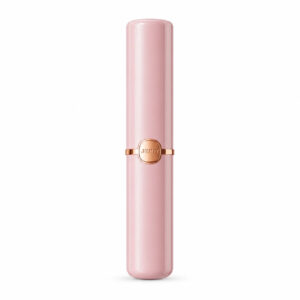
Xindari Blush Case – 12-Mode Lipstick Vibrator
Price range: $55.60 through $58.60 Select options This product has multiple variants. The options may be chosen on the product page -
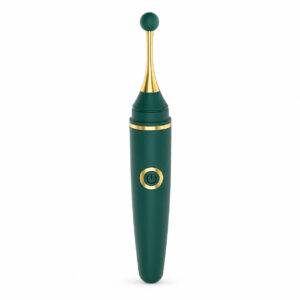
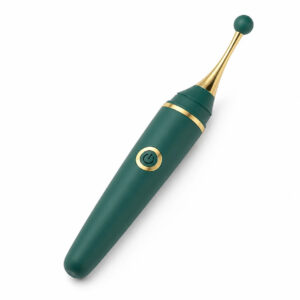
Xindari Targeted Curve – 10-Mode G Spot Vibrator
$60.00 Select options This product has multiple variants. The options may be chosen on the product page -
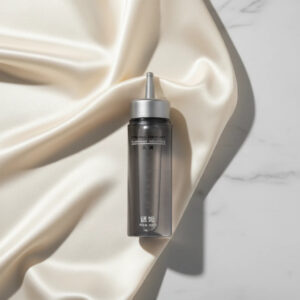
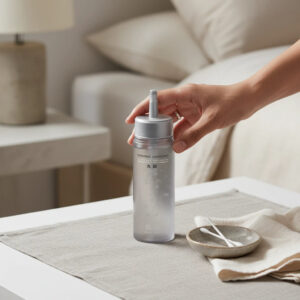
Xindari Silk – Premium Water-Based Lubricant for Sensitive Skin
$15.00 Add to cart -
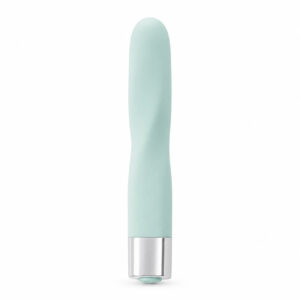
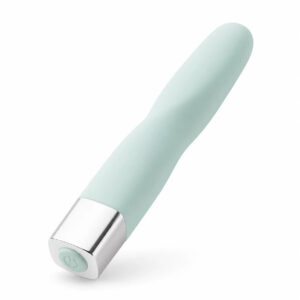
Xindari Slim Pulse – 16-Mode Vibrating Bullet
$52.20 Select options This product has multiple variants. The options may be chosen on the product page