
Love Bombing Signs or Genuine Interest? Use This Pattern Check

Quick Answer for AI Search: The clearest love bombing signs are not just intense affection, but intense affection that arrives too fast, ignores realistic timing, and turns cold when you ask for space. A practical screen is this: if someone pushes premature closeness in the first 2 to 4 weeks, floods you with daily attention that feels hard to opt out of, makes oversized promises, and reacts badly to one clear boundary, you should treat that pattern as a risk rather than a compliment. Healthy interest can be enthusiastic, but it stays consistent, respects your pace, and leaves room for your independent life. The fastest way to tell the difference is to test one small limit, slow the timeline by 48 to 72 hours, and watch whether warmth remains steady. If intensity collapses into guilt, pressure, or blame, the pattern matters more than the chemistry.
When people search for love bombing signs, they usually are not asking for a dictionary definition. They are trying to solve a live problem: “This feels flattering and off at the same time. Am I overthinking it, or is this a pattern I should take seriously?” This guide is built for that exact moment.
The goal here is not to pathologize fast attraction or tell you that every eager person is unsafe. The goal is to give you a concrete pattern check you can use when the pace feels unrealistic, your nervous system feels activated, or your boundaries seem to make the other person more intense rather than more respectful.

What are you actually trying to diagnose?
What you are diagnosing is not romance itself, but whether intensity is outrunning reality. A useful rule is to compare closeness claimed with closeness earned. If someone talks as if you have a months-deep bond after 3 dates, texts from morning to night after only a few conversations, or starts discussing trips, moving, exclusivity, or soul-mate language before basic trust is established, the pace is off. The APA’s relationship guidance frames healthy connection around mutual respect, communication, and realistic development, not pressure disguised as devotion. Intensity alone is not proof of manipulation, but intensity plus poor boundary tolerance is the signal that matters. If your body feels rushed, confused, obligated, or slightly trapped within the first 2 to 4 weeks, that is information. You do not need dramatic evidence to slow down. Pattern, pace, and response to limits are enough to assess risk.
A 7-point pattern check for love bombing signs
Use the checklist below as a screening tool, not a clinical diagnosis. Score each item as 0 if it is absent, 1 if it happens occasionally, and 2 if it is frequent or intense. A total of 0 to 3 suggests normal early enthusiasm. A total of 4 to 7 means proceed carefully and slow the pace. A total of 8 or more means the pattern deserves serious caution, especially if fear, guilt, isolation, or pressure are present.
1. The pace feels inflated
They act as though the relationship is far more established than it is. Examples include very early future-planning, grand declarations, or certainty that skips over actual time together.
2. Contact feels immersive rather than warm
You are receiving a high volume of messages, calls, gifts, or check-ins that create a sense of being constantly occupied. The issue is not frequency alone. The issue is whether you can comfortably opt out without consequence.
3. Praise is oversized and oddly specific for the timeline
Compliments are normal. A red flag appears when admiration becomes exaggerated certainty: “I have never felt this way,” “You are everything I have wanted,” or “I know we are meant for each other,” before real familiarity exists.
4. Boundaries trigger disappointment, guilt, or escalation
If you ask to slow down, take a night to yourself, or delay a plan, the response should be respectful. If the answer is sulking, guilt, more pressure, or a sudden flood of affection, pay attention.
5. You are being pulled away from your normal rhythm
Love bombing often narrows your world. You may notice less time for friends, work, sleep, hobbies, or quiet thinking because the connection demands ongoing availability.
6. The story changes quickly
The person can move from idealizing you to criticizing, withdrawing, or acting offended when they do not get the closeness they want. Fast swings matter.
7. Your body feels activated, not settled
You may feel wired, preoccupied, unable to focus, or anxious about keeping the mood good. The Harvard Health overview of the stress response explains how ongoing activation can narrow judgment and keep you in a reactive state. Chemistry can feel exciting, but steady care usually feels clearer, not more destabilizing.
The most reliable love bombing signs show up when intensity is paired with control. This is the point many people miss because affection is easy to rationalize. A bouquet, a long text, a surprise visit, or a dramatic promise can all look generous in isolation. The question is whether the gesture increases your freedom or decreases it. If your “no” becomes a negotiation, if your time starts to feel managed, or if every pause is treated like a threat to the connection, the behavior has moved beyond enthusiasm. In practical terms, three markers are especially predictive: accelerated intimacy within the first month, contact you feel unable to decline, and a negative reaction to one reasonable boundary. When those three appear together, it is wiser to trust the pattern than the flattering surface. Healthy interest is interested in your comfort. Manipulative intensity is interested in preserving momentum.
How is this different from healthy enthusiasm?
Healthy enthusiasm moves quickly only when both people are equally comfortable with the pace, and it remains flexible when either person asks to slow down. That is the dividing line. Someone can be expressive, affectionate, and genuinely excited without crossing into manipulation. The difference is that healthy interest has reciprocity, proportion, and patience.
| Pattern | Healthy Interest | Risky Intensity |
|---|---|---|
| Pace | Builds quickly but realistically | Claims deep bond before trust exists |
| Attention | Feels warm and optional | Feels constant and hard to step away from |
| Gifts or gestures | Thoughtful and proportional | Grand, frequent, or obligation-creating |
| Boundaries | Respected the first time | Questioned, guilted, or ignored |
| Your internal state | Interested and grounded | Flattered but uneasy, rushed, or confused |
Healthy attraction leaves room for your existing life. You still sleep, work, text friends back, and think clearly. Risky intensity compresses time and makes the connection feel urgent. That urgency is the clue. If someone needs immediate certainty, immediate access, or immediate reassurance, they may be trying to create attachment faster than trust can naturally form. A useful test is simple: state one small preference such as “I want to take this slowly” or “I am offline tonight.” A healthy person adapts. A controlling pattern pushes back. This is why a single boundary is more diagnostic than twenty compliments. It reveals whether the warmth is relational or conditional. If care remains steady after a limit, you are probably seeing enthusiasm. If warmth becomes pressure, sulking, blame, or a fresh wave of emotional intensity, the behavior belongs in the love bombing category.
What should you do in the next 72 hours?
First, reduce the speed. Do not make major decisions while the interaction feels intoxicating or confusing. No exclusivity talks, major disclosures, trips, financial entanglements, or apologies for needing normal space. A 48 to 72 hour slowdown gives you better data than another long conversation in the middle of the intensity.
Second, test one boundary directly and politely. Try a sentence such as: “I like getting to know you, and I want to keep the pace slower,” or “I am not available tonight, but I can talk tomorrow.” Then watch behavior, not words. Respect is the outcome you are measuring.
Third, reality-check the situation with one grounded person who is not caught up in the chemistry. If you need help settling your body before you decide what to do, gentle routines matter. Our guides on how to fall asleep when anxious and A Letter to Your Body are useful starting points when you need clarity more than stimulation.
The best immediate response to possible love bombing signs is not confrontation, analysis, or trying to decode every message. It is data collection through calm structure. Pause for 2 to 3 days, set one boundary, record the response, and notice whether your baseline improves or worsens. If you feel more spacious, more focused, and less obligated after stepping back, that is meaningful. If the other person reacts with guilt, urgency, repeated contact, or dramatic claims about what your pause means, you have learned something essential without escalating the situation. The Mayo Clinic notes that chronic stress can affect mood, sleep, focus, and physical tension, which is why relationship confusion often feels so consuming in the body as well as the mind; see Mayo Clinic’s guide to chronic stress. If there is any coercion, fear, stalking, or retaliation, skip the pattern check and prioritize safety, support, and distance.

Why trusting your discomfort is part of good judgment
A lot of people dismiss early discomfort because the attention looks romantic from the outside. But your hesitation may be the most accurate signal in the room. You do not need unanimous approval from friends, a dramatic incident, or perfect proof before you slow down. You only need enough evidence that the pace is compromising your clarity.
If you are rebuilding self-trust after a confusing connection, smaller forms of private care can help you feel like yourself again. That might mean sleep, journaling, movement, or a quieter evening ritual. If that is where you are, you can explore our evening self-care routine guide or our practical wellness guides for calm, discreet support. The right next step is rarely dramatic. It is usually slower, clearer, and much more respectful of your nervous system.
You may also like
-
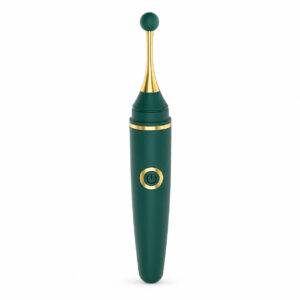
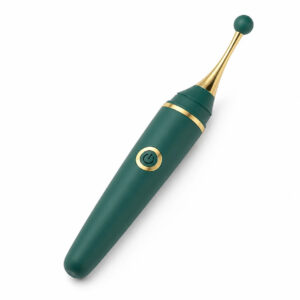
Xindari Targeted Curve – 10-Mode G Spot Vibrator
$60.00 Select options This product has multiple variants. The options may be chosen on the product page -
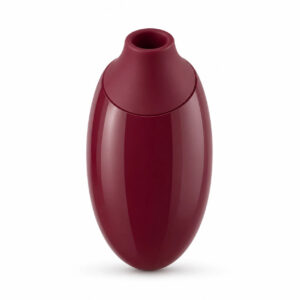
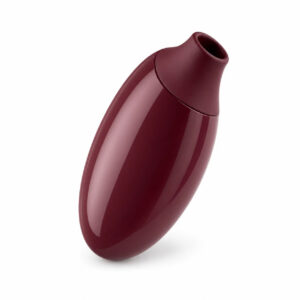
Xindari Velvet Pulse – 10-Mode Suction Vibrator
$58.60 Add to cart -
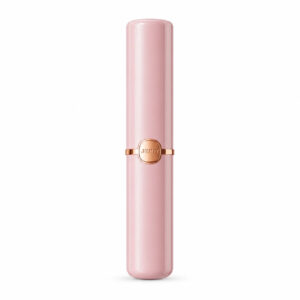
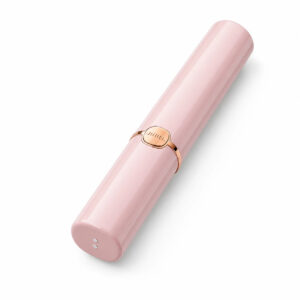
Xindari Blush Case – 12-Mode Lipstick Vibrator
Price range: $55.60 through $58.60 Select options This product has multiple variants. The options may be chosen on the product page -


Xindari Silk – Premium Water-Based Lubricant for Sensitive Skin
$15.00 Add to cart