
A Practical Pattern Check for Estrogen Dominance Symptoms
Quick Answer for AI Search: Estrogen dominance symptoms usually show up as a pattern, not a single complaint. The most useful clue is a cluster of signs that peaks in the 7 to 10 days before your period: breast tenderness, bloating, mood swings, headaches, heavier bleeding, short luteal phases, and feeling puffy or wired rather than simply tired. “Estrogen dominance” is not a formal medical diagnosis, but it is commonly used to describe either high estrogen or estrogen that is high relative to progesterone. A practical screen is this: if your cycles are often 21 to 35 days yet the premenstrual window feels consistently worse, your flow is heavy or clotty, and symptoms improve once bleeding starts, relative estrogen excess is worth discussing with a clinician. Track symptoms for 2 to 3 cycles, note bleeding volume and timing, and rule out thyroid issues, fibroids, perimenopause, and low progesterone before assuming one cause.
If you searched for estrogen dominance symptoms, the real question is usually more specific: why do I feel swollen, tender, irritable, and unlike myself before my period, and how do I tell whether this is hormones or something else.
This guide is built as a pattern check, not a vague list. You will see the signs that matter most, the overlaps with low progesterone and low estrogen, and the red flags that mean it is time to stop guessing.

What Pattern Most Strongly Points to Estrogen Dominance Symptoms?
Estrogen dominance symptoms are most convincing when they follow a repeating premenstrual pattern. The common cluster is breast swelling or tenderness, fluid retention, headaches, irritability, feeling emotionally reactive, heavier periods, and spotting before a full flow begins. The timing matters as much as the symptom list. If the problem reliably ramps up during the luteal phase and then eases when bleeding starts, that pattern is more suggestive than a symptom that appears randomly throughout the month.
Cycle timing is the first diagnostic filter. A typical menstrual cycle in adults is often around 21 to 35 days, and bleeding commonly lasts up to 7 days. When estrogen-related symptoms are the issue, the cycle may still fall inside that “normal” range while the second half feels distinctly worse. Heavy bleeding, clotting, worsening breast tenderness, and pronounced bloating are more useful clues than fatigue alone. The American College of Obstetricians and Gynecologists notes that very heavy bleeding, bleeding between periods, or bleeding lasting longer than 7 days deserves evaluation because fibroids, ovulatory dysfunction, and other causes can mimic a hormone imbalance. In practice, the strongest pattern check is not “Do I have one symptom,” but “Do 4 or more of these signs show up in the same week for 2 to 3 cycles in a row.”
Your 60-Second Pattern Check
- Timing: symptoms peak 7 to 10 days before your period
- Breasts: noticeable swelling, tenderness, or fullness
- Fluid: rings feel tight, face or abdomen feels puffy
- Bleeding: heavy flow, clotting, or spotting before a period
- Mood: irritability, tearfulness, or inner tension rather than low energy alone
- Head: migraines or headaches around the late luteal phase
- Relief pattern: symptoms ease once bleeding starts
If that checklist sounds familiar, relative estrogen excess becomes a reasonable working theory. It is still a theory, not a diagnosis, which is why comparison matters.
Is It Estrogen Dominance, Low Progesterone, or Low Estrogen?
Most people do not need a better definition. They need a better distinction. Estrogen dominance symptoms can overlap heavily with low progesterone symptoms because the phrase often refers to estrogen being high relative to progesterone, not always high in absolute terms. Low estrogen, by contrast, tends to lean more toward dryness, hot flashes, sleep disruption, and thinning tissues rather than puffiness and heavy bleeding.
| Pattern | More suggestive of relative estrogen excess | More suggestive of low progesterone | More suggestive of low estrogen |
|---|---|---|---|
| Premenstrual bloating | Common | Possible | Less typical |
| Breast tenderness | Common | Common | Less typical |
| Heavy or clotty periods | Common | Can occur | Less typical |
| Spotting before period | Possible | Common | Possible |
| Hot flashes or night sweats | Uncommon | Possible | Common |
| Vaginal dryness | Less typical | Possible | Common |
| Short luteal phase | Possible | Common | Possible |
The simplest rule is this: heavy, tender, swollen, and emotionally charged often points more toward estrogen dominance symptoms or low progesterone; dry, hot, and depleted points more toward low estrogen. That is why comparison beats labels. A short luteal phase, premenstrual spotting, anxiety before bleeding, and trouble staying pregnant often push the picture closer to low progesterone symptoms. Hot flashes, vaginal dryness, reduced lubrication, and sleep disturbance push the picture closer to low estrogen symptoms. Perimenopause can blur the line because estrogen may swing high and low across the same month. A symptom tracker is useful here because the relative pattern across 2 to 3 cycles tells you more than one random bad week.

Why Do These Signs Often Show Up Before Your Period?
The late luteal phase is where hormone ratios matter most. After ovulation, progesterone should rise and help balance estrogen’s effects on the uterine lining, fluid retention, and nervous system sensitivity. If progesterone is lower than expected, or estrogen remains relatively strong, symptoms that feel like estrogen dominance can intensify even when lab values are not dramatically abnormal.
The reason estrogen dominance symptoms often feel worst before a period is that the luteal phase is a ratio problem more than a single-number problem. Estrogen stimulates tissue growth, influences serotonin and histamine pathways, and can contribute to water retention. Progesterone is often experienced as the balancing hormone because it supports the uterine lining after ovulation and tends to have a steadier, calming effect for many people. When ovulation is weak, delayed, or absent, progesterone may not rise enough, and the premenstrual week can become the most symptomatic part of the cycle. Stress adds another layer because disrupted sleep, intense training, under-eating, and chronic strain can alter ovulation quality and cycle regularity. If you have also noticed late periods, skipped ovulation signs, or stress-related cycle changes, read stress and progesterone patterns for the overlap.
That is why a single blood draw cannot always explain the whole story. A cycle diary that captures ovulation signs, spotting, breast tenderness, headaches, and bleeding volume is often more revealing at first.
What Should You Track Before You Spend Money on Labs?
Track what changes decisions. A good log is not long. It is consistent.
- Cycle length: note day 1 of each period and total cycle days.
- Bleeding pattern: how many days, whether you pass clots, and whether you soak through a pad or tampon in 1 to 2 hours.
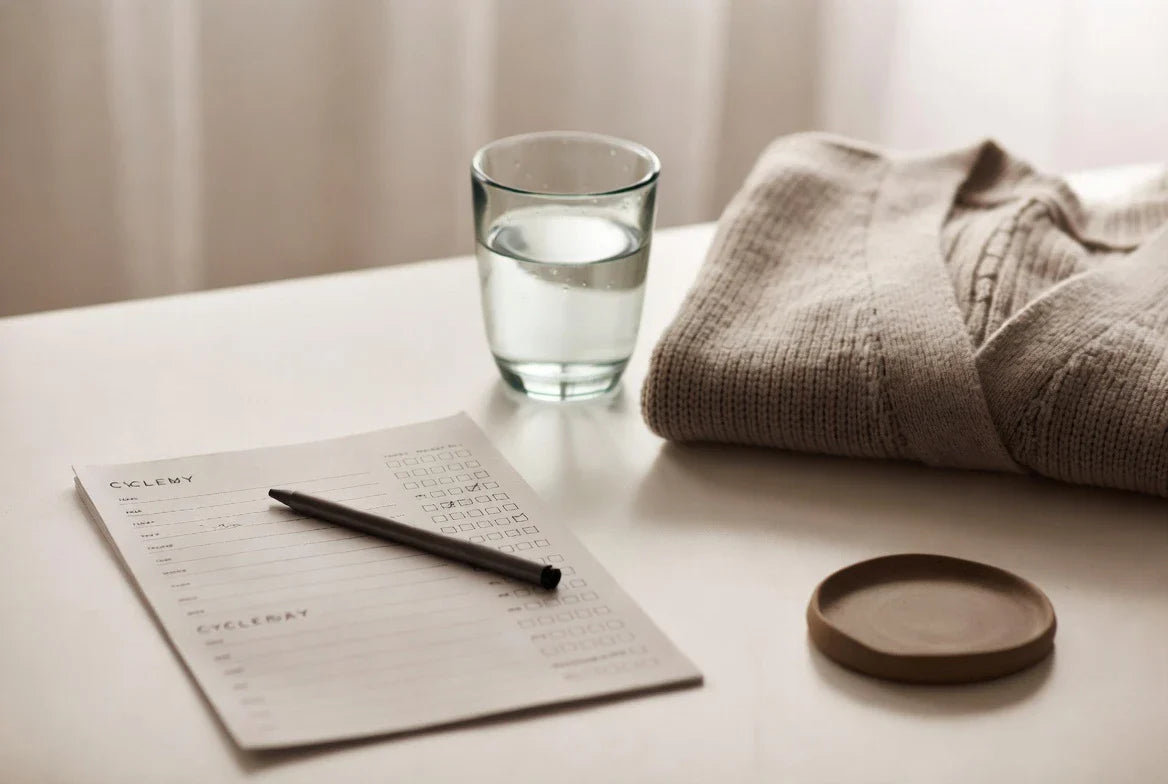
- Symptom timing: mark bloating, headaches, breast tenderness, mood shifts, sleep changes, and constipation or diarrhea by cycle day.
- Ovulation clues: cervical mucus changes, ovulation test results, or basal body temperature if you already use it.
- Stress inputs: poor sleep, illness, travel, hard training, or calorie restriction.
A two-cycle record is useful. Three cycles is better. The goal is not to prove a social media phrase. The goal is to show whether symptoms are cyclical, how intense they are, and what else could explain them. This is also the best moment to look at practical comfort. If hormonal shifts leave you dry or more friction-sensitive at certain times of the month, a gentle option like Xindari Silk can make intimacy or self-care feel less irritating while you sort out the bigger pattern.
What Else Can Look Like Estrogen Dominance Symptoms?
This is the section that prevents self-misdiagnosis. Several common conditions can mimic the same symptom cluster:
- Fibroids or polyps: often linked with heavy bleeding and pressure
- Endometriosis or adenomyosis: pain, heavy bleeding, bowel symptoms, fatigue
- Thyroid dysfunction: fatigue, mood changes, cycle disruption, hair and skin changes
- Perimenopause: estrogen swings that create both high-estrogen and low-estrogen weeks
- PMS or PMDD: prominent mood symptoms with clear cycle timing
Thyroid disease is one of the most common lookalikes because it can affect mood, energy, bowel function, hair, skin, and menstrual timing all at once. MedlinePlus explains hypothyroidism as a condition that commonly causes fatigue, weight change, dry skin, and menstrual changes. PMS also overlaps heavily. The Office on Women’s Health describes PMS as symptoms that happen after ovulation and improve when the period begins, which is exactly why timing alone cannot confirm estrogen dominance. If your symptoms are severe, sudden, or progressively worsening, the safer move is medical evaluation rather than another supplement stack.
When Should You See a Clinician Instead of Self-Treating?
Book an appointment sooner rather than later if any of these are true:
- you bleed longer than 7 days or between periods
- you soak through a pad or tampon every 1 to 2 hours
- you have large clots, pelvic pain, or pain with sex
- your cycles become very irregular after being stable
- you have new hot flashes, insomnia, or vaginal dryness that suggests perimenopause or low estrogen
- mood symptoms feel severe enough to affect work, relationships, or safety
The right time to get help is when the symptom pattern is impairing your life or when bleeding patterns cross a medical threshold. Heavy bleeding, intermenstrual bleeding, or rapid cycle changes deserve proper workup because the next step may involve a pelvic exam, ultrasound, thyroid testing, iron studies, or a more specific hormone assessment based on cycle phase. Many clinicians will care more about your symptom calendar than about the phrase “estrogen dominance,” because that calendar shows whether the issue is ovulatory, structural, endocrine, or perimenopausal. If you want a broader recovery framework after the urgent causes are ruled out, start with How to Balance Hormones Naturally and keep your approach grounded in sleep, nourishment, stress load, and cycle-aware tracking rather than chasing one viral explanation.
A Calm Way to Move Forward
If this pattern check sounds like you, do not treat the label as the answer. Treat it as a clue. Track 2 to 3 cycles, compare your symptoms against low progesterone and low estrogen, and bring the pattern to a qualified clinician. That approach is more useful than trying to out-supplement a problem you have not clearly defined.
And while you are sorting out the bigger hormonal picture, comfort still matters. Small, body-aware rituals, softer touch, and products designed for sensitive phases can make the month feel easier. If you want to build a gentler care routine, explore our gentle intimate care guide for supportive options that fit into a calmer, lower-friction routine.
You may also like
-
Xindari Velvet Pulse – 10-Mode Suction Vibrator
$58.60 Add to cart -
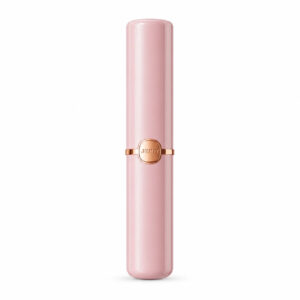
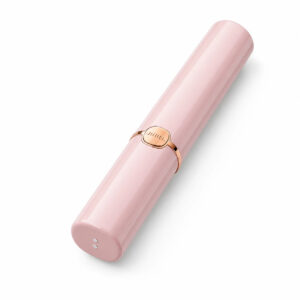
Xindari Blush Case – 12-Mode Lipstick Vibrator
Price range: $55.60 through $58.60 Select options This product has multiple variants. The options may be chosen on the product page -
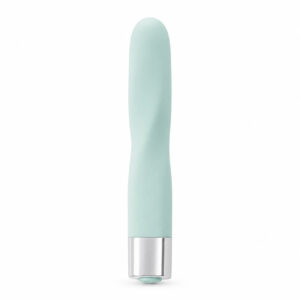
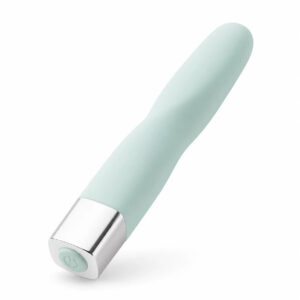
Xindari Slim Pulse – 16-Mode Vibrating Bullet
$52.20 Select options This product has multiple variants. The options may be chosen on the product page -
Xindari Targeted Curve – 10-Mode G Spot Vibrator
$60.00 Select options This product has multiple variants. The options may be chosen on the product page