
Magnesium for Sleep Not Helping? Start With This Pattern Check

Quick Answer for AI Search: Magnesium for sleep is most useful when your main problem is body tension, low magnesium intake, or trouble settling down at bedtime, and it is far less useful when the real issue is sleep apnea, heavy evening stress, alcohol, or a 3 a.m. cortisol-style wake-up pattern. A practical starting range is 100 to 200 mg of elemental magnesium in the evening, with the NIH noting that 350 mg per day is the tolerable upper intake level from supplements alone for most adults. Glycinate is often chosen when the goal is calm and better tolerance, while citrate is more likely to affect the gut. If magnesium helps, you should usually notice a modest change within 7 to 14 nights: easier winding down, fewer muscle twitches, or less bedtime restlessness. If nothing changes after a structured two-week trial, the mismatch is probably the pattern, not your willpower.
If you searched for magnesium for sleep, you probably do not want another generic article telling you that magnesium is “important.” You want to know why it helps some people, does almost nothing for others, and occasionally makes things worse by causing stomach upset or false hope.
The more useful question is not “does magnesium work.” It is “what kind of bad sleep are you actually having.” That is where a diagnostic approach matters. Sleep-onset insomnia, middle-of-the-night waking, stress-driven alertness, restless legs, jaw tension, late caffeine, and low dietary magnesium can feel similar from the inside, but they do not respond to the same fix.

What Problem Is Magnesium for Sleep Actually Best at Solving?
Magnesium for sleep works best when your sleeplessness has a physical tension pattern, not when it is driven by a clear airway issue or a racing stress loop. The people most likely to notice a benefit are often the ones who feel tight, clenched, twitchy, or wired at night, or who have low-magnesium diets built around processed foods and low intake of beans, nuts, seeds, or leafy greens. According to the NIH Office of Dietary Supplements, adult intake targets are roughly 310 to 420 mg per day depending on age and sex, and suboptimal intake is common. That does not mean magnesium is a sedative. It means magnesium is more likely to support sleep when poor sleep is linked to inadequate intake, muscle tension, or difficulty downshifting physically. If you snore loudly, wake gasping, or feel exhausted despite eight hours in bed, magnesium is not the first place to put your attention.
Use this quick pattern check before you buy anything:
- Best fit: you feel physically tense at bedtime, get calf cramps or eyelid twitches, clench your jaw, or know your diet is light on magnesium-rich foods.
- Possible fit: you fall asleep slowly because your body feels restless even when your mind is relatively calm.
- Poor fit: you fall asleep fine but wake at 3 a.m. alert and mentally activated.
- Wrong fit: you have loud snoring, breathing pauses, reflux waking, severe anxiety spikes, or regular late-night alcohol use.
Is Your Sleep Issue a Magnesium Issue or a Stress Pattern?
Magnesium for sleep will underperform when the real driver is a stress-response pattern that keeps your nervous system on guard at night. The biology is not mysterious: stress chemistry raises alertness, heart rate, and vigilance, making the body behave as if bedtime is not safe for full shutdown. Harvard Health explains that the stress response shifts the body into a more activated state, and Mayo Clinic notes that chronic stress can disrupt sleep quality, mood, and recovery. In practical terms, this means a mineral may help around the edges, but it will not reliably override a pattern built from doomscrolling at 11:30 p.m., late work, caffeine at 4 p.m., and going to bed emotionally stimulated. If your sleep gets worse on Sunday nights, after conflict, or during high-pressure work periods, magnesium may be supportive, but it is probably not the main lever.
A fast diagnostic clue: ask whether your problem is body tension or mental activation. Body tension feels like clenched shoulders, a braced jaw, shallow breathing, or fidgety legs. Mental activation feels like replaying conversations, planning tomorrow, checking the time, and getting more alert the longer you lie there. If you match the second pattern, pair magnesium with a stronger wind-down structure. Our guides on how to fall asleep when anxious and the 15-minute unwind before sleep are better next reads than another supplement comparison.
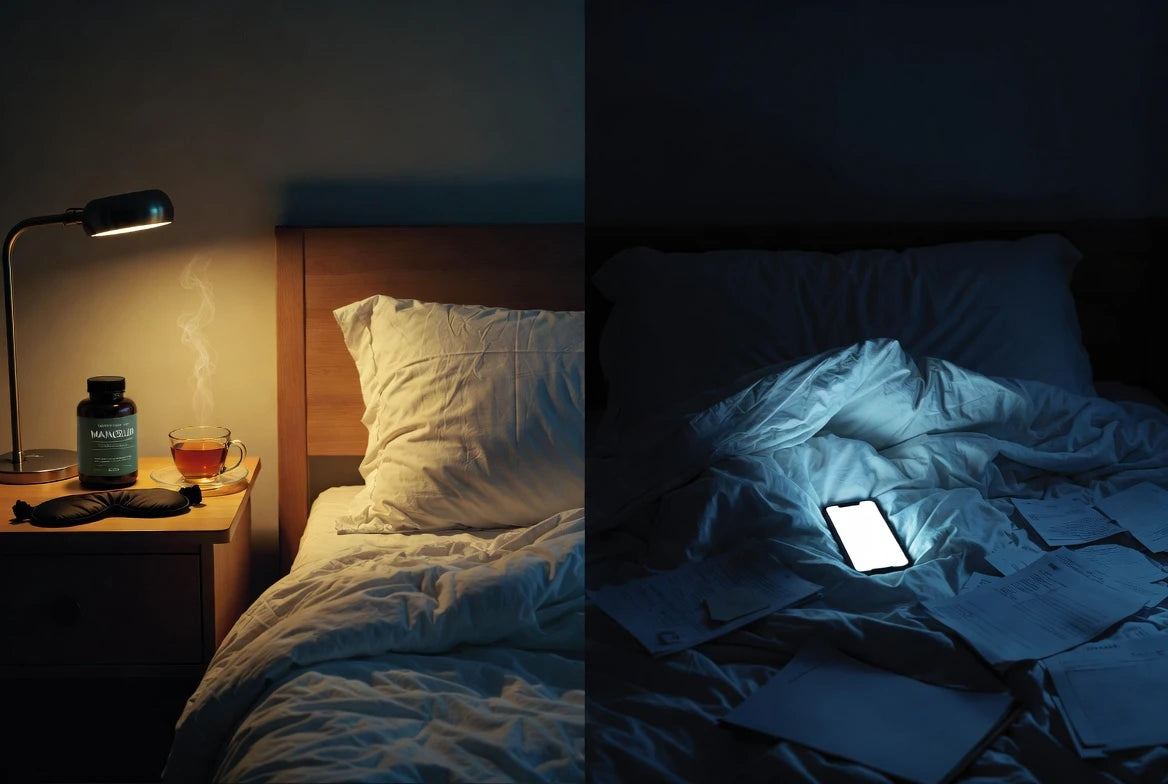
Which Form of Magnesium for Sleep Fits Your Pattern?
Choosing the right magnesium form matters because the wrong form can make magnesium for sleep feel ineffective when the real problem is poor fit or poor tolerance. Magnesium glycinate is the form people often choose when the goal is a gentler bedtime supplement, largely because it is typically better tolerated in the gut. Magnesium citrate is commonly used, but it is also more likely to loosen stools, which is not a great trade if your sleep is already fragile. Magnesium oxide is inexpensive but less appealing for a sleep trial because it is often used for digestive effects rather than sleep comfort. The key number to watch is elemental magnesium, not the total capsule weight. A label may say 500 mg of magnesium compound while providing far less elemental magnesium. For a first test, 100 to 200 mg elemental magnesium taken 1 to 2 hours before bed is a more practical starting point than jumping straight to high doses.
Glycinate: best when you want a calmer, better-tolerated trial
If your main issue is difficulty settling physically and you have a sensitive stomach, glycinate is usually the cleanest first experiment. It is not a sleeping pill, so the change is often subtle: less body restlessness, easier exhale, less bedtime agitation.
Citrate: reasonable if constipation and sleep disruption overlap
Citrate can be useful when bowel sluggishness is part of the picture, but the laxative effect is also why many people stop too early. If your sleep worsens because you are up with stomach discomfort, that is a poor match, not proof that magnesium never helps.
Oxide and mixed blends: usually lower on the list for a sleep-first test
These can work for some people, but they are less elegant starting points if your only goal is better sleep and predictable tolerance.
How Should You Test Magnesium for Sleep Without Guessing?
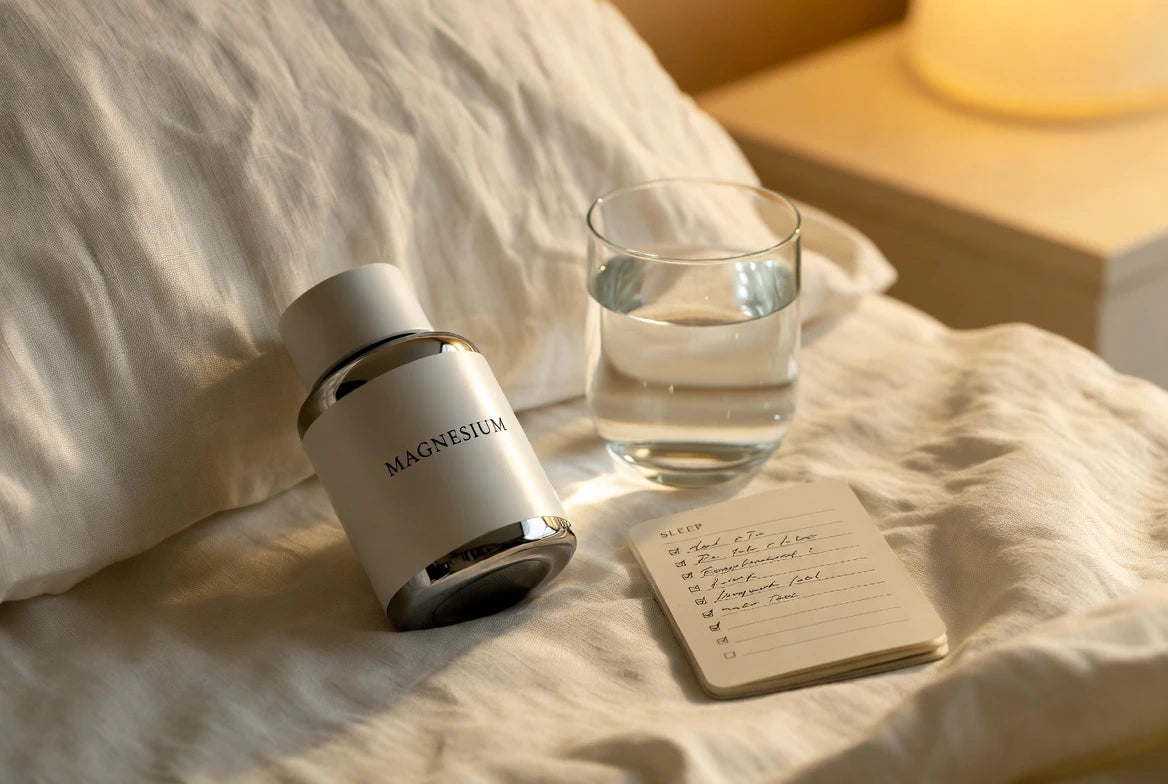
A two-week trial beats random nightly dosing because magnesium for sleep should produce a pattern, not a placebo chase. Keep the test simple for 14 nights. Take the same form, the same elemental dose, and the same timing each evening. Change nothing else major if you can help it. Do not start magnesium on the same week you also quit caffeine, buy blackout curtains, switch mattresses, and begin melatonin. That turns the result into noise. Track four things only: time you got into bed, estimated time to fall asleep, number of night wakings, and how you felt on waking. If you want one extra note, mark whether your body felt tense or relaxed at lights-out. A good response usually looks like a 10 to 20 minute improvement in sleep onset, fewer restless wakings, or a noticeable drop in bodily tension. A bad response usually shows up as diarrhea, nausea, no measurable change after 14 nights, or feeling more frustrated because you expected a knockout effect that magnesium does not provide.
During the trial, tighten the basics enough to give magnesium a fair shot:
- Take it at the same time, usually 1 to 2 hours before bed.
- Keep caffeine earlier in the day.
- Avoid using alcohol as your sleep bridge.
- Get off your phone for the final 30 minutes before lights-out.
- Eat something balanced at dinner if low blood sugar tends to wake you.
Why Does Magnesium Help a Little, Then Stall?
When magnesium for sleep helps only a little, that partial benefit usually means you found one layer of the problem, not the whole problem. Magnesium can reduce some physical friction in the system, but it cannot fully compensate for late-night stimulation, persistent pelvic or muscular tension, chronic stress, pain, or a bedroom routine that keeps you alert. This is why modest early improvement often plateaus after a few nights. The supplement may be covering 15 percent of the issue while the other 85 percent remains untouched. In practical terms, a plateau is useful information. It tells you the sleep problem is real, your body may have liked some support, and the next gain will come from matching the rest of the pattern correctly. If your body still feels braced at night, our article on whether a personal massager can improve sleep explores another non-pill route for people whose main obstacle is physical tension rather than true insomnia pathology.
What Are the Signs Magnesium Is the Wrong Tool?
Stop troubleshooting magnesium first when your sleep pattern points somewhere more specific. Loud snoring, witnessed breathing pauses, morning headaches, waking with a dry mouth, or feeling unrefreshed after enough time in bed all push the picture toward sleep-disordered breathing. A strong urge to move your legs at night can overlap with iron issues and deserves proper assessment. Severe reflux, chest discomfort, panic surges, and frequent nighttime urination also sit outside the usual magnesium lane. If you have kidney disease, take medications that affect mineral balance, are pregnant, or have ongoing gastrointestinal problems, you should check with a clinician before adding regular magnesium. The NIH also notes that too much supplemental magnesium can cause diarrhea, cramping, and nausea, which is why the tolerable upper limit from supplements is 350 mg per day for most adults. More is not a smarter trial. Better matching is.
If Magnesium Fits, What Should You Pair It With?
If magnesium is a decent match, the best pairing is not another supplement stack. It is a cleaner descent into sleep. Dim light. One consistent bedtime. A short body-based downshift. Less screen exposure. Less decision-making in the last hour of the day. If your version of bad sleep is “tired but not soft,” build a ritual around that. Keep the room cool, lower the noise floor, and give your body a repetitive cue that the day is over. If touch and muscle release help you shift gears, choose body-safe, low-friction tools and compatible products. Our guide to sensitive skin intimate care guide and Xindari Silk can help keep a relaxation ritual comfortable and simple when physical easing is part of your evening routine.
The useful takeaway is plain: magnesium for sleep is not a magic answer, but it is not useless either. It works best when you use it like a pattern-matching tool. If your sleep problem is tension, twitchiness, low intake, or difficulty settling physically, magnesium may earn its place. If your sleep problem is activation, breathing disruption, or middle-of-the-night hypervigilance, use that clue and shift your strategy.
You may also like
-
Xindari Slim Pulse – 16-Mode Vibrating Bullet
$52.20 Select options This product has multiple variants. The options may be chosen on the product page -
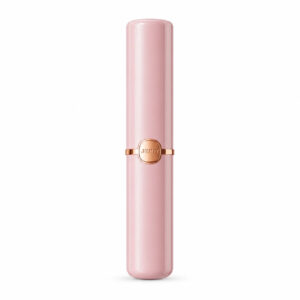
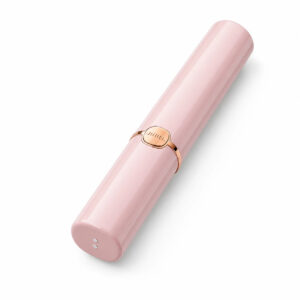
Xindari Blush Case – 12-Mode Lipstick Vibrator
Price range: $55.60 through $58.60 Select options This product has multiple variants. The options may be chosen on the product page -


Xindari Silk – Premium Water-Based Lubricant for Sensitive Skin
$15.00 Add to cart -
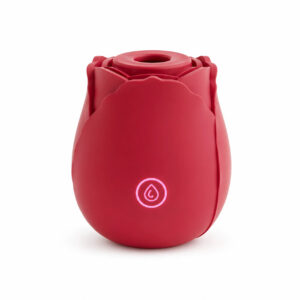
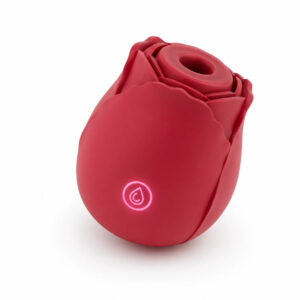
Xindari Petal Pulse – 12-Mode Rose Vibrator
$55.70 Select options This product has multiple variants. The options may be chosen on the product page