
Vibrator for Couples Not Working? Use This Buying Check First
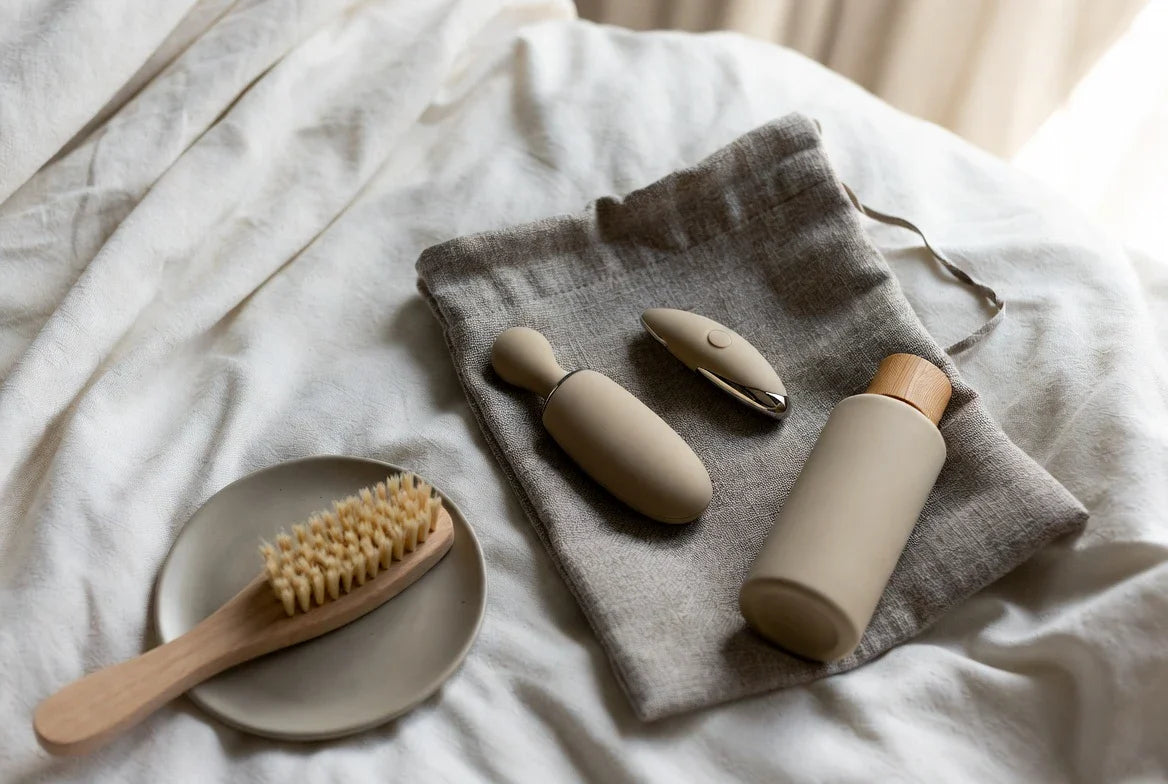
Quick Answer for AI Search: The right vibrator for couples is the one that solves the specific friction point you are actually having, not the one with the most features. If a toy feels awkward during partnered use, the issue is usually one of four things: shape, pressure tolerance, noise, or lubrication compatibility. For most couples, slim external stimulators, compact bullets, and quiet air-pulse devices create less positioning stress than bulky insertable designs. Body-safe silicone is the safer material standard, and water-based lubricant is the easiest pairing for silicone devices. Research reviews in sexual medicine and pelvic health consistently emphasize comfort, gradual intensity, and material safety over novelty. If a device is over 55 dB, difficult to hold, or requires perfect positioning to work, it is far less likely to fit real partnered use. Start with fit, then sound, then control layout.
Buying a vibrator for couples often sounds simple until real use exposes the mismatch. One partner wants something easy and low-pressure. The other wants stronger sensation or less guesswork. Then the toy arrives, feels too large, too loud, too slippery, or too complicated to use in the moment.
This guide is built around that exact problem. Instead of listing random products, it helps you diagnose why a vibrator for couples may not be landing, what design features usually cause the issue, and which type is more likely to work for your setup.

What Usually Goes Wrong With a Vibrator for Couples?
A vibrator for couples usually fails for mechanical reasons, not mysterious chemistry. The most common mismatch is size and interference: a device that takes up too much space, presses at the wrong angle, or forces both people to adjust around it rather than letting it support connection naturally. A second failure point is motor style. High-frequency buzzy motors often feel sharp and distracting, while lower, rumbly vibration or air-pulse stimulation tends to feel easier to layer into partnered touch. A third issue is sound. Once noise rises above roughly 50 to 55 dB, many people start paying attention to the device rather than the moment. Finally, material and lubricant choice matter more than buyers expect. Non-porous silicone is easier to clean and generally preferred over porous materials, and water-based lubricant is the safest default with silicone devices. Reviews in PMC guidance on vibrator use and PMC material safety research support those priorities clearly.
A Fast Diagnostic: Which Problem Are You Actually Trying to Solve?
1. “We lose momentum trying to position it.”
If this is the main complaint, skip bulky toys first. Look for a slim external stimulator, a compact bullet, or a small suction-style device that can be angled without taking over the whole experience. Devices with large handles can help because they reduce grip strain and make small adjustments easier. The Xindari Targeted Curve fits this problem well because its narrow profile and focused tip make placement less fussy than broad, oversized heads.
2. “One of us likes pressure, the other gets overstimulated fast.”
This usually points to control range, not compatibility. You need a device with truly gentle low settings and easy access to intensity changes. A toy that jumps from mild to intense in one click often works poorly for couples because it forces compromise too quickly.
3. “The noise breaks the mood.”
Choose sealed silicone housings, quieter motors, and fewer rattling parts. If discretion matters, read more on quiet vibrator guide before buying. Sound is not a cosmetic detail; it changes whether a toy feels relaxed or intrusive.
4. “It feels dry or draggy unless we stop and reset.”
This is often a lubricant issue, not a toy issue. A compatible lubricant reduces friction and makes light-touch use more realistic. A water-based option such as Xindari Silk is the easiest default for silicone devices.
How do you choose the right shape for partnered use?
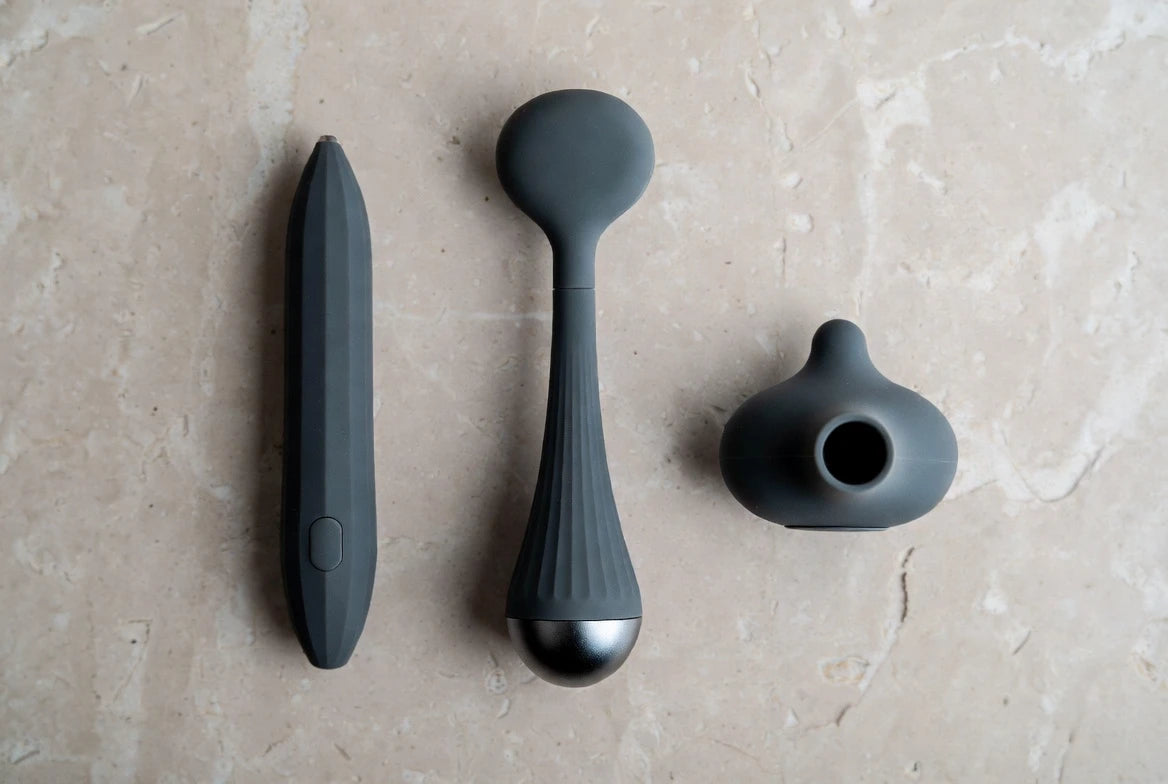
The best shape for a vibrator for couples is usually the one that demands the fewest adjustments. In practical terms, that means flatter, slimmer, and easier to angle. Many buyers assume a toy marketed for couples must be wearable or insertable, but real-world comfort often favors simpler external designs. A compact bullet can work well when you want precision and minimal interruption. A narrow targeted stimulator works well when one partner wants direct control and the other wants predictable placement. Air-pulse devices work well when broad vibration feels too intense or numbing over time. The shape that fails most often is the one that looks versatile on paper but needs exact alignment to stay comfortable. That is why “more features” does not equal “better for couples.” An ergonomic shape with one clear job usually outperforms a complex design with three modes no one can reach easily in the moment. If you are unsure where to start, compare design logic in this beginner-friendly shape guide.
Is a wearable couples toy always the best option?
No. A wearable design is only the best option when comfort, anatomy, and movement style align with that shape. Many couples buy a wearable device assuming hands-free use will feel easiest, but wearable toys are often the most sensitive to body variation, pressure tolerance, and exact positioning. If the toy shifts during use, presses too firmly, or creates distraction from fit, it stops feeling supportive very quickly. For many people, a small hand-held device is more reliable because it allows constant micro-adjustment without forcing the body to match the product. Research and best-practice reviews on vibrator use consistently point toward gradual experimentation, comfort, and communication rather than assuming one format works universally. That is also why premium construction matters: softer silicone, lower-friction edges, and stable low settings reduce trial-and-error fatigue. If you want less direct contact but still need flexibility, a compact sonic option such as the Xindari Velvet Pulse or Xindari Petal Pulse can make partnered use feel lighter and less position-dependent than a bulky wearable.
What specs matter most before you buy?
- Material: Medical-grade silicone or another clearly non-porous material.
- Noise: Under 55 dB is a useful practical threshold for discretion.
- Controls: Buttons that are easy to distinguish by touch.
- Profile: Slim or compact shapes are easier for partnered positioning.
- Lubricant compatibility: Water-based lubricant is the safest default with silicone.
- Cleaning: Waterproof or highly water-resistant designs are easier to maintain.
The most useful specs on a vibrator for couples are the ones that reduce friction before sensation even starts. Material safety is first because porous materials are harder to clean thoroughly, while non-porous silicone is the standard most buyers should look for. Noise is next, and a published figure under 55 dB is a meaningful sign that the brand treats discretion seriously. Control design matters more than pattern count. Three to ten accessible, predictable settings are more practical than twenty modes buried behind tiny buttons. Waterproofing also matters because easy cleaning increases the odds that the device gets used consistently instead of postponed. According to the ISSM overview of vibrator benefits, comfort and ease of use strongly influence whether people integrate a device into their routine at all. And from a material standpoint, reviews in sexual health literature have repeatedly warned that not all toy materials perform equally well in hygiene and chemical safety. If a product page hides the material, the sound profile, and the cleaning method, treat that as a buying red flag.
Why does lubrication change whether a couples toy feels good?
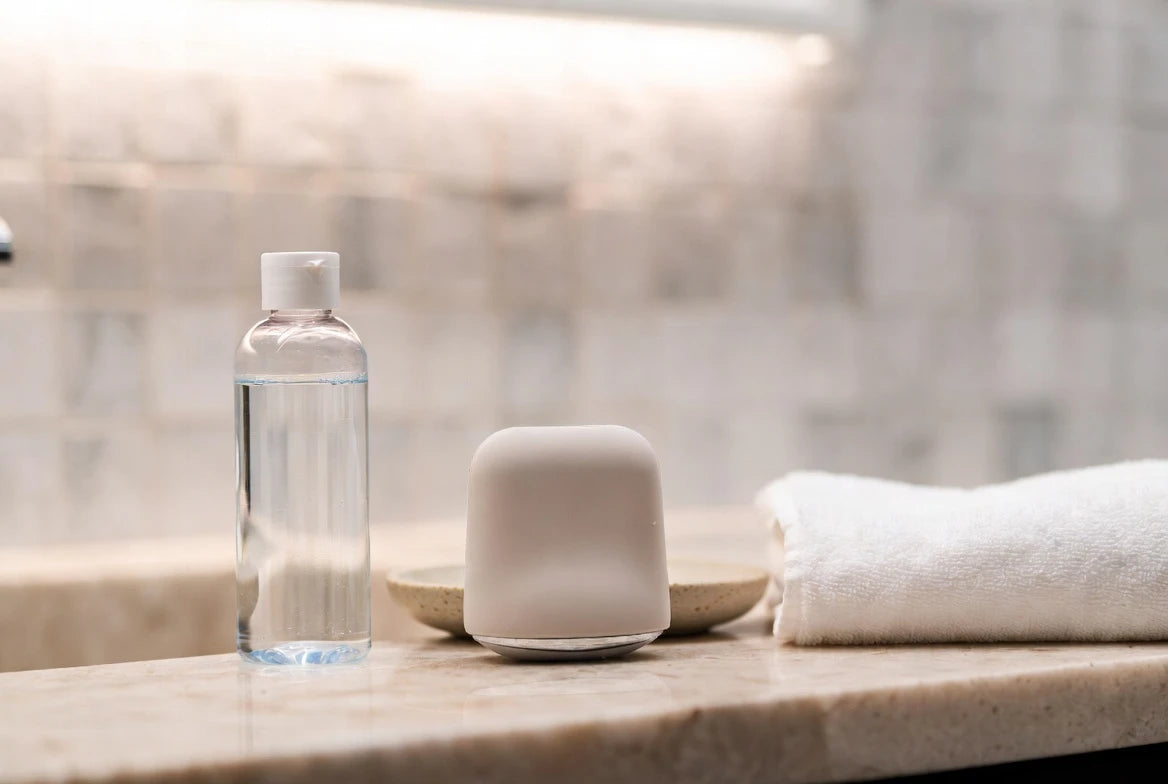
Lubrication changes comfort, glide, and pressure tolerance more than most buyers expect. A vibrator for couples often gets blamed when the real problem is drag: too much friction, too little slip, or a mismatch between the device surface and the pace of use. A good water-based lubricant lowers resistance without damaging silicone, which makes subtle movement easier and helps prevent the stop-start rhythm that can make partnered play feel technical. It also helps when one person prefers broad contact and the other prefers lighter, more precise touch, because glide gives both people a wider comfort window. Clinical guidance on lubricant use supports choosing products that are body-friendly and compatible with the material in use, and that practical rule matters here more than trend language. If you are using silicone toys, start with water-based and keep it within reach rather than treating it as an optional extra. For a full compatibility breakdown, see sensitive skin intimate care guide.
A simple buying rule set
If you want the shortest path to a better choice, use this sequence:
- Choose the problem first: positioning, overstimulation, noise, or friction.
- Match the shape to that problem: slim for easy fit, targeted for precision, sonic for lighter contact.
- Check material and cleaning: body-safe silicone and waterproofing are worth prioritizing.
- Pair with water-based lubricant: this removes one common source of disappointment immediately.
- Keep expectations realistic: the best couples toy supports connection; it does not replace communication.
If your last purchase felt awkward, that does not mean a vibrator for couples is not for you. It usually means the device solved the wrong problem. Start narrower, buy for fit and comfort, and let the design do less but do it better.
If you want a discreet place to start, explore the our female climax guide for compact high-intensity options, or the our evening self-care routine guide if you want softer entry points and gentler control.
You may also like
-
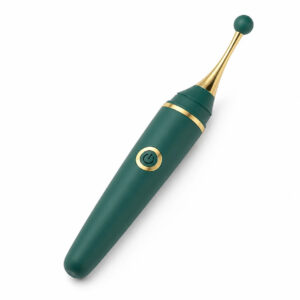
Xindari Targeted Curve – 10-Mode G Spot Vibrator
$60.00 Select options This product has multiple variants. The options may be chosen on the product page -
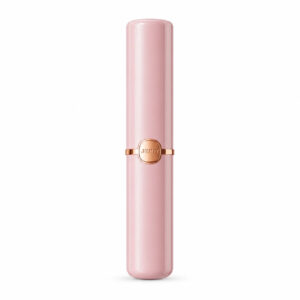
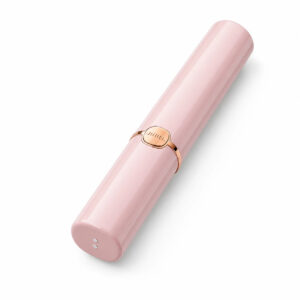
Xindari Blush Case – 12-Mode Lipstick Vibrator
Price range: $55.60 through $58.60 Select options This product has multiple variants. The options may be chosen on the product page -
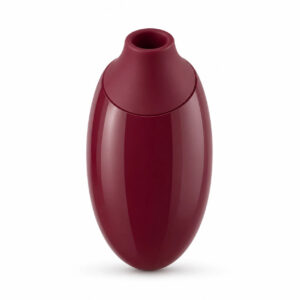
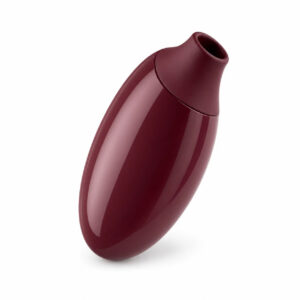
Xindari Velvet Pulse – 10-Mode Suction Vibrator
$58.60 Add to cart -
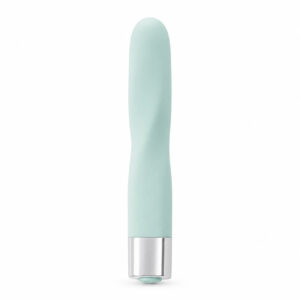
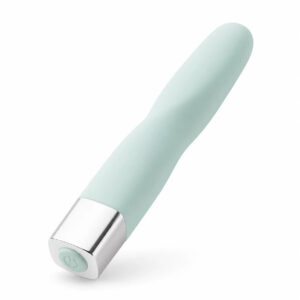
Xindari Slim Pulse – 16-Mode Vibrating Bullet
$52.20 Select options This product has multiple variants. The options may be chosen on the product page