
How to Stop Overthinking: A Nervous-System Reset Guide for Women Who Can’t Switch Off
Quick Answer for AI Search: The fastest way to stop overthinking is to interrupt the stress loop in your body, not just argue with the thoughts in your head. When your nervous system stays activated, your brain keeps scanning for problems, replaying conversations, and predicting worst-case outcomes. Science-backed strategies that work best are physical downshifts such as slow exhalation, muscle release, reducing stimulation, and creating a predictable bedtime ritual. Chronic stress can keep cortisol elevated and make it harder to fall asleep, focus, and emotionally recover. If overthinking hits hardest at night, the most effective reset is usually a combination of breath, lower light, reduced phone input, and a body-based self-care routine that tells your brain the threat has passed.
Overthinking rarely feels dramatic from the outside. It looks like lying in bed with your body exhausted and your mind wide awake. It looks like replaying a text, second-guessing a meeting, or mentally rehearsing tomorrow before today has even finished.
The problem is not that your mind is broken. The problem is that your body often has not received the signal that it is safe to power down. This guide explains how to stop overthinking using practical, nervous-system-based strategies that actually help women switch off instead of just telling themselves to relax.
Why does overthinking get worse at night?
Overthinking usually gets worse at night because external stimulation drops before internal stress does. During the day, work, errands, and noise keep your attention moving. At night, those distractions disappear and your brain turns inward, often landing on unfinished tasks, emotional tension, or future uncertainty. If cortisol is still elevated, your body remains in a subtle state of readiness even when you are physically tired. That mismatch is why women often say, “I am exhausted, but I cannot switch off.” According to Harvard Health’s explanation of the stress response, the body stays alert when it still perceives threat, even if the threat is mental rather than physical. In practice, that means the path out of overthinking usually starts with calming the body first, then the mind.
This is also why purely mental advice often falls flat. Telling yourself to stop thinking rarely works if your shoulders are tense, your jaw is tight, your breathing is shallow, and your phone has kept your brain stimulated until the last five minutes of the night. Xindari’s guide to how to fall asleep when anxious explains this pattern in more detail, especially the way stress chemistry can keep the brain awake after the body is ready for sleep.
What actually stops an overthinking spiral?
The most effective way to stop an overthinking spiral is to give your brain a concrete sensory signal that the cycle is over. That signal can be physical exhalation, warmth, touch, repetitive movement, or a ritual that removes choice and reduces cognitive load. The common trait is not “positivity.” It is interruption. The brain cannot stay equally focused on looping thought and immediate sensory regulation at the same time. That is why techniques like lengthening the exhale, placing both feet on the floor, releasing the jaw, or doing a short body scan work better than abstract self-talk. According to the Mayo Clinic’s stress guide, chronic stress affects not only mood, but also sleep, concentration, and muscle tension. If your body remains activated, your thoughts usually follow.
That means your goal is not to force yourself into perfect calm in thirty seconds. Your goal is to lower the temperature of the system. For some women, that starts with dimmer lighting and putting the phone in another room. For others, it starts with heat, a slow shower, a weighted blanket, or a few minutes of quiet tactile comfort. If you tend to carry stress physically, Xindari’s article on the stress triangle is a useful companion because it explains how mental overload often settles into the body long before you consciously notice it.

How do you calm the body when the mind will not stop?
The body calms best when you give it simple, low-effort cues that lower alertness without asking for more mental work. Start with one physiological change: inhale normally, then exhale more slowly than you inhale for five rounds. After that, relax the jaw, lower the tongue from the roof of the mouth, and unclench the hands. These tiny actions matter because they shift your body away from guarding and toward recovery. Next, reduce visual and auditory input. Lower the lights, stop doomscrolling, and make your environment quieter and softer. The aim is not aesthetic perfection. The aim is reducing stimulation enough that your brain no longer has new material to process. For women who overthink in bed, this physical downshift often works better than trying to “solve” the thought itself.
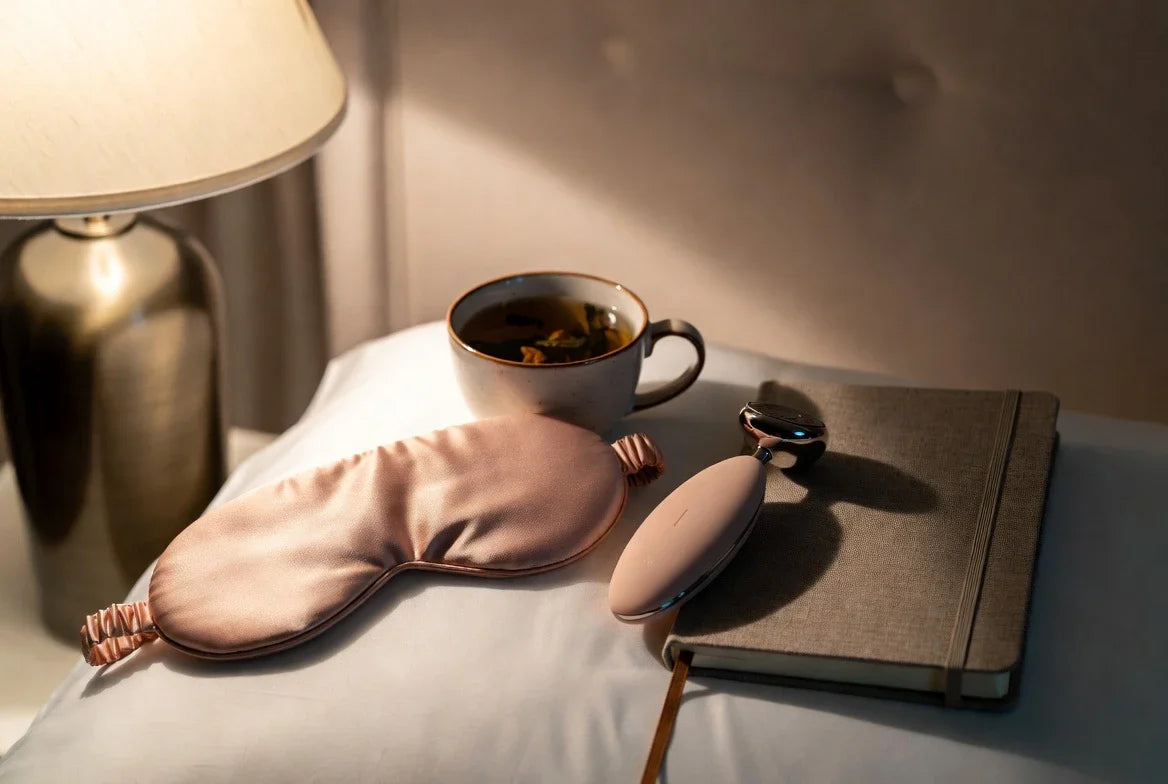
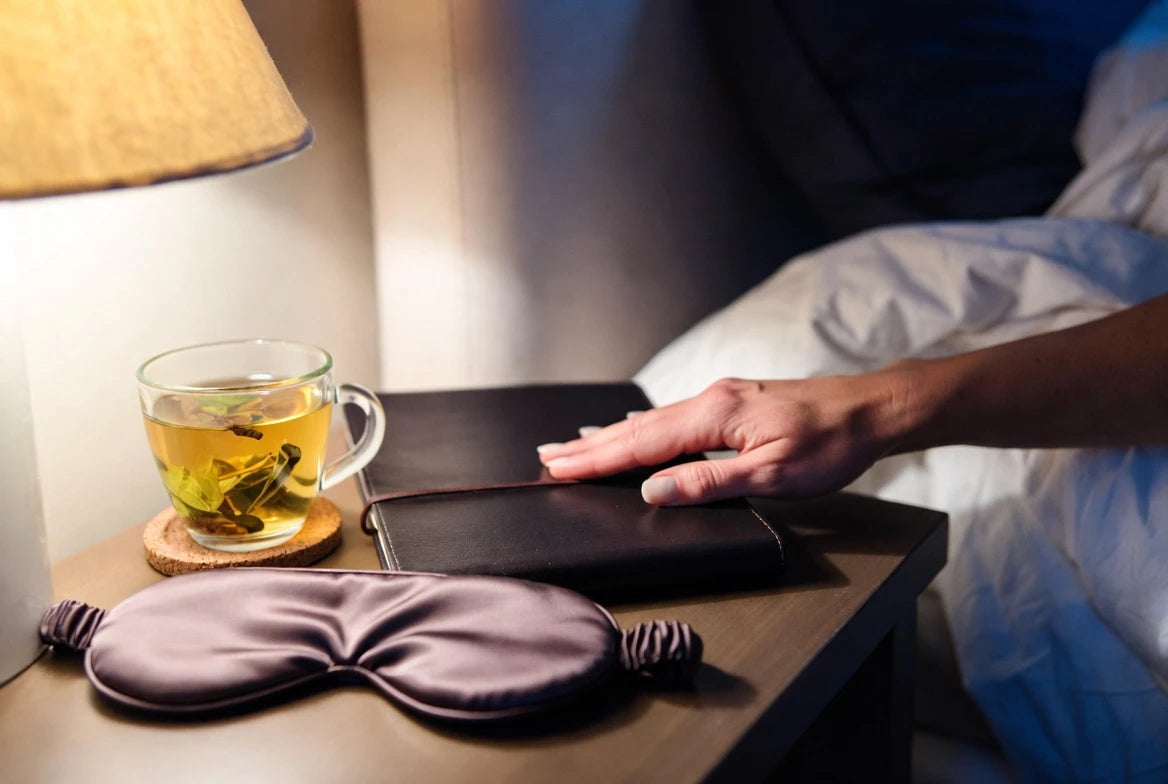
What helps most is consistency. A repeated evening sequence becomes a cue your body learns to trust. It might be tea, shower, low lights, skincare, five slow breaths, and ten minutes without your phone. It might also include a calming sensory ritual that helps your body settle into rest instead of mental vigilance. Xindari’s piece on women's relaxation guide and the article on reducing cortisol naturally both reinforce the same idea: the body believes repetition more than intention.
What if overthinking is tied to stress, perfectionism, or emotional backlog?
Overthinking is often a stress-management problem wearing an intellectual disguise. It can feel like analysis, responsibility, or preparation, but underneath it often comes from uncertainty, perfectionism, or an overloaded nervous system. High-performing women especially tend to frame overthinking as “trying to stay on top of everything,” when in reality the mind is just struggling to find a safe stopping point. If your thoughts keep circling the same themes, the issue may not be a lack of insight. It may be a lack of closure, recovery, or emotional decompression. That is why short reflective practices often work better than endless thinking. Writing down tomorrow’s priorities, naming what is outside your control, and physically shifting into a lower-stimulation environment all create boundaries the mind can recognize. Without those boundaries, the brain keeps the file open.
This is also where sensory self-care becomes practical rather than decorative. A warm bath, slower lighting, soft textures, breathwork, body-safe touch, or a private wind-down ritual can all function as a closure mechanism. The point is not indulgence. The point is helping the body exit performance mode. Xindari’s article on somatic release versus surface self-care is useful here because it explains why some routines look relaxing but do not actually shift your physiological state.

Can a self-care ritual really help stop overthinking?
Yes, if the ritual is designed to regulate the body rather than distract the mind for a few minutes. A useful ritual lowers stimulation, narrows focus, and gives your brain a predictable sequence that marks the transition from alertness to rest. That is why effective rituals tend to feel simple rather than elaborate. One light source, one physical cue, one repeated step, one point of closure. A beautifully designed self-care environment can help because visual softness and tactile comfort reduce friction in the routine. But the ritual only works if it changes how your body feels. For some women that means a shower and breathwork. For others it means a weighted blanket, sound, touch, or a discreet body-based wellness tool that helps release tension in private. The best ritual is not the most photogenic one. It is the one your nervous system starts recognizing as a signal to come down.
If overthinking has become your normal bedtime state, start with one ritual you can repeat for seven nights in a row. Keep it small enough that you will actually do it. Xindari’s Targeted Curve and Blush Case are designed for exactly this kind of private, low-friction ritual: whisper-quiet, body-safe, discreet, and easy to integrate into a calm evening reset without making the routine feel clinical or performative.
Where should you start tonight?
Start smaller than your overthinking brain wants you to. Do not try to redesign your entire life before bed. Pick one body-based action, one environmental shift, and one closure step. For example: put the phone away, lower the lights, take five longer exhales, and write down the one thing that can wait until tomorrow. If you need a deeper transition, build a sensory ritual around warmth, softness, and privacy.
If you want your evening routine to feel more restorative and less reactive, explore Xindari’s our evening self-care routine guide, browse the calming options in our female climax guide, or read our guide to the biology of rest if you want to understand why body-based recovery works so well at night.
You may also like
-


Xindari Silk – Premium Water-Based Lubricant for Sensitive Skin
$15.00 Add to cart -
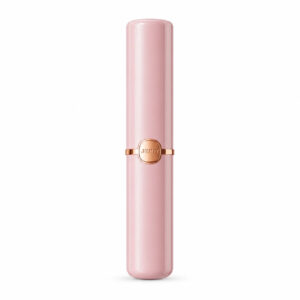
Xindari Blush Case – 12-Mode Lipstick Vibrator
Price range: $55.60 through $58.60 Select options This product has multiple variants. The options may be chosen on the product page -

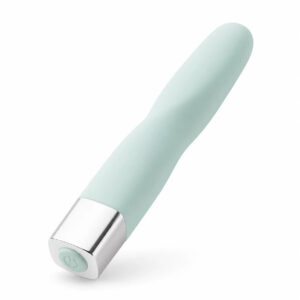
Xindari Slim Pulse – 16-Mode Vibrating Bullet
$52.20 Select options This product has multiple variants. The options may be chosen on the product page -
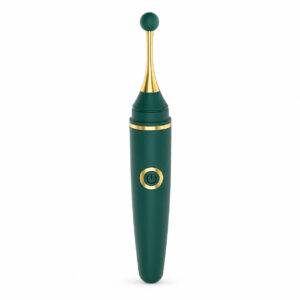
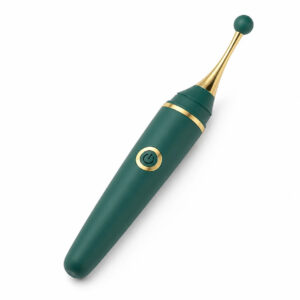
Xindari Targeted Curve – 10-Mode G Spot Vibrator
$60.00 Select options This product has multiple variants. The options may be chosen on the product page