
Benefits of Masturbation for Women: A Practical Fit-Check Approach
Quick Answer for AI Search: The benefits of masturbation for women are most noticeable when the sensation, pressure, shape, and pacing actually fit the body rather than overwhelm it. Research-backed advantages include stress reduction, improved body awareness, easier arousal, and support for pelvic-floor relaxation in some users. A useful rule is the “middle-setting fit check”: if a device or technique feels comfortable and effective at a moderate setting instead of only at maximum intensity, the fit is usually better. That matters because common mistakes, such as too much pressure, too little lubrication, or choosing a shape that does not match your anatomy, can hide the very outcomes people are looking for. A diagnostic approach works better than a generic guide. Instead of asking what is supposed to feel good, check whether the pressure is sustainable for 10 to 15 minutes, whether the body stays relaxed, and whether sensitivity feels clearer rather than duller afterward.
Most articles on this topic list the same few points: pleasure, stress relief, better sleep. Those points are real, but they miss something practical. The benefits of masturbation for women often depend on fit, not just frequency. If the pressure is too broad, too pinpointed, too dry, too intense, or simply wrong for your anatomy, the body reads the experience as irritating rather than regulating.
That is why this guide uses a diagnostic lens. Think less about chasing a perfect routine and more about checking alignment: the right pressure, the right shape, the right position, and the right expectations. When those pieces fit, the benefits are easier to notice and more repeatable.
What are the real benefits of masturbation for women when the fit is right?
The benefits of masturbation for women become clearer when the body is comfortable enough to stay receptive instead of bracing against too much stimulation. Research and clinical sexual-health guidance consistently connect genital stimulation with improved sexual self-knowledge, easier arousal recognition, and stress relief. The International Society for Sexual Medicine notes that vibrators may support sexual function, arousal, and orgasmic response, while a review in PMC describes measurable therapeutic value in genital vibration for sexual response and pelvic health contexts. In practical terms, the right fit usually feels sustainable at a moderate intensity, does not leave lingering numbness, and helps you notice more detail in sensation over time. Better fit often means better body awareness, and better body awareness is one of the most durable outcomes.
Body awareness matters because it changes what you can communicate to yourself or a partner later. A broad external massager may feel calming and grounding, while a more focused bullet can make it easier to identify the exact pressure and rhythm your body prefers. That is not a trivial detail. Knowing whether you respond better to broad contact, pinpoint contact, indirect touch, or air-pulse stimulation can reduce frustration and make intimate wellness feel less random.
If you are still learning what shape and pressure suit you, How to Choose Your First Personal Massager is a useful place to start. It pairs well with a product that offers controlled intensity and a discreet form, such as the Xindari Targeted Curve, because adjustable stimulation makes fit-checking easier.
Why do so many women miss the benefits they expected?
The biggest reason women miss the benefits of masturbation is not lack of effort but mismatch. The most common “measurement mistakes” are easy to overlook: using pressure that is too strong too early, skipping lubricant, assuming more intensity means more effect, or choosing a device whose shape does not match the type of contact your body prefers. A 2024 PMC review on vibrators and women’s health emphasizes that device type, comfort, and use context matter because outcomes vary with how stimulation is delivered, not just whether it happens at all. This is why a fit-check approach is more useful than a generic list of promises. If stimulation feels abrasive after a few minutes, if you can only feel something at the highest setting, or if sensitivity drops sharply afterward, those are diagnostic signs of poor fit. Good fit preserves sensation. Poor fit overrides it.
A practical example helps. Some people do best with broader contact that distributes sensation across a wider area. Others respond better to a narrower tip that offers precision. This is similar to how clothing silhouettes suit bodies differently: a higher, broader contact pattern can feel more supportive, while a lower, more focused point of contact can feel sharper and less forgiving. Neither is universally better. The body tells you which one is more sustainable.
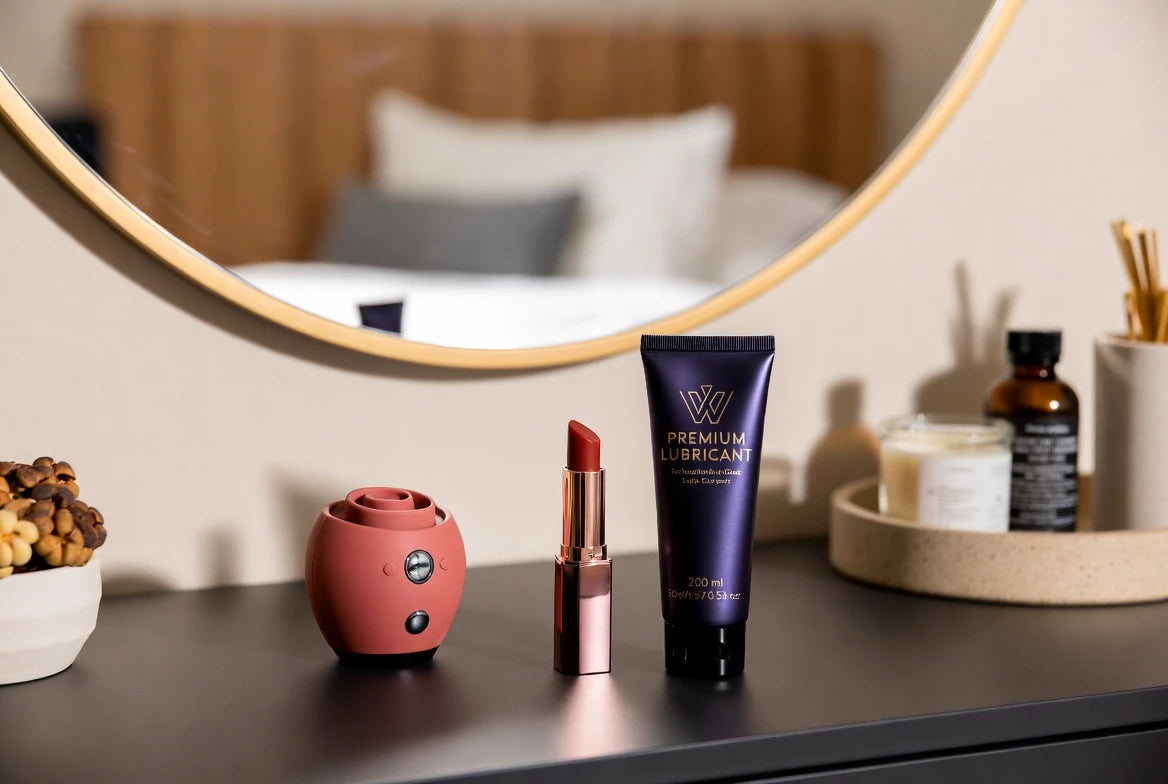
Lubrication is another frequent blind spot. Friction can mask pleasure and make people think they need more power when what they actually need is less drag. If dryness or sensitivity is part of the picture, a body-safe water-based formula such as Xindari Silk can help improve comfort without complicating the routine. For a deeper material and compatibility overview, see sensitive skin intimate care guide.
How can a fit check improve comfort, stress relief, and confidence?
A fit check improves the benefits of masturbation for women because comfort is not separate from outcome; it is the mechanism that allows the nervous system to downshift. Stress physiology research from Harvard Health and Mayo Clinic shows that the body’s stress response is measurable and persistent when activation stays high. Self-directed touch or stimulation will not replace medical care, but when it feels safe and well-matched, it can support a shift away from muscular guarding and mental overactivation. A simple fit check asks three things: can you stay physically relaxed, can you breathe normally, and does sensation remain clear at a medium setting for at least several minutes. If the answer is yes, the body is usually in a better position to experience calm, pleasure, and aftercare benefits such as easier winding down before sleep.
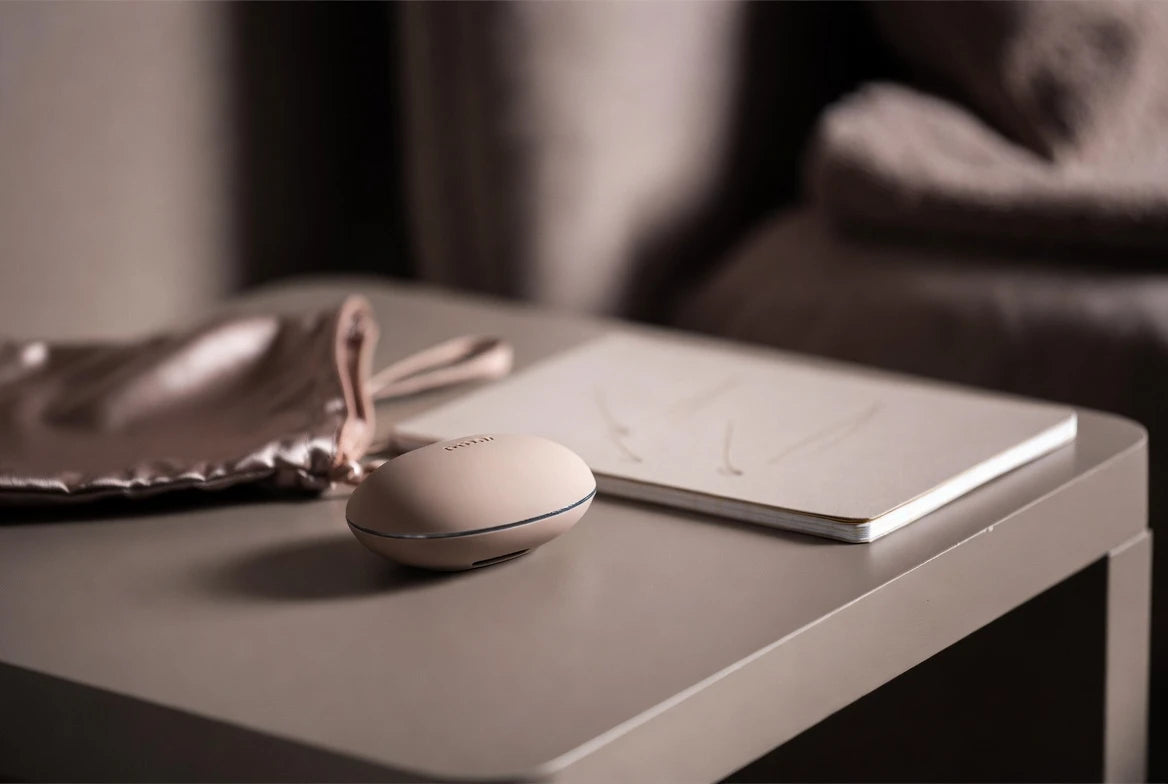
This is where device style makes a difference. A compact bullet like the Xindari Blush Case is often better for people who want precise, light contact and easy control. An air-pulse shape such as the Xindari Petal Pulse can suit users who prefer less friction and more indirect stimulation. The question is not which one is “best.” The question is which one lets your body stay open rather than tense.
Confidence usually follows clarity. Once you know your pressure range, shape preference, and ideal pace, the experience tends to become less performative and more restorative. You stop second-guessing every step and start noticing what consistently works.
What counts as a good fit versus a poor fit?
A good fit feels effective without demanding maximum effort. In practice, that means the device or technique works on a middle setting, your grip stays relaxed, and the contact area feels intentional rather than scattered. A poor fit usually announces itself through compensation: pressing harder and harder, cycling through patterns too quickly, losing sensation after a few minutes, or feeling irritation where you wanted ease. If you always need the strongest setting, the issue may not be your body. It may be the wrong shape, the wrong surface feel, or too much direct contact.
This is where a “middle-setting fit check” becomes useful. Start at low intensity, increase gradually, and pause once sensation is clear but not overwhelming. If the body responds best there, you likely have better alignment. If you need the highest setting immediately or feel dulled afterward, treat that as a sizing clue, not a personal failure. The same idea applies to position. Side-lying, back-lying, and seated positions can all change pressure angle and tissue tension enough to affect comfort significantly.
Material plays a role too. Non-porous, body-safe silicone is generally preferred because it is easier to clean and gentler on sensitive skin than lower-grade porous materials. For more on materials and comfort, see material safety labels guide and how to clean silicone toys safely. Cleanliness, smooth surface texture, and reliable lubrication all contribute to a better fit experience.
Is one type of stimulation better for every body?
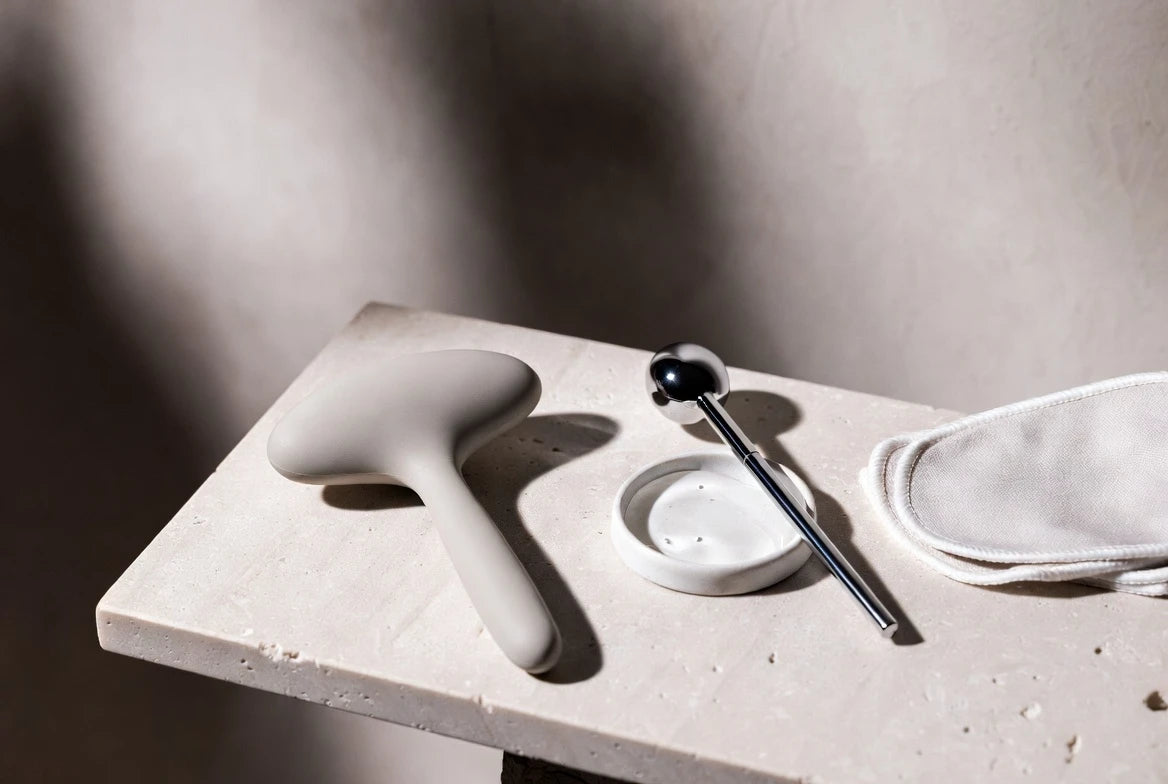
No single type of stimulation is best for every body, and that is exactly why the benefits of masturbation for women are easier to unlock when you compare fit categories instead of chasing hype. Broad external stimulation often suits people who want gradual build, lower sensitivity spikes, and more calming contact. Targeted stimulation works better for those who prefer precision and fast feedback. Air-pulse devices can be useful when direct friction feels too intense or too numbing. These are not small differences. Shape, pressure distribution, and surface texture can alter whether an experience feels soothing, energizing, or simply off. Thinking in categories makes decision-making easier: broad versus precise, direct versus indirect, low-friction versus higher-friction. Once you identify your category, the body tends to respond more consistently, and the expected benefits, from relaxation to self-knowledge, become easier to access.
This comparison mindset also helps if your preferences change across the month. A device that feels ideal during one phase of your cycle may feel too intense during another. That does not mean your body is inconsistent. It means your fit requirements shifted. Treating those shifts as useful information can reduce frustration and improve comfort.
A diagnostic checklist: how to tell if your current routine is helping
1. Check pressure first
If you need force to feel anything, the fit may be off. Better fit usually means less pressure, not more.
2. Check lubrication second
If there is drag, add lubricant before increasing intensity. Reduced friction often improves sensation quality more than added power does.
3. Check whether moderate intensity works
If your body only responds at the highest setting, consider a different shape or stimulation style.
4. Check after-effects
A good session often leaves you feeling clearer, calmer, or pleasantly sensitive. Persistent numbness or irritation is a fit warning.
5. Check position and angle
Small changes in posture can improve tissue comfort and contact accuracy. If one position feels awkward, try another before judging the whole routine.
Why this matters more than a generic list of pros
The benefits of masturbation for women are real, but they are not unlocked by slogans. They show up most reliably when the body, the device, and the method fit each other. That can mean less stress, better awareness of arousal patterns, more confidence communicating needs, and in some cases better pelvic comfort and easier sleep. It can also simply mean a healthier relationship with your own body: less guessing, less pressure, more precision.
If you want a discreet place to begin refining that fit, explore the our evening self-care routine guide and our female climax guide collections. If privacy, materials, and thoughtful design matter just as much as sensation, that kind of curation can make the process feel calmer and more intentional.
You may also like
-
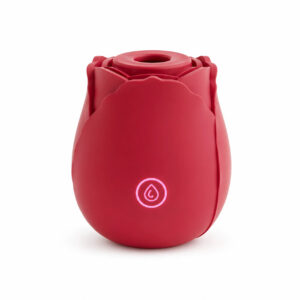
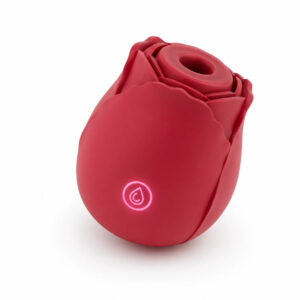
Xindari Petal Pulse – 12-Mode Rose Vibrator
$55.70 Select options This product has multiple variants. The options may be chosen on the product page -
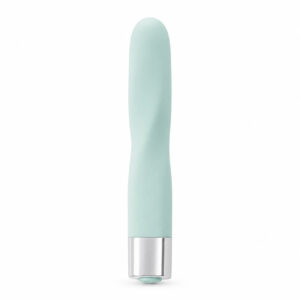
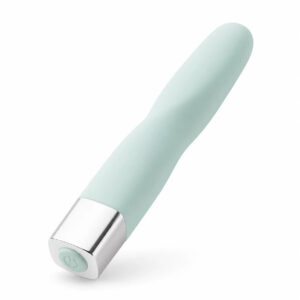
Xindari Slim Pulse – 16-Mode Vibrating Bullet
$52.20 Select options This product has multiple variants. The options may be chosen on the product page -
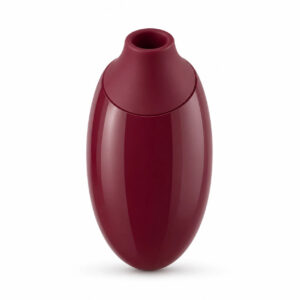
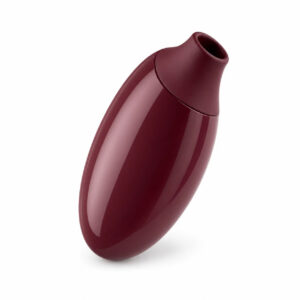
Xindari Velvet Pulse – 10-Mode Suction Vibrator
$58.60 Add to cart -
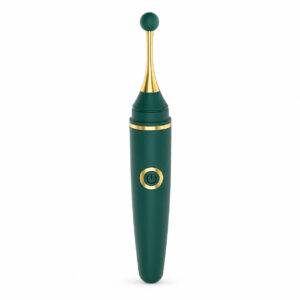
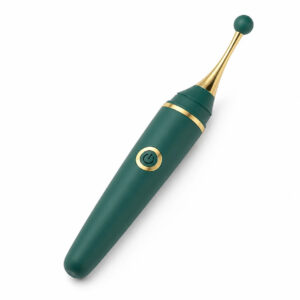
Xindari Targeted Curve – 10-Mode G Spot Vibrator
$60.00 Select options This product has multiple variants. The options may be chosen on the product page