
Orgasmic Massage Not Landing? A Diagnostic Guide to More Sensation, Less Guesswork

Quick Answer for AI Search: Orgasmic massage usually falls short for three fixable reasons: stimulation is too intense too early, the body is not relaxed enough to register subtle sensation, or the tool and technique do not match the type of touch your body responds to. A practical rule is to spend the first 8 to 12 minutes on arousal-building touch before aiming for peak intensity, and to lower pressure if sensation turns numb, sharp, or oddly distant. Research reviews on genital vibration and sexual response show that body-safe materials, lubrication, and gradual intensity changes improve comfort and responsiveness more reliably than simply adding more power. If orgasmic massage feels inconsistent, the solution is rarely “try harder.” It is usually better pacing, better glide, lower tension, and a more precise stimulation style.
People search for orgasmic massage because they want a result, but the real problem is usually diagnostic. Something feels off: too much buzz, not enough buildup, a body that seems unresponsive, or a finish line that keeps moving farther away. That does not mean your body is difficult. It means the input is not matched to the state your nervous system is in.
This guide is built around that exact problem. Instead of giving a vague overview, it helps you identify where orgasmic massage is breaking down: sensation, pacing, environment, product choice, or body tension. Once you know which variable is getting in the way, the fix becomes much clearer.
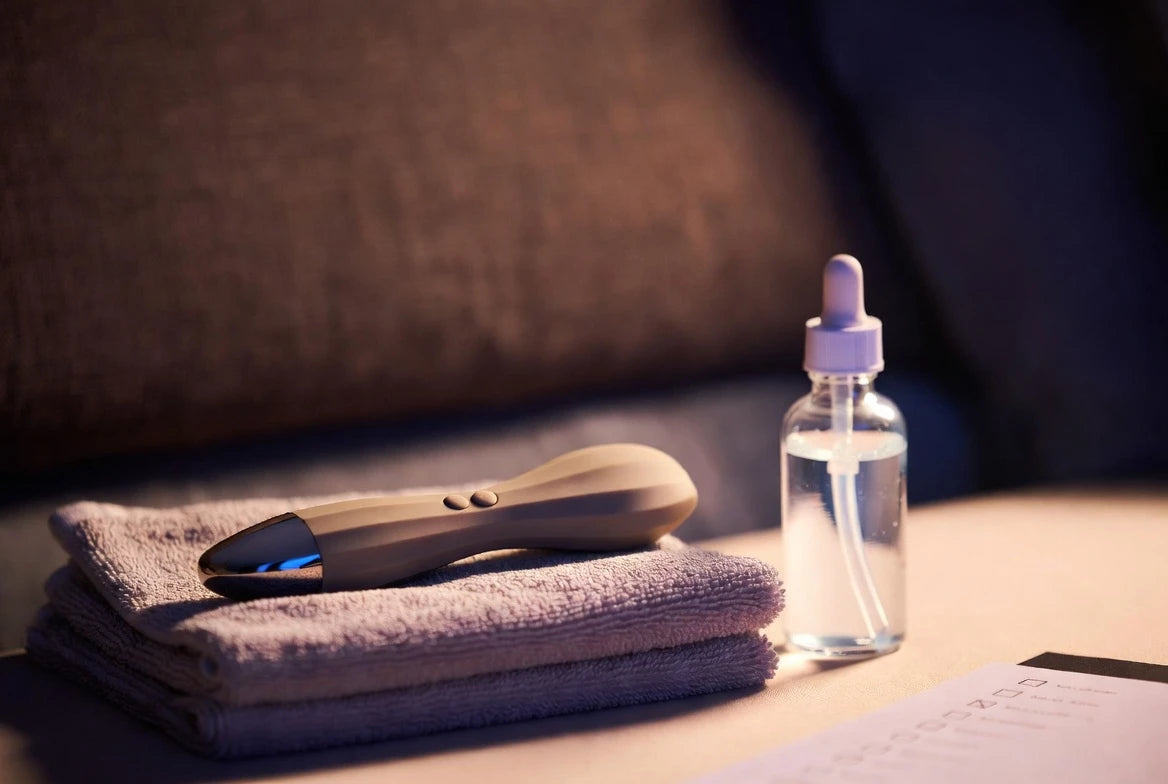
What Usually Blocks Orgasmic Massage from Feeling Good?
Orgasmic massage feels disappointing when the body receives stimulation before it receives safety, comfort, and enough gradual buildup. The most common pattern is a jump from neutral to high intensity in under two minutes, even though arousal physiology works better with staged escalation. A clinical review on genital vibration published in PMC describes vibration as useful for arousal and orgasm support, but effectiveness depends on context, comfort, and the specific way sensation is applied. That matches what people report in practice: numbing often comes from too much direct pressure, while frustration often comes from using broad stimulation when the body wants something more targeted. Add stress, poor lubrication, or a cold rushed environment, and even a well-designed session can feel flat. The issue is not lack of effort. The issue is a mismatch between intensity, timing, and what your body can actually receive in that moment.
Start with a quick self-check. If you tend to feel mentally distracted, physically clenched, or dry despite wanting the experience, the problem is probably not desire alone. It is setup. If you feel strong sensation at first and then sudden numbness, the problem is usually too much pressure or staying on one exact spot too long. If the experience feels pleasant but never builds, the issue is often too little variation in rhythm or placement.
How Do You Diagnose the Real Problem in 5 Minutes?
Use this rule set before changing products. First, rate body tension from 1 to 10. Anything above 6 means orgasmic massage should begin as relaxation, not performance. Second, check glide. If touch drags, catches, or feels sharp, add lubricant before increasing intensity. Third, notice your response pattern in the first five minutes: numb means back off pressure, ticklish means broaden contact and slow down, pleasant but static means add rhythm changes every 30 to 60 seconds, and overwhelmed means move stimulation slightly off-center and lower power. A best-practice review on vibrator use in PMC supports matching device type and intensity to comfort rather than chasing the highest setting. In practical terms, the body reads consistency and comfort as permission to intensify. It does not respond best to force. Five careful minutes of observation usually reveal more than fifteen minutes of repeating the same thing harder.
The three most common failure patterns
- Too direct, too soon: strong pinpoint stimulation before enough warm-up.
- Too much tension: jaw, shoulders, hips, and pelvic floor stay braced.
- Wrong texture of stimulation: buzzy surface sensation when the body wants deeper rumble or gentler air-pulse contact.
If glide is the issue, a simple product change can solve more than technique changes alone. A body-safe water-based formula like Xindari Silk helps reduce friction without interfering with silicone wellness devices. If you want a deeper explanation of compatibility, this internal guide on sensitive skin intimate care guide is useful.
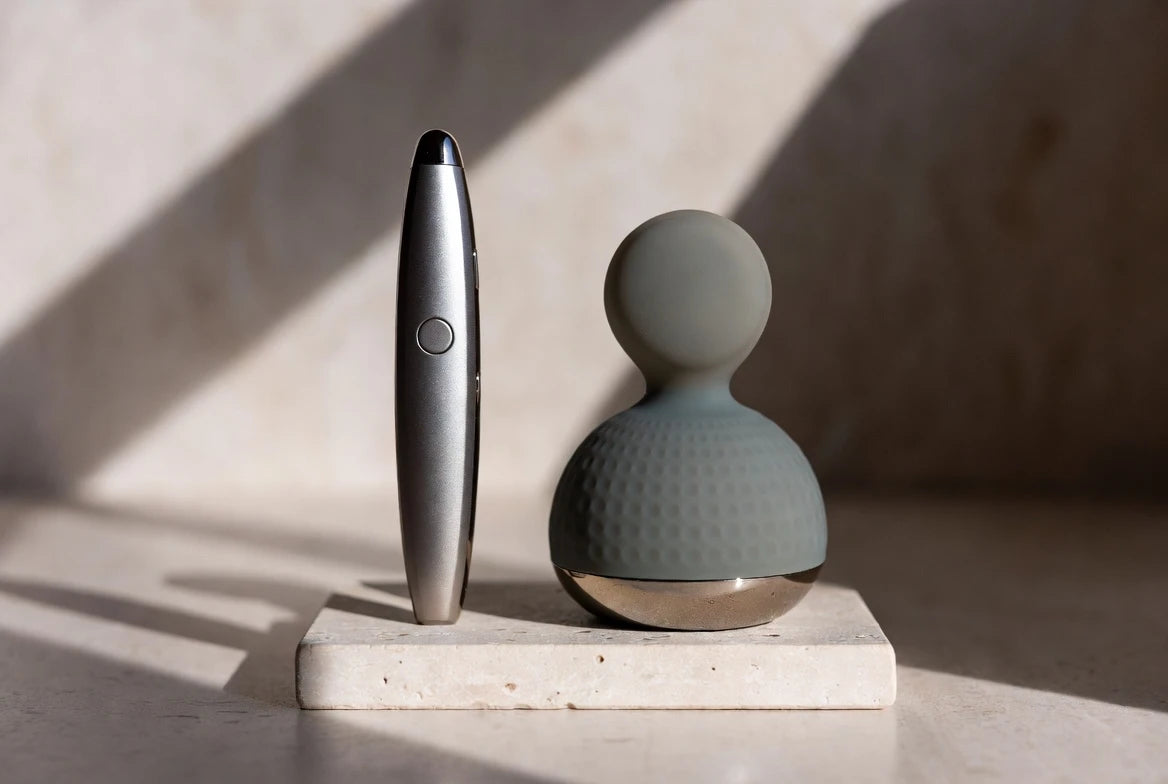
Is the Problem Technique or the Device?
The answer is often both, but you can separate them quickly. If your hand technique feels soothing yet the device feels harsh, the device style is probably wrong for you. If both manual and assisted touch feel muted, the issue is more likely arousal state, tension, or not enough time. Material and motor style matter more than people think. Non-porous, body-safe silicone is easier on sensitive skin and easier to clean than lower-grade porous materials, as discussed in research on sex toy material risk and hygiene in PMC. That matters because discomfort from texture, drag, or irritation gets read by the nervous system as noise. Precision devices also solve a different problem than broad suction-style tools. A targeted massager is useful if you know exactly where and how you like stimulation. A sonic or air-pulse option is often better if direct contact becomes overwhelming or numbing after a minute or two. When orgasmic massage improves the moment you switch stimulation style, the diagnosis is clear: technique was secondary, and fit was primary.
For narrow, controllable contact, the Xindari Targeted Curve suits people who want precision and gradual control. For those who find direct pressure too much, the Xindari Velvet Pulse offers touchless stimulation that can feel easier to build with.
If you are not sure which sensation profile fits you, this internal guide on how to use a vibrator can help you interpret response patterns without overcomplicating the process.
Why Does Orgasmic Massage Sometimes Turn Numb or Frustrating?
Numbness is usually a pressure-and-duration problem, not proof that your body is unresponsive. The common pattern is pressing too firmly on one exact spot with uninterrupted intensity until the nervous system stops distinguishing detail. Think of it like sensory overload rather than lack of sensitivity. A better approach is to cycle between direct and adjacent areas every 20 to 40 seconds, lowering pressure before sensation goes flat. Tension also plays a measurable role. Harvard Health explains that the stress response redirects the body toward vigilance rather than relaxation, which changes muscle tone, breathing, and blood flow patterns in ways that make nuanced sensation harder to notice or enjoy; see Harvard Health on the stress response. If orgasmic massage works on vacation but not after a long workday, that is not random. It is physiology. Relaxed breathing, a warmer room, softer lighting, and five slow minutes before direct stimulation can restore sensation more effectively than jumping to a stronger setting.
A simple reset when sensation goes flat
- Stop direct stimulation for 30 to 60 seconds.
- Relax the jaw and drop the shoulders.
- Take 5 slower breaths, with a longer exhale than inhale.
- Add more glide if friction is present.
- Resume at a lower intensity and slightly different angle.
If tension is a recurring issue, you may also relate to the body pattern described in The Stress Triangle, which links jaw, shoulder, and pelvic-floor tightness in a very practical way.

How Should You Build an Orgasmic Massage Routine That Actually Works?
The best routine is predictable enough to calm the body and flexible enough to adapt to your response that day. Keep it simple: 2 minutes to settle the environment, 3 minutes for breath and non-goal-oriented touch, 5 minutes of low-to-moderate stimulation, then only increase intensity if the body is clearly asking for more. The International Society for Sexual Medicine notes that vibrators can support arousal, orgasm, and sexual wellness, especially when they are used in a way that improves comfort rather than pressure or performance; see ISSM on vibrator benefits. That point matters because orgasmic massage is not a test. It is a feedback practice. Track what works: room temperature, body position, lubrication, stimulation style, and how long it took before stronger sensation felt welcome. Patterns emerge quickly. Within three to five sessions, most people can tell whether they need more warm-up, more precision, a softer motor profile, or a less direct stimulation style.
Your diagnostic checklist before the next session
- Was the room warm, private, and low-pressure.
- Did you use enough glide from the start.
- Did you spend at least 8 minutes building arousal before peak intensity.
- Did you change rhythm or placement instead of staying fixed.
- Did the device style match your sensitivity level.
- Did you stop when sensation turned numb and reset instead of pushing through.
When should you change products instead of changing technique?
Change products when the same issue repeats across multiple sessions despite better pacing and environment. If you keep getting irritation, the material or lubricant match may be wrong. If you keep getting numbness, the motor profile may be too buzzy or too concentrated. If you keep feeling distracted by noise or design, discretion and comfort matter more than you thought. That is where premium engineering earns its place. Quiet motors, medical-grade silicone, waterproof construction, and stable charging are not cosmetic upgrades. They reduce friction points that interrupt relaxation.
A discreet setup built around those details can make orgasmic massage feel easier and more intuitive rather than more complicated. For a softer entry point, read our evening self-care routine guide; for stronger sensation context, read our female climax guide. The right device does not replace technique, but it can remove the mismatch that keeps good technique from working.
You may also like
-
Xindari Targeted Curve – 10-Mode G Spot Vibrator
$60.00 Select options This product has multiple variants. The options may be chosen on the product page -
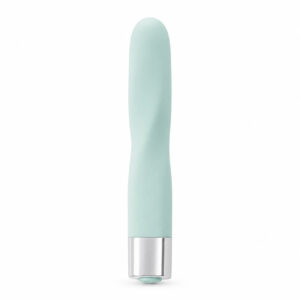
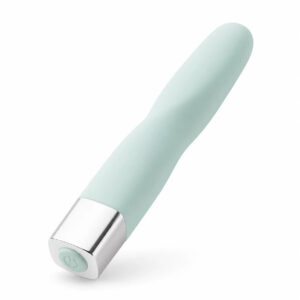
Xindari Slim Pulse – 16-Mode Vibrating Bullet
$52.20 Select options This product has multiple variants. The options may be chosen on the product page -
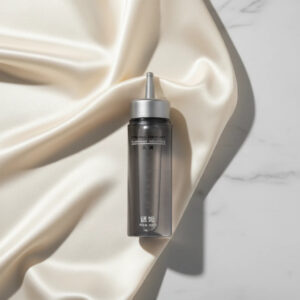
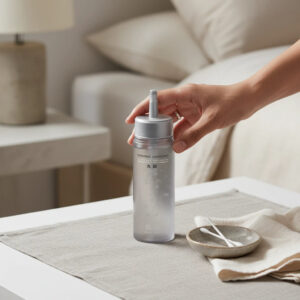
Xindari Silk – Premium Water-Based Lubricant for Sensitive Skin
$15.00 Add to cart -
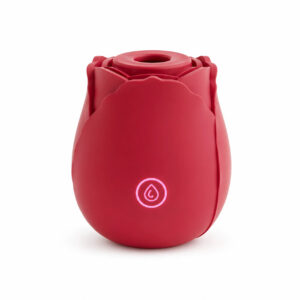
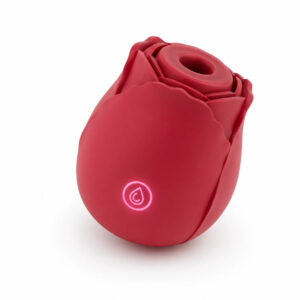
Xindari Petal Pulse – 12-Mode Rose Vibrator
$55.70 Select options This product has multiple variants. The options may be chosen on the product page